Animal abusers in Kentucky face almost no consequences. Advocates head to Frankfort to demand better.

– 5 min read


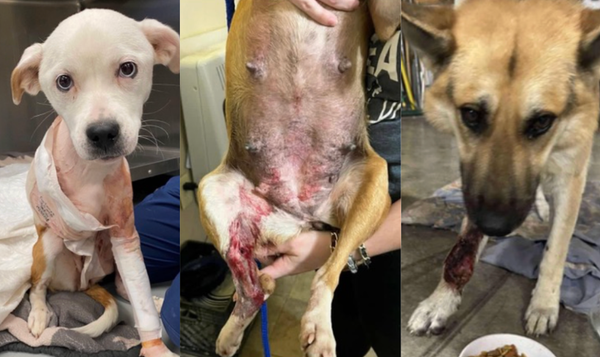
Kentucky ranks 47th for animal protection laws, allowing abuse and neglect to fester across the commonwealth.
"I'm Shay McAlister, and this is Shay Informed: an independent, ad-free platform dedicated to honest journalism with compassion and clarity.
Are you new here? Sign up for the free weekly newsletter or subscribe to support our mission and access behind-the-scenes content, podcasts, and in-depth stories reserved for paid subscribers.
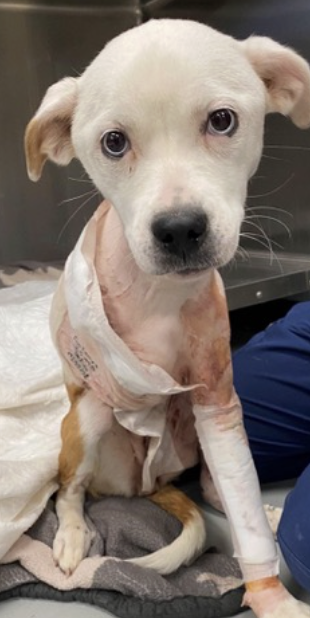
When Penny was found in December 2020, thrown from a car in a plastic bag on the side of the Pennyrile Parkway, three of her four legs had been broken from sustained human abuse. Multiple veterinarians recommended euthanizing the small white dog with spotted ears. They didn't think she'd have any quality of life.
But Penny had other plans.
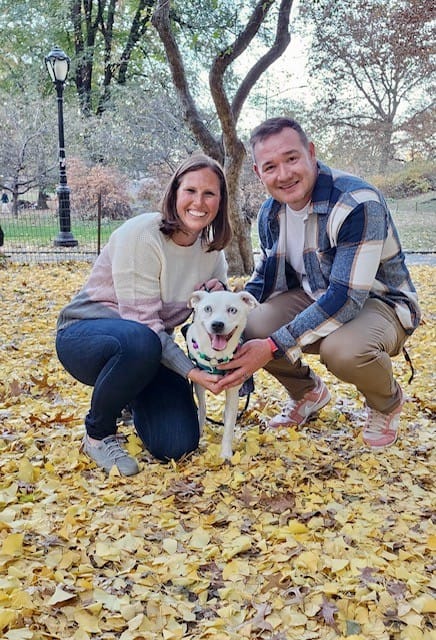
"She had this fighting spirit," said Lindsey Peetz, who along with her husband eventually adopted Penny after fostering her through the Arrow Fund. "She loved every single person that came to her rescue. She was licking them. She was trying to walk on mangled legs."
Five years later, Penny is a therapy dog who travels the country spreading joy. She's also become the face of a harsh reality: Kentucky has some of the weakest animal protection laws in the nation, ranking 47th out of 50 states. And the person who nearly killed her? They wouldn't have even gotten a parking ticket under Kentucky's laws at the time.
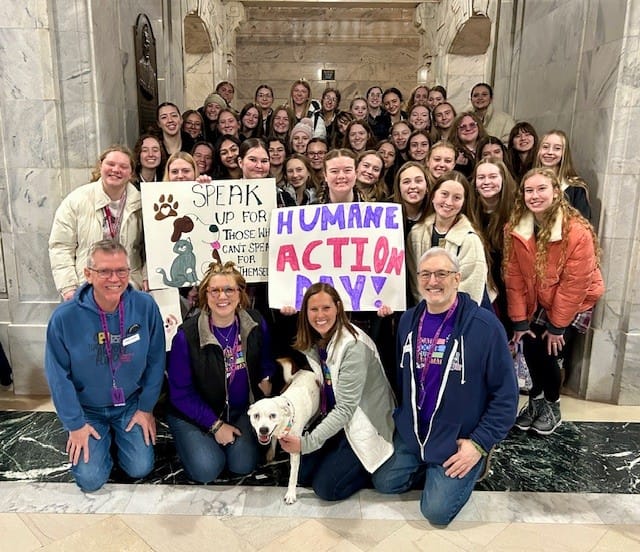
That's why on February 4th, more than 100 animal advocates- including Peetz, Penny, and a group of high school students from Assumption High School- will gather at the Kentucky State Capitol for Kentucky Animal Action Day. It's the sixth year for the grassroots event, which gives everyday Kentuckians a chance to look their legislators in the eye and ask them to do better for the state's most vulnerable residents.
"Legislators are put in place by the voters, and they are put there to represent us, but they can only properly represent us if they know it's important to us," said Mychell Lawson, who founded Kentucky Animal Action Day in 2020. "If animals are important to you, you need to come help us tell them respectfully how important they are to you, so they can make decisions for us for the animals."
The statistics paint a grim picture. Most animal abusers in Kentucky never face consequences for their actions, and many continue to own animals even after abuse has been reported. The cycle perpetuates, costing taxpayers hundreds of thousands of dollars each year to care for impounded animals during lengthy court cases.
Sheila Joneleit sees the worst of it. As executive director of the Arrow Fund, a Louisville-based rescue that takes in animals who have been tortured, severely injured or horribly neglected, she's witnessed horrors: a dog stabbed 20 times by its owner, another that appeared to have been de-gloved on its arm, and a dog was found so emaciated it took a full year to get that way, with pressure sores from being caged.
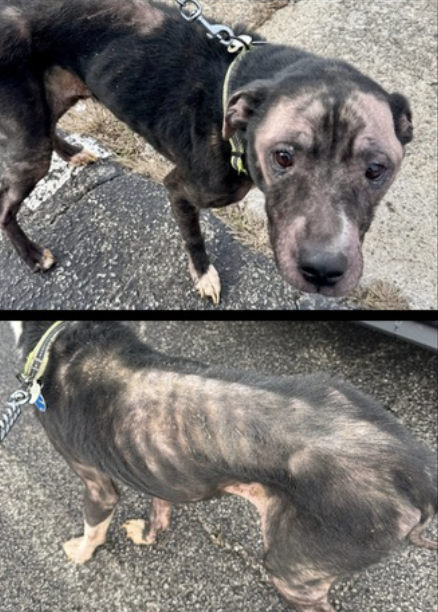
Even when abusers are caught, Kentucky's laws have little bite. Someone can be prohibited from owning animals for two years, but after that, they can have as many as they want again.
This year, advocates are pushing two specific pieces of legislation. The first is a "Cost of Care" bill that would require people whose animals are impounded- whether for abuse cases or simply repeat offenders who treat animal control like daycare- to pay for their care or relinquish them immediately. Currently, taxpayers foot the bill, which can reach into the hundreds of thousands of dollars for hoarding cases that drag through the courts for years.
The second bill would add two spay and neuter advocates to the Animal Control Advisory Board, which handles state spay and neuter funding from specialty license plates. Lawson says spaying and neutering is one of the most important tools for reducing animal suffering across the board. "If we lower overpopulation, we lower all the other problems that face companion animals. We lower abuse, neglect, abandonment, starvation," she explained.
But fighting for animal protection can be an uphill battle in Kentucky. Lobbying groups will often fight hard to oppose bills that could impact hunting, breeding or agriculture.
Still, there have been some wins. In 2022, Kentucky Animal Action Day helped pass an extreme weather ordinance in Louisville that requires people to bring pets indoors during dangerous conditions. Just this week, as temperatures plummeted and snow blanketed the region, Louisville Metro Animal Services, LMPD, and Mayor Greenberg all referenced the ordinance to remind residents of their obligations.
"Huge win. I'm super excited about that, and hope that we prevent some suffering and horrible death by that ordinance," Lawson said.
But progress has been slow. Lawson says conversations are happening that never happened before, and legislators from both sides of the aisle are showing interest. Still, year after year, Kentucky remains near the bottom nationally for animal protection.
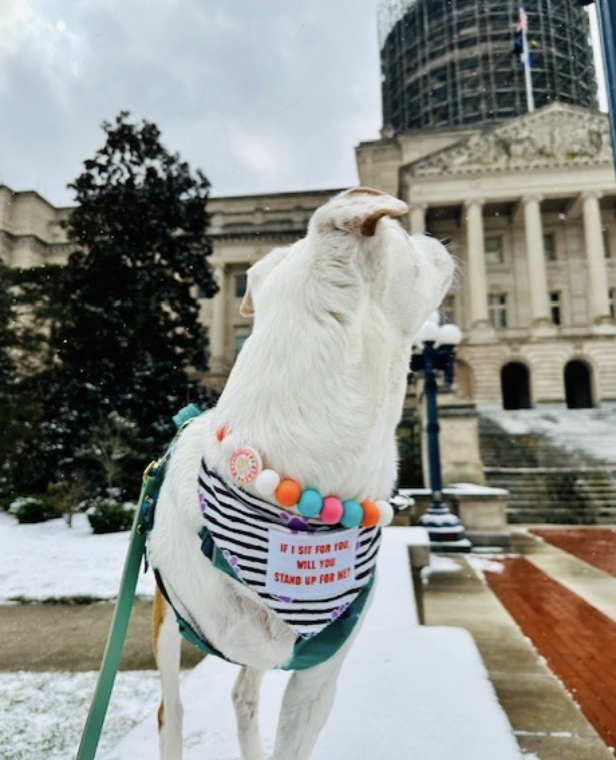
That's why Peetz keeps going back to Frankfort with Penny by her side. When lawmakers see Penny- not as a statistic on a spreadsheet, but as a living, breathing survivor- it drives the message home in a way nothing else can.
"She wears a little bandana that says, 'If I sit for you, will you stand up for me?'" Peetz said. "I think there's layers of power to that."
Peetz also brings students from Assumption High School, members of the school's Humane Action Team, to give young people a voice in the legislative process. This will be their fourth year making the trip.
"We can't give up. The more we show up, the more we bring our issues to the table, the more youth we get involved, those changes will happen," Peetz said. "Unfortunately, we're slow to that happening, but they will, and I think there's hope in that."
Joneleit echoed that sentiment, noting that a Louisville Metro Police chief recently became emotional during a press conference about a dog named Halo who was found emaciated and tied to a stairwell after his owner moved. "He said, 'No dog should ever be treated like this, because they give us unmitigated and devoted attention. Why do we treat animals like this?' And he almost started to cry," Joneleit recalled. "I was thinking, man, if a police chief can do that, all police chiefs, all county sheriffs, should feel that way."
Kentucky Animal Action Day begins at 9 a.m. on Wednesday, February 4th, at the Capitol Education Center in Frankfort. Speakers will address the current state of animal welfare in Kentucky, explain how the legislative process works, and discuss the importance of the bills being proposed. After the presentations, participants will meet directly with legislators in the Capitol Annex.
No experience is necessary. Lawson encourages anyone who cares about animal welfare to register at the Kentucky Animal Action website, bring an ID to check in, and wear purple as a symbol of animal advocacy.
As for Penny? She'll be there too, sitting politely beside the students who love her, asking lawmakers one simple question: Will you stand up for me?
Like what you see? Learn more about Shay Informed here! This is honest journalism with compassion and clarity.