Beshear demands answers as McConnell's silence stretches to six weeks
– 7 min read


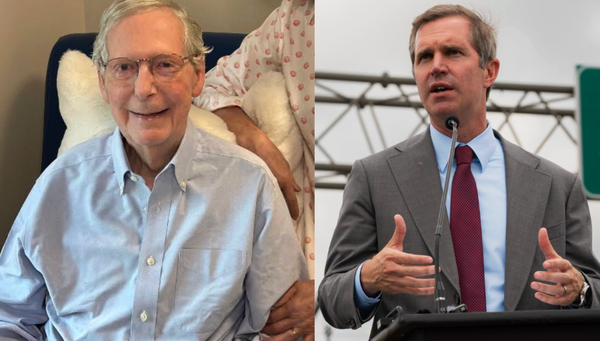
With no direct word from McConnell in 43 days, Governor Andy Beshear tells senator to prove his capacity or step down.
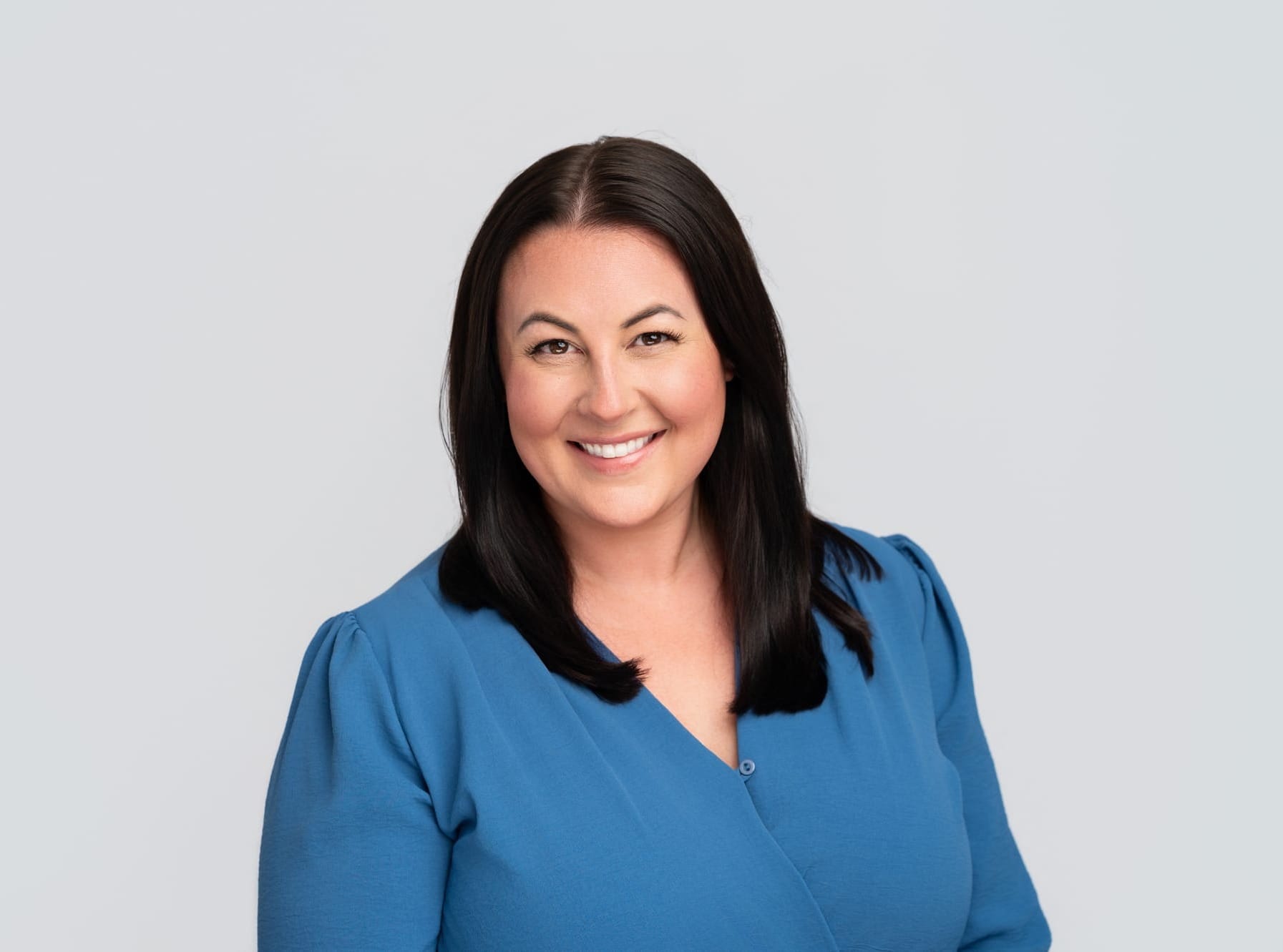
"I'm Shay McAlister, and this is Shay Informed: an independent, ad-free platform dedicated to honest journalism with compassion and clarity.
Are you new here? Sign up for the free weekly newsletter or subscribe to support our mission and access behind-the-scenes content, podcasts, and in-depth stories reserved for paid subscribers.
Sen. Mitch McConnell announced Sunday that he would miss this year's Fancy Farm Picnic in western Kentucky. The following day, Gov. Andy Beshear escalated his pressure campaign on the senator, sending a pointed letter demanding McConnell either publicly prove his capacity to serve or step down- a demand that came without any acknowledgment from McConnell's office of the direct, public address Beshear was calling for.
In a letter dated July 27, Beshear laid out the timeline bluntly: 43 days since news of McConnell's hospitalization first broke, zero votes cast, and no direct communication with constituents beyond two photographs and a handful of carefully worded statements. The governor noted that even the attending physician's written statement stopped short of addressing whether McConnell can speak, reason, or carry out his Senate duties.
"I understand anyone's desire for privacy, but when you run for office and serve as one of a state's two U.S. senators, you willingly abdicate much of your personal privacy," Beshear wrote. "That's the deal, and we all know it when we run."
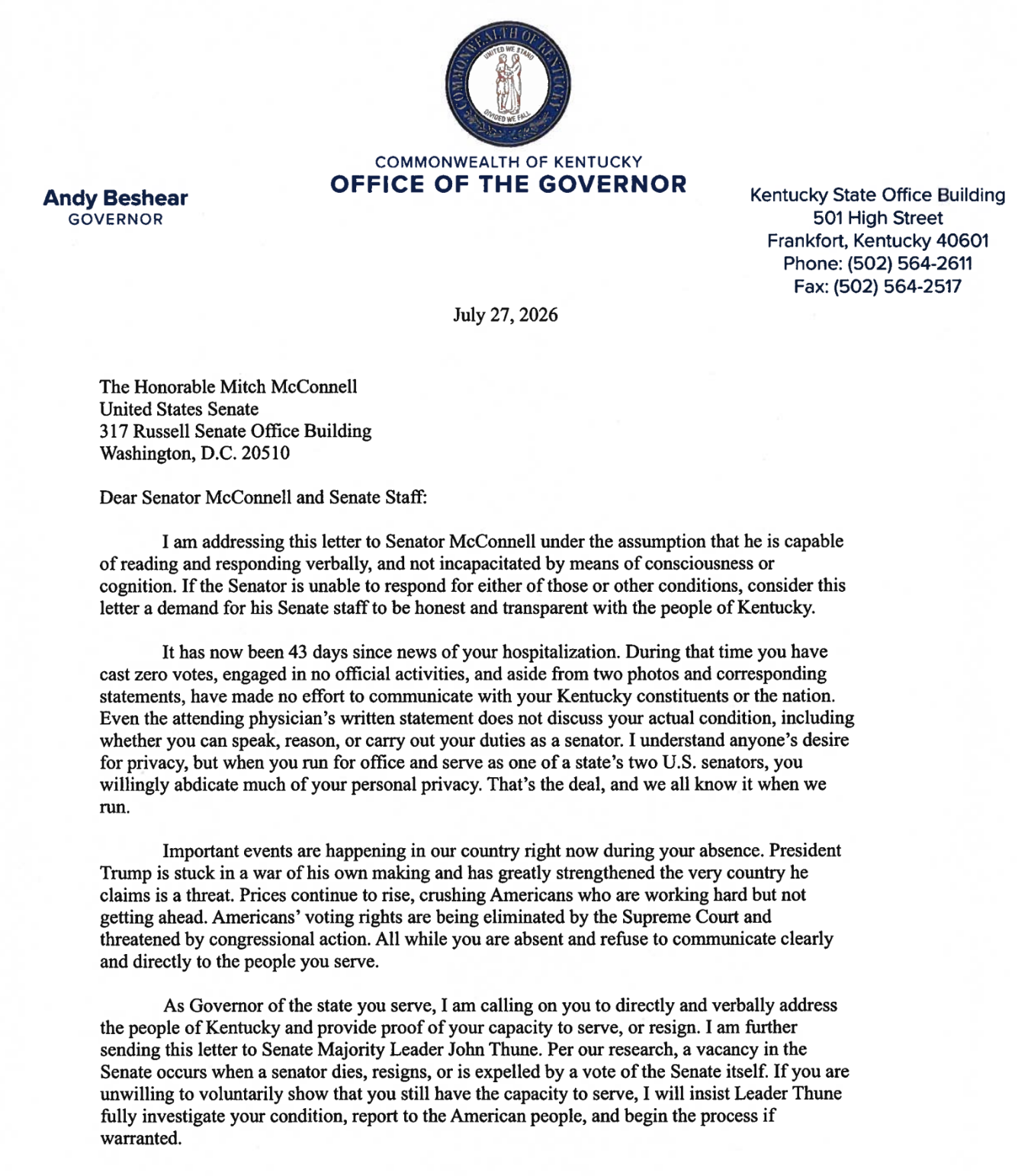
Beshear addressed the letter to McConnell directly, but built in a fallback: if the senator is truly unable to respond, he called it "a demand for his Senate staff to be honest and transparent with the people of Kentucky." He also confirmed he's sending a copy to Senate Majority Leader John Thune, laying out the mechanics of how a Senate vacancy actually occurs- only through death, resignation, or expulsion by Senate vote- and said that absent voluntary proof of McConnell's capacity, he'll press Thune to investigate and act if warranted.
The governor closed by citing McConnell ally Scott Jennings, who said on air July 23 that "truthfully a little transparency on the front here would have saved him a whole lot of grief."
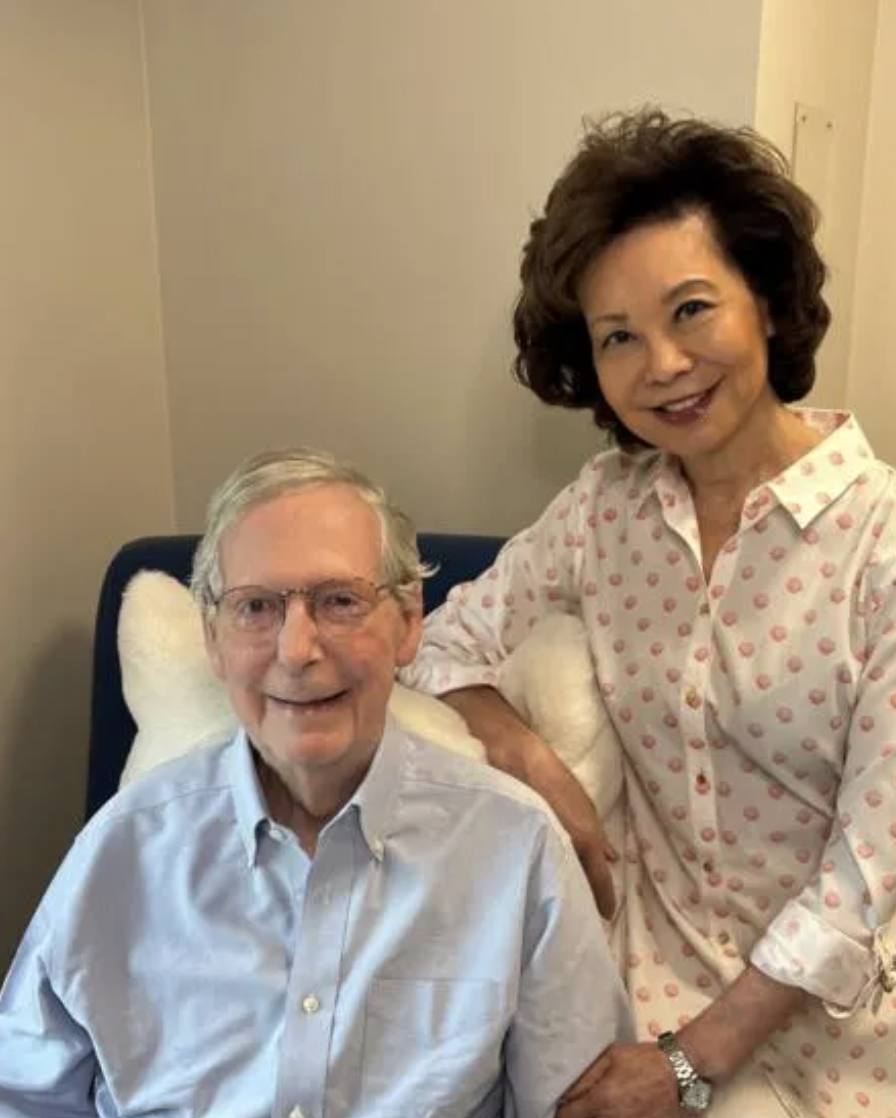
A day before Beshear's letter, McConnell's office released a statement centered on a different piece of news: he won't be attending this year's Fancy Farm Picnic in western Kentucky.
"I'm still working hard to get back to my full schedule of work in the Senate and in Kentucky, keeping up with intense physical therapy per my doctors' orders," the statement read. "Unfortunately, that means I won't be able to make it to Fancy Farm, Kentucky this Saturday."
McConnell reflected on his history with the event, noting he first attended 42 years ago when "Fancy Farm was a pretty lonely place to be a Republican," contrasting that with western Kentucky's current standing as reliably conservative territory. He sent his best wishes to the St. Jerome community and said he's "looking forward to getting back to the Senate and to Kentucky soon."
The statement doesn't address the questions at the center of Beshear's letter: what McConnell's actual medical condition is, whether he's capable of resuming his duties, or when- if ever- the public should expect a direct, unfiltered update. Fancy Farm has long served as an unofficial proving ground for Kentucky politicians' vitality and stamina; McConnell's absence, paired with a statement that leans on nostalgia rather than disclosure, is unlikely to quiet the questions Beshear's letter raised.
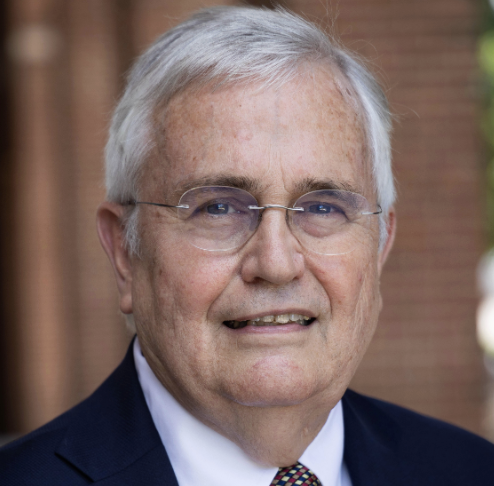
To make sense of where this fits historically, I spoke with Al Cross, who has covered Kentucky politics for over 50 years- 25 of them at the Courier Journal- and continues writing a political column for the Northern Kentucky Tribune, among other outlets. Cross has covered McConnell since 1989, with some earlier coverage dating back to his first Senate run in 1984.
Is this McConnell's worst health episode? Cross says the evidence points that way. McConnell has dealt with a compromised left leg since childhood polio, which Cross says has contributed to his history of falls, on top of a triple bypass surgery years ago. Even so, Cross doesn't consider the communication blackout unprecedented on its own, noting other senators have gone silent. "There have been several senators, members of Congress, who've sort of gone to ground for health reasons," he said. What's different here, in his view, comes down to two things: "McConnell is still a huge Democratic bogeyman," and "the governor is running for president, and he's catching heat from a lot of misinformed people about what he ought to do."
Why the silence? Cross' read is straightforward: this is McConnell being McConnell. "Mitch McConnell has always liked to do things his own way," he said, adding that once McConnell announced he wouldn't seek another leadership post, "he said he would look forward to the independence that he would have as a result, and I think at this point he is relishing his independence. He's going out the way he wants to go out, and he doesn't have to do a video just because Al Cross or Andy Beshear says so." On why McConnell doesn't feel pressure to explain himself: "He does not feel the same obligation to the voters since he's not going to be facing them again." And on who's making the call to keep his health status so close to the chest: "He's the boss. I've always called him the boss. He is the boss."
Did Cross ever doubt McConnell was conscious or capable? "I've always believed it was him being tight-lipped," Cross said- until last week, when nearly a full week passed without a statement. "I began to have doubts," he admitted. "You always have to be a skeptic if you're a journalist." The Washington Post's report, and McConnell's team providing a new statement, resolved that doubt: "They were basically saying that's our story and we're sticking to it."
On Beshear's motivations to push for answers: Cross doesn't dismiss Beshear's concern as illegitimate but said there is definitely a political pressure behind it as well. "Polling nationally has shown that people want McConnell to be more forthcoming, and I have no reason to believe that the polls in Kentucky would be any different", Cross told me. He believes Beshear's original social media statement wasn't enough, and when the feedback on social media grew too loud, he responded with formal letters. "When the heat on social media and otherwise became so great that it threatened to undermine his presidential campaign, he felt like he had to do something else." As Cross put it: "People do big things for more than one reason."
Does Beshear actually have any power here? According to Cross, none. He noted that the Kentucky legislature specifically repealed the law that once allowed governors to appoint interim senators, meaning any vacancy would require a special election- not a gubernatorial pick. Cross was skeptical of Beshear's constitutional argument for greater authority here, noting that the state constitutional provision Beshear points to doesn't appear to reference U.S. Senate seats, and federal law generally overrides state constitutions on federal offices. Practically, Cross said, Beshear "can only talk."
What is Kentucky actually losing? "It's marginal," Cross said. He pointed to stalled votes- "the farm bill isn't moving, the Defense Authorization Act isn't moving"- but predicted, "we'll see that vote cast before this session of Congress is out." Otherwise, he said, "he's working through the staff, and that's how most of the work in Congress gets done." Asked directly whether Kentucky is losing much by McConnell's absence, Cross's answer was simple: "No."
What happens if McConnell doesn't return? "I suppose there's always a chance," Cross said of the possibility McConnell never returns to the Senate floor, "but I believe he'll be back." If that changes, he explained, Kentucky law doesn't allow an appointed replacement- only "a special election," which takes 63 days to conduct. His prediction: "I don't see Mitch McConnell resigning before his term is up, unless his health takes a serious turn for the worse."
His advice to the public: Cut through the noise. "Rely on proven facts, not unsubstantiated opinions," Cross said. "Rely on reliable news media, not social media. Just that simple." Asked why that's so hard for people to do, he didn't hesitate: "People would rather be entertained than informed. That's the problem."
As of this writing, McConnell remains at a rehabilitation facility, according to the Office of the Attending Physician, and has not appeared publicly or answered questions directly since his hospitalization began.
Paid subscribers can listen to my conversation with Al Cross in this week's episode of One More Question. Add the podcast to your library, wherever you like to listen! Follow directions below.
Like what you see? Learn more about Shay Informed here! This is honest journalism with compassion and clarity.