Circumstantial Episode 8: "This man is guilty of murder"

– 6 min read


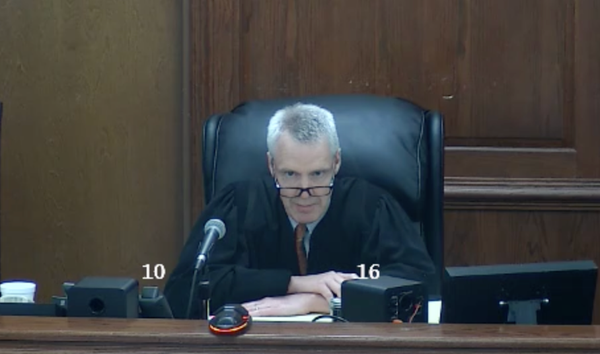
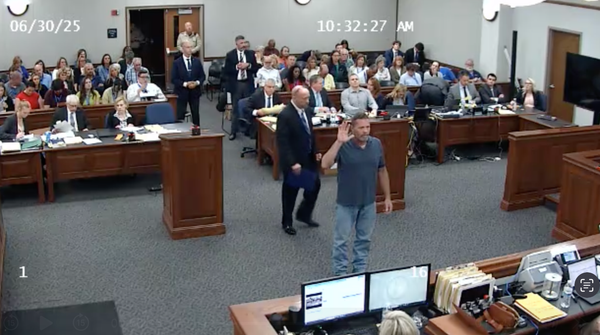
The judge laid out the entire case against Brooks Houck. The defense asked the jury to send him home to his son. And behind the scenes, attorneys debated whether to dismiss a juror who slept through the evidence.
"I'm Shay McAlister, and this is Shay Informed: an independent, ad-free platform dedicated to honest journalism with compassion and clarity.
Circumstantial: The Crystal Rogers Trials is available to paid subscribers only. You can become a member for $4.99/month and gain access to all of my work, including full interviews, behind-the-scenes content, and my weekly news podcast.
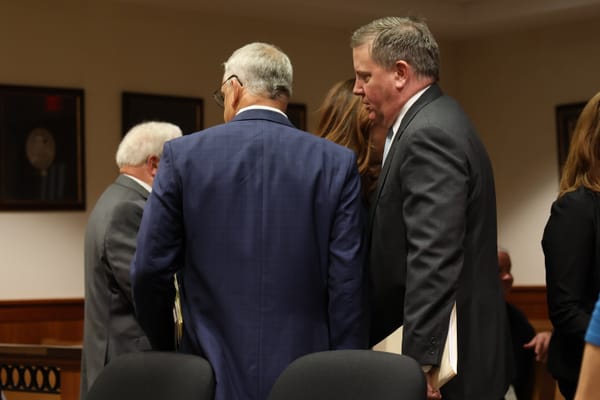
Before closing arguments could begin, the defense had one last move. It's called a motion for directed verdict- essentially asking the judge to throw out the case before it ever reaches the jury. It's a high bar. Judges rarely grant them.
But Brooks Houck's attorney, Brian Butler, had to try.
"There's three things that have been identified to support a homicide," Butler told the judge. "Proof of a body, proof of a crime scene, or a confession. And none of those exist in this case."
He wasn't wrong. After two weeks of testimony, the prosecution had presented no body. No crime scene. No confession. No DNA. No murder weapon.
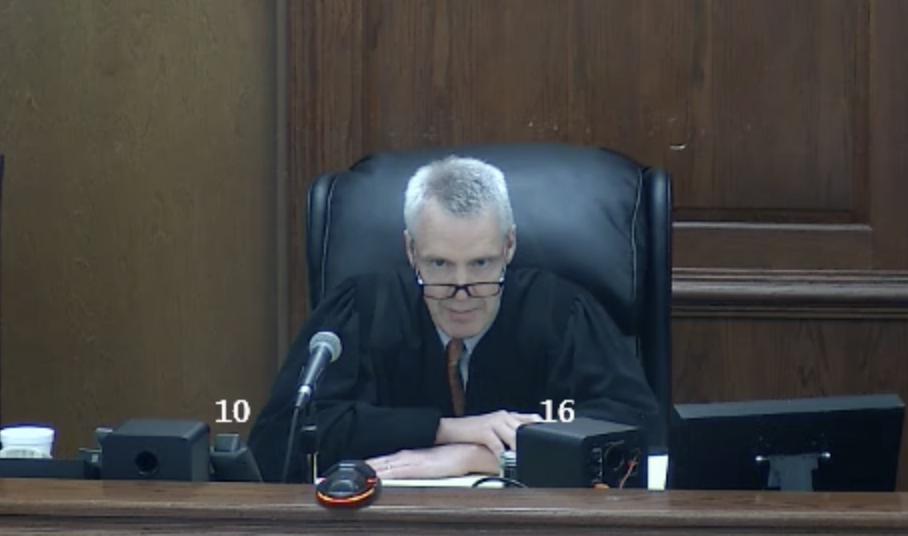
So Judge Simms took a moment. Read over his notes. The courtroom waited in silence.
And then he started talking.
What came next was remarkable- the judge essentially laid out the prosecution's entire case, point by point.
Episode 8 of "Circumstantial: The Crystal Rogers Trials" is live now. And it's the episode where closing arguments finally happen- and where everything comes down to twelve strangers.
You won't find this on Apple Podcasts or Spotify. It's only here, on shayinformed.com, because this is independent journalism funded directly by people who believe this work matters. You can sign up here.