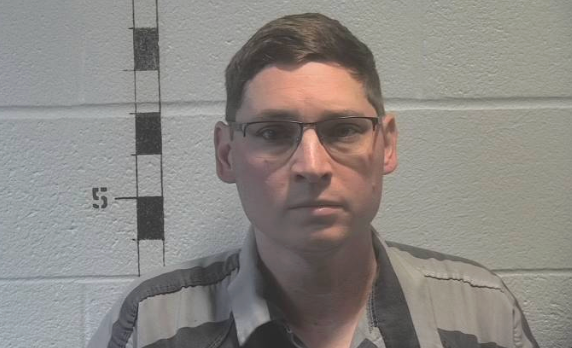
He had access to every license plate in the city. Police say he used it to stalk the mother of his child.

– 6 min read


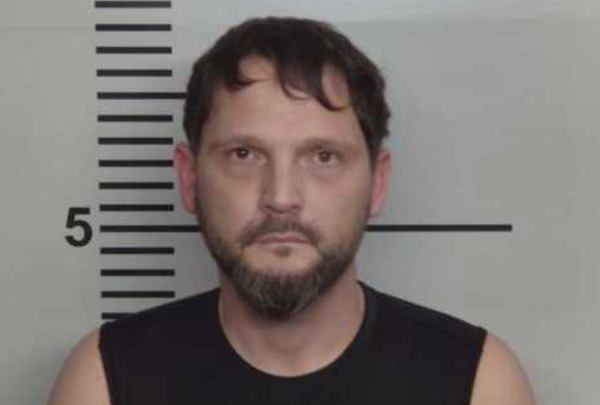
Officer Asad Zahir is accused of using the department's license plate reader system to monitor a woman he shares a child with- a case now folded into a national reckoning over police misuse of Flock technology.
"I'm Shay McAlister, and this is Shay Informed: an independent, ad-free platform dedicated to honest journalism with compassion and clarity.
Are you new here? Sign up for the free weekly newsletter or subscribe to support our mission and access behind-the-scenes content, podcasts, and in-depth stories reserved for paid subscribers.
A Shively police officer is facing criminal charges after investigators say he abused his access to the department's Flock license plate reader system more than 2,000 times over five months to track the movements of a woman he shares a child with- a case that's landing in the middle of an escalating national reckoning over the surveillance technology.
Officer Asad Zahir has been charged with five counts of Official Misconduct in the First Degree and five counts of Unlawful Access to a Computer in the Fourth Degree, according to Shively police and a criminal citation.
The citation lays out a pattern investigators say went well beyond a database glitch or an overzealous cop chasing a lead.
Between January 1 and May 2, 2026, the citation alleges Zahir "abused his access to the Flock system and conducted over 2,048 searches in total," repeatedly pulling up two Kentucky vehicle registrations belonging to a woman he has a child with, according to the citation.
It gets more serious from there. The citation states that during that five-month window, Zahir "harassed the victim in Indiana" and "made threatening comments" toward her- to the point that she sought and was granted a temporary protective order against him. Investigators say the pattern they uncovered showed Zahir had "continuously accessed this system in order to track the victim's movements in Kentucky and Indiana" over the full five months.
In other words: this wasn't a one-time misuse of police technology. According to the sworn citation, it was a sustained surveillance campaign against the mother of his child, carried out with a tool his badge gave him access to.
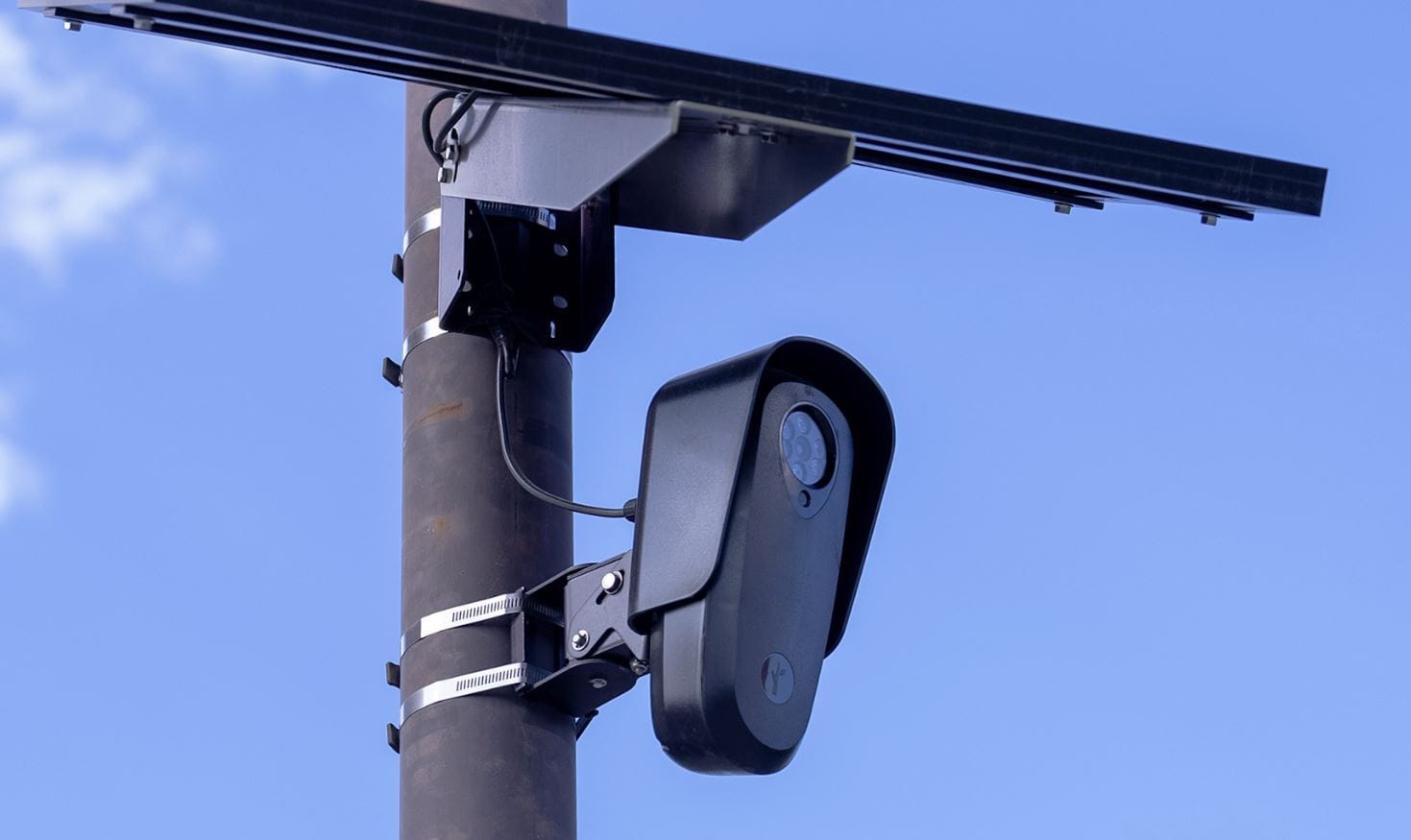
According to a press release from the Shively Police Department, the case only surfaced because of a new safeguard. On August 24, 2026, the department activated an AI-powered auditing tool through Flock Safety- software designed to flag potentially improper searches for review by agency administrators. It didn't take long to find something.
The audit flagged repeated searches tied to Zahir's account involving the two Kentucky plates. A follow-up review by the department turned up the full scope: 2,048 searches of those two registrations across five months.
Once the pattern was identified, Shively Police Chief Col. Andre Bottoms cut off Zahir's access to Flock and ordered a criminal investigation.
"Accountability applies to every member of this department," Bottoms said in the release. "No one is above the law or the standards we are sworn to uphold. When this activity was identified, we acted immediately to restrict access, preserve the evidence and begin a criminal investigation."
Zahir has been with the Shively Police Department since June 2022 and was assigned to patrol. He's now on unpaid administrative leave pending the outcome of both the criminal case and an internal investigation. The department says it's also reviewing his access to other restricted law enforcement databases and is conducting a broader review of its policies and oversight around Flock technology- including whether it needs more supervisory controls.
Because the investigations are active, Shively police say they won't be releasing additional details for now.
What happened in Shively isn't an isolated incident. It's the latest entry in a fast-growing list of cases where officers around the country have turned automated license plate readers into personal surveillance tools, and it's arriving right as Flock Safety itself is under unprecedented pressure to change how the technology is policed.
Flock operates roughly 120,000 cameras nationwide and works with thousands of law enforcement agencies, and reporting this year has documented officer misuse in at least a dozen states- Alabama, California, Florida, Georgia, Illinois, Kansas, Missouri, North Carolina, Pennsylvania, South Carolina, Texas and Wisconsin among them. A Newsweek review found allegations that officers improperly accessed license plate data for personal purposes, including tracking romantic partners, relatives or acquaintances, in cases identified through recent criminal filings, internal investigations and disciplinary actions.
The volume of cases has pushed Flock itself to act. Facing mounting backlash over privacy and documented police misuse, the company announced that by January 1, 2027, law enforcement customers will be required to use automated auditing, tie every search to a specific case number, and accept a shortened seven-day default data retention period- the same kind of auditing tool that caught Zahir.
Kentucky has its own version of this fight, and it predates the Shively case.
LMPD operates more than 200 Flock cameras and has access to hundreds more owned by private parties or other agencies, but the department has consistently refused to disclose where they're located- even after Kentucky's Republican attorney general, Russell Coleman, sided with the city in denying an open-records request for the locations. In April, Louisville Metro Council took up an ordinance from Councilman J.P. Lyninger, a District 6 Democrat, that would have required the city to publish a public map of camera locations, similar to what Lexington already does. It failed decisively- reported as a 20-4 vote against, with only Lyninger, Shameka Parrish-Wright, Betsy Ruhe and Jennifer Chappell in support.
In rural counties, the conversation is different. Flock cameras are beings sold as a necessary crime fighting tool. Nelson County Sheriff Ramon Pineiroa believes that if he'd had this technology years earlier, two of the county's most high-profile unsolved cases- the murder of Bardstown Police Officer Jason Ellis, and the double homicide of Kathy and Samantha Netherland- would already be solved.
"We knew we had a black car, and it would have crossed one of those cameras going into the area of the Netherland home. If we had these cameras installed back in 2014, that double homicide would be solved today", Sheriff Pineiroa said, "That's a fact."
 Shay McAlister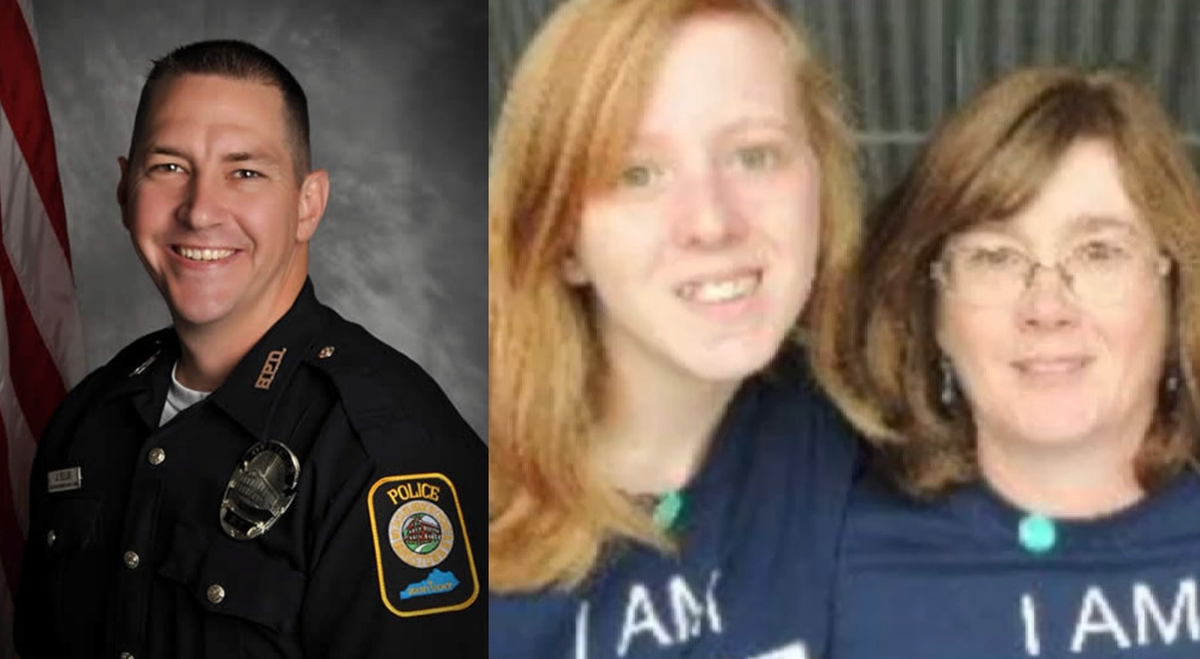
But its not just community members pressing for less flock cameras- state and federal lawmakers are doing the same. Congressman Thomas Massie recently posted that he plans to sponsor a bill withholding federal money from any municipality or police department that deploys Flock or similar surveillance cameras against "law-abiding citizens."
Kentucky State Representative Savannah Maddox recently told Fox56 that she believes the cameras represent government overreach.
"In the next General Assembly session, I would like to see Flock cameras outright banned, and to put a stop to this endless government surveillance that we’ve begun to see,” Maddox said in the Fox56 interview.
Shively's move to add automated auditing- the very thing that caught Zahir- mirrors what Flock is now making mandatory nationwide by January. Whether that's enough to prevent the next case, in Shively or anywhere else, is likely to remain the central question in this debate for a long time to come.
Like what you see? Learn more about Shay Informed here! This is honest journalism with compassion and clarity.