'He tried to run with his granddaughter': New UPS crash lawsuits reveal harrowing details of November disaster

– 6 min read


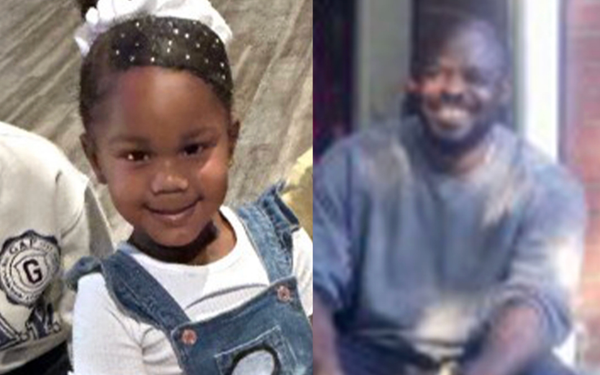
Filings describe a grandfather's final moments, a family business destroyed, and insurance failures compounding the crisis.
"I'm Shay McAlister, and this is Shay Informed: an independent, ad-free platform dedicated to honest journalism with compassion and clarity.
Are you new here? Sign up for the free weekly newsletter or subscribe to support our mission and access behind-the-scenes content, podcasts, and in-depth stories reserved for paid subscribers.
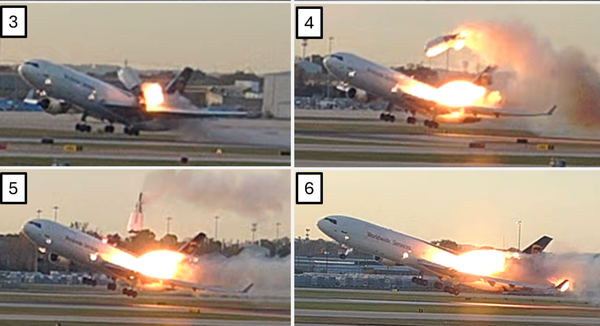
Six months after UPS Flight 2976 crashed and burned near Louisville Muhammad Ali International Airport, two of the fifteen lawsuits filed this week in Jefferson Circuit Court are painting the most detailed picture yet of what happened on the ground- and what has happened since.
One case belongs to the family of Louisnes Fedon. The other belongs to the owners of Grade A Recycling, the scrap metal business at 7301 Grade Lane where the plane came down. Together, they tell a story that extends far beyond the crash itself.
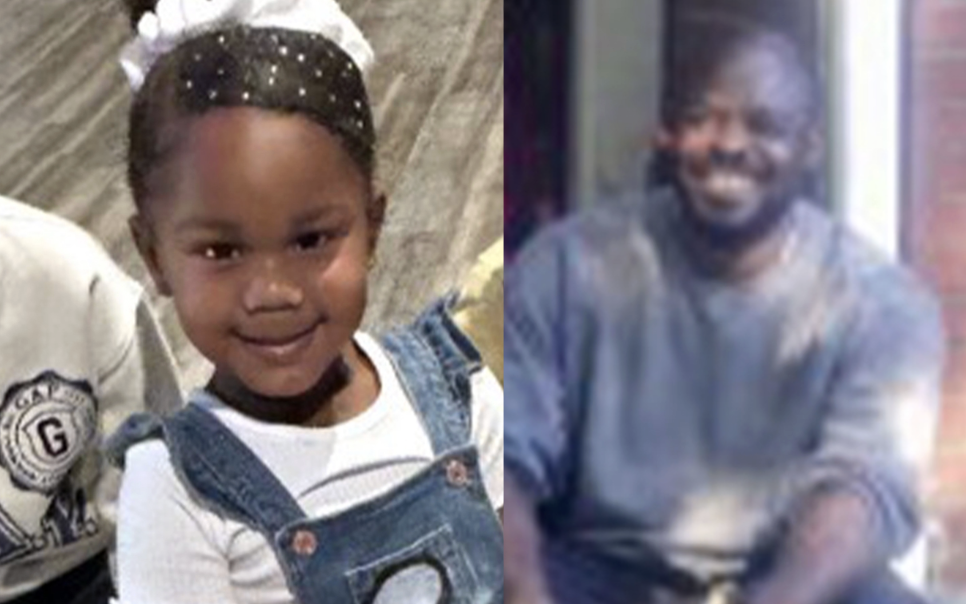
According to the wrongful death complaint filed on behalf of Fedon's estate, Louisnes Fedon was at Grade A Recycling as a customer that afternoon, alongside his granddaughter, Kimberly Asa. The lawsuit says he survived the initial impact of the aircraft.
What followed is described in clinical but devastating detail. Fedon attempted to flee the scene with his granddaughter, away from what the filing describes as smothering smoke and intense flames fed by nearly 220,000 pounds of jet fuel. His autopsy, cited in the complaint, found that he suffered thermal injuries so severe they resulted in what the lawsuit characterizes as the baking of his brain and right lung, as well as fractures and amputations of his extremities. His cause of death was determined to be carbon monoxide intoxication, smoke inhalation, and thermal injuries.
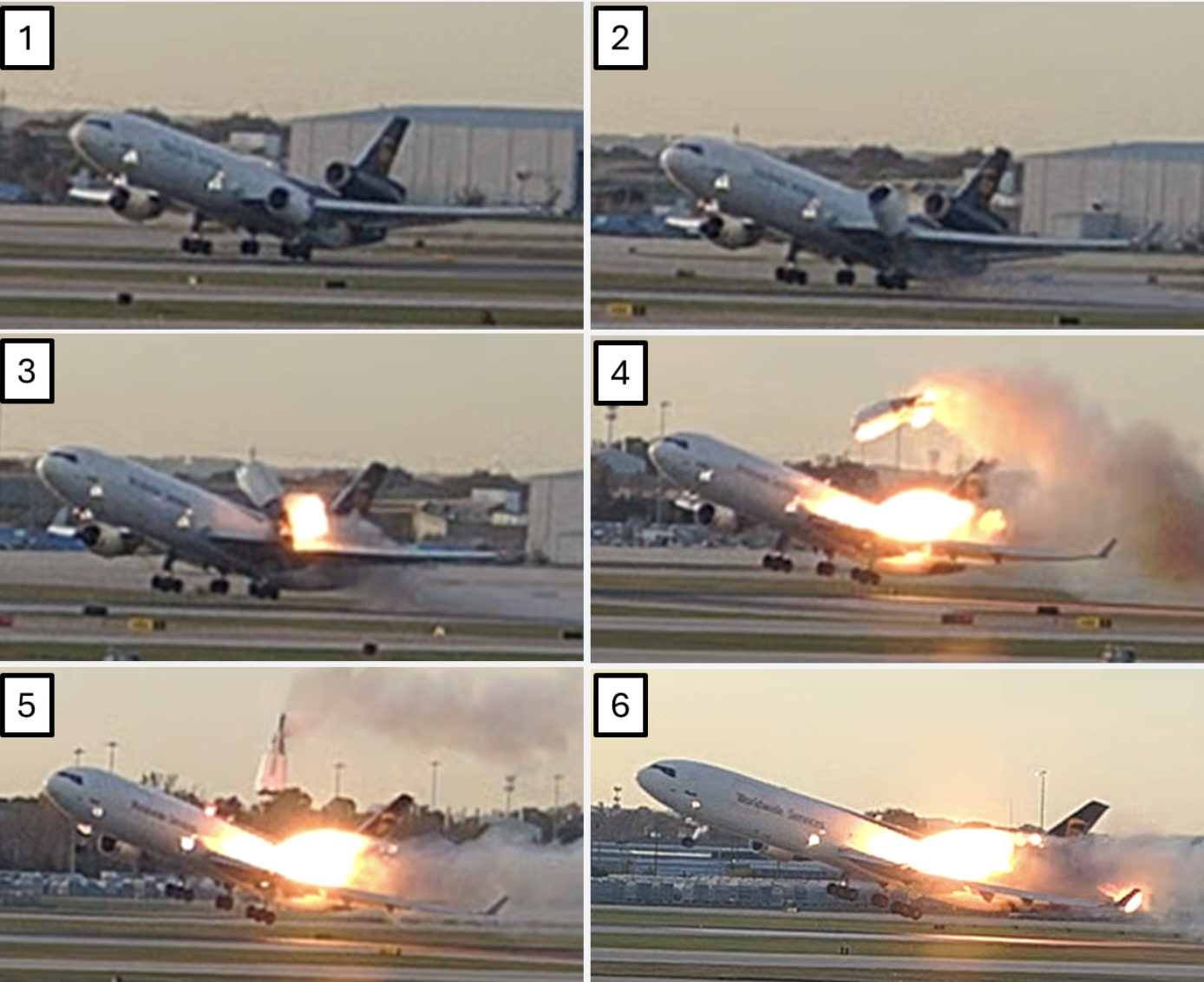
Both suits rely heavily on the NTSB's preliminary report, which found that fatigue cracks in a critical engine-mounting hardware led to the catastrophic failure of UPS Flight 2976 on November 4, 2025.
According to the NTSB report, the left engine separated from the wing of the MD-11F shortly after the plane rotated for takeoff from runway 17R around 5:14 p.m. "A fire ignited near the area of the left pylon attachment to the wing, which continued until ground impact," the report states.
The plane managed to clear the blast fence at the end of the runway but never climbed higher than about 30 feet above ground level, according to data from the flight data recorder. The left landing gear struck the roof of a UPS Supply Chain Solutions warehouse at the southern edge of the airport. The aircraft then hit a storage yard and two other buildings, including a petroleum recycling facility.
All three crew members aboard the plane were killed, along with 12 people on the ground. Another 22 people on the ground were injured.
 Shay McAlister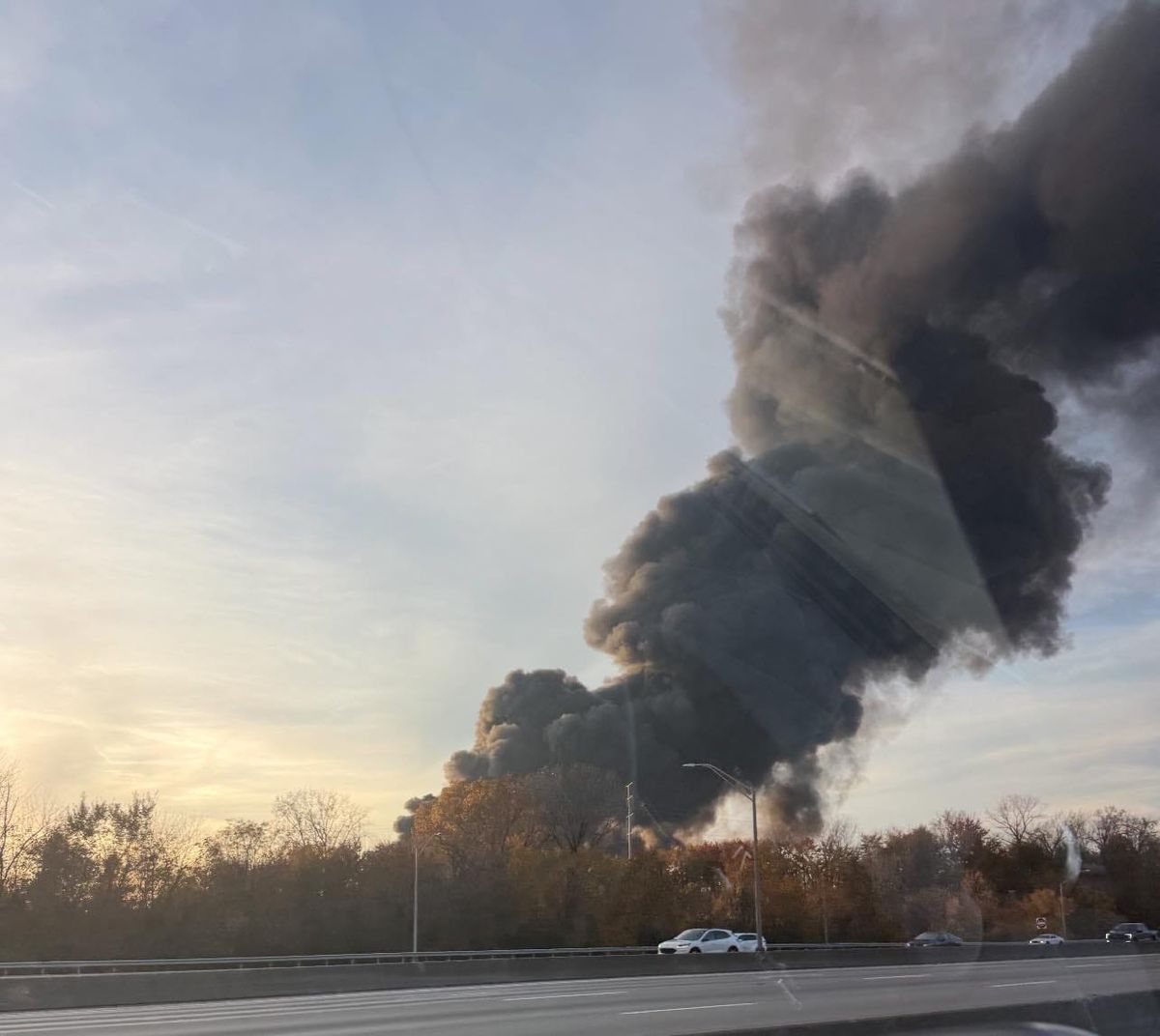
The lawsuits allege this type of failure was not unforeseeable. According to both filings, defendants were aware the MD-11 was susceptible to exactly this kind of pylon assembly breakdown- pointing to the 1979 American Airlines Flight 191 disaster in Chicago, which killed all 273 people aboard and was caused by a catastrophic failure of the left pylon mount assembly on a predecessor aircraft. Both that plane and the one that crashed in November were McDonnell Douglas designs; Boeing absorbed McDonnell Douglas in 1997.
The suits further allege that Boeing issued a service letter in 2011 warning MD-11 operators, including UPS, of the risk of bearing race failures, but did not change the inspection interval for the relevant components. According to the lawsuit, UPS knew more frequent inspections were needed but chose not to implement them because of cost, electing to keep the aircraft type on a standard maintenance schedule anyway.
At the time of the crash, the aircraft had logged 92,992 hours of flight time across 21,043 cycles.
The Fedon complaint also notes that according to the NTSB, an alarm bell was repeatedly sounding in the cockpit during takeoff roll, and alleges that the pilot, Richard Wartenberg- who also died in the crash- failed to respond appropriately to that warning.

The second lawsuit adds a business dimension to the devastation. The Garber family- who own Grade A Autoparts has not been able to reopen any aspect of their operation since November 4th. The complaint details how the crash destroyed structures and equipment, rendered other materials unusable due to jet fuel contamination and damage from the explosion, and cut off access to the property entirely during the extended investigation period.
Joseph Garber, the family member who was on-site when the plane came down, suffered physical and psychological injuries in the crash. Despite those injuries, the lawsuit says, he stayed and helped others until first responders arrived.
But the filing reveals a second crisis that compounded the first: an alleged failure by the Garbers' own insurance agent.
According to the complaint, the family had a longstanding relationship with Douglas Gordon, from Assured NL Insurance Services in Louisville, whom they trusted to advise them on their coverage. A proposal for their insurance policy, covering March 2025 to March 2026, included business interruption coverage. When they filed their claims after the crash, that coverage wasn't there, the lawsuit alleges.
The lawsuit says Gordon admitted the omission was his error. The complaint also alleges that Gordon incorrectly communicated the insured values on three of the completely destroyed buildings to the insurer, Berkley Specialty Insurance Company, resulting in the Garbers receiving less than the policy limits they believed they had. Gordon, the lawsuit says, admitted this as well.
Assured NL Insurance Services is also accused of interfering with the Garbers' compensation efforts in a separate way: the suit alleges the company contacted UPS directly to assert subrogation claims on losses it hadn't yet paid to its own clients, and accessed the crash site on the Garbers' property without their knowledge or consent.
Both lawsuits name the Allianz insurance group- which provides coverage for the UPS defendants- for alleged bad faith. According to both complaints, Allianz representatives told plaintiffs' attorneys the company's standard position is that cases like these will take three to six years to resolve. The lawsuits allege this was communicated even after Allianz had previously encouraged victims to submit documentation and delay filing suit in exchange for meaningful settlement talks. The plaintiffs went through mediation, the filings say, and Allianz made no good faith offers.
All fifteen lawsuits name United Parcel Service Co. (Air), United Parcel Service Inc., Boeing, General Electric, maintenance firm VT San Antonio Aerospace, the estate of pilot Richard R. Wartenberg, and multiple Allianz insurance entities as defendants. The Grade A Recycling case adds Assured NL Insurance Services and Douglas Steven Gordon.
A UPS spokesperson provided the following statement:
We remain deeply saddened by Flight 2976. Our focus continues to be on supporting those affected and working closely with the National Transportation Safety Board as the investigation continues.
There are not yet any court dates set in this case.
Like what you see? Learn more about Shay Informed here! This is honest journalism with compassion and clarity.