Immigration policy creates confusion for Kentucky families in the midst of international adoption
– 6 min read


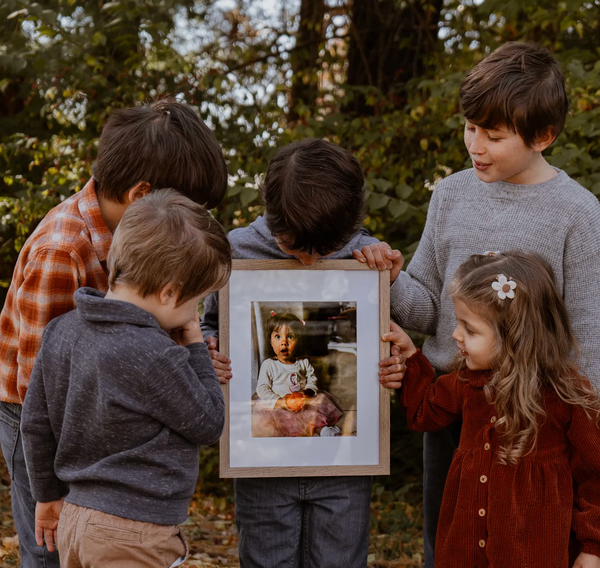
Adoption is timely, stressful and almost always requires a stroke of luck. But now families are facing a new hurdle- mixed messages from the White House about who is allowed in the country.
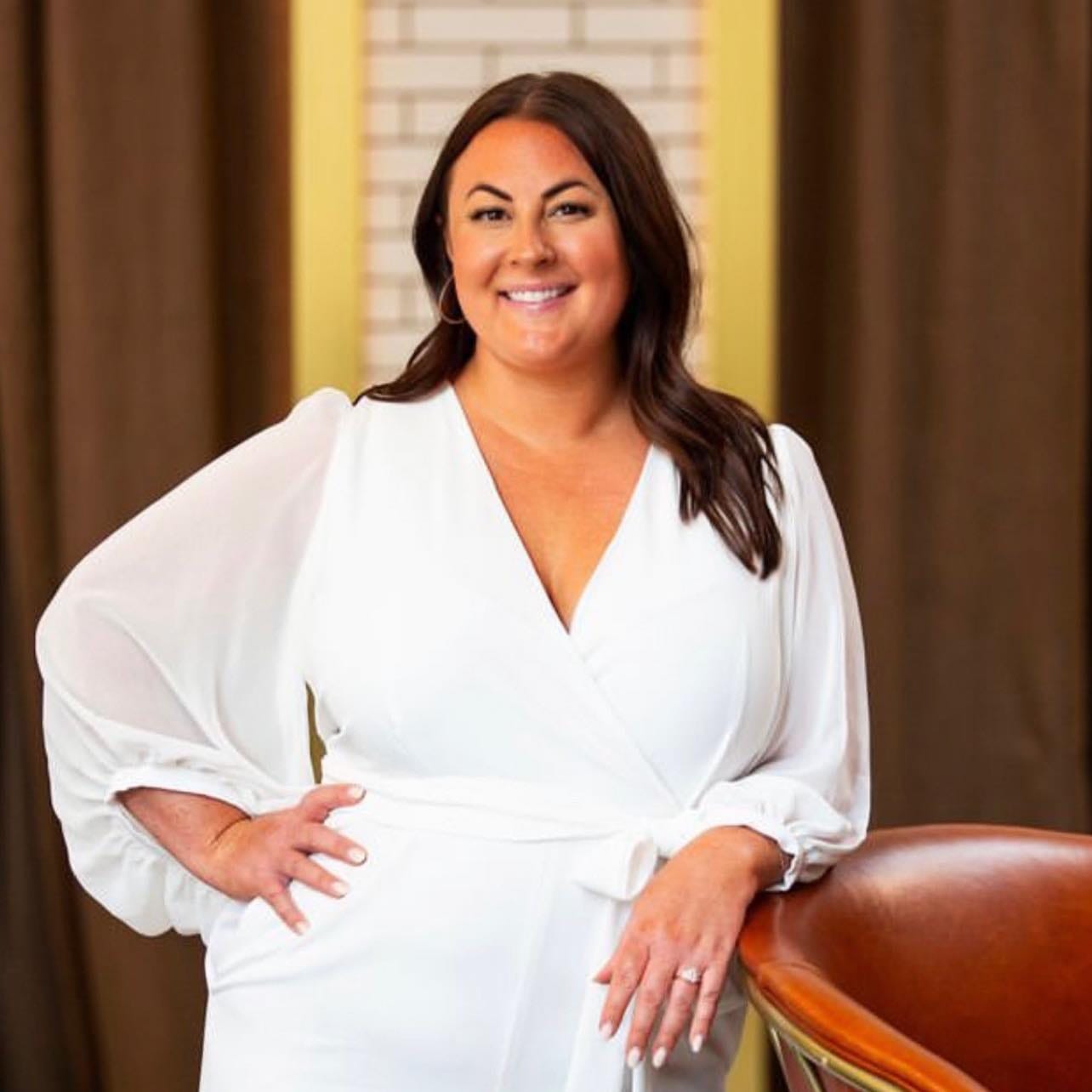
"I'm Shay McAlister, and this is Shay Informed: an independent, ad-free platform dedicated to honest journalism with compassion and clarity.
Are you new here? Sign up for the free weekly newsletter or subscribe to support our mission and access behind-the-scenes content, podcasts, and in-depth stories reserved for paid subscribers.
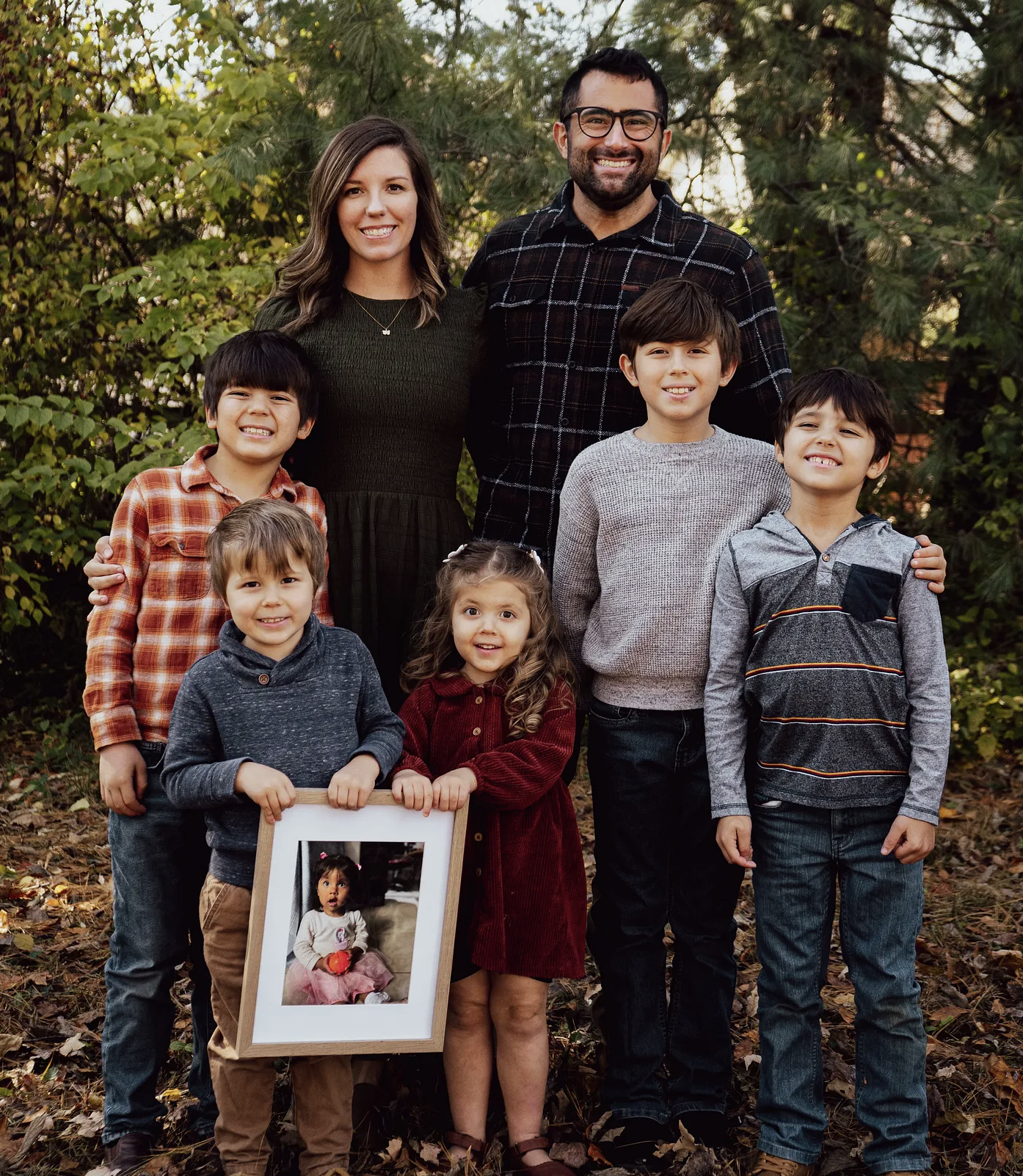
Joseph and Kennedy Abdelghany have spent the past year navigating mountains of paperwork, government approvals, and endless waiting to bring their daughter home from Colombia. They've done everything right, checked every box, submitted every form. Now, with nothing left to do but wait for Colombia's final approval to match them with their future daughter, a presidential proclamation that went into effect January 21st has thrown their adoption into limbo.
"At first, I think we're really hopeful, because we thought, this has happened before, but the administration has always put in an exception for adoptions internationally. So we were hopeful. And then when we got the news that the administration was not going to put an exception out for adoptions," Kennedy explained.
The proclamation paused immigrant visa processing from 84 countries, including Colombia. Historically, international adoptions have been exempted from immigration restrictions- adopted children aren't immigrating as potential public charges but as members of American families. But the White House announcement made no mention of any exemption for adoptions, stating flatly that "no immigrant visas" would be issued to nationals from the affected countries.
"It's frustrating to see a government not working towards the good of families," Kenned told me.
Two weeks later, adoption agencies received updated guidance from the State Department suggesting adoptions might qualify for exceptions on a "case-by-case basis." But the guidance uses conditional language- children "may qualify" for exceptions, not "will qualify"- offering uncertainty at a time when these families desperately need clarity.
"When you're dealing with adoption, if you start celebrating when no one's made any promises, you're liable to get your heart broken," Joseph told me.
The La Grange family already has five biological children. Adoption was something that had been on their hearts for years, inspired by their faith community's commitment to caring for orphans from around the world. When they saw a picture of their future daughter, a medically complex child waiting for a family in Colombia, they knew it was time.
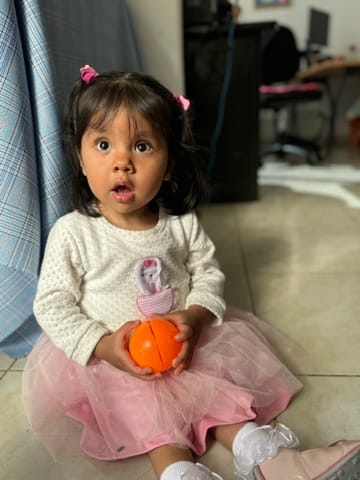
"When it comes down to it, there's a child that needs a home, we have a home that's healthy and stable," Joseph said.
Kennedy, who has shepherded the family through the intensive adoption process over the past year, worked tirelessly to complete every requirement. A few months ago, they had submitted everything needed on their end. All that remained was waiting for the Colombian government to approve the match.
Then came the news about the immigration pause.
Historically, international adoption visas have been exempted from immigration restrictions- precisely because adopted children are immigrating as members of American families who have already proven their financial ability to care for them. But the White House announcement made no such distinction this time.
The contradiction is stark: The White House says no immigrant visas will be issued. The State Department says adoptions may qualify for exceptions on a case-by-case basis.
It's that conditional language- "may qualify" rather than "will qualify"- and the case-by-case determination that's keeping the Abdelghanys up at night.
"It says parents of adopted children may qualify for an exception," Joseph explained, emphasizing the word "may." "They're certainly not saying they do qualify, but they might. What does that look like? What is the application process for an exception? I don't know."
The State Department guidance attempts to offer reassurance, stating that "no additional steps are required to request consideration under the National Interest Exception" and that "President Trump and his Administration support families and intercountry adoption." It encourages families to "continue the normal adoption process, including submitting visa applications and attending consular interviews."
But for families trying to parse government communications, the mixed messaging is maddening. The White House FAQ section explicitly states there are no exceptions beyond dual nationals. The State Department tells adoption agencies adoptions "may qualify" for exceptions but offers no guarantees. One says the door is closed. The other says keep knocking- maybe it will open.
For families who have invested years of their lives and tens of thousands of dollars into these adoptions, the uncertainty is agonizing. The irony isn't lost on them either: The White House framed this pause as preventing immigrants from becoming "a financial burden to Americans," yet international adoption requires prospective parents to prove extensive financial stability as part of the approval process. Adoptive families must demonstrate they can support their children without any public assistance.
For the children waiting for families- many of them medically complex and in need of specialized care available in the United States- every day matters.
"The majority of kids being adopted are medically complex," Kennedy noted. "Several countries only allow you to adopt kids with medical conditions. Every day really does count."
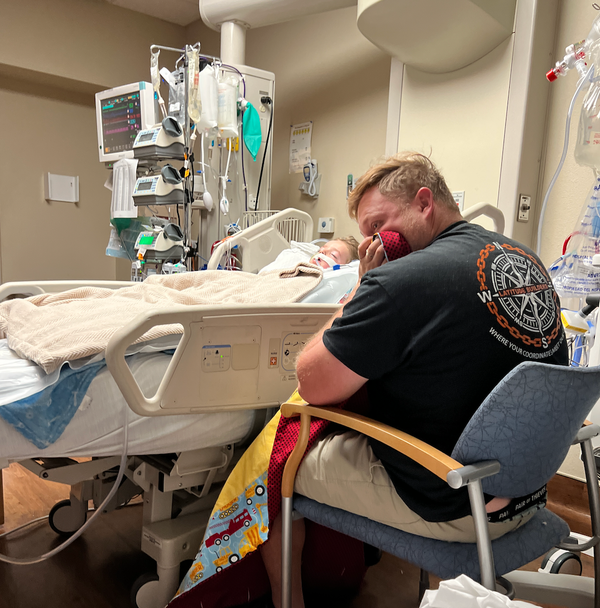
The child Joseph and Kennedy are adopting has been diagnosed with spina bifida, hydrocephalus, hip dysplasia, and a club foot. All medical issues they know they can treat once they get her to the US. But right now, in Colombia, she is living in a small village, without access to the kind of physical therapy she needs.
"The Lord has uniquely equipped our community and our lives to where we feel prepared," Kennedy said. Her husband Joseph added, "we have a great medical plan, and she would be able to get much better care here but time is of the essence."
The Abdelghanys are quick to clarify this isn't just about their family. Multiple families are caught in this same uncertainty, and they're asking their community to speak up. "When it affects something close to home like this, it really sobers you up," Joseph told me.
The National Council for Adoption has created an easy template people can fill out to send their lawmakers in Congress a note, requesting they ask President Trump to exempt adoptees from the travel ban.
He sees it as a clarifying moment in the broader national conversation about immigration.
"We need to figure out whether we're America and we welcome the stranger-that's part of our core identity as a country- or whether we are going to isolate under nationalism," Joseph said. "This has all been happening in the ether for a lot of people, but when it happens in an issue like this, it really clarifies things."
The Abdelghanys remain cautiously hopeful but realistic. The State Department guidance only came out on Wednesday, and their adoption agency forwarded it with no additional clarification, Kennedy noted, "because I think they're in the same spot. They're like, we don't know either."
The State Department guidance notes that "because overall visa volumes have decreased following the proclamation, many consular offices now have increased capacity to assist with adoption cases"- an ironic silver lining to the immigration pause that's created this uncertainty in the first place.
Joseph described the current administration's decision-making as "pretty erratic," making it hard to predict what will actually happen versus what's promised in guidance memos.
"Our adoption agency seems really pleased with the guidance, but I don't know- there seems to be a lot of language in the update that doesn't really make any promises to anybody," Joseph said. "I'm just not willing to start celebrating."
The fundamental question remains unanswered: When the White House says no immigrant visas will be issued and the State Department says adoptions are eligible for case-by-case exceptions, which policy actually governs? And who decides?
They're continuing to wait for Colombia's approval while simultaneously trying to understand whether their adoption will ultimately be treated as an exception under the current policy. In the meantime, they're asking their community for support in voicing opposition to the policy.
For families like the Abdelghanys, this isn't an abstract policy debate. It's about a child who needs medical care, a family that's ready to provide it, and a bureaucratic pause that could cost precious time.
"We will never stop," Joseph said with quiet determination. "We're going to get her here at some point."
Like what you see? Learn more about Shay Informed here! This is honest journalism with compassion and clarity.