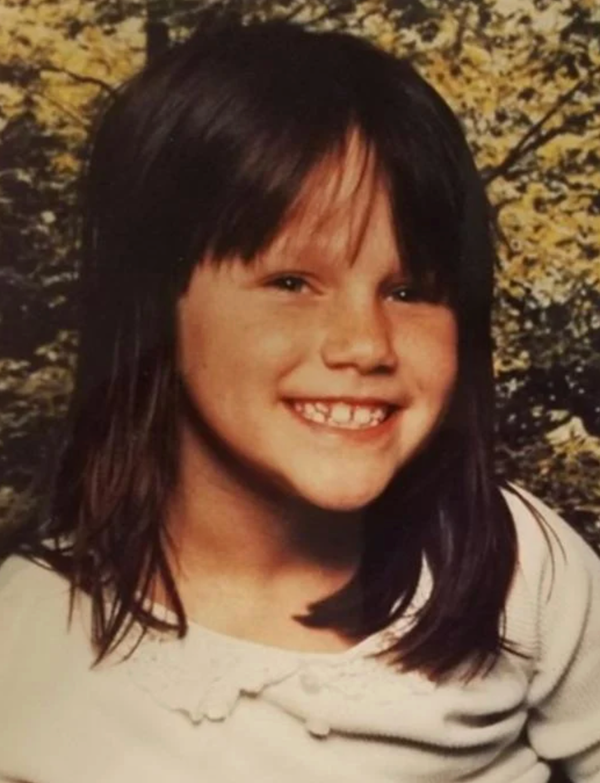
Kentuckiana kids are hungry; the reality of the stall in SNAP benefits

– 4 min read


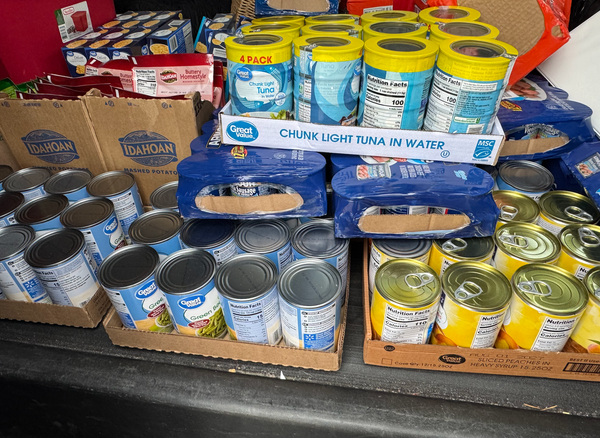
A local food program serving children added 750 families in four days. This is what hunger really looks like in our community.
"I'm Shay McAlister, and this is Shay Informed: an independent, ad-free platform dedicated to honest journalism with compassion and clarity.
Are you new here? Sign up for the free newsletter or subscribe to support our mission.
Ten years ago, Tracy Patton watched a school counselor hand out small Walmart bags to about twenty children at a local elementary school. When she asked what was in those bags, the answer changed her life: "That's the food we give them to get them through the weekend."
That moment of recognition- the sudden awareness that children in her own hometown were going hungry- led Patton to start REACH Food Program. She printed a simple flyer with her cell phone number and a promise: if you need food this summer, call.
The next morning, the sweetest little voice she'd ever heard called to order a cheese sandwich.
Today, that same cell phone number is printed on delivery vans and volunteer shirts. It rings constantly. And this past week, it rang more than Patton could have ever imagined.
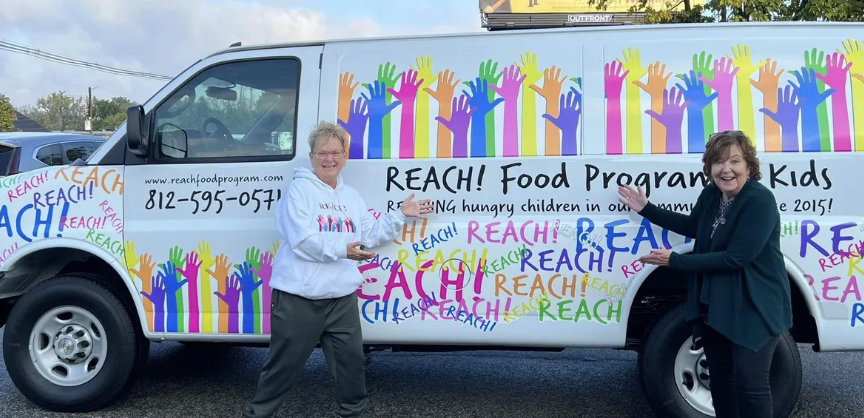
"This past week, our new intakes were coming in like every 30 seconds," Patton tells me, her voice carrying the weight of what she's witnessed. "I kid you not."
In just four days, 750 new children entered the program.
The shelves that volunteers stock each morning are empty by day's end. Patton and her team are shopping every single day, loading vans with whatever they can find at Walmart, rushing to keep up with a need that's growing faster than donations can come in.
"The food goes out much faster than it comes in," she says simply.
There's a perception about people who use food assistance- a narrative that some are gaming the system, taking advantage of programs meant for those in true need.
But REACH delivers food directly to doorsteps. Patton sees these families. She knows their stories.
She says it's grandparents on fixed incomes who've taken in four or five grandchildren to keep them out of foster care. Their Social Security checks stretch impossibly thin, covering kids they never expected to raise again. Their situations won't change. The need won't go away.
There's the single dad with four teenage boys, working full time but calling REACH with apologies in his voice. "By the time I pay my mortgage and the electric bill and all these other bills, food is always last," he told Patton. "Have you ever tried to feed four teenage boys? I'm sorry. I hate to use you, but I wouldn't call if I didn't need you."
These aren't people looking for a handout.
At one elementary school, a little boy was having an especially difficult day. He was out of control, running around, acting unlike himself. When they finally got him to the principal's office, he broke down crying.
"I'm hungry," he said. All of the behavior problems traced back to an empty stomach.
This is what hunger looks like in our community. It's not people wanting handouts or trying to beat the system. They are people making impossible choices between keeping the lights on and feeding their children.
Kentucky declared a state of emergency and sent $5 million to local food banks after SNAP benefits were cut. REACH, despite serving children across southern Indiana, Louisville, and receiving calls from as far as Tennessee and Arkansas, hasn't received any of that funding.
They're doing this the old-fashioned way: food drives, donation boxes in local businesses, volunteers shopping with their own money, and generous individual donors handing over personal checks.
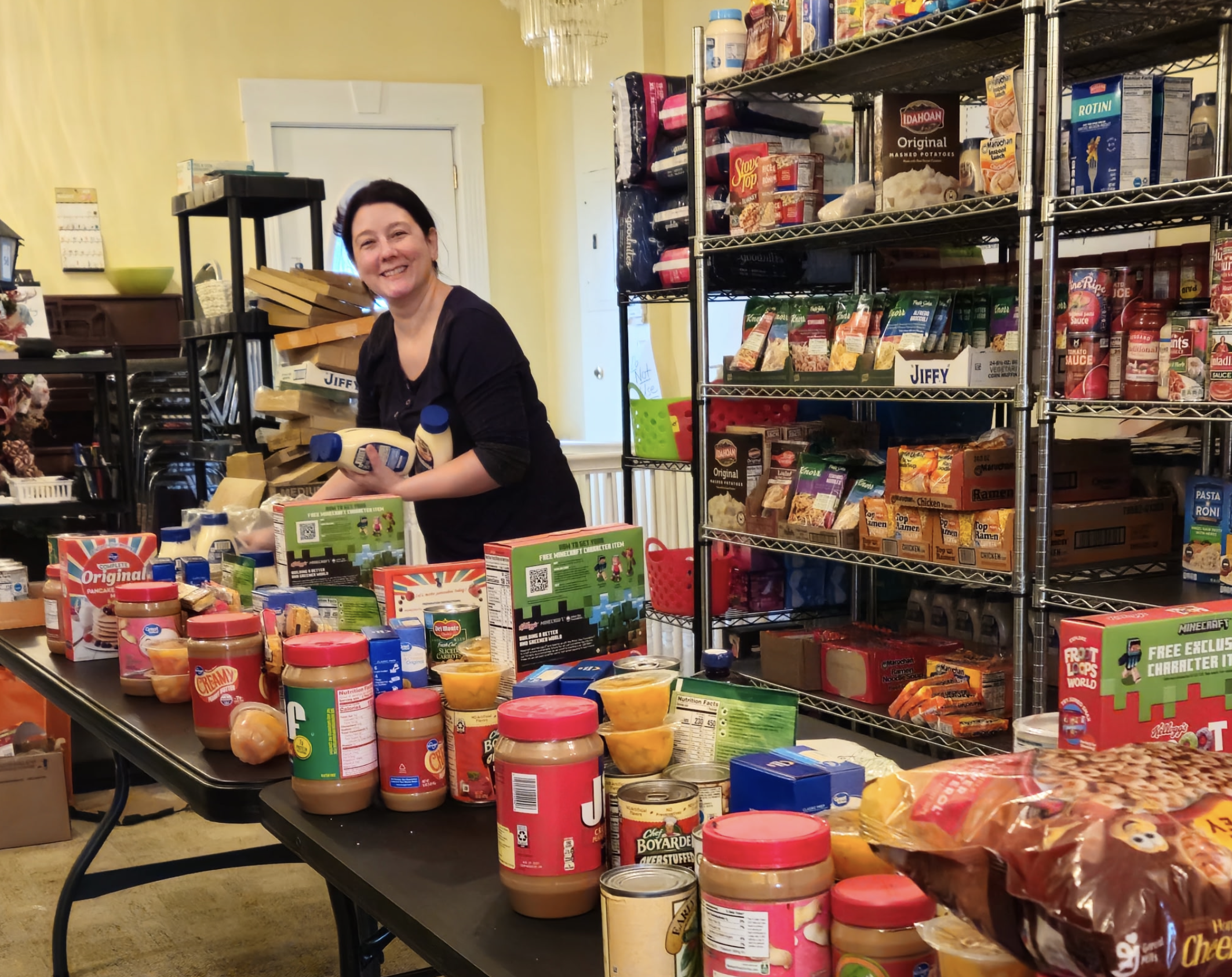
When I ask Patton what gives her hope, she doesn't mention the government or the system or any expectation that things will get better.
"My hope comes from the people who keep our organization going," she says. "The volunteers, the donors. I think things are going to get worse, but my hope is that we will just pull together as a team and get these kids fed no matter what."
The U.S. Department of Agriculture, which operates SNAP, told states Friday afternoon that it was working toward paying full November SNAP benefits.
This came after a judge ordered the Trump administration to fully fund the SNAP program during the government shutdown.
But the White House has pushed back, arguing the money is needed to pay for child nutrition programs known as WIC.
The legal battle happening behind the scenes is complicating families' access to a simple necessity- food.
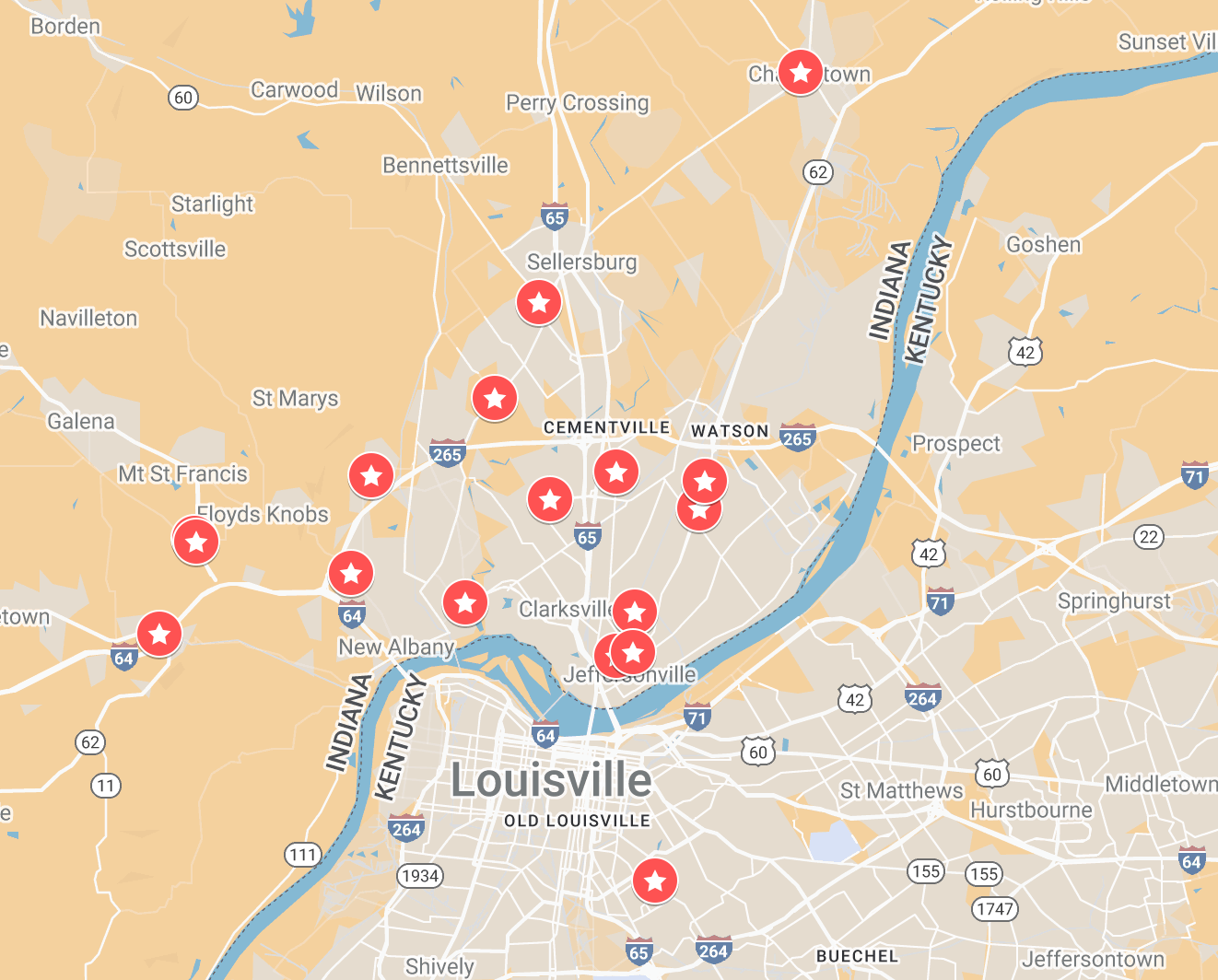
Volunteers to drive deliveries to children in southern Indiana and the Louisville area. Sign up here!
Food donations of any kind- every can of corn, every jar of peanut butter, goes directly to a child's table. There are drop off locations across Southern Indiana and Louisville. Find your closest one here!
Amazon purchases from their wish list (search "REACH Food Program") for those who want to help but don't have time to shop.
Monetary donations to allow Tracy and her team to keep shopping every single day when the shelves are bare. Find the nonprofit's Venmo here.
The need isn't going away. If anything, it's accelerating. Every thirty seconds, another family reaches out for help.
The question isn't whether children in our community are hungry. We know they are. It's how we as a community, stand together and help!
Like what you see? Learn more about Shay Informed here! This is honest journalism with compassion and clarity.