Robert Froberg expected to plead guilty this week in Morgan Violi's murder
– 6 min read


Nearly 30 years after her kidnapping, a change of plea hearing is set for Wednesday- the case now one step closer to seeing justice.
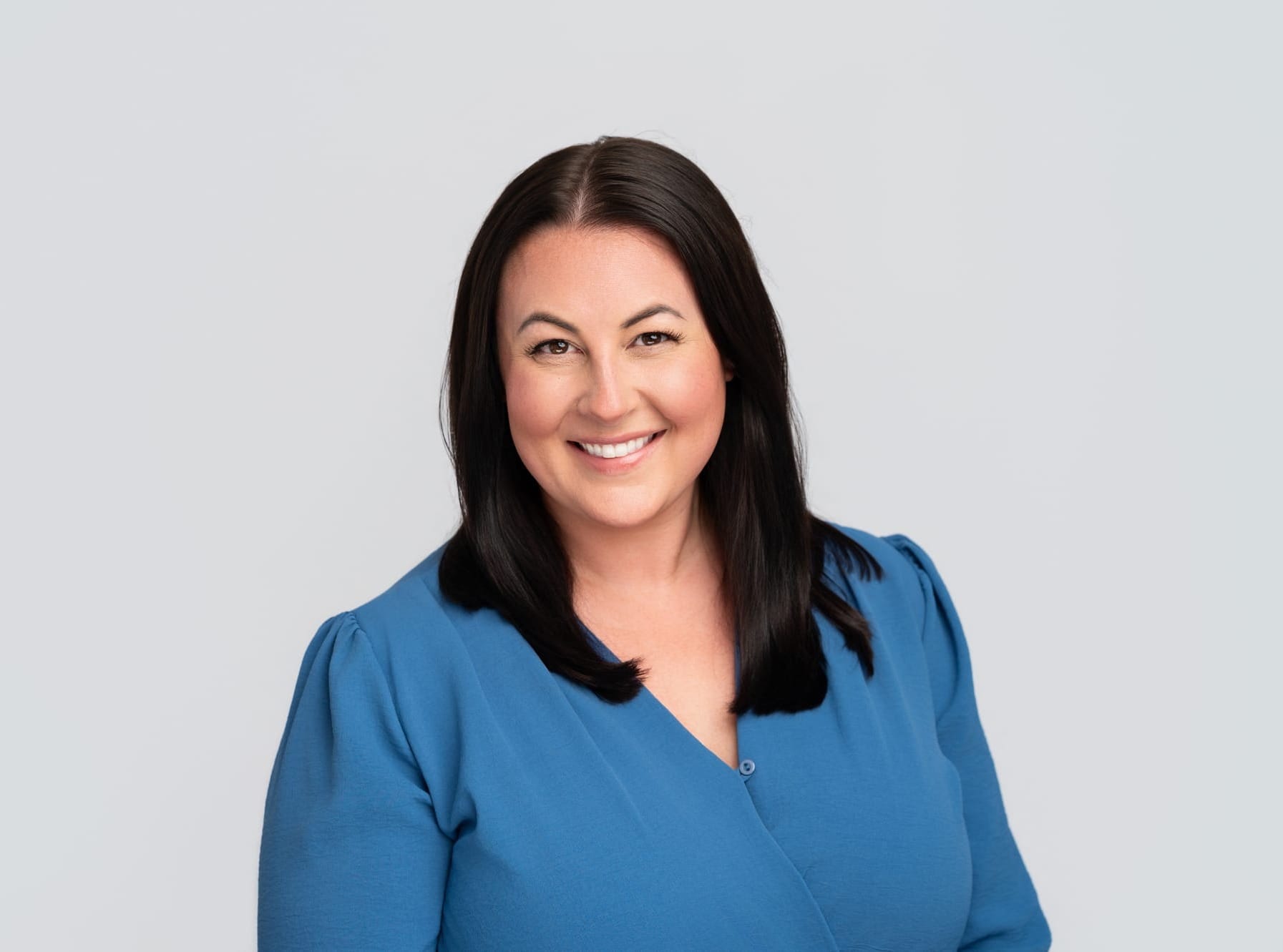
"I'm Shay McAlister, and this is Shay Informed: an independent, ad-free platform dedicated to honest journalism with compassion and clarity.
Are you new here? Sign up for the free weekly newsletter or subscribe to support our mission and access behind-the-scenes content, podcasts, and in-depth stories reserved for paid subscribers.
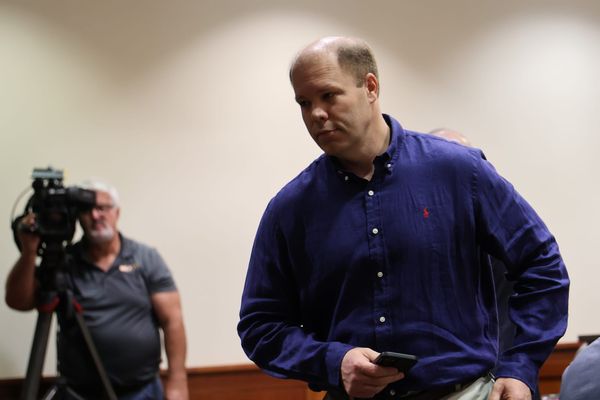
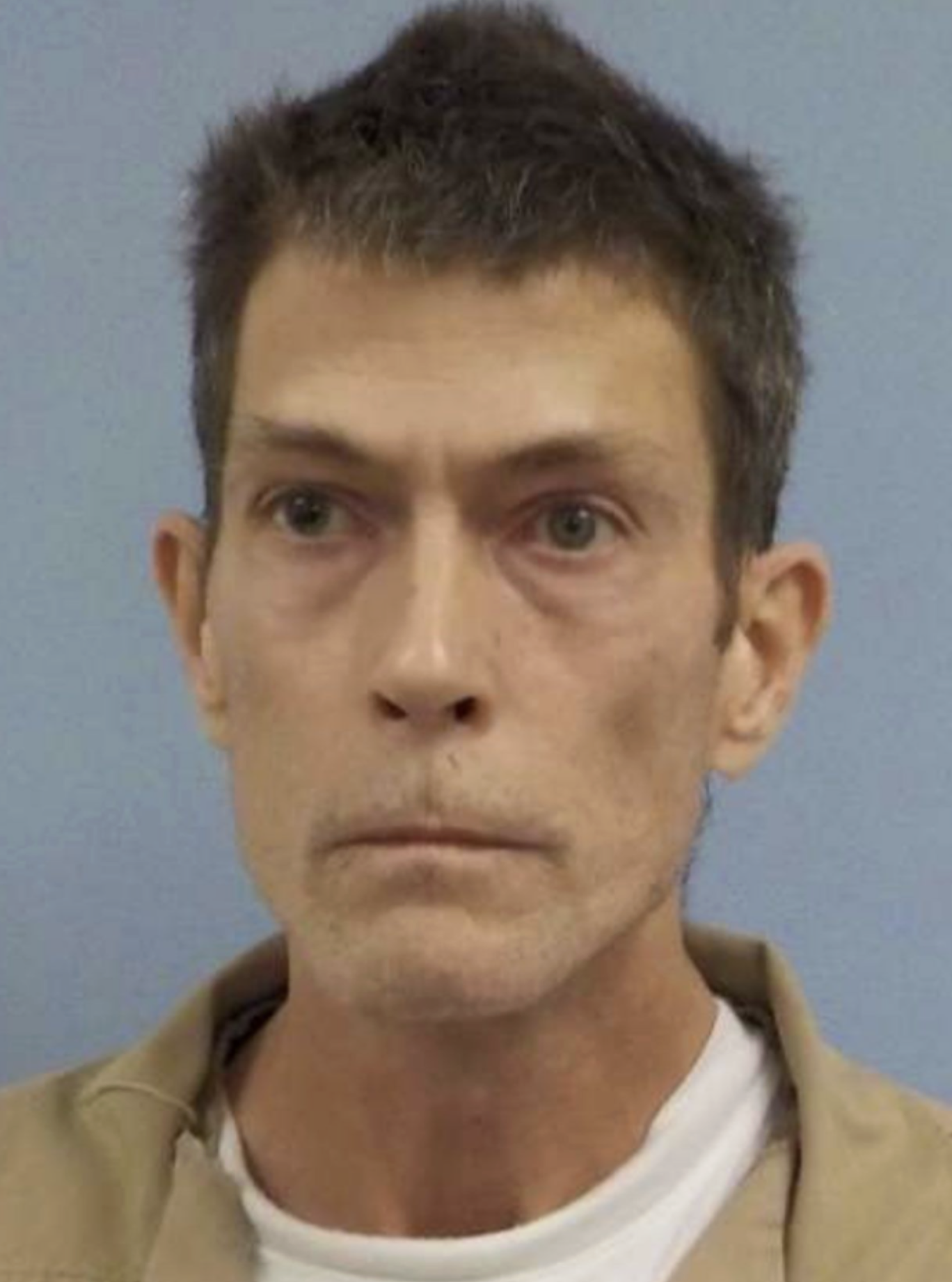
Robert Scott Froberg is expected to plead guilty this week to the kidnapping and murder of seven-year-old Morgan Jade Violi, according to federal court records.
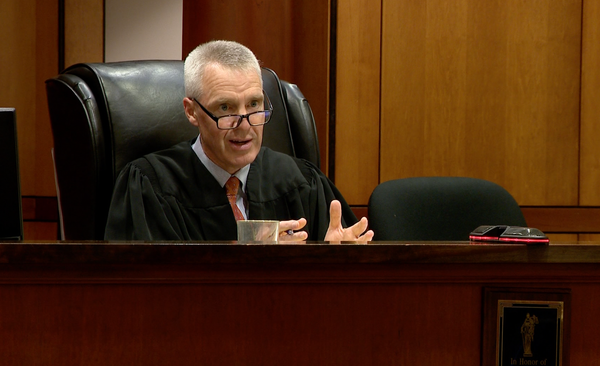
Judge Greg N. Stivers has converted a previously scheduled hearing into a change of plea hearing, set for Wednesday, July 22, at 2:30 p.m. in Bowling Green. The order, entered Monday, came just days after attorneys on both sides held a telephonic hearing on July 16.
A hearing originally just listed as a "further proceeding"- was converted to a change of plea hearing this week.
In federal court, that specific language matters. A change of plea hearing means the defendant intends to withdraw a prior plea and enter a new one- in this case, moving from not guilty to guilty. Courts don't schedule these hearings unless a plea agreement is already in place or expected to be finalized in court.
If Froberg does plead guilty this week, it would close the loop on a case that has haunted Bowling Green and much of Kentucky for nearly three decades- and it would come almost exactly 30 years after Morgan was taken from the parking lot of her apartment complex on July 24, 1996.
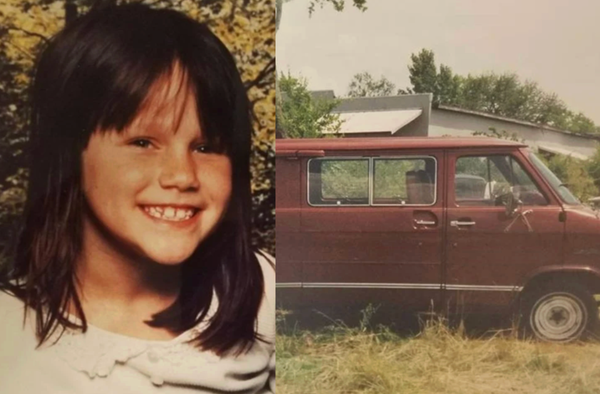
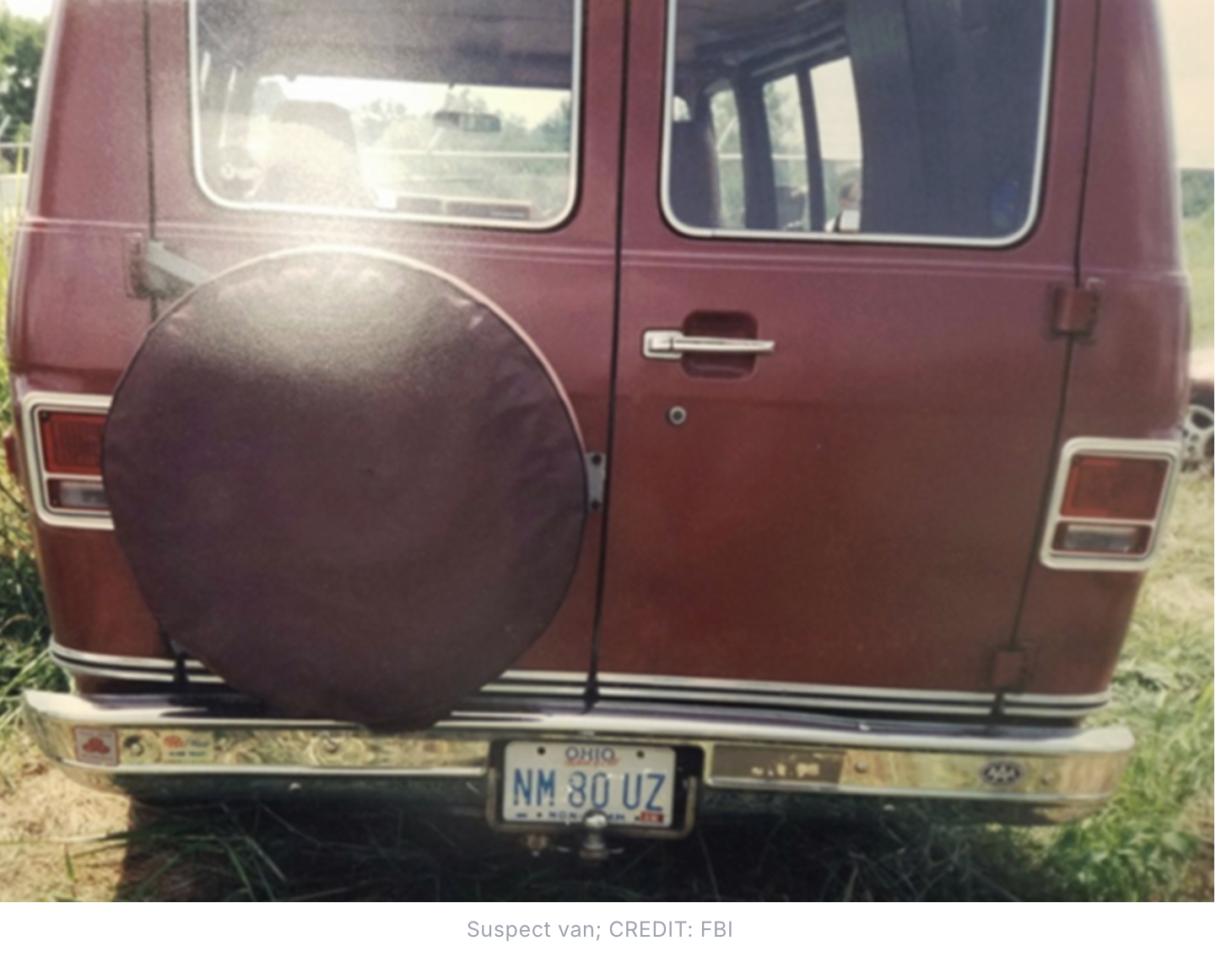
For the better part of 30 years, no one knew who took Morgan. Witnesses saw a white man grab her from the Colony Apartments parking lot, throw her into a maroon Chevrolet van, and speed away. The van, stolen out of Dayton, Ohio, was recovered two days later at a truck stop south of Nashville. Three months after her abduction, Morgan's remains were found in the woods in White House, Tennessee.
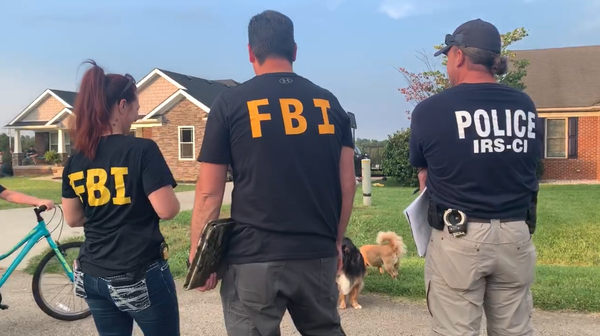
Then, in February, everything changed. According to the federal complaint, a hair recovered from the abandoned van decades earlier was retested using advances in forensic DNA technology. It returned an association with Froberg, who was already serving a lengthy sentence in an Alabama prison.
Investigators worked backward from there. Froberg had escaped from jail in April 1996. He was arrested in Pennsylvania, then escaped again. He made his way to Dayton, Ohio, stole a van near his parents' house, and drove south on I-65. He exited in Bowling Green. He saw Morgan playing outside. He took her.
According to the complaint, when investigators recently interviewed Froberg, he confessed- telling them he drove Morgan into Tennessee and strangled her.
"Morgan Violi's family never gave up on her, and neither did the Bowling Green community or its law enforcement community," US Attorney Kyle Bumgarner said at the February press conference. "For years, this community has feared that Morgan's abductor lived silently among us and that one of our kids could be next. Investigators in the FBI and the Bowling Green Police Department have worked tirelessly to bring justice for Morgan. They applied new technology, reexamined old evidence, and never stopped searching for the truth."
Froberg was charged in February. He pleaded not guilty in April. If Wednesday's hearing goes as the court record suggests, that plea is about to change.
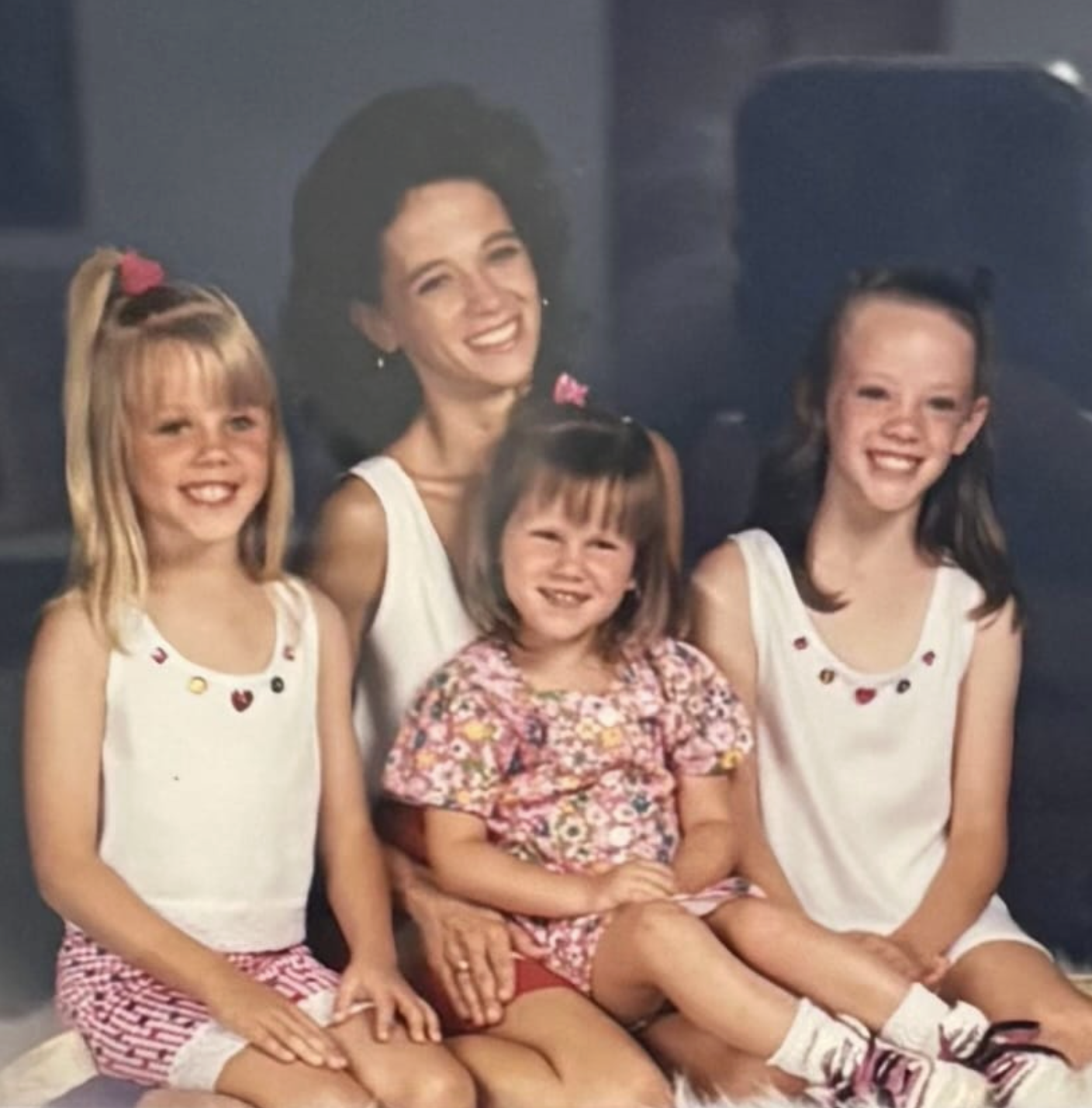
What makes this moment especially significant is the timing. Just weeks before Froberg was charged, I sat down with Morgan's mother, Stacey Pulliam, and her sisters, Nikki Britt and Heather Coleman, for their first in-depth interview together as a family. They didn't know an arrest was coming. They only knew that after 30 years of carrying their grief largely in silence, they were finally ready to talk.
Nikki was 10 years old the day Morgan was taken. She remembers riding her bike past the van minutes before the abduction- remembers the man waving, and her and her friend waving back, "because we're polite little kids", she told me. She remembers details of the van's interior that would later help investigators: a couch-like bench along the walls, a table in the middle, upholstery like her grandparents' furniture.
Heather, then 11, heard Morgan scream. She looked up in time to see the van door closing- and the man smiling as he drove away.
"I look out and there was a man- the door was closing, like closed, and he's just sitting there smiling, you know," Heather told me. "And then he just backs up like he's supposed to and takes off."
For three months, the family didn't know if Morgan was alive. Stacey remembers being at work when a detective came to tell her they'd found remains. She remembers the FBI agent's careful, halting delivery of the news. She remembers, weeks later, buying her daughter's casket for what would have been Morgan's eighth birthday.
"This person just didn't take Morgan's life," Stacey told me. "The damage this person has done to our lives is unmatched."
For nearly 30 years, the family lived with theories but no answers. Nikki believed the abduction wasn't random- that someone had been watching, waiting.
"He had been there from the time we were outside," Heather said during our interview. "He was waiting."
According to the federal complaint, they were right. Investigators say Froberg had been in Bowling Green, driving through, when he spotted Morgan playing at her apartment complex and decided to take her.
Near the end of our conversation, Nikki- who had spent years collecting her own information about the case and now sits on the board of a cold-case advocacy group- told me she hadn't given up hope.
"It will happen," she said. "It will."
Weeks later, Froberg was arrested. And now, if this week's hearing proceeds as expected, he may formally admit to killing Morgan.
A guilty plea would not immediately resolve the question of Froberg's sentence. Kidnapping resulting in death carries only two possible outcomes under federal law: life in prison or the death penalty. A federal judge determines the sentence after considering statutory factors and sentencing guidelines- a process that, even after a guilty plea, can take additional time.
The court has already scheduled a telephonic proceeding for September 16, suggesting the case is far from fully closed even if Froberg does change his plea this week.
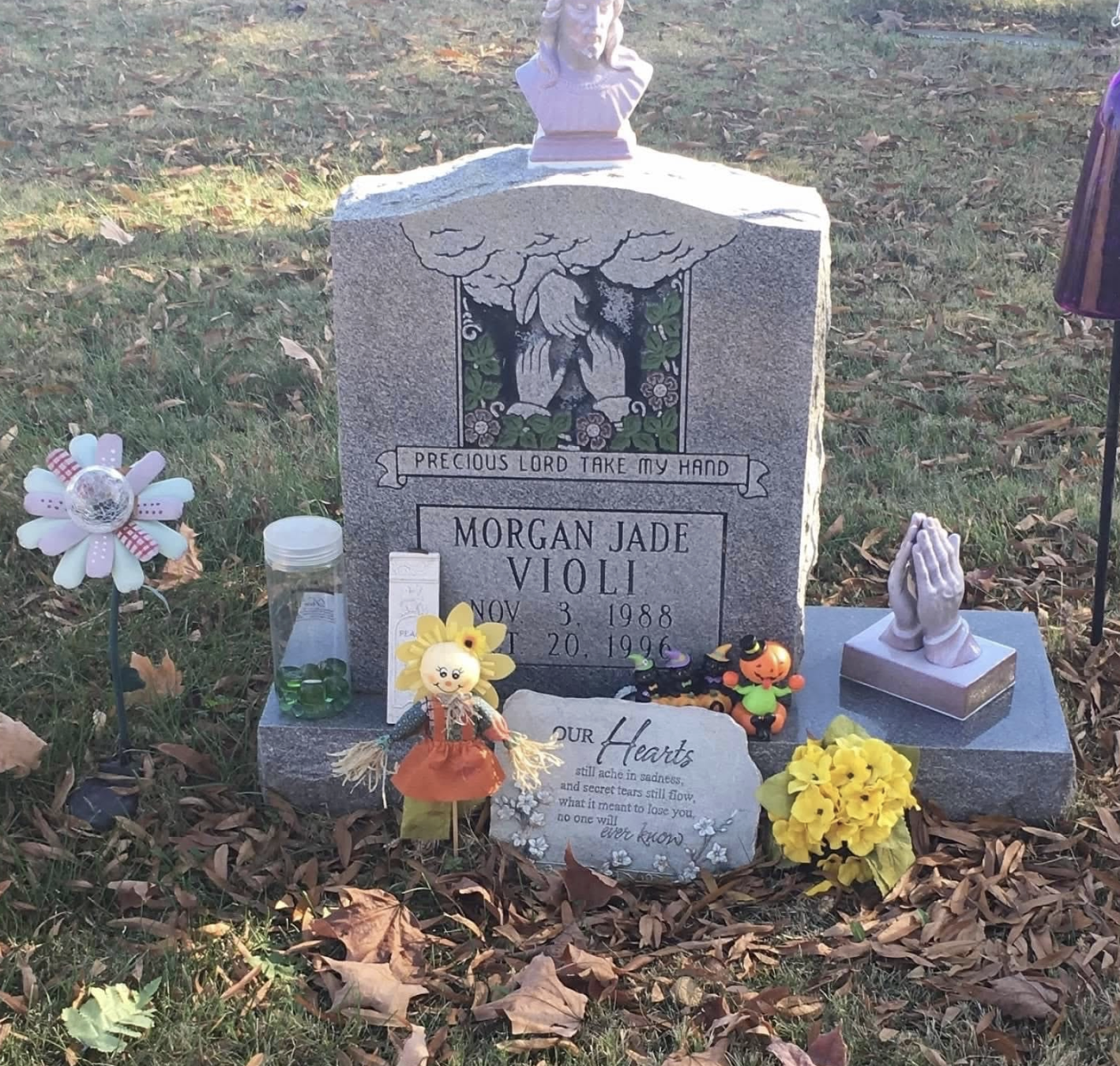
Late last year, I sat down with Morgan Violi's family- together, on the record, for the first time ever. They shared what happened that day, and the painful 30-year fight for answers since. Hear their full story now on One More Question with Shay McAlister. Paid subscribers can add the podcast to their library now.
Like what you see? Learn more about Shay Informed here! This is honest journalism with compassion and clarity.