Federal trial delayed for so called 'Kentucky Serial Killer'

– 5 min read


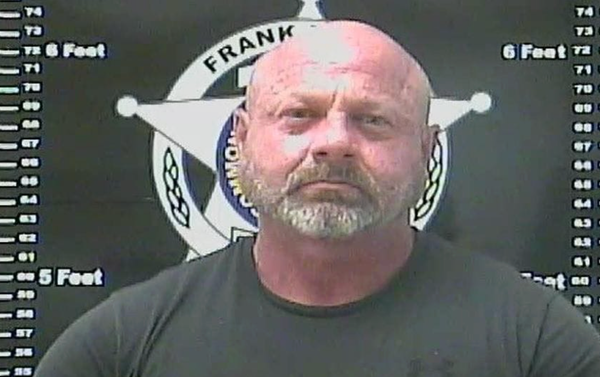
Attorneys for Brian Epperson requested that the judge grant a motion for a trial continuance, postponing a trial scheduled to begin on February 2nd.
"I'm Shay McAlister, and this is Shay Informed: an independent, ad-free platform dedicated to honest journalism with compassion and clarity.
Are you new here? Sign up for the free weekly newsletter or subscribe to support our mission and access behind-the-scenes content, podcasts, and in-depth stories reserved for paid subscribers.
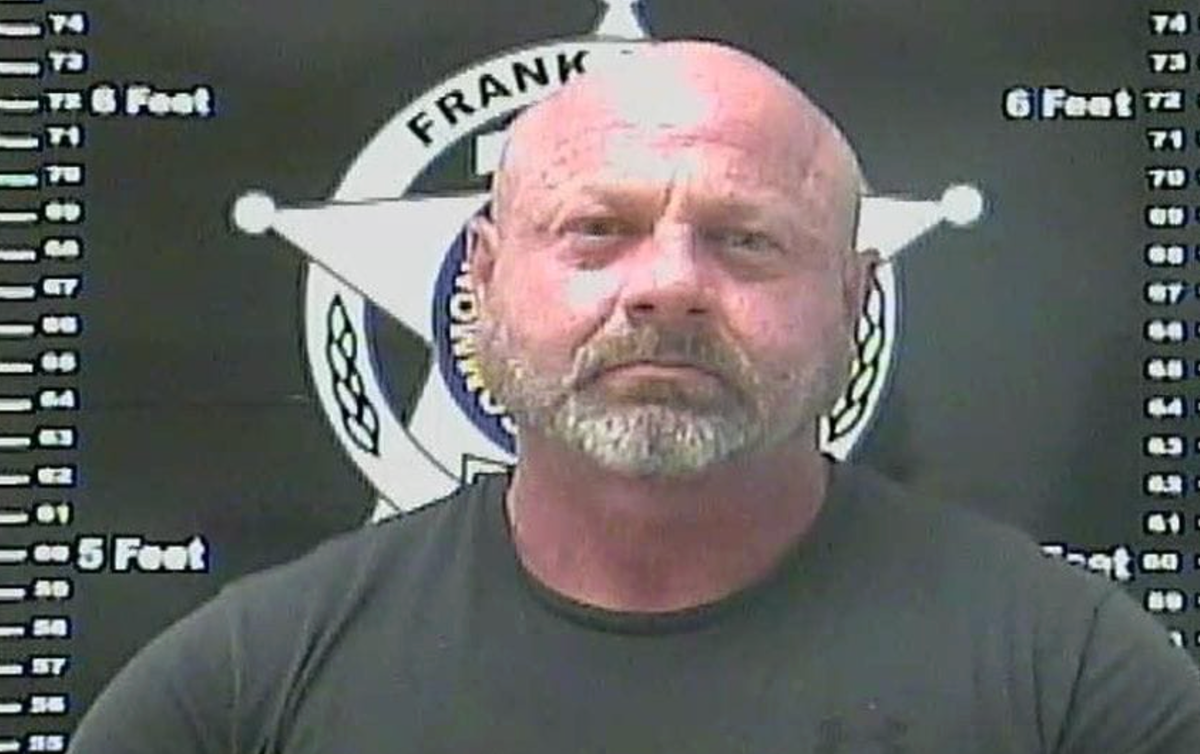
The federal trial for Brian Phillip Epperson, who faces charges in connection with two fatal methamphetamine overdoses, has been delayed after his defense attorney requested additional time to review what she describes as "significant" and "complex" discovery materials.
Epperson's trial was scheduled to begin February 2, 2026, but his attorney, Rachel Yavelak of Baldani Law Group, filed a motion on January 12 requesting at least a 90-day continuance. The judge granted the motion, and rescheduled the trial for May 6th at the federal courthouse in Lexington.
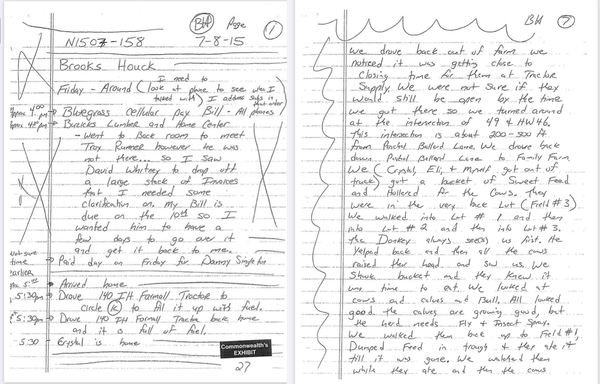
In the motion, Yavelak cited the extensive amount of evidence that needs to be reviewed, including numerous audio and video files, Cellbrite data from mobile devices, and complex medical and forensic information. She emphasized that Epperson needs adequate time "to fully review and to comprehend the evidence, his options and the consequences/benefits of any decision he makes."
"With the amount of discovery to review, especially with medical information, it would be a miscarriage of justice for such a continuance not to be granted as Mr. Epperson's understanding is vital to justice being served," Yavelak wrote in the filing.
The motion also revealed that preliminary discussions about a potential plea agreement are taking place between the defense and federal prosecutors. Yavelak indicated that if the parties can resolve the matter without trial, she doesn't want her client to lose any sentencing reductions for acceptance of responsibility under federal guidelines.
"It is possible, once everything has been reviewed, that the parties may be able to resolve the matter without the need for trial," the motion stated.
The defense attorney also noted that some witnesses still need to be located, with at least one appearing to be in another state. Additionally, some evidence may require testing, and an expert witness may need to be retained.
Yavelak confirmed that she discussed the continuance request with Epperson during a visit, and he agreed to the delay. She also consulted with the Assistant U.S. Attorney handling the case before filing the motion.
 Shay McAlister