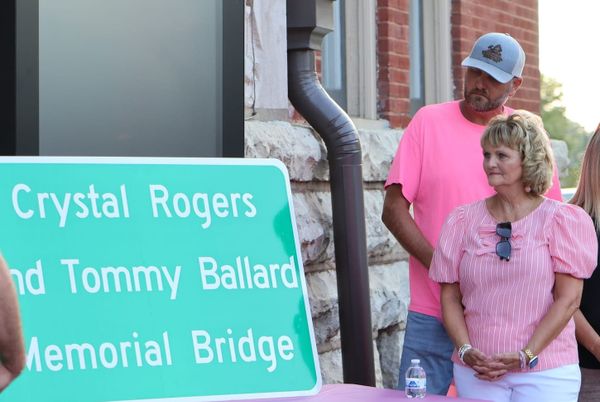
"That's just an incentive to run": A family's fight for accountability after hit-and-run death

– 6 min read


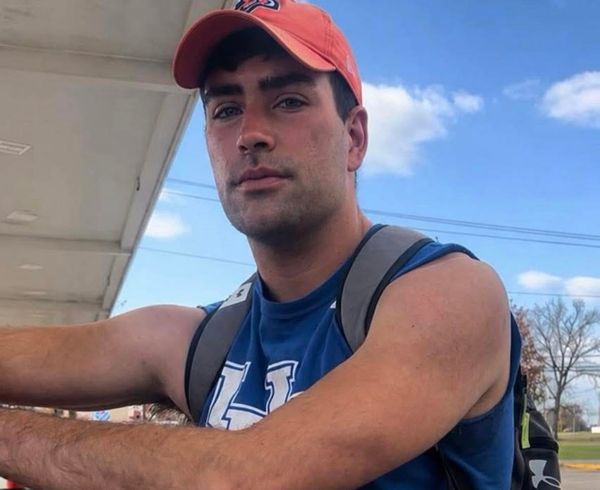
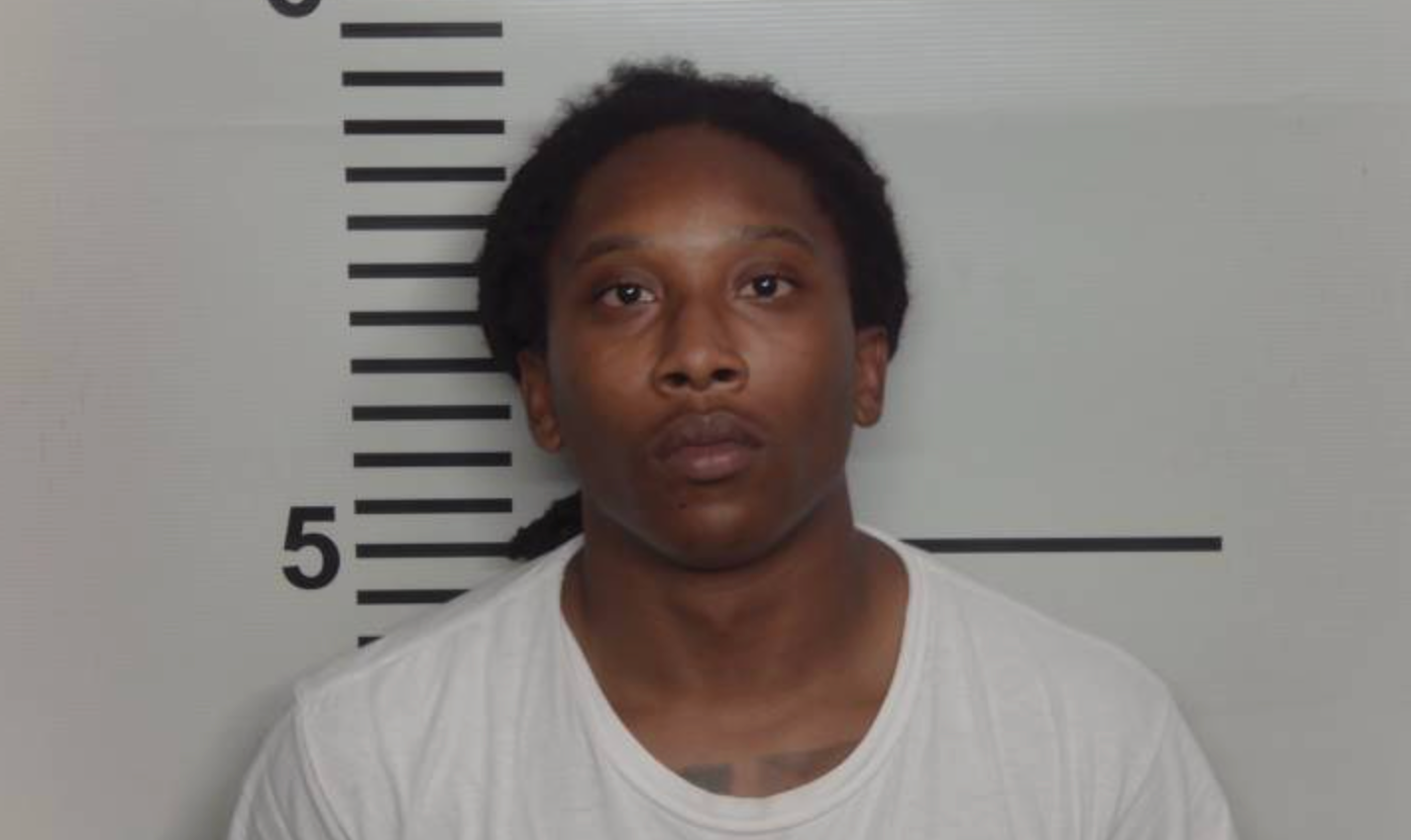
The accused hit-and-run driver- Aldwin Jackson- faces two Class D felonies, and up to ten years if convicted and fully penalized on both. The victim's father says that's not enough.
"I'm Shay McAlister, and this is Shay Informed: an independent, ad-free platform dedicated to honest journalism with compassion and clarity.
Are you new here? Sign up for the free weekly newsletter or subscribe to support our mission and access behind-the-scenes content, podcasts, and in-depth stories reserved for paid subscribers.
Last week, Jason Troutman got the call he'd been waiting for: police had finally arrested the man they believe hit and killed his 27-year-old son, Adam, then drove away and left him in a ditch. But relief didn't come with it. Instead, Jason Troutman is left with a list of questions- about a three-month delay, a bond he calls too low, and charges he doesn't believe go far enough- that he says no one has adequately answered.
Police arrested Aldwin Jackson on Friday and charged him with leaving the scene of an accident/failure to render aid resulting in death or serious physical injury, and tampering with physical evidence- both Class D felonies carrying a sentence range of one to five years each.
Jackson was initially held on a $250,000 bond, which was lowered in court to $50,000. He bonded out with 10-percent of that ($5,000) within 24 hours of his arrest.
"He literally only had to pay $5,000 to get out of jail for killing somebody, and that's a joke," Jason Troutman said.
According to the police complaint, Adam Troutman was walking along Vaughn Mill Road near Briscoe Lane in Highview on the night of April 16th when a vehicle hit him and knocked him into a roadside ditch. The driver did not stop.
A passing motorist spotted Adam in the ditch and called police and EMS. He was pronounced dead at the scene.
Jason Troutman said his son was starting a new job the next morning and never showed up. His family spent hours trying to reach him before a deputy coroner answered his phone. Adam's mother was on the other end and asked the coroner to call Jason. When Jason picked up, the coroner asked whether Adam had ever had his appendix removed- a detail that told Jason, before anyone said it outright, that his son was dead.
"I was like, oh my god, my son's dead," Jason remembered.
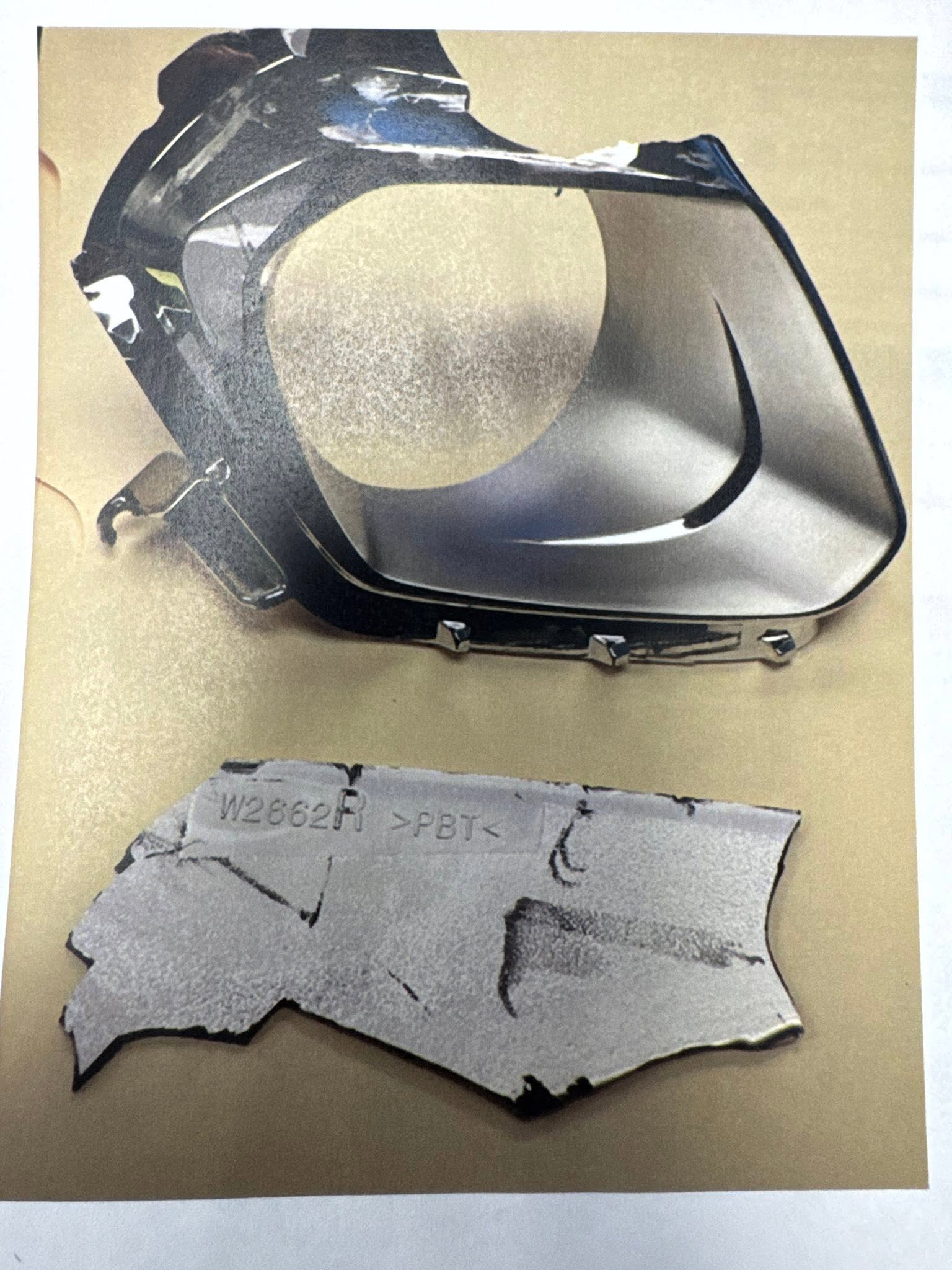
Police say broken vehicle debris left at the scene- including a headlight assembly- allowed them to narrow the vehicle down to a 2016 or 2017 Chevy Equinox. That detail went out to the public within days.
Jason said a tip then came into the family and they quickly called the detective on the case.
"Adam's funeral was on April 23rd, which was one week after he died, and that's the day the Detective called me at the funeral home and told me that they had the guy's car impounded and they had his phone," Jason told me. "The detective said he was 99% sure it's him."
The police memo states that surveillance camera footage showed Jackson's vehicle without damage the day before the crash, and with a broken headlight and cracked windshield the day after. Investigators say Jackson requested a new windshield through his insurance the same night of the crash, and that he and another person later repaired the headlight- both before police recovered the vehicle and in an effort to "hide" the evidence.
Many people who saw news of the arrest assumed Jackson would face vehicular homicide or a charge more closely resembling "hit-and-run" as it's commonly understood. Neither applies here, and the reason comes down to how Kentucky's law is written.
Kentucky doesn't have a standalone "hit-and-run" statute in the way some states do. What Jackson is charged with- leaving the scene of an accident and failing to render aid resulting in death or serious physical injury- is the state's version of that charge, and it's a Class D felony.
Vehicular homicide is different, and far narrower. Under Kentucky law, it generally applies when a death results from someone driving under the influence of alcohol or drugs. Without evidence of impairment, prosecutors don't have the legal basis to bring that charge- and because Jackson fled the scene rather than staying, no blood alcohol or sobriety test was ever administered.
Jason said that gap has weighed on him since he learned about it.
"The Kentucky vehicular homicide law can only be applied if you can prove someone was intoxicated," he said. "Well, my gosh, you can never prove it if they flee. Isn't that just an incentive to run? You're basically incentivizing people to leave the scene."
Jason told me Detectives said that if the same set of facts had played out in Tennessee or Indiana, Jackson would likely be facing far more serious time. In Kentucky, absent proof of intoxication, prosecutors say the two Class D felonies are what the evidence supports.
"It's it's not sitting real well with me," Jason said, "under the best scenario, if he gets convicted with both and gets consecutive sentencing, not concurrent, he could get a 10-year sentence, but he could get a two-year sentence, but he could get a one-year sentence. Yeah, it's not sitting well at all."
Jason is right. Under Kentucky sentencing, Class D felonies carry one to five years each. If Jackson is convicted on both charges and a judge orders the sentences to run consecutively, he could face up to 10 years. But if the sentences run concurrently-which is common- he could serve as little as one year. He will get credit for the time he is serving now, on home incarceration.
Jason indicated he believes investigators are still working to find additional evidence that could lead to more charges. I asked LMPD to confirm this, and the agency would not answer that question, or any others I sent. Instead, the spokesperson responded with the following statement:
"The investigation is still active and ongoing, and as this matter is before the court, anything additional will need to come from the Jefferson County Attorney’s Office or the Commonwealth." -LMPD Spokesperson
Jason said he is still trying to figure out why it took the agency three months to arrest and charge the man the family had identified within a week of Adam's death.
He's also raised questions about the bond, which was reduced from $250,000 to $50,000. "Is it normal that the bond gets dropped from $250,000 to $50,000 and and you can walk away for $5,000 for killing somebody?" he said.
Now he's taking his complaints and questions to local and state officials, asking them to make sure the case is handled properly. He said he also intends to push lawmakers to change how Kentucky's vehicular homicide statute is written.
"That's going to be my life mission," he said. "I mean, those are the type of people we do not need out on the street with the rest of us."
One outcome from the case: Metro Council has approved $182,000 in budget funding for the Vaughn Mill Sidewalk Project, near where Adam was killed. Jason said he hopes the case also draws attention to a broader lack of sidewalks along Outer Loop, where children walk to nearby schools along the road's white line because there is nowhere else to walk.
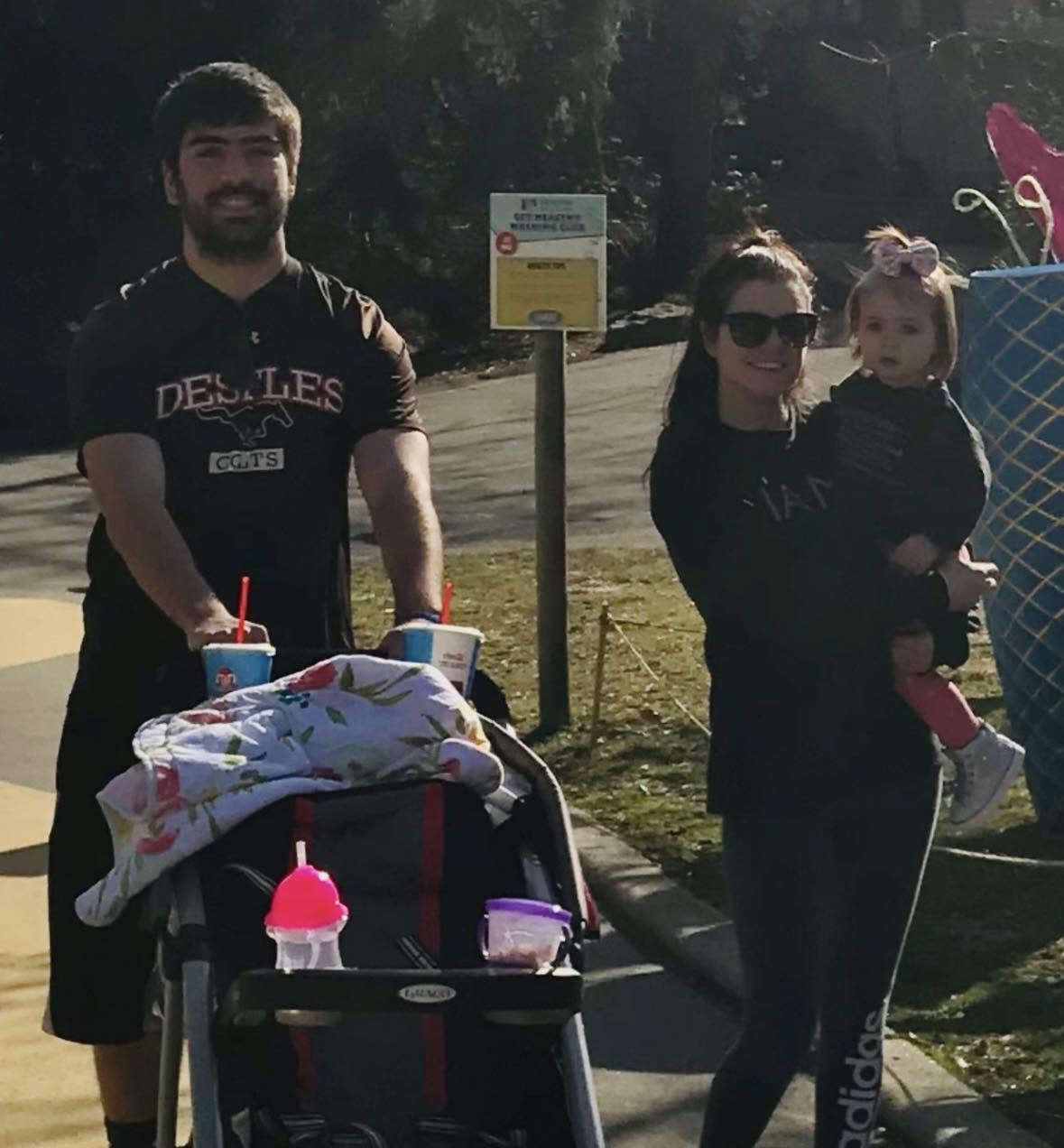
Jason described his son as outgoing, easygoing, and devoted to the people and animals around him. Adam had two cats he adored, loved hiking and being outside, and was especially close to his nieces, who called him "Uncle Funkle." He wanted, more than anything, an ordinary life. His dad described it like this: "he always wanted to have kids and get married. I mean, he wanted a simple life."
Aldwin Jackson's preliminary hearing is scheduled for July 27 at 9 a.m.
Like what you see? Learn more about Shay Informed here! This is honest journalism with compassion and clarity.