The danger Kentucky parents don't see coming this spring break

– 8 min read


A Louisville-area mother's mission to save lives after losing her son in 30 silent seconds
"I'm Shay McAlister, and this is Shay Informed: an independent, ad-free platform dedicated to honest journalism with compassion and clarity.
Are you new here? Sign up for the free weekly newsletter or subscribe to support our mission and access behind-the-scenes content, podcasts, and in-depth stories reserved for paid subscribers.
Ashley's family was doing everything right four years ago, this month. They were visiting relatives in Florida, the kids had finished swimming for the day, and 2-and-a-half-year-old Vinny was changed into his pajamas and ready for the drive back to their Airbnb. Adults were inside chatting, kids were running around playing with cousins, and the pool door was closed.
But in the time it takes to look down and close a button on another child's PJs, Vinny slipped back outside to the pool.
"We believe that because we had him in a puddle jumper, that he thought when he got back to the pool that he would float like he had been doing," Ashley told me. "So we believe he had no clue what his water competency was, which was nothing."
There were people eating on the pool deck. There were older kids still in the pool. No one noticed.
Because drowning is silent.
"It's not like the movies. It's not splashing around," Ashley said. "It can happen in 30 seconds for a child 30 pounds or more, and it's silent."
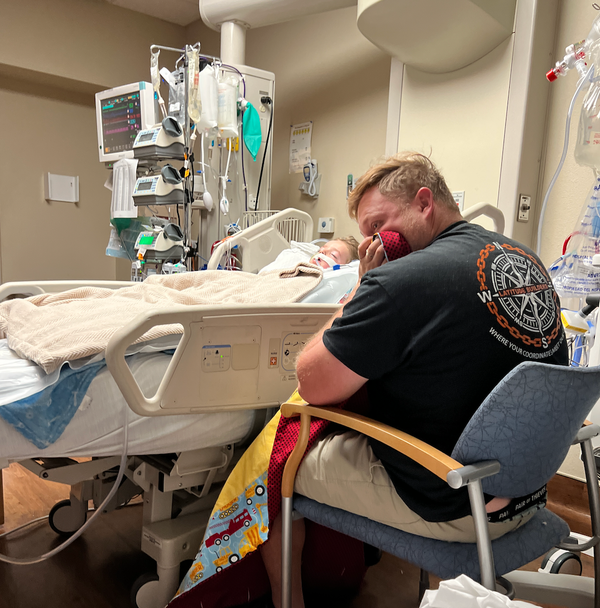
By the time they pulled Vinny from the water, it was too late. Ashley's mother performed CPR. His heart restarted briefly at the local hospital, but two days later at Orlando's Arnold Palmer Hospital, Vinny was pronounced brain dead.
Now, as Kentucky families pack for spring break trips to Florida and other warm-weather destinations, Ashley wants every parent to understand what she learned 24 hours too late.
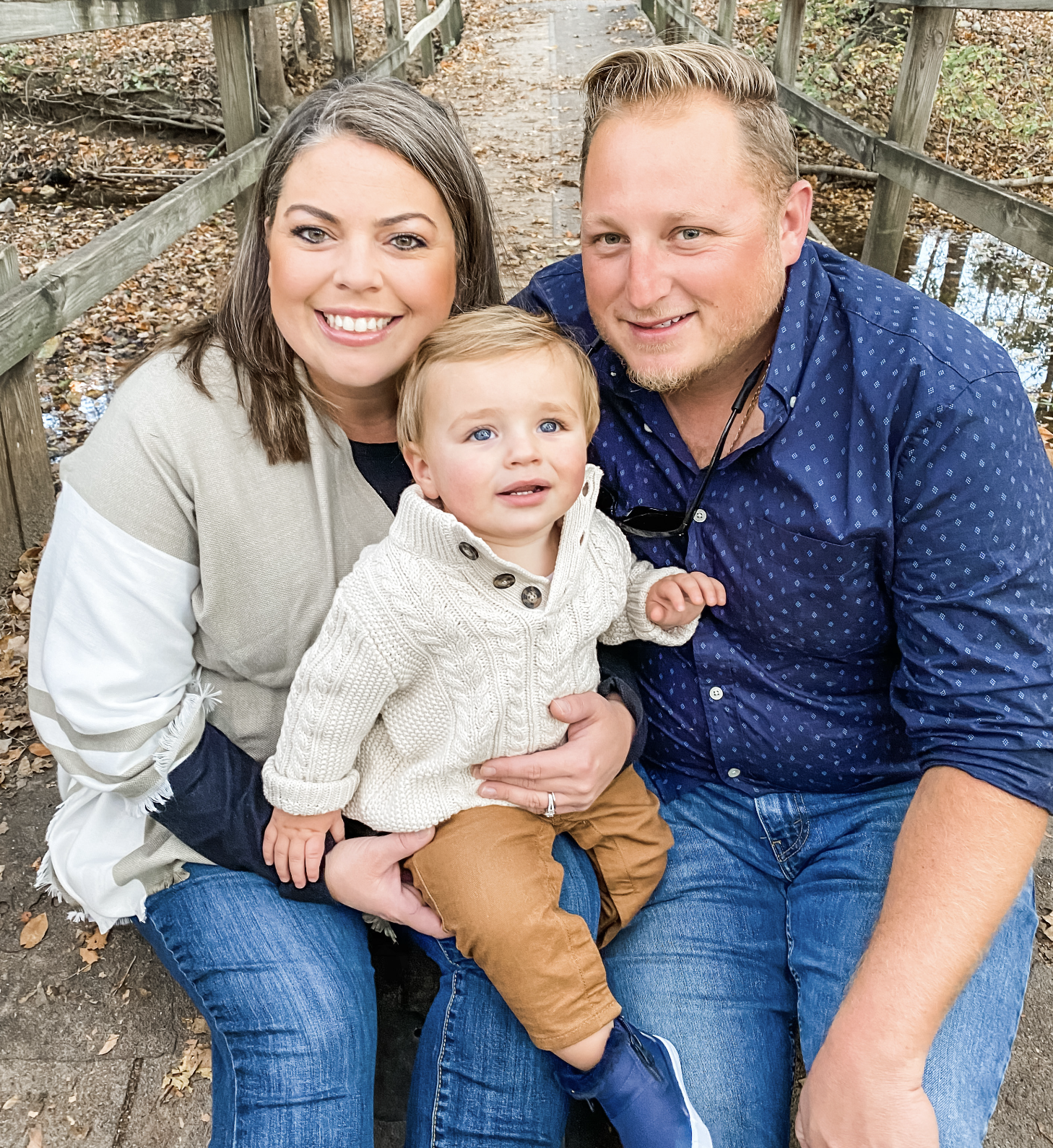
Here's what keeps Ashley up at night: Most Kentucky parents have no idea how big of a threat pools pose to their children. We don't live in Florida where pools are in every backyard and survival swim lessons are common knowledge. We live in Kentucky, where swimming is a summer treat, a vacation activity, something we do once a week at the community pool if we're lucky.
"I have so many friends who are like Fourth of July backyard barbecues, we're always around the pool, and it's just not something that is top of mind," Ashley said. "So we need to talk about it. We need to transform the way people see pools and their children."
The statistics are staggering. Drowning is the number one cause of death for children ages one through four. It's the second leading cause of death for children under 14. And here's the kicker that might change how you think about pool safety: 70% of drownings happen when you're not even swimming.
It can happen in 20 seconds for a child under 30 pounds. Thirty seconds for a child over that weight. Silent. No splashing. No screaming. Just gone.
"I think about if I had just known that the pool was this big of a threat to my child's life, would I have paid more attention," Ashley said. "And now, in retrospect, it seems obvious."
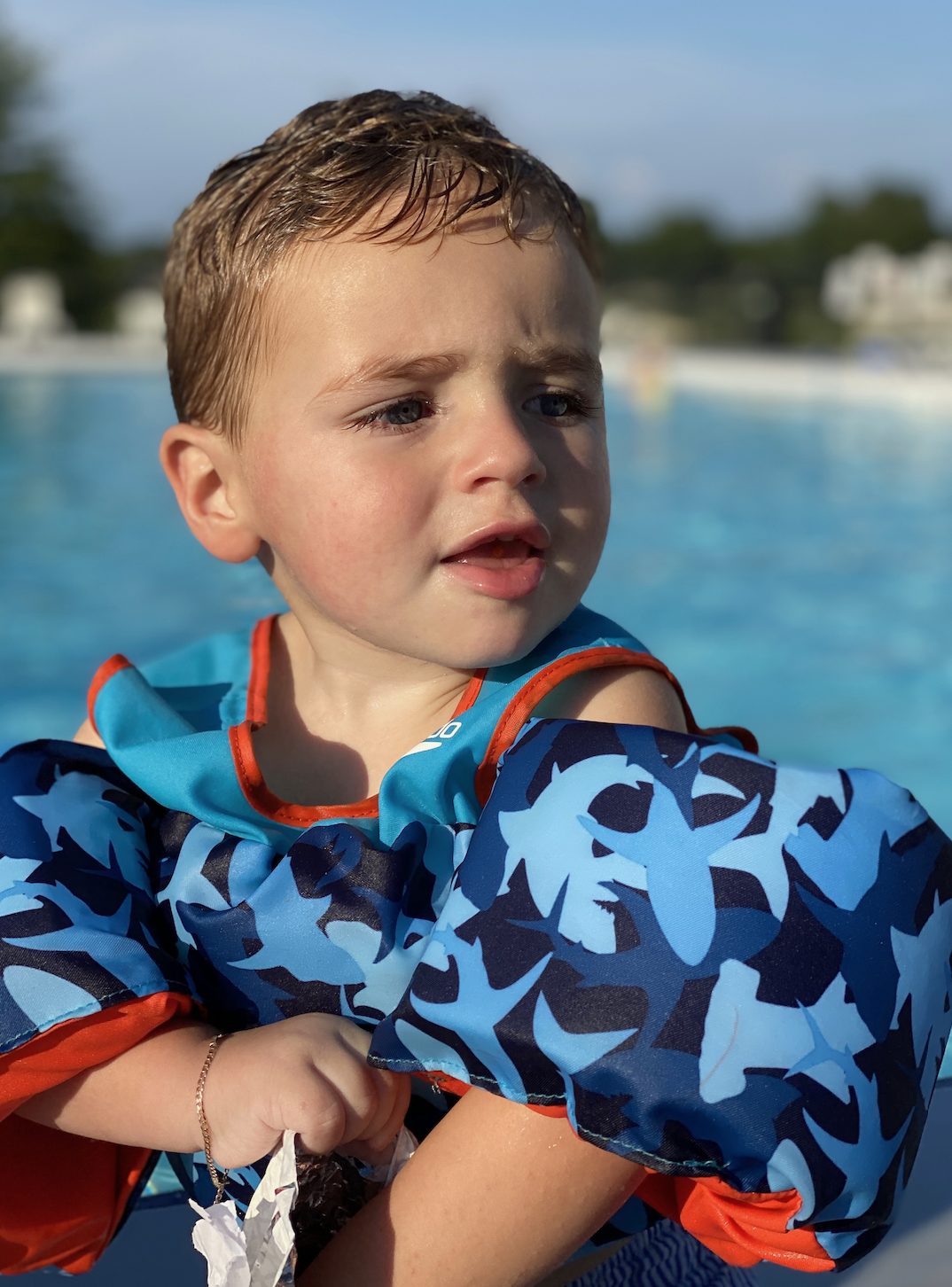
Ashley's family did what so many of us do. They put Vinny in a puddle jumper, those flotation devices with arm floaties attached. He loved the water. They loved that he loved the water. They thought they were doing the right thing.
But puddle jumpers create a false sense of security, not just for parents, but for kids too. Children who always float don't learn what water actually feels like without help. They don't develop any water competency. And when they find themselves in the pool without that device, they have no survival skills.
"It wasn't on our radar at that point," Ashley said about survival swim lessons. "We live in Kentucky, and I had no clue that survival swim lessons existed."
That's the gap that's killing kids. In Florida, survival swim is common knowledge. Instructors teach children as young as six months old to roll onto their backs, float, and breathe air while awaiting help. As they get older and can walk, they learn to swim to safety, to the side of the pool, to the steps.
These aren't traditional swim lessons where kids learn strokes and techniques. These are survival skills. And they work.
Ashley learned about them from a nurse at the hospital, 24 hours after Vinny's accident.
"That caused us to kind of do our own research," she said. "And while we were in the hospital, I was looking for other people who advocate water safety, to educate myself and to reach out to other moms who have experienced similar just for that common ground."
The nurse told Ashley everything that would have saved Vinny's life. But they were 24 hours too late.
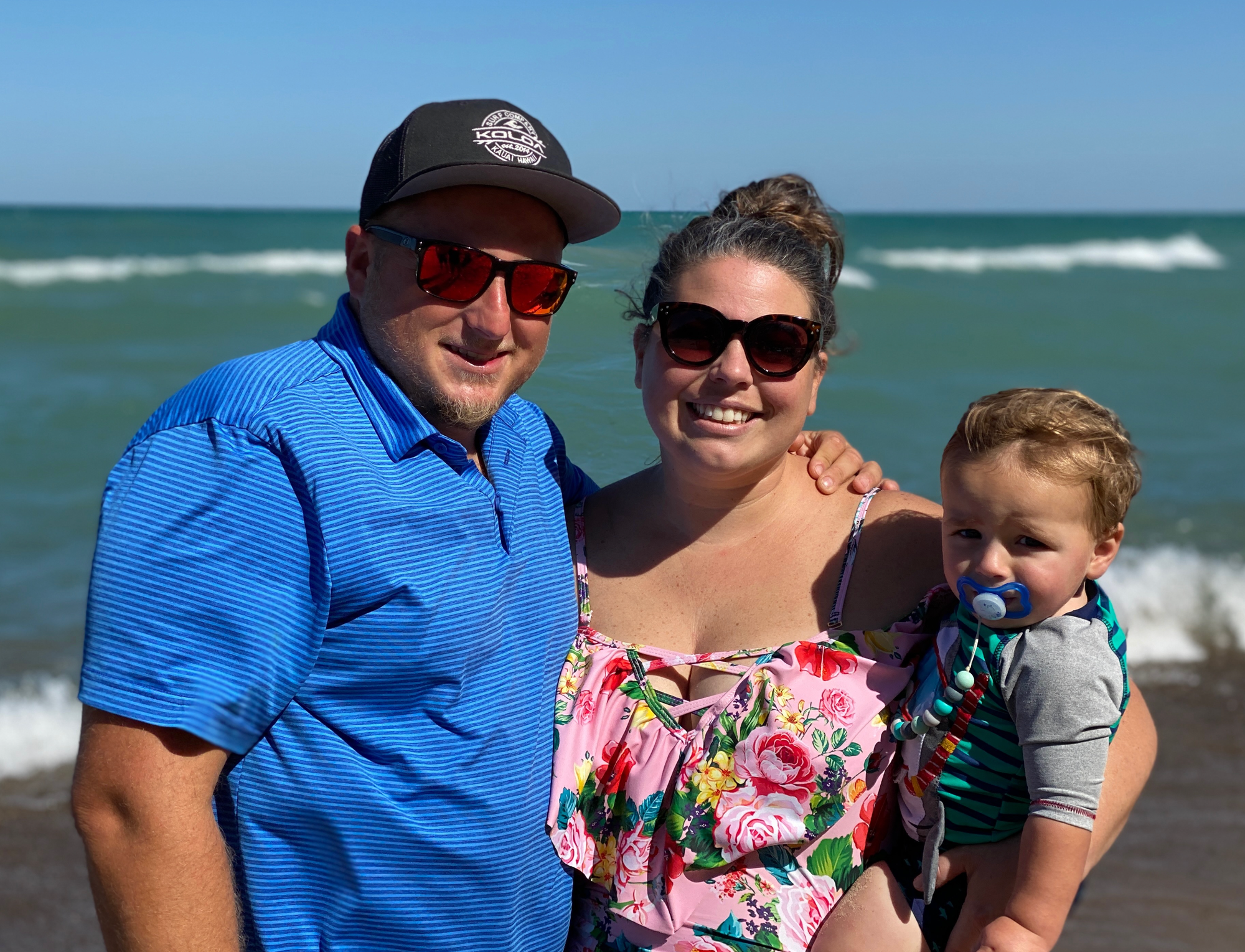
Some families would crumble under this kind of loss. Ashley's family built something instead.
In April 2022, just weeks after Vinny's death, they started Swim for Vinny, a nonprofit that offers scholarships for survival swim lessons. Ashley's mother left her nursing job in the Chicago area to become an ISR (Infant Swimming Resource) instructor in Elizabethtown, teaching kids the exact skills that would have saved her grandson's life.
"We had not previously had survival swim in E-town before she came down to do that," Ashley said. They now have a pool house where those lessons are taught.
Ashley's husband, a home builder, opened Lifesaver Pool Fence of Greater Louisville, installing four-sided pool fences that are mesh, non-climbable, self-closing, and self-latching. They service Louisville, Elizabethtown, Bardstown, Lexington, and beyond.
"Any water safety advocate will tell you that you need a four-sided pool fence," Ashley explained. "That is an added layer of protection between your child and the pool."
These aren't side hustles or hobbies. This is a family mission to make sure no other parent feels what they felt.
"We knew right away that we didn't want another set of parents to feel the way that we did," Ashley said.
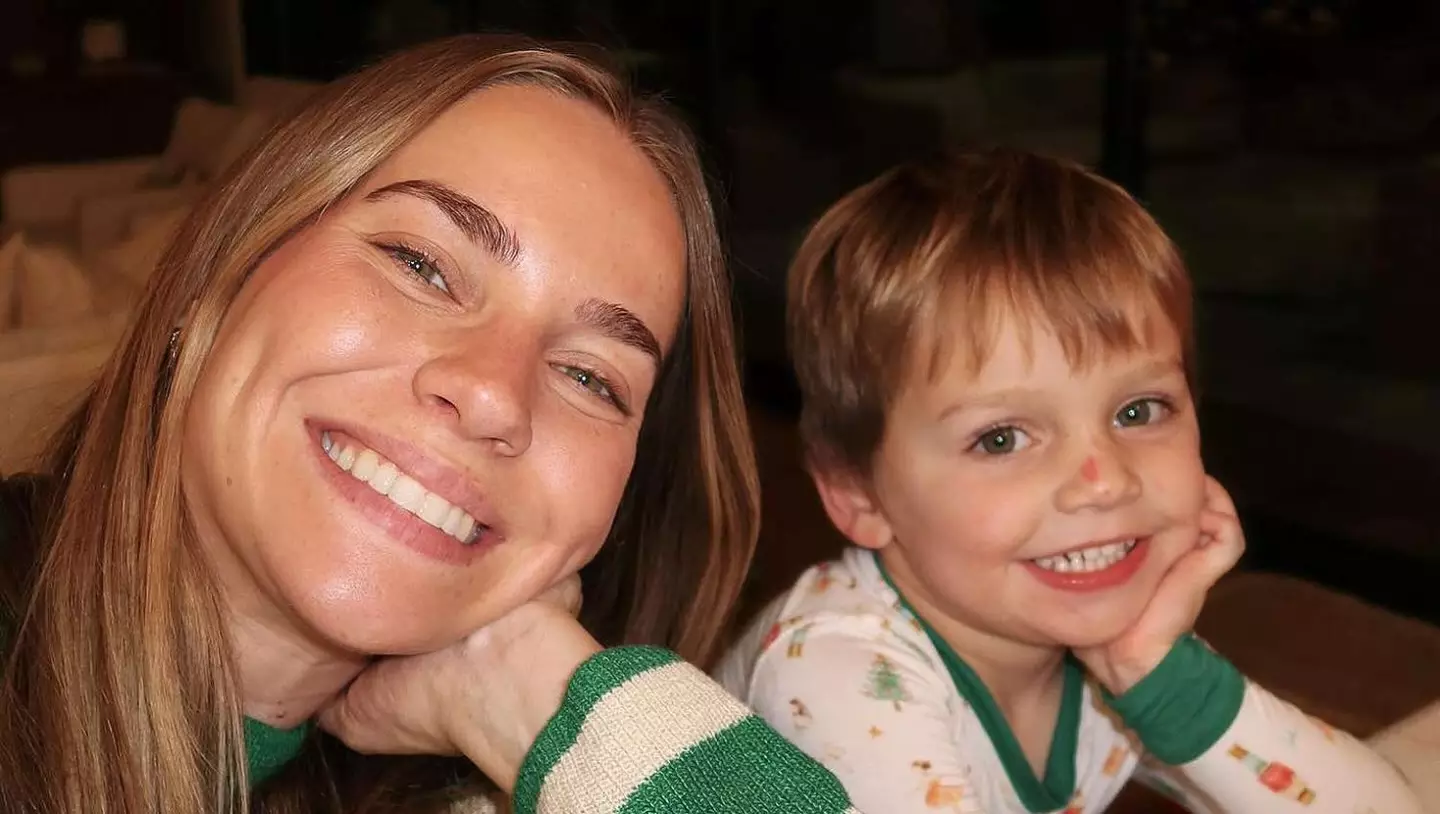
If Ashley's story sounds familiar, you might be thinking of Emily Kaiser, the popular mom influencer whose son Trigg drowned in a backyard pool last year. The case drew massive attention on social media, with many people quick to blame Trigg's father, who was watching him at the time.
Ashley sees the judgment differently.
"I think they want to blame the father, and I get where people are coming from, but I think they don't understand how prevalent it is and how people mean well," she said. "We have met so many parents on this journey, and they're all well-meaning, good parents, and you just don't think that it will happen to you."
She understands why people look for a "disqualifier" in someone else's story, some reason why it happened to them, but won't happen to you. Maybe they weren't watching closely enough. Maybe they shouldn't have been on their phone. Maybe, maybe, maybe.
"This drowning doesn't just happen to other people," Ashley said. "Just because it hasn't happened to you doesn't mean you have this lock-solid drowning prevention strategy. You've just been lucky."
The blunt truth stings: "Unless you're putting as many layers of protection in place, you don't have a great drowning prevention strategy for your family", Ashley said.
With spring break around the corner, Kentucky families are booking flights to Florida, reserving beach houses, and planning pool days. Ashley has a message for every single one of them:
The pool is the biggest threat to your child's life on that vacation. Period.
Not the plane ride. Not the rental car. Not even the ocean, statistically speaking. The pool.
Here's what you can do:
Start with awareness. Just knowing that drowning is silent, that it happens in seconds, that it often occurs when you're not even swimming- that knowledge alone can shift how you supervise around water.
Consider survival swim lessons, even if you don't have a pool, even if you live in Kentucky, where water isn't a daily concern. These lessons teach life-saving skills that kick in during aquatic emergencies.
If you have a pool or are visiting someone who does, insist on proper barriers. A four-sided fence that's self-closing and self-latching creates distance between kids and water.
Never rely on flotation devices like puddle jumpers to keep your child safe. They're not life jackets, and they create dangerous false confidence in children who don't actually know how to swim.
Designate a "water watcher" who isn't on their phone, isn't chatting, isn't distracted. Their only job is to watch the kids in and around the water. Set a timer and rotate that responsibility every 15 minutes so no one loses focus.
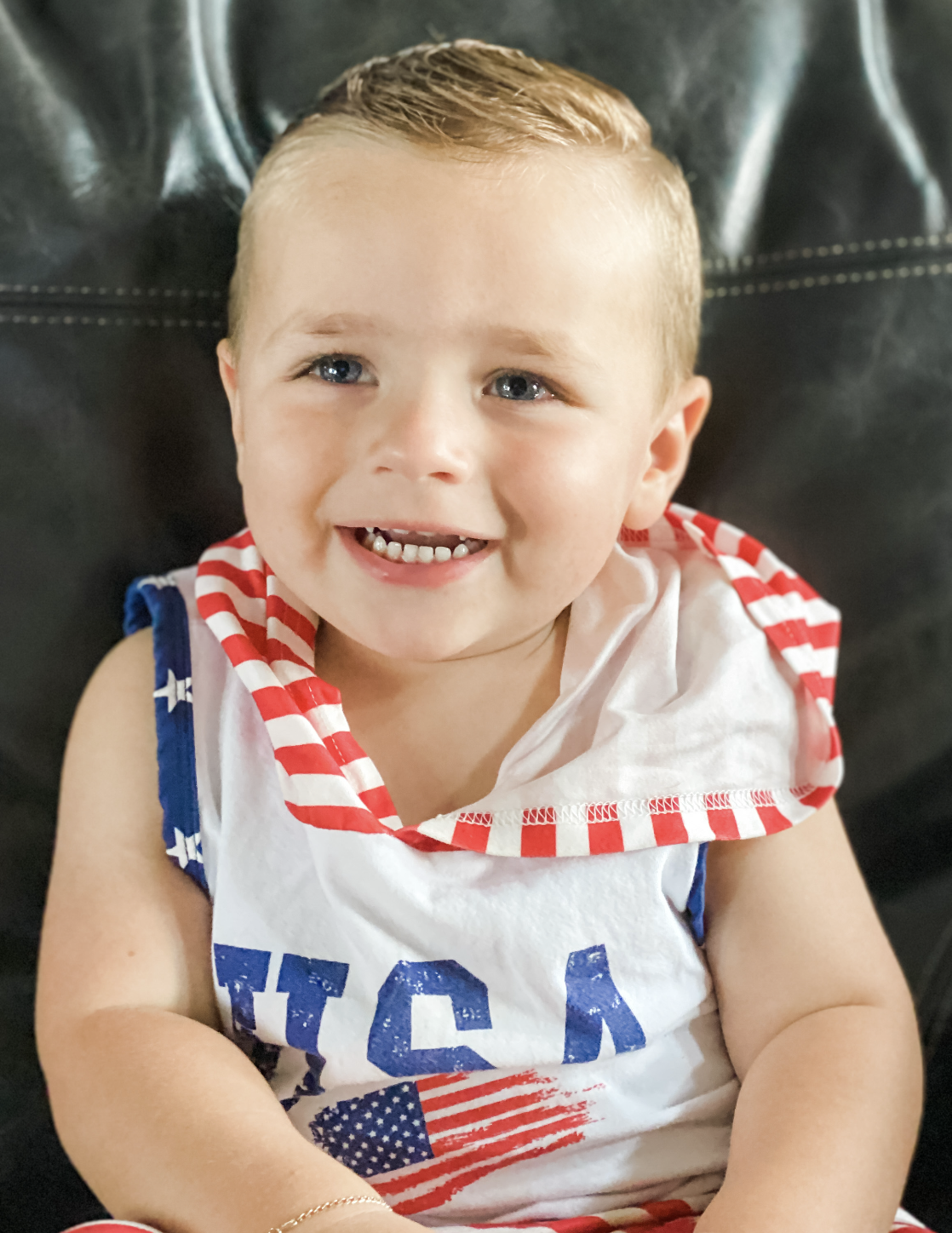
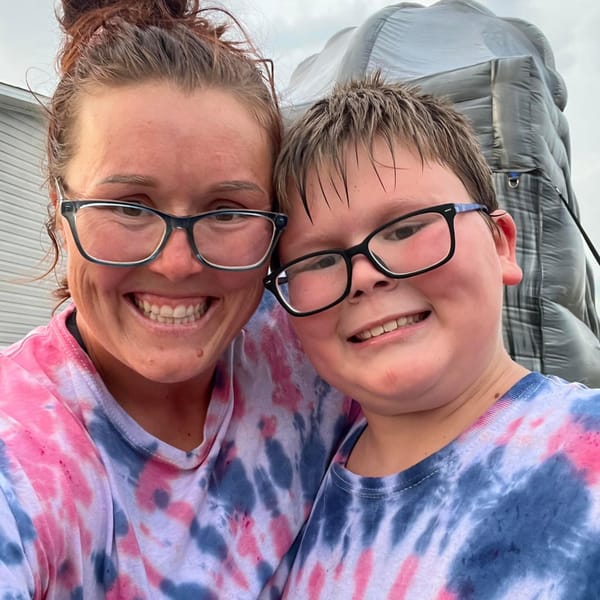
When Ashley talks about Vinny, you can hear the love in her voice. He was a beautiful little boy with a bright smile who loved the water and loved his family.
"I tell people to say his name, show them his beautiful picture, and connect to the hearts of people," Ashley said. "That's how we're going to incite change, is through pulling on people's heartstrings."
She's right. When you see Vinny's face, you can't help but think of your own child. It could be any of them. That's the point.
Ashley isn't sharing her story to scare parents. She's sharing it because she wishes someone had scared her a little bit before that March day in 2022. She wishes someone had told her that the pool was dangerous even when you're not swimming, that puddle jumpers aren't enough, that drowning doesn't look like the movies.
"I just think about if I had just known that that was the biggest threat to his life, had I developed some sort of strategy," she said. "Is it just the awareness that people need that can save lives possibly?"
As you pack for spring break, as you slather on sunscreen and load up the beach toys, take a moment to think about Vinny. Think about Ashley's family. Think about what they learned too late and what they're trying to teach the rest of us in time.
Because 30 seconds is all it takes. And silence doesn't mean safety.
You can find an Infant Swim Instructor near you here.
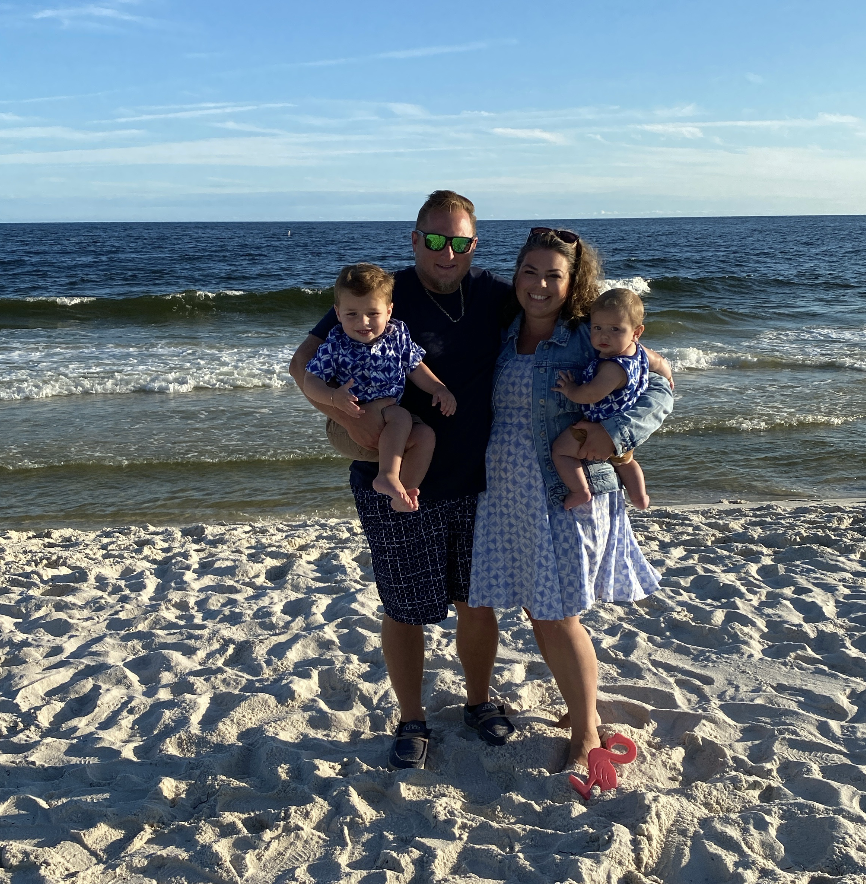
Like what you see? Learn more about Shay Informed here! This is honest journalism with compassion and clarity.