The Weekly Wrap

– 10 min read


I'm Shay McAlister, and this is Shay Informed: The Weekly Wrap! You'll learn what mattered this week in our community and beyond, what to keep on your radar for the week ahead, and now you can read or LISTEN. Paid subscribers will find the Weekly Wrap podcast at the bottom of this page.
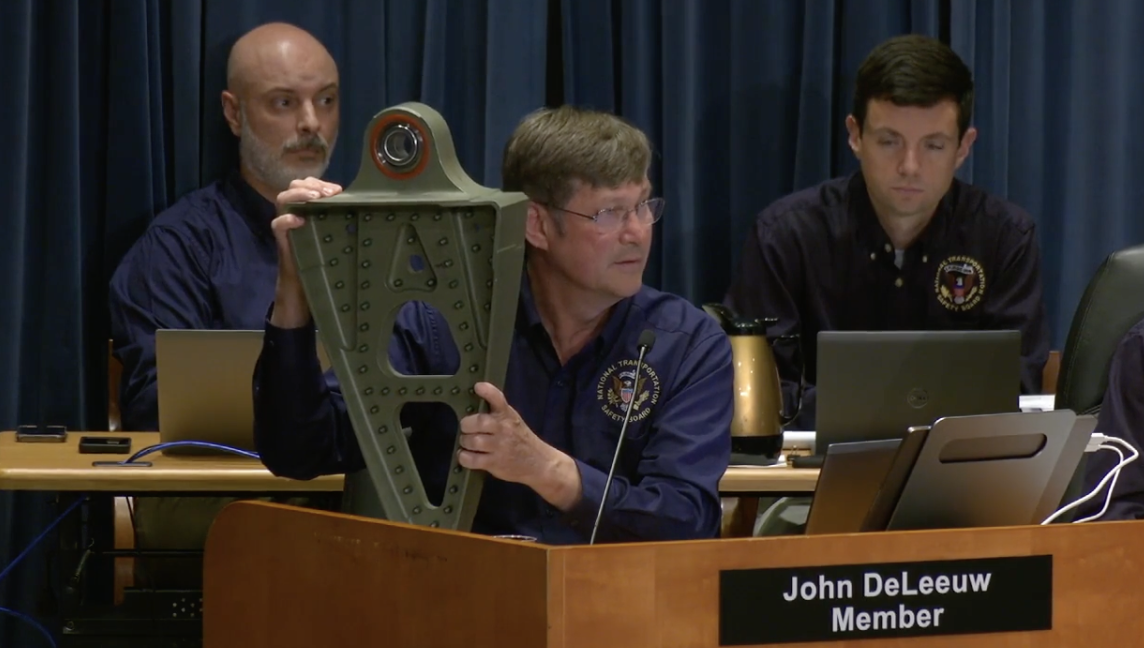
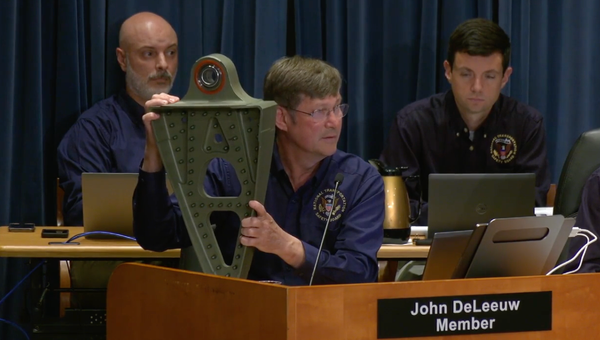
Six months after a UPS cargo jet fell out of the sky above Louisville and killed 15 people, federal investigators gathered in Washington this week to start answering the hardest question: how does something like this happen?
Investigators explored everything from maintenance issues to emails and witness accounts of the November crash. They also asked pointed questions to Boeing, UPS and the FAA about how much was known, and when.
Here are my five big takeaways from the two day hearing:
The hearings have wrapped, but the investigation is far from over. The NTSB will continue collecting documents, data, and conducting interviews based on what was learned this week. There will be an analysis period, then a final investigative report, followed by another public hearing before any probable cause is officially declared.
 Shay McAlister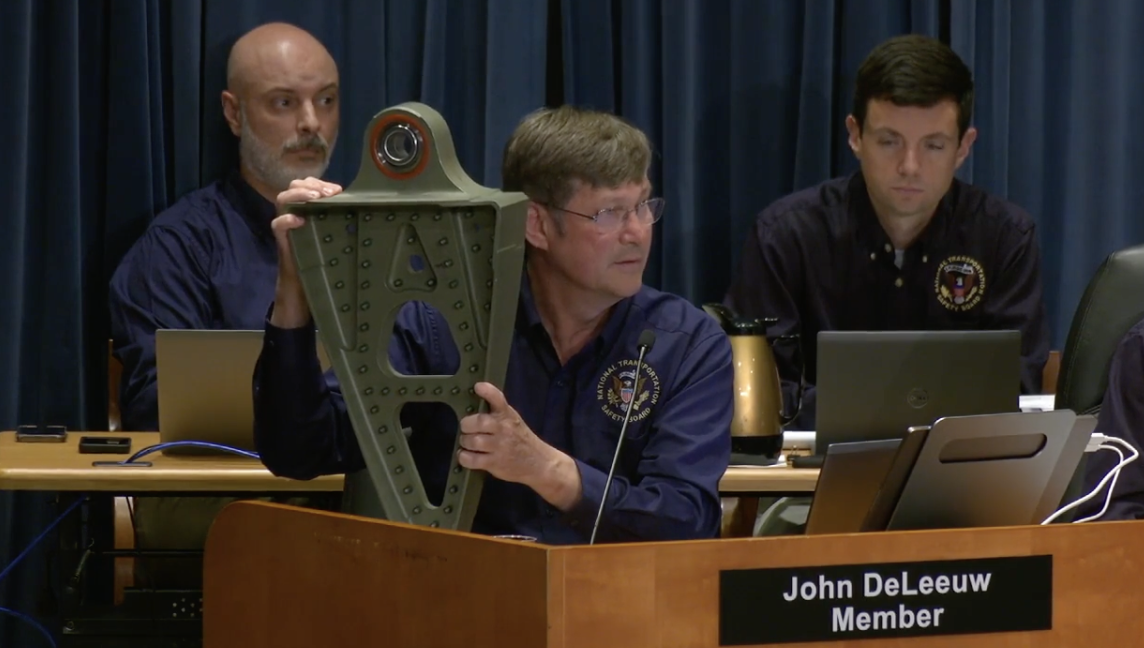
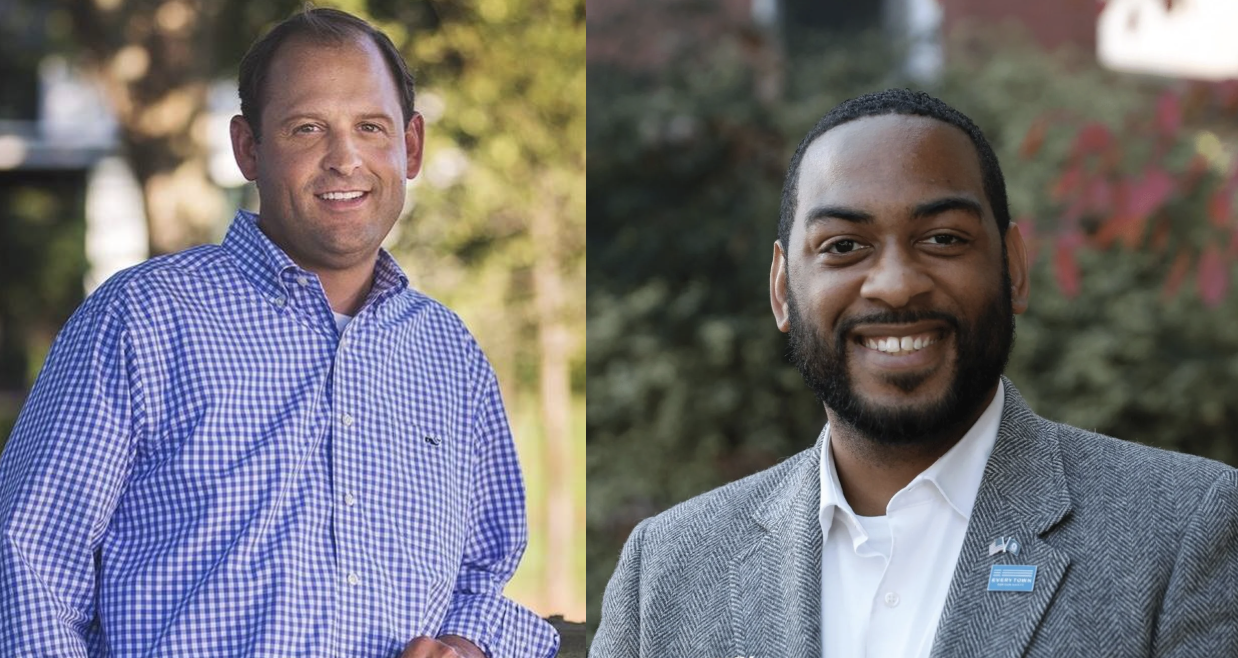
The most-watched race in the state was never really a race by the end. Rep. Andy Barr won the GOP nomination for Senate in Kentucky, defeating former Kentucky Attorney General Daniel Cameron. The Associated Press called the race at 7 p.m. ET, with Barr leading Cameron 64% to 28% with just 5% of the vote in.
Trump's fingerprints were all over this one. Trump made his choice known earlier this month when he backed Barr and urged Nate Morris, a businessman with strong ties to his MAGA movement, to end his campaign for the GOP nomination and instead accept an unspecified role in his administration. Morris obliged, and the race was essentially over before it started. Barr takes on democrat Charles Booker in November.
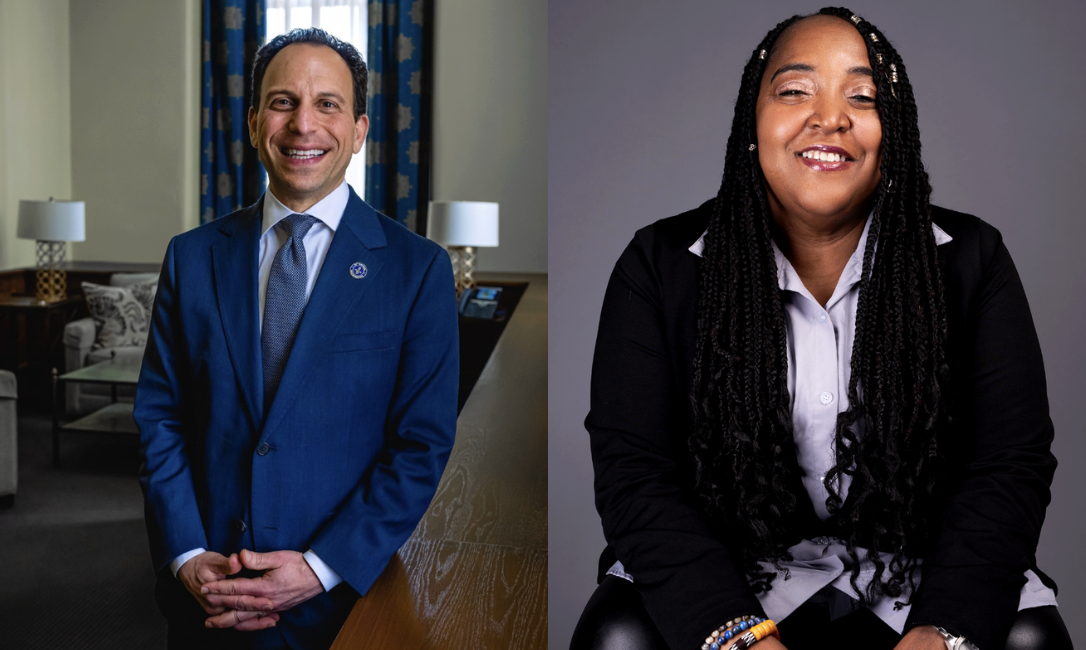
The Louisville mayor's race played out exactly as most people expected- but the new rules made it historic. This primary marked the first nonpartisan election for mayor in Louisville's history.
Incumbent Mayor Craig Greenberg had 51.7% of the vote, with Shameka Parrish-Wright finishing second at 27.7%. Both advance to the general election in November.
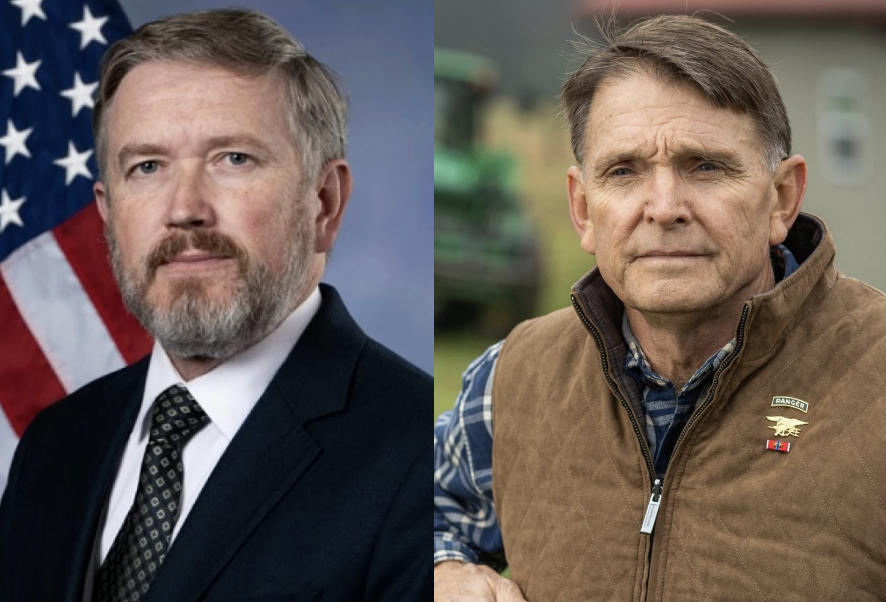
No Kentucky primary recap would be complete without mentioning the biggest upset of the night nationally. Trump-endorsed Ed Gallrein defeated Rep. Thomas Massie in the GOP House primary. Trump and his political operation made unseating Massie their mission in 2026, turning his 4th District primary into the most expensive House race ever in terms of advertising. Massie, one of the most fiercely independent libertarian voices in Congress, is out after 14 years in Congress.
Shay McAlister

Marsha Miniard's daughter Destiny was diagnosed with DIPG in January 2025 and told she had less than three months without radiation. She is still here. A year and five months later.
Destiny Miniard completed 30 rounds of radiation- five days a week for nearly three months. The radiation gave them about 10% shrinkage. Not enough. Not nearly enough for a tumor that had started the size of a baseball.
On the last day of radiation, Marsha Miniard made a decision.
"I had a conversation with the doctors, basically saying, you're telling me there's no cure, only these failed trials," Marsha told me. "I said, I'm seeing a lot on social media about how brain cancers are responding well to alternative treatment. We're going to try that."
The treatment she chose is called Full Extract Cannabis Oil- known as FECO- which uses the entire cannabis plant rather than just the flower and buds. She sourced it from a farm in Big Sur, California. Her doctors, she said, were supportive. And Marsha says they are seeing results... After starting the FECO, Marsha shared that Destiny's first scan showed 21% additional shrinkage. The second scan, in January of this year, showed 38% total shrinkage. Her daughter who was confined to a wheelchair six months ago is now walking again.
FECO is not FDA-approved, and results are not guaranteed. But it's something for parents who currently have no hope anywhere else.
Shay McAlister
To understand why DIPG is so devastating, you have to understand where it lives and how it grows.
Dr. Mustafa Barbour is a pediatric neuro-oncologist at Norton Children's Hospital. He works alongside surgeons, radiation oncologists, and neuroradiologists to care for children with brain and spine tumors. He was kind enough to spend time with me this week and help explain this disease in plain terms- because families in Kentucky, and across this country, deserve to understand what we're dealing with.
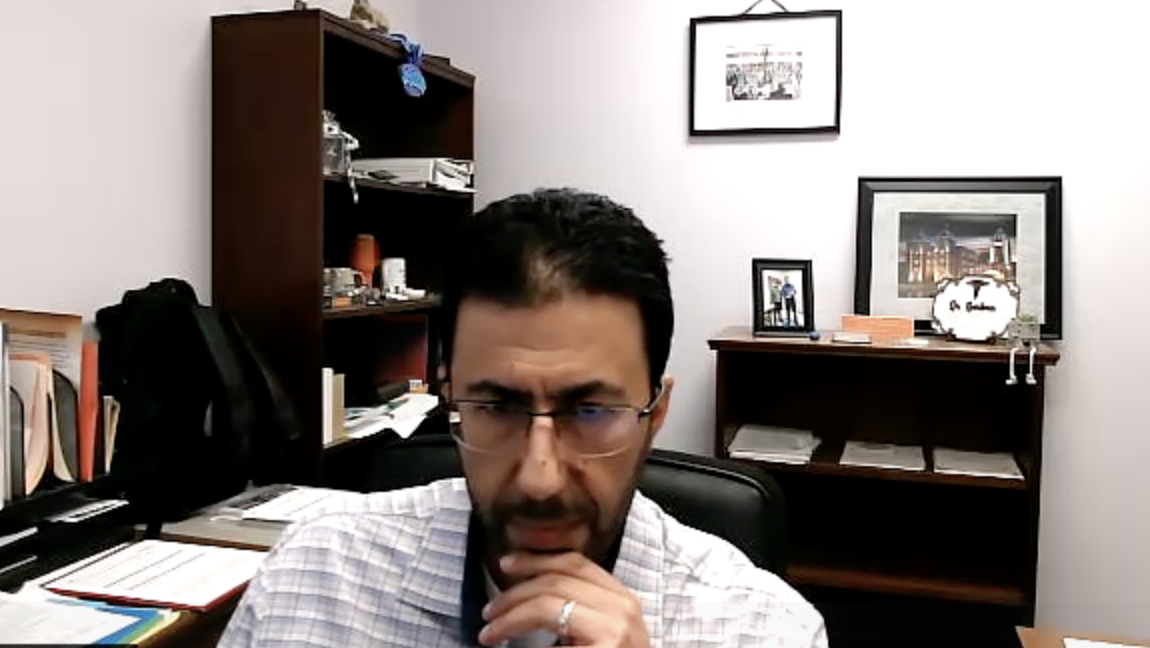
"It is a very aggressive type of cancer," Dr. Barbour told me. "The tumor doesn't grow as a discrete mass. It grows between normal brainstem cells. The way they grow makes surgical intervention very challenging."
The tumor forms in the pons- a critical part of the brainstem. Every nerve fiber that allows us to move, to swallow, to breathe, to see passes through this region. Even if a surgeon wanted to attempt a removal, Dr. Barbour explained, the tumor is nearly indistinguishable from healthy tissue.
"It's really hard to tell exactly where the tumor is and where the normal brainstem tissue is," he said. "They're very infiltrative- that's the name for it. Diffuse. It grows diffusely within the pons."
That infiltrative pattern is also why surgery isn't an option. You cannot remove what you cannot separate.
And one of the most terrifying things about DIPG is how quickly it announces itself. There is no slow build. One day, a child is fine. A week or two later, everything has changed.
The Kentucky Department for Public Health has confirmed 10 cases of DIPG in children since 2024. They are working with the Kentucky Pediatric Cancer Research Trust Fund on research. They are trying to access CDC support- though they acknowledged that federal capacity has been significantly weakened by recent budget cuts through the Trump administration.
But I still have questions… I’ve asked exactly where did that money go? Who used it? And how? Why is there no environmental investigation underway? No formal testing of water sources, soil, or air quality in the communities where these children lived? No formal cluster designation that would trigger a specific investigative protocol?
I have filed an Open Records Request with the Kentucky Cabinet for Health and Family Services seeking detailed data I hope gives me some clarification on this.
Shay McAlister
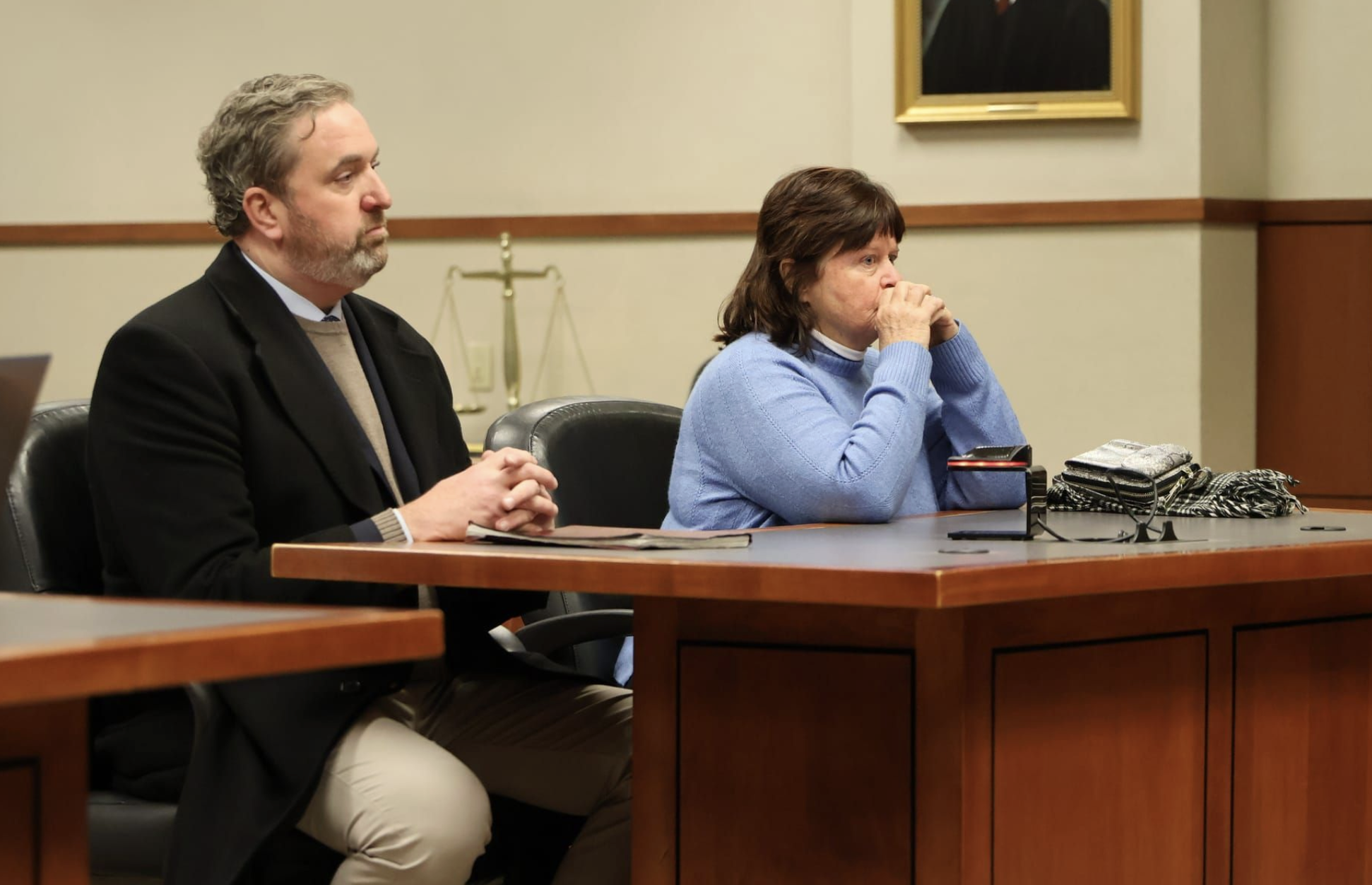
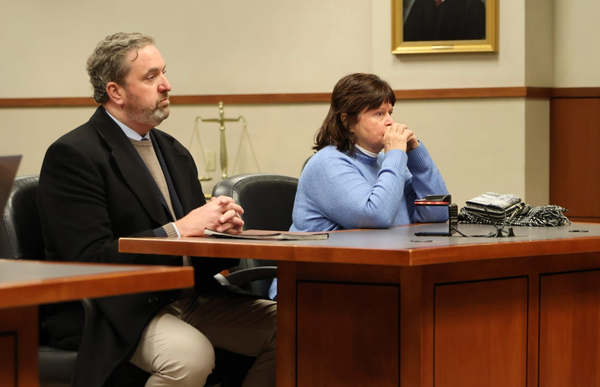
The Louisville woman charged with taking her three-year-old daughter across state lines in 1983- and disappearing for more than 42 years- accepted a plea deal last week in Jefferson Circuit Court.
The original Custodial Interference charge was amended to Criminal Attempt Custodial Interference, a Class A Misdemeanor. She was sentenced to 12 months, conditionally discharged for two years, meaning she won't serve additional jail time as long as she stays out of trouble.
Her now-45-year-old daughter- who once told me, "I didn't realize I was a victim"- was in the courtroom. And she didn't agree with the deal.
Shay McAlister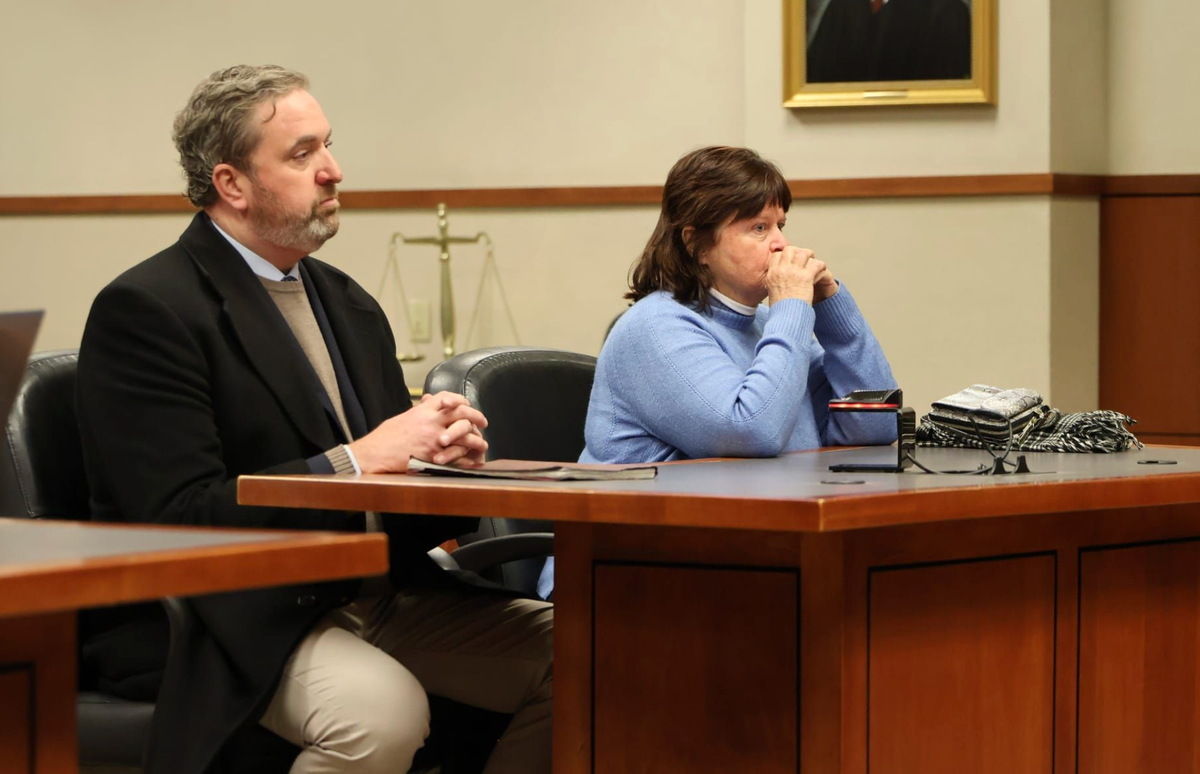
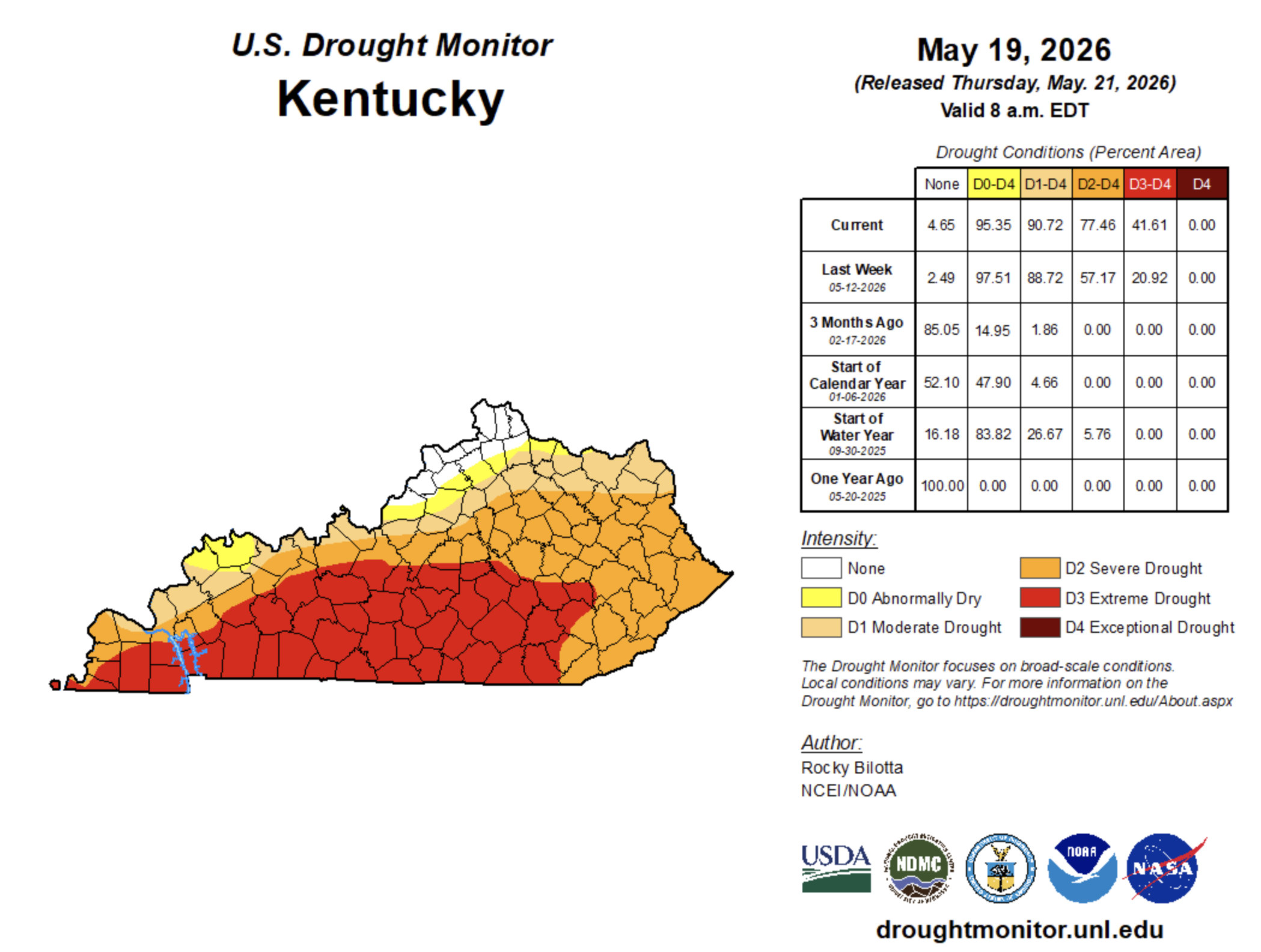
It's been raining for days... and according to the National Weather Service, you can expect to see some form of rainfall for days to come. But this, my friends, is a good thing! Much of the state is currently experiencing severe to extreme drought conditions. So when you get tired of wiping dog paws, cleaning wet floors or staying indoors- just remember, this rain is much needed!
The Weekly Wrap Podcast: This is for my busy moms, dog walkers, dish washers and everything in between! You asked for way to listen and be informed when you don't have time to sit down and read... here you go!