A Louisville documentary, a friendship, and a fight that hasn't ended with loss
– 15 min read


Two Louisville mothers lost their sons to the same rare, merciless disease. Neither of them stopped there.
"I'm Shay McAlister, and this is Shay Informed: an independent, ad-free platform dedicated to honest journalism with compassion and clarity.
Are you new here? Sign up for the free weekly newsletter or subscribe to support our mission and access behind-the-scenes content, podcasts, and in-depth stories reserved for paid subscribers.
You can buy a ticket to 499 Days here.
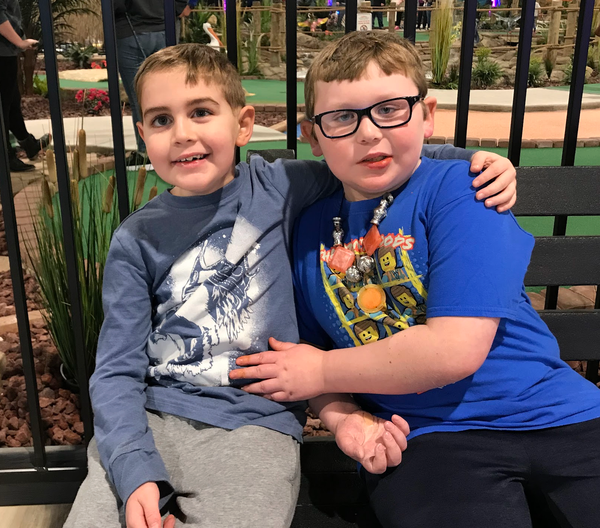
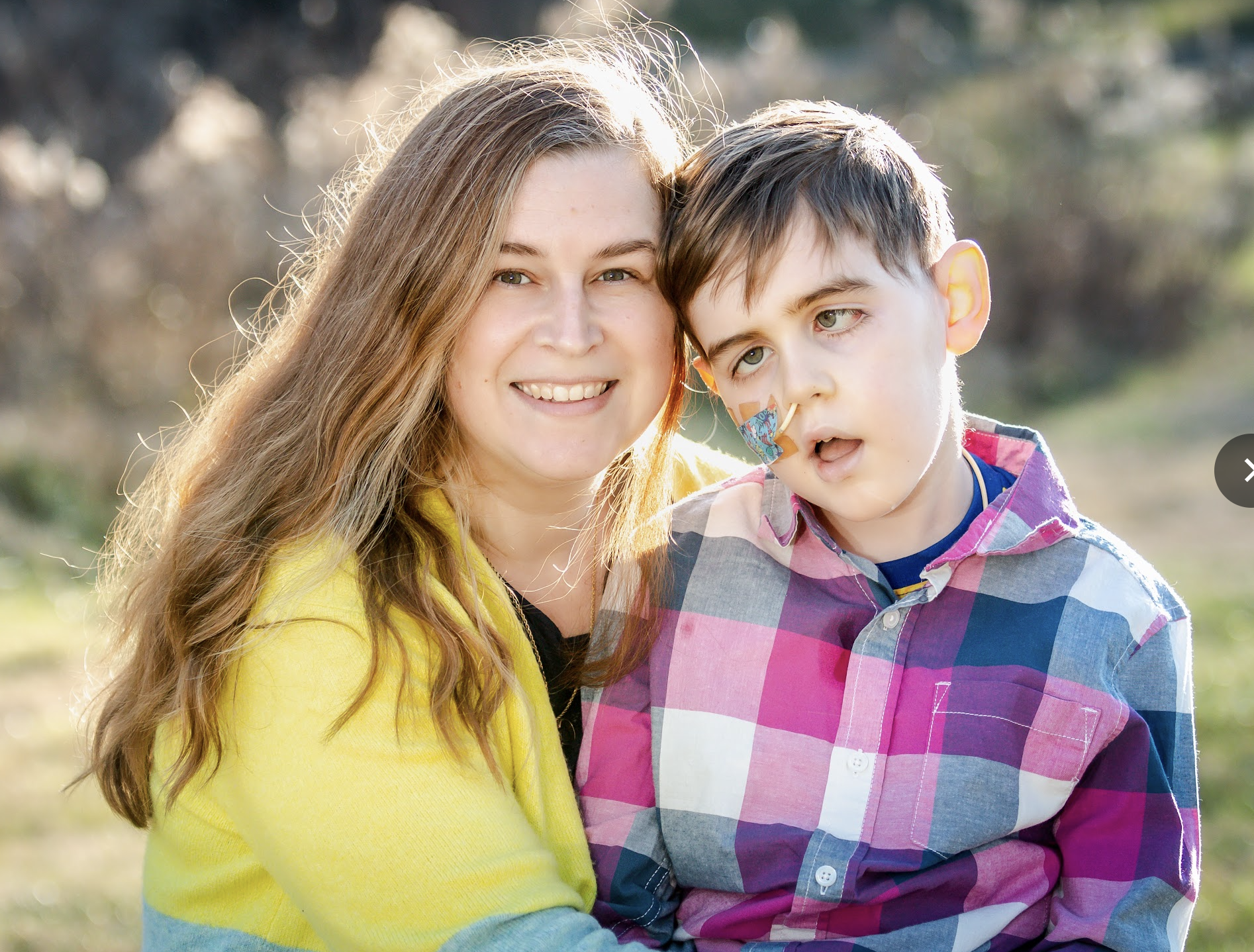
Kristen Mackin's son Kyler died in March of 2021, just over a month shy of his tenth birthday, after 499 days living with Diffuse Intrinsic Pontine Glioma. Elizabeth "Liz" Turner's son David died two months later, at age nine, after more than three years with the same diagnosis. The two boys, it turns out, had crossed paths at the same Boy Scout camp, in different troops, two kids who loved Pokémon and had no idea what they would come to share.
Kristen has spent the years since turning home videos of Kyler's journey into a documentary that premieres in Louisville this August. Liz has spent her years since leading the Kentucky Pediatric Cancer Research Trust Fund that now directs tens of millions of dollars toward pediatric cancer research in Kentucky. Both women, in their own way, decided that their grief would not simply be something that happened to them- it would be something that made change and honored their sons.
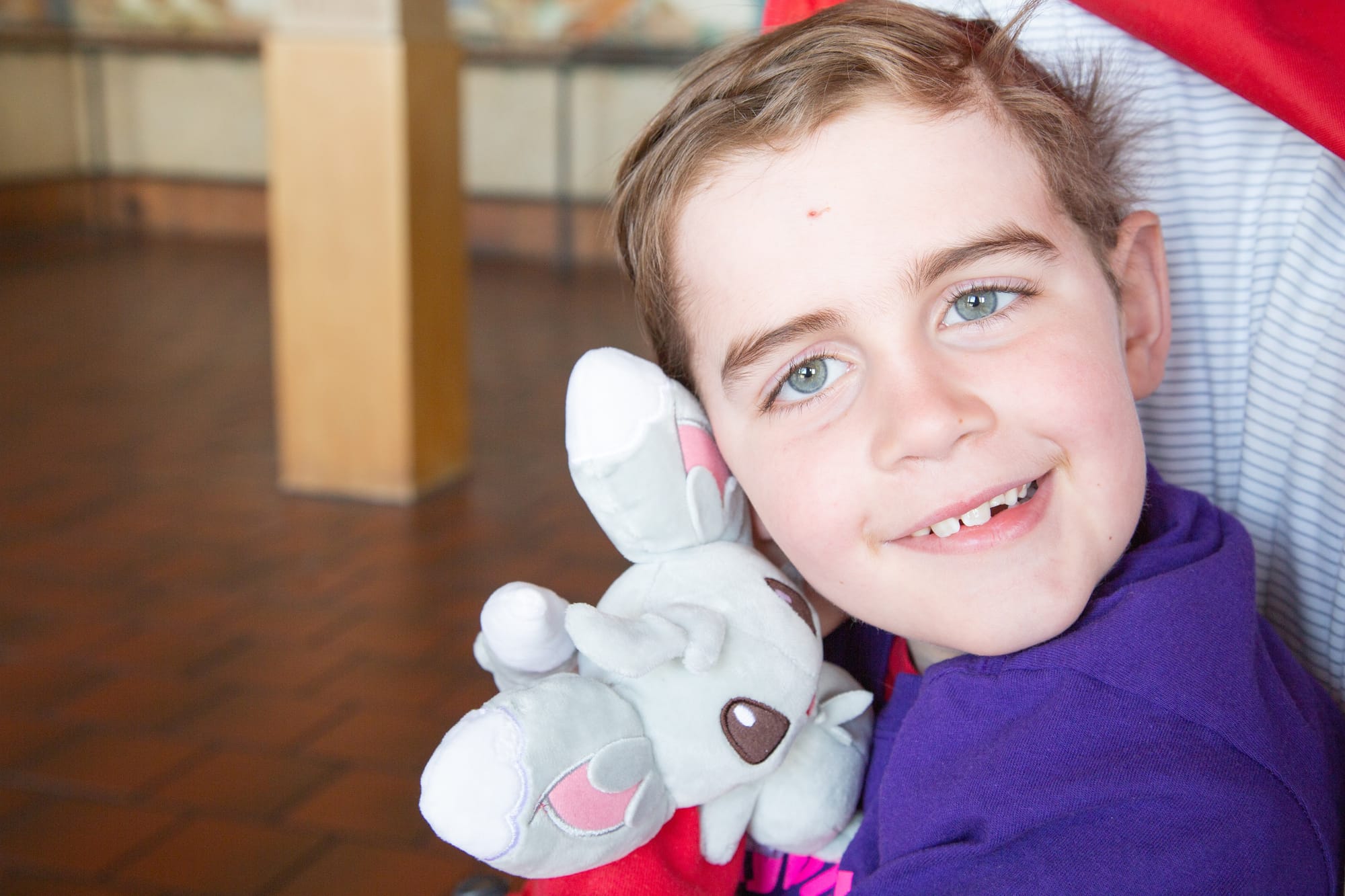
Kristen Mackin remembers the exact moment she knew something was wrong with her son. It wasn't dramatic. It wasn't even alarming, at first. A doctor looked at eight-year-old Kyler and asked a simple question: "Has he always looked like that?"
Kristen hadn't noticed. His face wasn't quite matching on both sides- the kind of subtle asymmetry a mother might chalk up to a kid simply growing into himself. The doctor ran a test. Everything came back fine. Kristen kept an eye on him and moved on with life.
The headaches Kyler had complained about got worse. Then a Cub Scout camping trip ended early, because Kyler- normally a spirited, active kid- was whiny and not himself.
"I was like, I think he had a stroke," Kristen told me, remembering the moment she rushed him to the emergency department instead of the doctor's office. "They rushed us back, did a scan, and it said that he had a mass and bleeding on his brain."
That was the beginning of a story that would consume the next 499 days of the Buckner family's life- and that will now be shared with the world in a documentary premiering this August in Louisville.
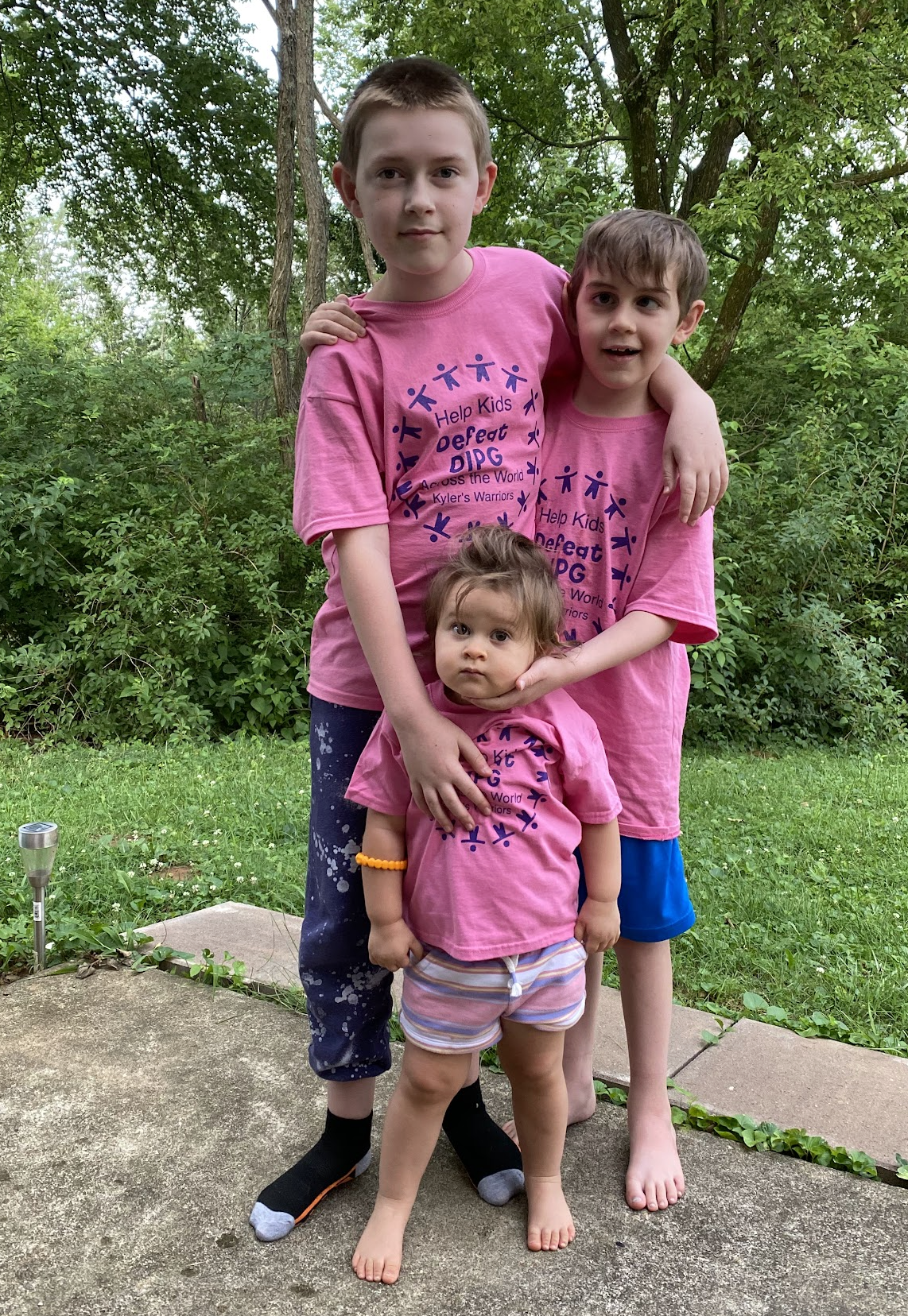
Kyler was diagnosed with DIPG- Diffuse Intrinsic Pontine Glioma- in 2019. He was eight years old, the middle child of three, with an older brother and a younger half-sister.
The doctors were direct with Kristen about what they were facing. There was no cure. One option was to go home and let the disease take its course. The other was to pursue clinical trials, with no guarantee they would extend Kyler's life at all.
"I was like, well, that's not really an option," Kristen said of the first choice.
So they chose to fight. The family traveled to San Francisco. They traveled to Cincinnati. They chased every trial that might buy Kyler more time, more life, more days.
Doctors had told her the average survival after a DIPG diagnosis was around nine months.
Kyler lived 499 days. He was nine years old, just a little over a month from his tenth birthday, when he died in 2021.
"I don't know if the trials gave us more time, or if his was just a little bit slower to grow," Kristen said. "I'm not a doctor, and no one was really able to give me more specifics."
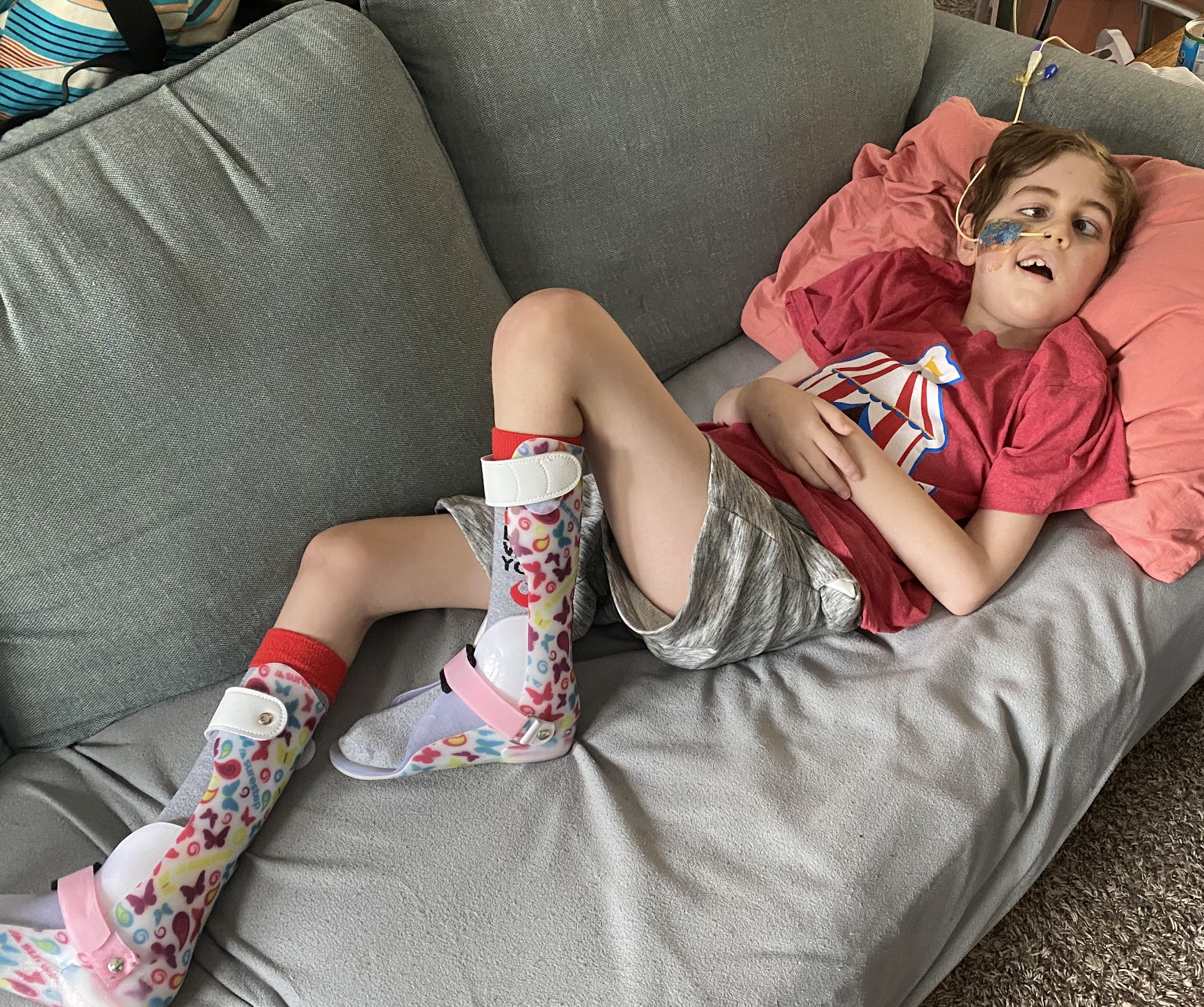
The family lived in the Fern Creek area of Jefferson County at the time of Kyler's diagnosis, later moving to Jeffersontown- always within that same corner of Louisville.
After Kyler passed away, Kristen's brother-in-law Jamie Buckner- who works in the movie industry- reached out and asked the question so many people ask when they don't know how else to help: what can I do?
Kristen had an answer. Would he consider making a documentary?
Throughout Kyler's illness, Kristen had instinctively recorded moments- the kind of footage she thought might someday help tell his story. Jamie began shaping that material into a film starting in earnest in 2024, spending that year filming, fundraising, and gathering additional interviews. By 2025, the project was wrapped. This year, it will finally premiere.
But the idea behind the film goes deeper than simply preserving Kyler's memory, though that matters enormously to Kristen too. It comes from a specific kind of loneliness that she says almost no one talks about until they're forced to live inside it.
"When he was diagnosed, I know you met Liz," Kristen told me, referring to a fellow DIPG mother who became a crucial source of support. "If I didn't have her, I would have been totally lost. But before her, I felt so alone and isolated- because maybe three children in the state of Kentucky would be diagnosed that year. That's what they told me. It was just bad luck."
She remembers being handed a book about DIPG at the hospital. She got two pages in and threw it across the room.
"I was like, I can't even read this," she said. "You look it up, and there's just some facts. But there's not a community- not a family to hold on to and help you."
That absence is what Kristen hopes the documentary can begin to fill.
"I was hoping that by doing this, it would help other people find a community where they don't feel so alone," she said, "and maybe give resources to help them- like Liz was able to help me, and the mom before her helped her."
And there's something else, something Kristen describes with a kind of quiet honesty.
"On top of it, selfishly, my child gets to live on forever in this story," she said. "And that's the way I try to look at it."
The film is called 499 Days, named for the length of Kyler's journey. It will have its world premiere on Saturday, August 1, at 2:00 PM at the Kentucky Science Center, as part of the Flyover Film Festival's "Ideas in Action" program.
Jamie Buckner submitted the film to a number of festivals around the country, but he specifically wanted the world premiere to happen here, in the community where Kyler lived- and he worked with the Louisville Film Society to make that a reality.
"It's really special to get to do the first one in our community," Kristen said, "and hopefully get a lot of the people that knew Kyler, or heard about Kyler, or were touched by his story, to be able to come."
The film doesn't only tell Kyler's story. It also includes the story of David Turner Jr., another Kentucky child who lost his battle with DIPG- the same David Turner Jr. that Kentucky now honors each year with an official state proclamation, alongside DIPG Awareness Day. David's family and community are expected to attend the premiere as well.
Also featured in the film is Kinsey Woodson, daughter of Karen Morrison of Gilda's Club- another family Kristen met along her own journey, one of many she says she wanted to make sure had their stories told.
"All these people we met along our journey," Kristen said. "I wanted to make sure their stories were told. I'm glad that all of them are in our community, and I'm sad that we have the reason we're connected to each other. But I'm happy that we are connected to each other, and we can support each other."
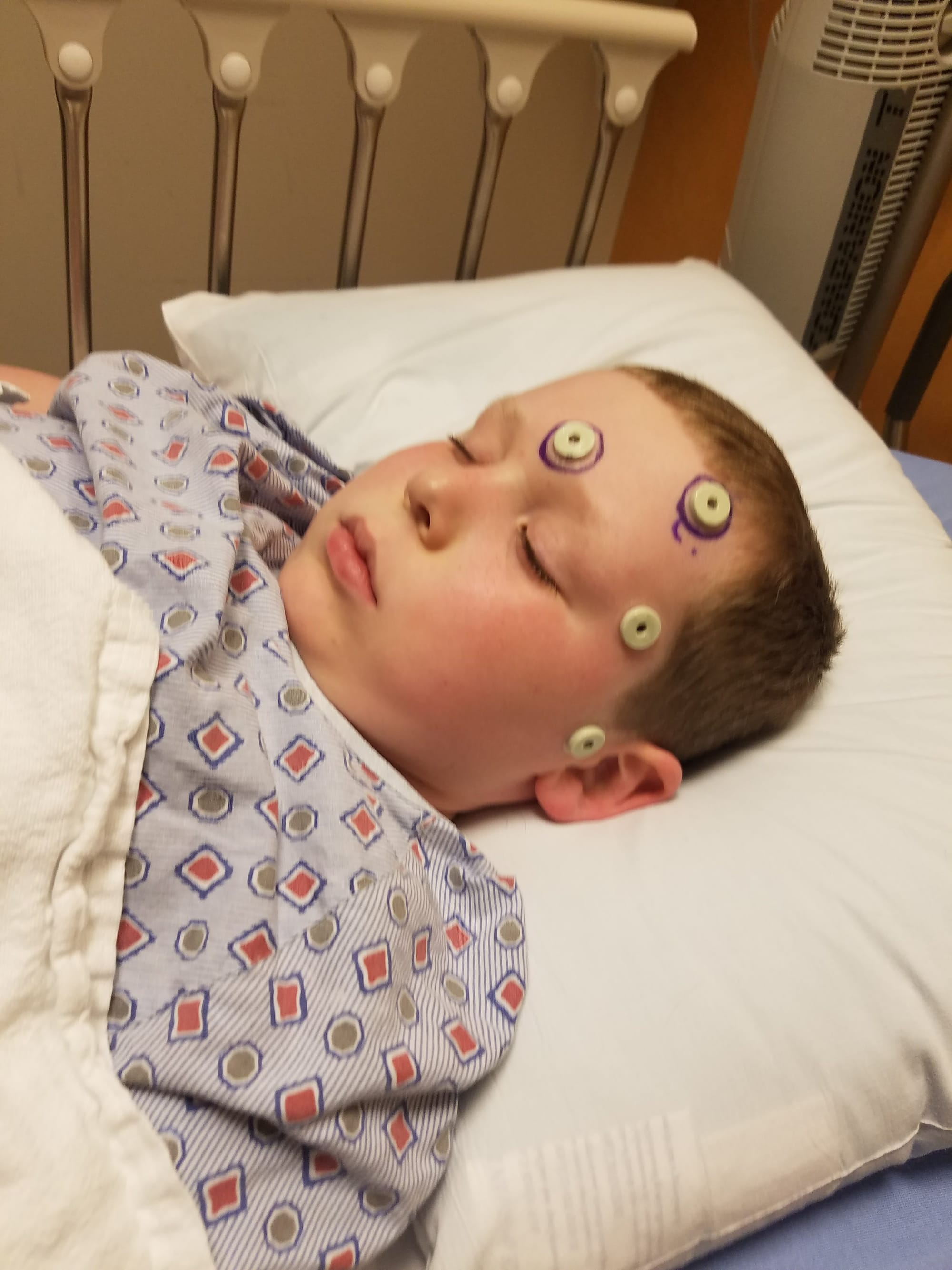
The film's connection to David Turner Jr. is not incidental. It is, in many ways, the reason this documentary exists at all in the form it does- because David and Kyler were friends, and their mothers found in each other something neither had been able to find anywhere else.
Elizabeth Turner is the current president of the Kentucky Pediatric Cancer Research Trust Fund. But before any of that, she was simply David's mom.
Her son was diagnosed with DIPG in 2018. He was six years old, and like so many of these stories, it began with almost nothing at all.
"He had one day of symptoms," Elizabeth told me. "My dad picked him up. He told my dad that he hit his head at school. He didn't have the words or understanding of what a headache was. He had a headache. He did not hit his head at school."
Within a short time, David was diagnosed. "In one breath, we were told that our child had cancer," she said. "In the very next breath, that he would not survive this type of cancer."
At the time, median survival for DIPG was estimated at six to nine months, maybe twelve. David lived with it for three years, one month, and four days.
"He responded well to radiation therapy," Elizabeth said, "but he didn't have the most common mutation for the trials that were really being targeted." David had been a typical, active kid- jujitsu, sports, running, laughing. The disease slowly took his gross and fine motor function. He eventually became a wheelchair user. He lost his ability to talk, walk, and swallow.
"We did other interventions to communicate with him," Elizabeth told me, "but it got to a point where only his father and I could really understand him."
What strikes her most, even now, is the impossible weight placed on parents in a diagnosis like this one.
"When else do you go to the doctor and you're given a diagnosis, and the burden of deciding what to do falls solely to you as the parent?" she said. "I think that's what makes it really difficult- and a lot of guilt, too. Because could we have done something different? That's what I hear from other families, where they second-guess themselves."
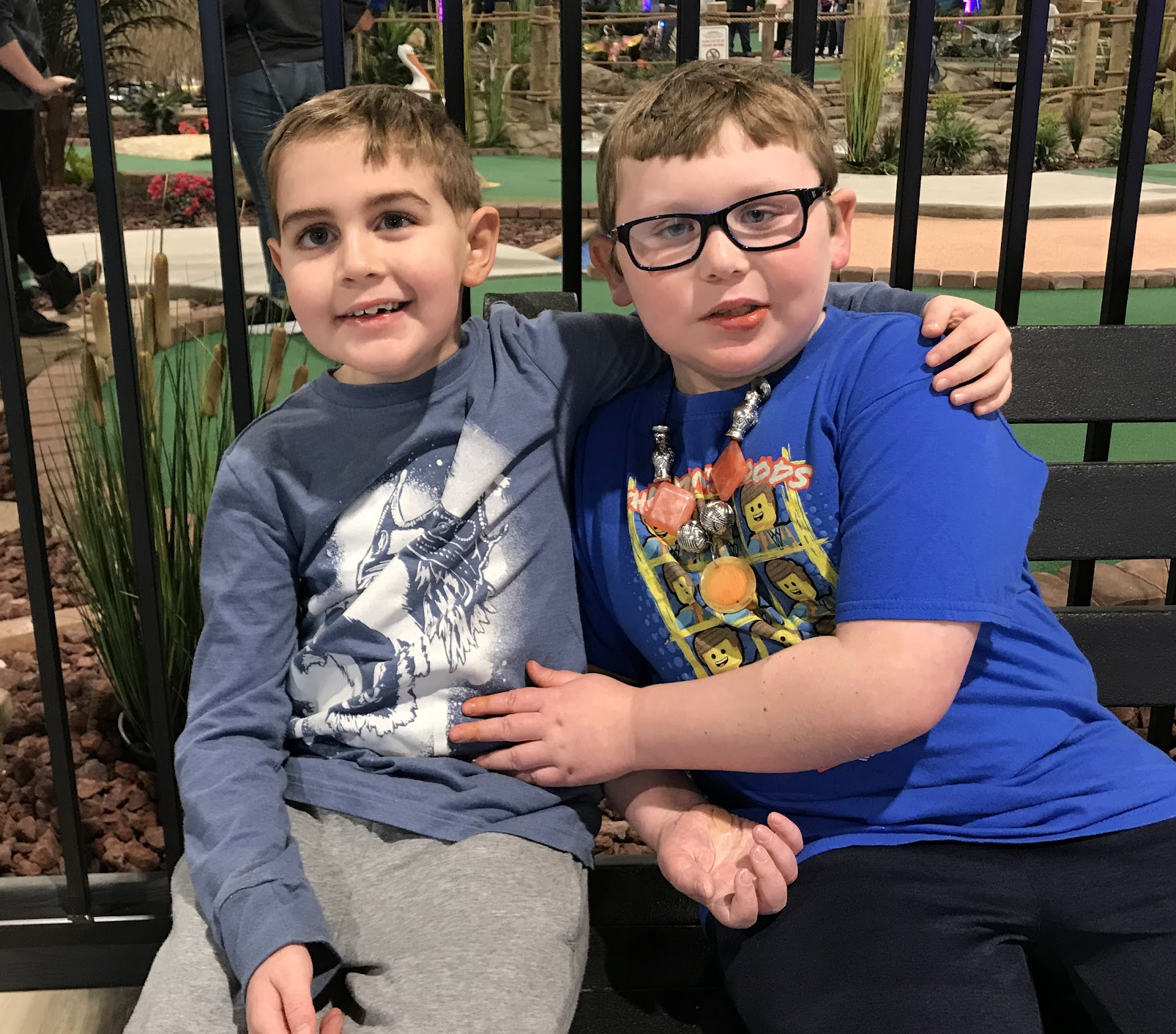
When Kyler Buckner was diagnosed in 2019, David had already been living with DIPG for a year.
"David and Kyler knew each other, and they have a lot of things in common," Elizabeth told me. "When Kyler was diagnosed, they were both at the same Boy Scout camp." Both boys were the same age. Both loved Pokémon. Both had been in Scouts. "There was just so many things in common between the two of them," she said. "So they were friends, and would send encouraging messages and videos to each other."
For two Louisville families living through something almost no one else around them could understand, that friendship mattered enormously.
"It was comforting to them both that they knew someone else with DIPG," Elizabeth said, "because we didn't. There was no one else locally at the time during my son's diagnosis."
That is precisely the isolation Kristen Mackin has spoken about- the sense of having no community, no roadmap, nothing but a pamphlet thrown across a room. Elizabeth found herself building that community the hard way, in real time, alongside other mothers.
"We were going to Facebook and finding families," she said. "Messaging the parents- the moms, I call it the network of the moms, but the dads too. What are you doing? How's this happening? How are things going? What do you think?"
That informal network of mothers finding each other in the dark is, in many ways, the same network Kristen hopes 499 Days will now extend to families who come after her.
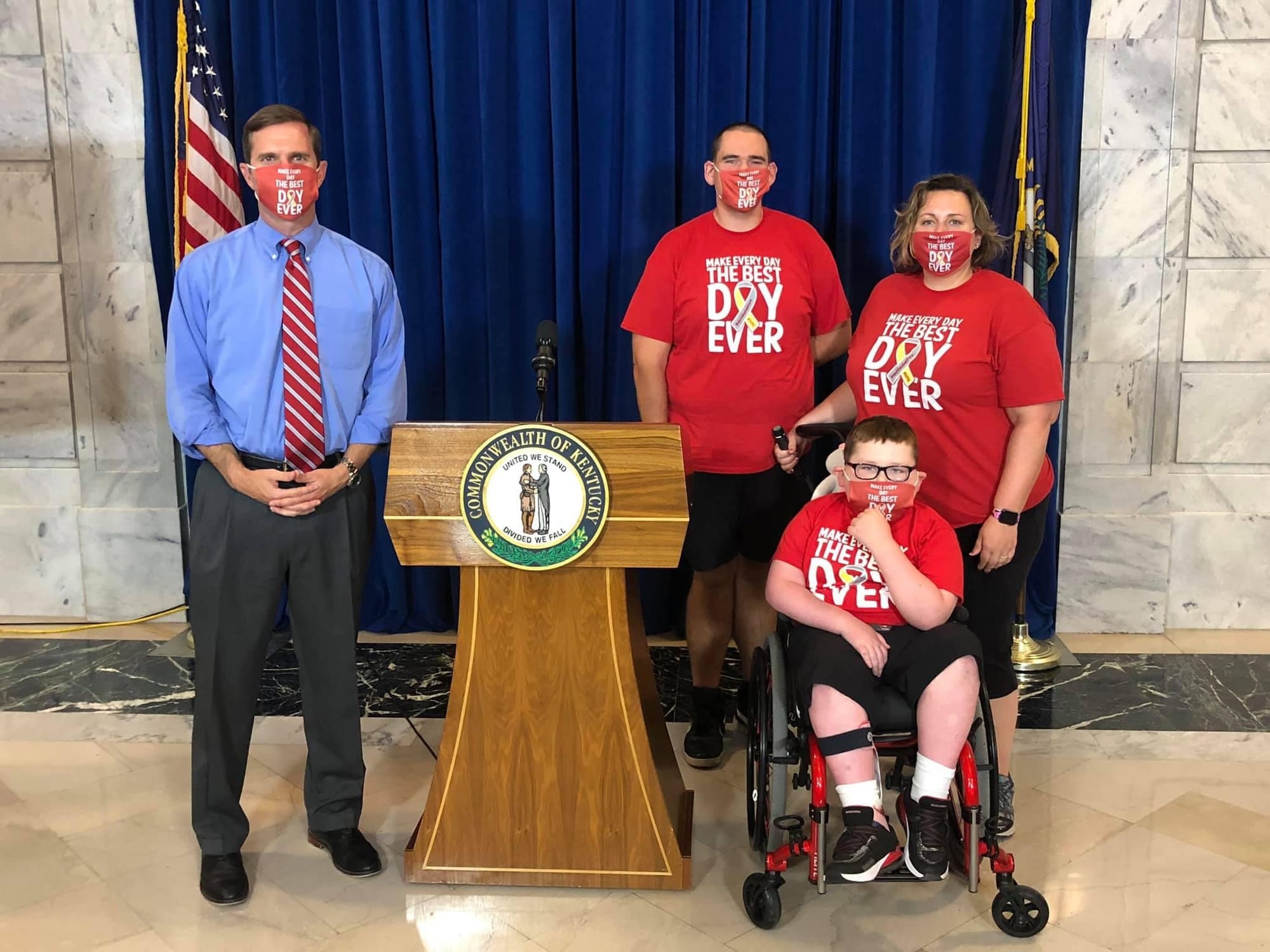
Kentucky now recognizes May 21st as David Turner Jr. Ice Cream Day, alongside the state's annual DIPG Awareness proclamation. The idea came directly from David himself. When he first met Governor Beshear, the governor asked him what he wanted to do. David's answer: make National Ice Cream Day.
During the pandemic, David- who had been wearing a face mask since his 2018 diagnosis, long before masks became a matter of public debate- was upset that everything around him was shut down. He told his mother he wanted to help explain to people why they should wear a mask. He ended up doing a live segment with the governor.
"I gave him no prep," Elizabeth said, laughing at the memory even now. "I'm like, what are you going to say, David? And he ran through it." She had asked him twice, in the car. "I was like, just make sure you talk loud and clearly. And I didn't give him any other prep at all. He came up with the words. I did have a little bit of fear, because I gave him a live mic. I was like, oh no, I hope we don't say something we shouldn't." He didn't. "He did an amazing job," Elizabeth said. "I'm just so proud of him."
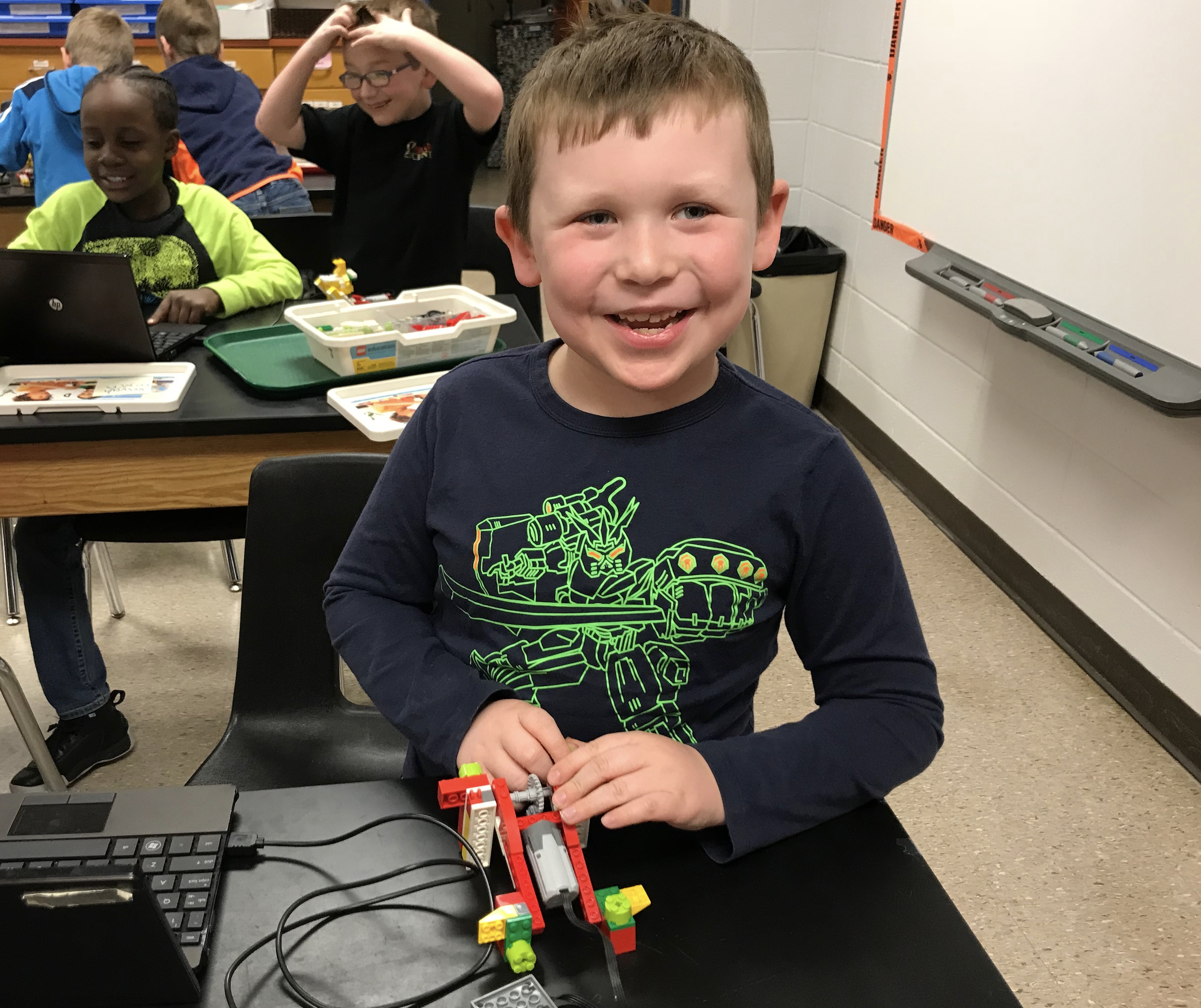
David passed away just before his tenth birthday. Elizabeth has spent the years since turning her grief into structural, statewide change.
She now leads the Kentucky Pediatric Cancer Research Trust Fund, a state trust established in 2015 through Senate Bill 82, sponsored by state Senator Max Wise-himself a father whose own child has faced a cancer diagnosis. The fund began as little more than a checkoff box on Kentucky tax returns. It received its first legislative appropriation of $5 million in 2018. Since then, the trust fund has received more than $51.5 million in state appropriations.
That funding goes toward peer-reviewed research at the state's two pediatric treating hospitals- Norton in Louisville and UK in Lexington- following a scoring process modeled after the National Institutes of Health, decided by an 18-member board made up of researchers, doctors, survivors, and bereaved parents like Elizabeth.
Kentucky's approach has become something other states now look to. "Our legislation was used to create the legislation in California in 2025," Liz told me. "Not only are we a national leader in this space with our commitment to funding- other states' legislation is being modeled after ours."
One project Elizabeth is especially invested in, both professionally and personally, is being led by Dr. Eric Durbin- director of the Kentucky Cancer Registry and a fellow board member- whom she calls "my numbers guy." It's called the Accelerate project, and it's asking exactly the question so many Kentucky families are asking right now: what genomic or environmental factors might be connected to the state's unusually high rate of pediatric brain tumors.
Kentucky currently ranks sixth in the nation for pediatric brain tumor diagnoses- a ranking that fluctuates between fourth and sixth depending on the year. Brain tumors have now surpassed leukemia as the leading cause of cancer-related death in American children, in part because survival rates for leukemia have improved so dramatically over the past several decades while brain tumor treatment has not kept pace.
"I had no idea cancer was the leading cause of death by disease in children across the United States," Elizabeth told me, describing her life before David's diagnosis, when she worked in occupational health and wellness programming. "I had no idea how much higher incident rates were in Kentucky."
I asked Elizabeth what it was like to watch the recent wave of DIPG diagnoses in Eastern Kentucky begin to surface- cases in communities that, like her own experience years earlier, had no idea what they were facing or where to turn.
"I did have some individuals who reached out to me on social media," she said, "and I immediately connected them with Dr. Durbin at the Cancer Registry."
Once elevated cases were confirmed, she said, the trust fund began working on ways to respond- including an informational packet specifically about DIPG that's currently moving through an approval process, and internal conversations about whether existing research infrastructure could be pointed toward answering why cases are showing up in a specific region.
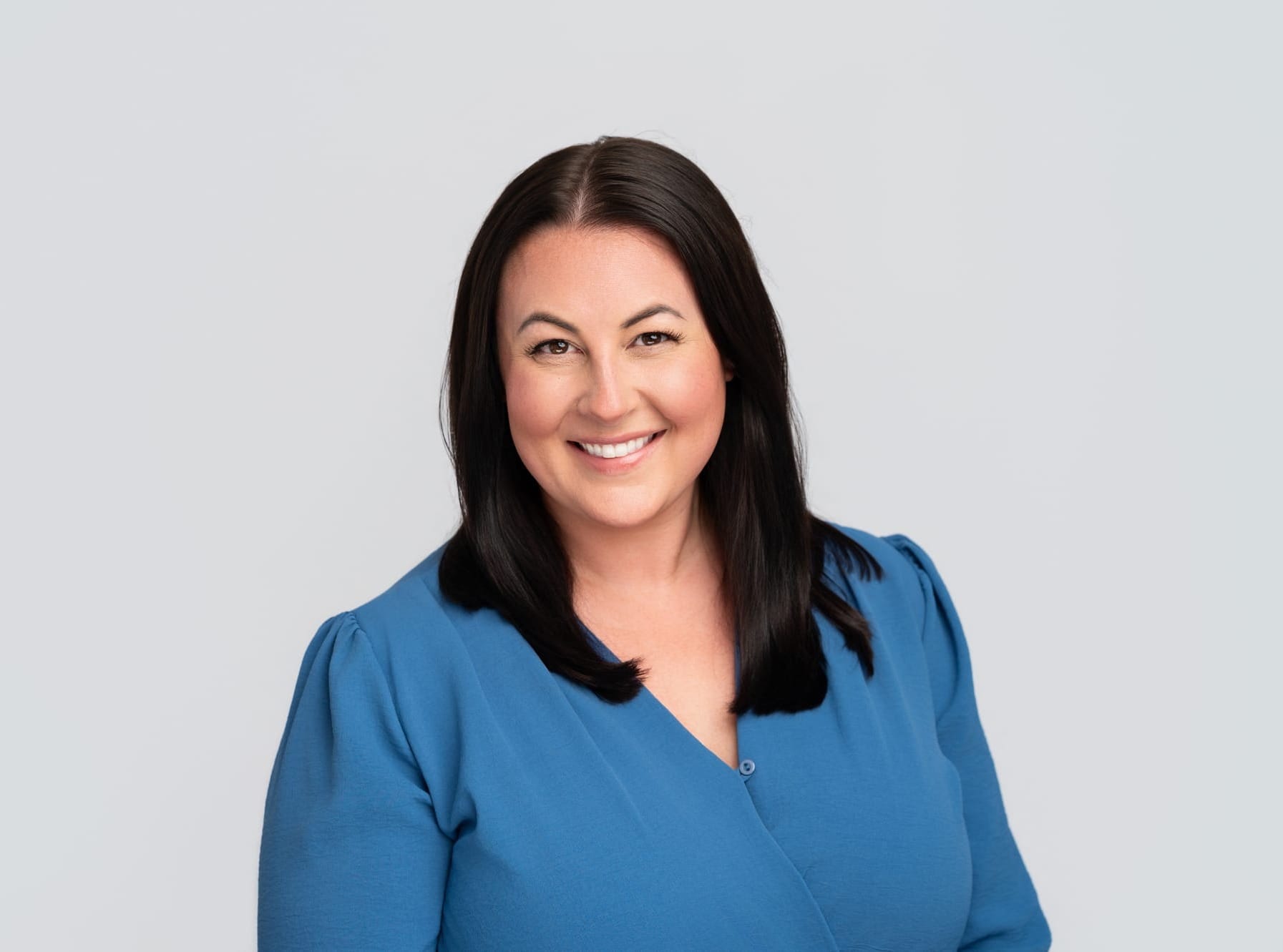
 Shay McAlister
"There are higher incident rates in the Appalachia area as well," Elizabeth said. "That's been a focus area too."
I asked her directly whether she feels Kentucky is doing enough.
"I feel proud of the work that we've done," she said. "We've come a really long way with our commitment to state-level funding." But she was equally direct about the limits of pride in the face of an unsolved disease. "It's certainly never going to be enough until, one day, our children are diagnosed and there's actually a treatment plan that can result in survivorship. Or if it's something that can be prevented. It's just that we don't know what's causing these tumors. It is unknown."
For Kristen- learning about the new cases in Eastern Kentucky struck a nerve. It's a reminder of the unknown.
"I think it's scary," she said, "because it's unknown why we get them in our families. They can't say it's genetic. They can't say it's environmental. Literally, I was told it's just bad luck. So for a community to be impacted in that way, by so many children- it's devastating. And I have no idea how they're handling it, because I know just having one child, or two, in a community is still really hard."
Still, she chooses to hold onto hope about what increased attention could mean.
"I'm hoping this impacts funding, research, and awareness," Kristen said, "so that the same treatment someone like my child went through in 2020 doesn't continue to be the same thing kids go through."
I asked Kristen what her greatest hope is for the film- whether it's that the right family finds it when they need it most, or simply that Kyler continues to live on.
"I think both of those things would be the right answer," she said.
She knows the film won't offer viewers a happy ending. It can't. But she hopes it offers something else: the sense, for a family just entering this nightmare, that they are not the only ones who have ever walked through it.
Kristen also spoke about something she says people rarely understand about grief after losing a child: the discomfort other people feel around it, and how much it means when someone is willing to simply let a grieving parent talk.
"One of the things people have a hard time with, when you've lost a child, is they don't want to talk to you about it," she said. "But I want to talk about my child, because I won't get to have new stories. I love the stories that I do have, and I want to share them."
This film, is a chance to talk all about Kyler and not just his diagnosis, but everything that made him, him.
"These are still our children," she said. "And we love them, and we miss them. Being able to talk about them is a way to help us connect with our children- in a way that people who go to sporting events, and get to do fun stuff with their kids still, get to do every day. I only get to do it through saying: these are the things my child loved, and he enjoyed, and he did, and our journey."
Toward the end of our conversation, Kristen wanted to make sure I understood something: the community she found after Kyler's diagnosis is real, and it is available to any family who needs it, even if it's not always easy to find at first.
She pointed specifically to Liz Turner, who Kristen says has connected countless Kentucky DIPG families to one another. She also named several organizations doing this work directly- Gilda's Club, Kids Cancer Alliance, and Courageous Kids- all of which she says exist to help families feel less alone inside a diagnosis that isolates people by its very nature.
"Childhood cancer tends to make you feel that way," she said, "because you don't always know the kid that gets cancer. And then being the one who has a child that gets cancer- it's just like, I don't even know how to do this."
All three organizations will have a presence at the August 1 premiere, and Kristen hopes people who attend will consider more than just watching the film.
"We really want it to be sold out, obviously," she said. "But we also want people to be able to come and connect with the community. Because Gilda's Club, Kids Cancer Alliance- they're going to be there that day. And people might not be impacted, but they might be able to impact those families, and help find ways of volunteering to support families in need."
499 Days premieres Saturday, August 1, at 2:00 PM at the Kentucky Science Center, as part of the Flyover Film Festival's "Ideas in Action" program. As of last week, only about 70 of the venue's 200 tickets had been claimed- Kristen and Liz are both hoping the community will help fill the room.
Representatives from Gilda's Club, Kids Cancer Alliance, and Courageous Kids will be on site for anyone who wants to learn more, connect with the DIPG community, or find ways to support families currently navigating a diagnosis. Elizabeth Turner and the Kentucky Pediatric Cancer Research Trust Fund will also be there, alongside David's community.
The film will travel beyond Louisville too- it's set to screen at the Brainstorm Summit in Washington, D.C. in the weeks following its Kentucky premiere.
Kristen will be at the Science Center. She told me how to find her.
"I'll be the one with the pink hat," she said.
Pink, it turns out, was Kyler's favorite color.
You can buy tickets to watch the film on Saturday in Louisville, here.
Like what you see? Learn more about Shay Informed here! This is honest journalism with compassion and clarity.