What Kentucky knew, and when: Inside the state's response to an unusual pattern of pediatric cancer
– 13 min read


Internal records and an exclusive interview with the Whitley County Public Health Director reveal the full timeline- and what's being done about it right now.
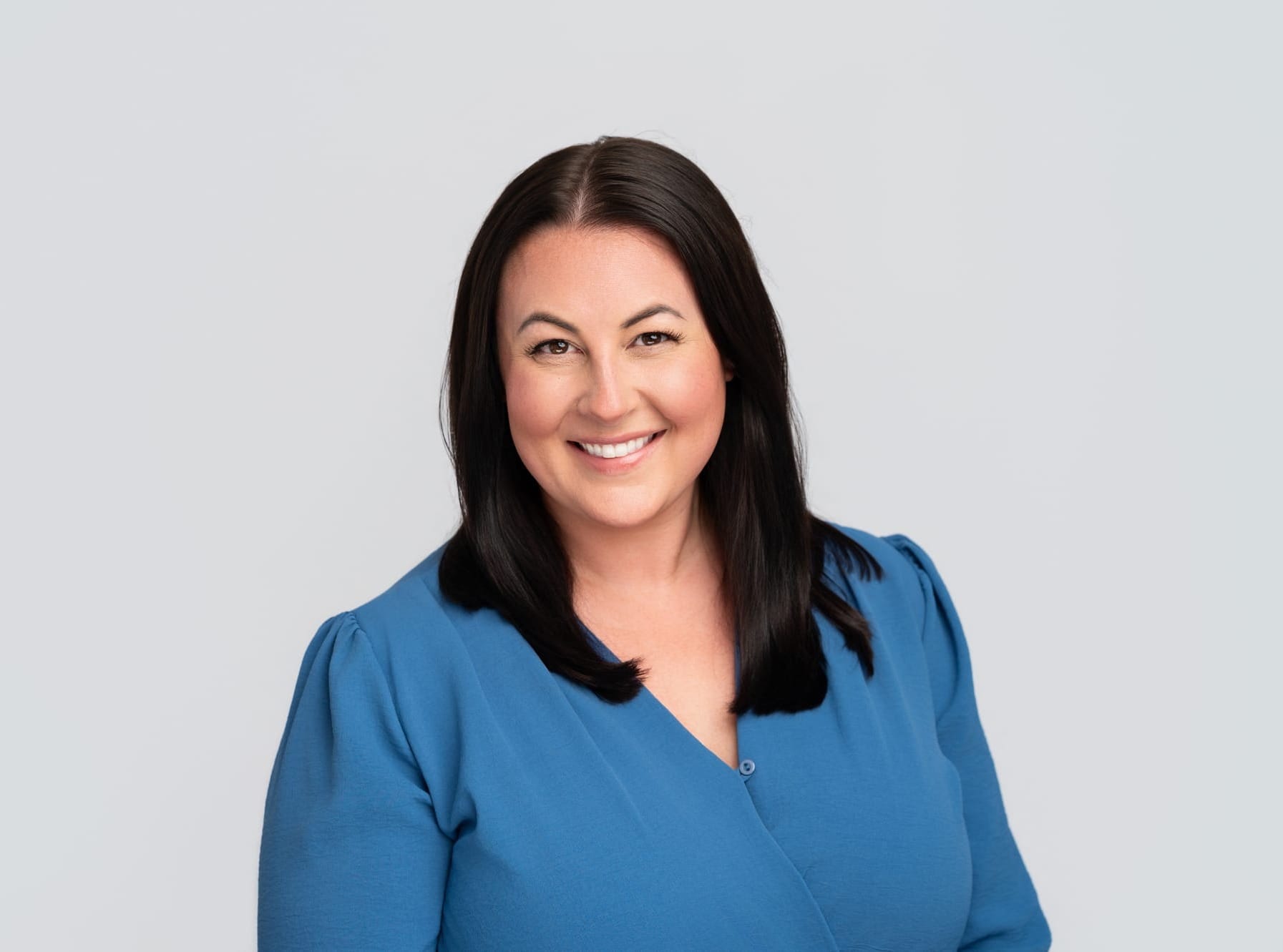
I'm Shay McAlister, and this is Shay Informed: an independent, ad-free platform dedicated to honest journalism with compassion and clarity.
I believe some stories are too important to stay behind a paywall. That's why I'm making this piece free to read for everyone. Informed communities make better decisions and that can only happen when people have access to honest, thorough reporting.
Shay Informed is 100% reader-funded. No ads. No corporate backing. Just journalism that answers to you. If you'd like to help keep this work going, please consider subscribing.
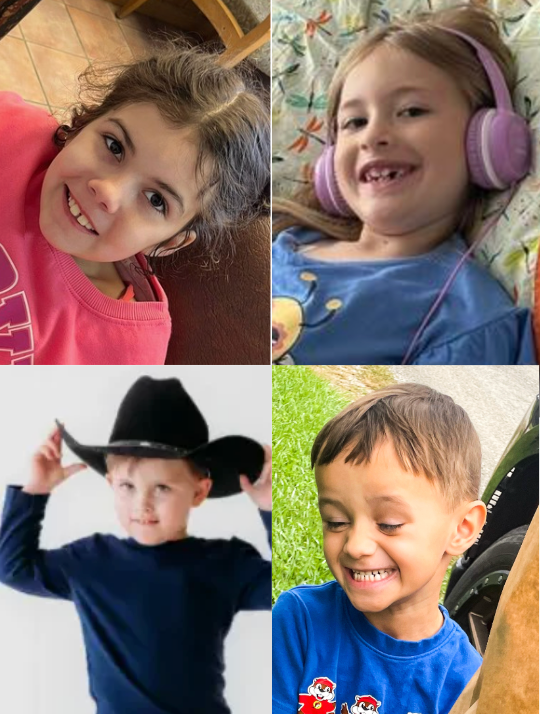
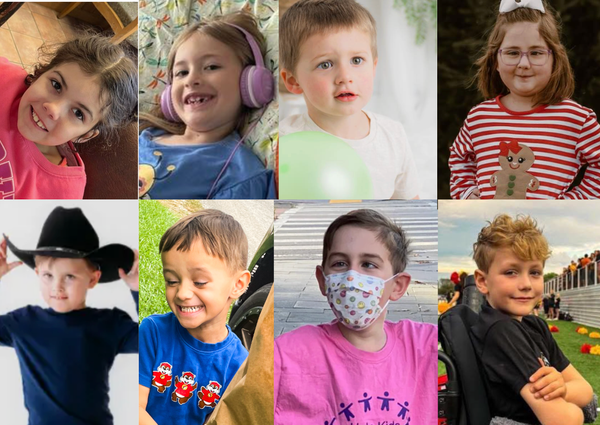
Ayven Dennis hiked two miles to Eagle Falls with his mom just weeks before his first symptom appeared. He was six. Ten months after his diagnosis, he was gone.
Destiny Miniard was ten days from her ninth birthday when her mother noticed her walking strangely through the kitchen. Her tumor grew a full centimeter in ten days. She is still fighting- and, against extraordinary odds, she is winning ground no one expected her to win.
These are two of the children behind a number the state of Kentucky confirmed this spring: ten cases of Diffuse Intrinsic Pontine Glioma, a rare and devastating pediatric brain cancer, diagnosed in Eastern Kentucky children since 2024. The statewide average is two or three cases a year, for the entire state. Whitley County alone- a rural community of roughly 36,000 people- has had three.
I have spent months reporting on these children and their families. This article is different. It is about what the government knew, when it knew it, and what has actually been happening behind closed doors since the moment the first alarm was raised.
Through documents obtained under the Kentucky Open Records Act, and through an exclusive interview with the public health director at the center of the local response, I can now offer the most complete picture yet of how Kentucky handled this crisis- including new detail on the environmental testing process now finally underway.
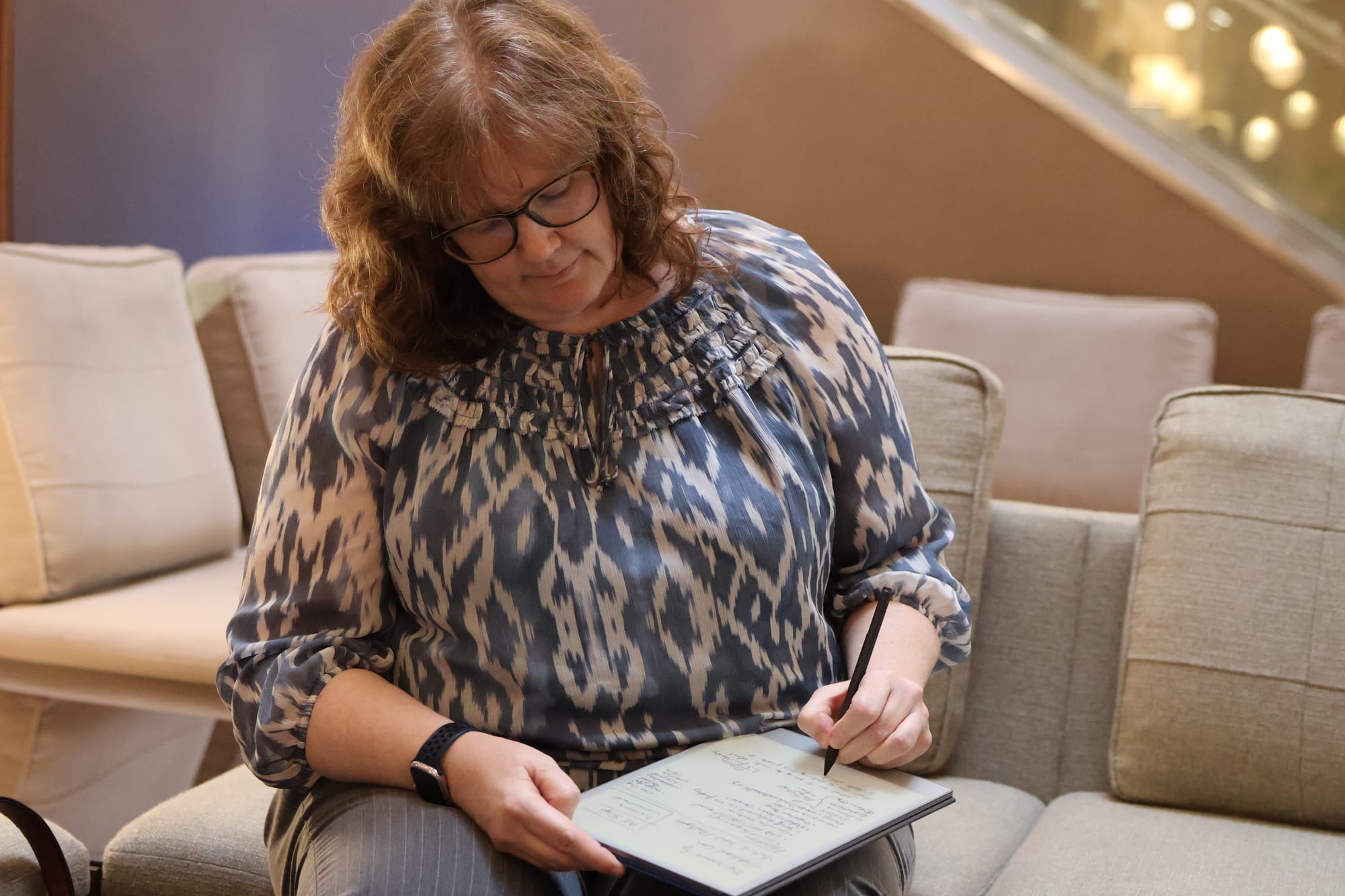
The public health director I talked to is Marcy Rein, and before we get into what she shared with me, I want you to understand who you're hearing from. Marcy isn't a bureaucrat reading from a script. This is someone who ended up in public health because of what she saw as a nurse, working in the NICU.
"After a while, I started to see very similar things happening to babies, and thinking there's got to be something we can do upstream. Like there's got to be something to prevent this from happening, and so that's how I found out about public health," she told me. She has a master's in public health and a doctorate of nursing practice.
Above her degrees and qualifications, she is mom living in Whitley County, who cares deeply about her community. "It's a very small town kind of place. People know me, my family, and I think that that's really special to have a place where you really feel like you're a piece of that community and that you can have a valuable role in that community."
That's why she says she reached out to me earlier this month. She asked if we could meet for coffee to talk through what she knew and find a way to help her community understand a process that has felt, to many of them, like silence.
"Just because we're quiet," she told me, "doesn't mean we're not working on it." After multiple conversations with her, I believe that. Wholeheartedly.
State records show that a Whitley County resident first alerted Kentucky state officials to a possible cluster of pediatric DIPG cases in May 2025- nearly a full year before the public learned anything from them.
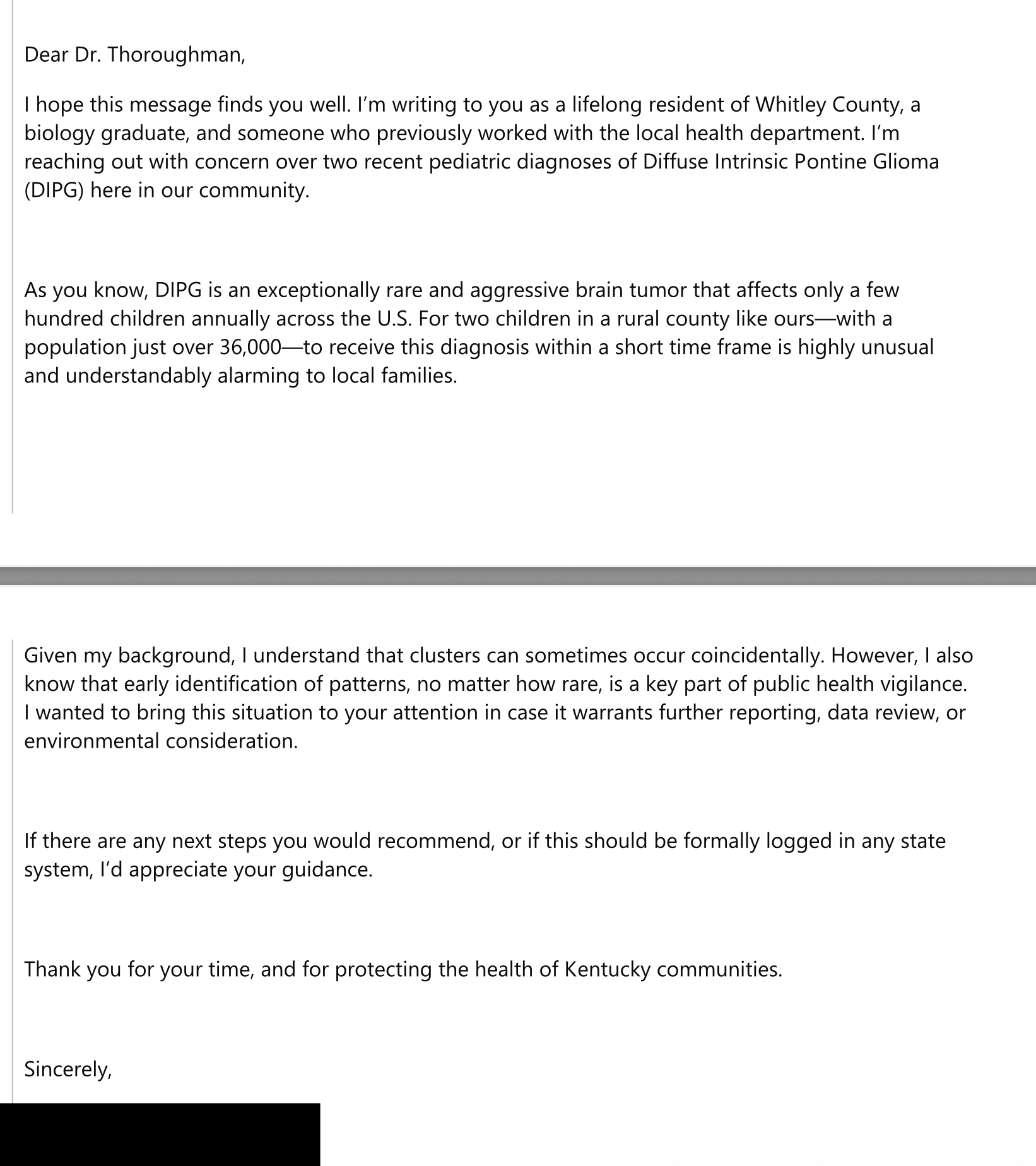
The resident, who had a background in public health, reported concern about children in her community being diagnosed with this exceptionally rare cancer. State officials responded quickly and called her concerns credible. An initial review was opened.
And then, according to state records, the trail went cold. The state says the names it was given could not be matched to confirmed cases in the cancer registry- one turned out to reference a different cancer entirely. The others could not be located due to a name-spelling issue that wasn't resolved until nearly a year later.
I asked the state directly why that gap happened, and whether it could have been closed sooner. Marcy Rein, who was briefed on this history early in her own involvement this spring, gave me a candid account of it.
"When they didn't have anywhere to go with it, they didn't go anywhere with it," she told me, "because it was sort of like, well, we don't know what else to do."
It wasn't a cover-up, but a system that had no clear next step once a community report couldn't be immediately confirmed.
And that gap wasn't a surprise. It had already been identified, in writing, by the state's own cancer surveillance team. Records reveal nearly two years before the Whitley County report came in, state epidemiologists gave a formal presentation acknowledging unresolved questions in exactly this part of the process: what happens once a report comes in that can't be immediately verified? How cases diagnosed outside Kentucky make their way into the registry? And how findings get escalated once a pattern is suspected? Those questions were still unanswered in May 2025.
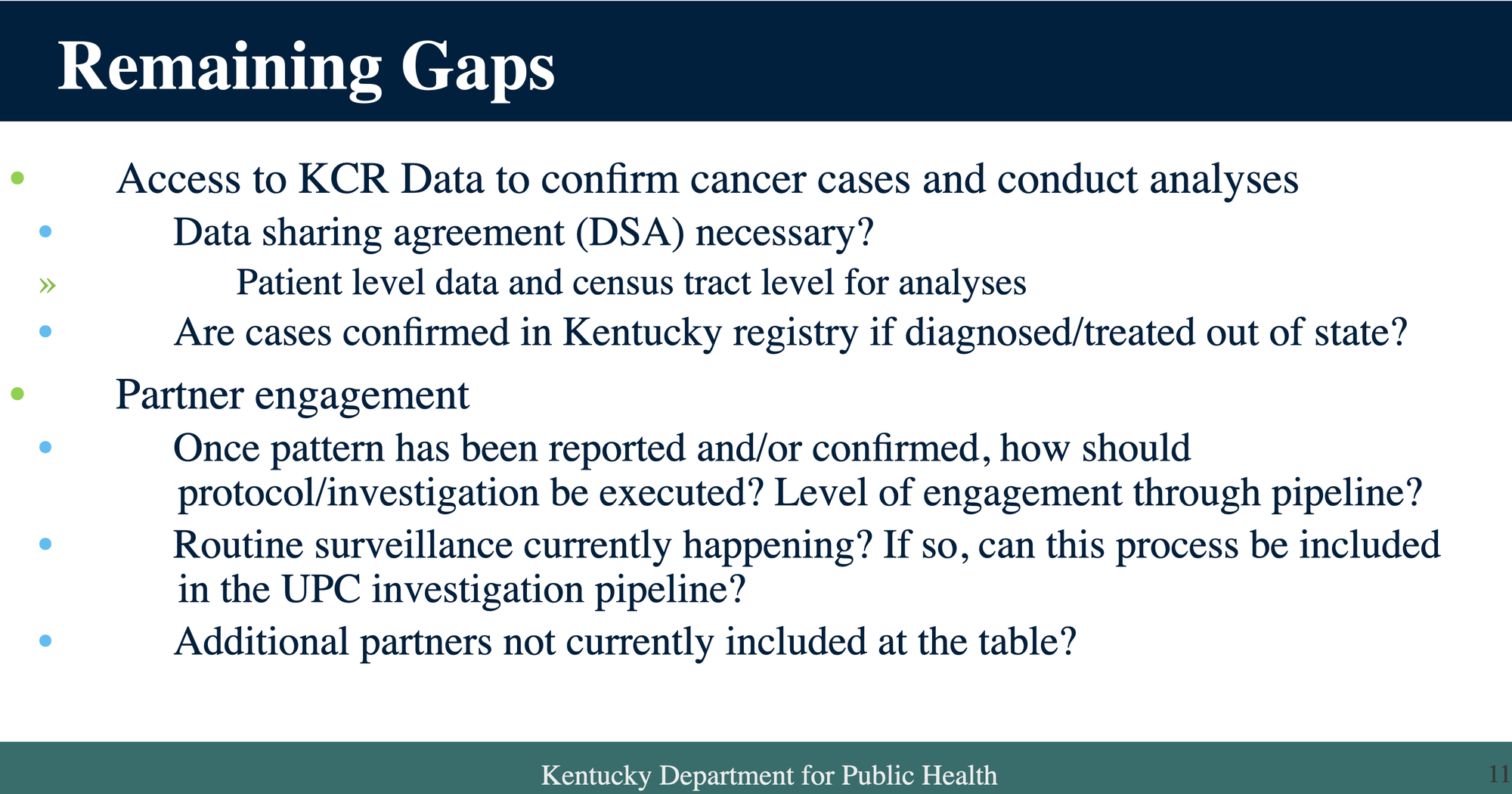
By April 2026, community pressure had reached the level of Kentucky Cabinet for Health and Family Services Secretary Steven Stack, who received a letter from a distressed parent describing at least six suspected cases in the Corbin community, including a six-year-old diagnosed the day before, and a five-year-old who had recently died.
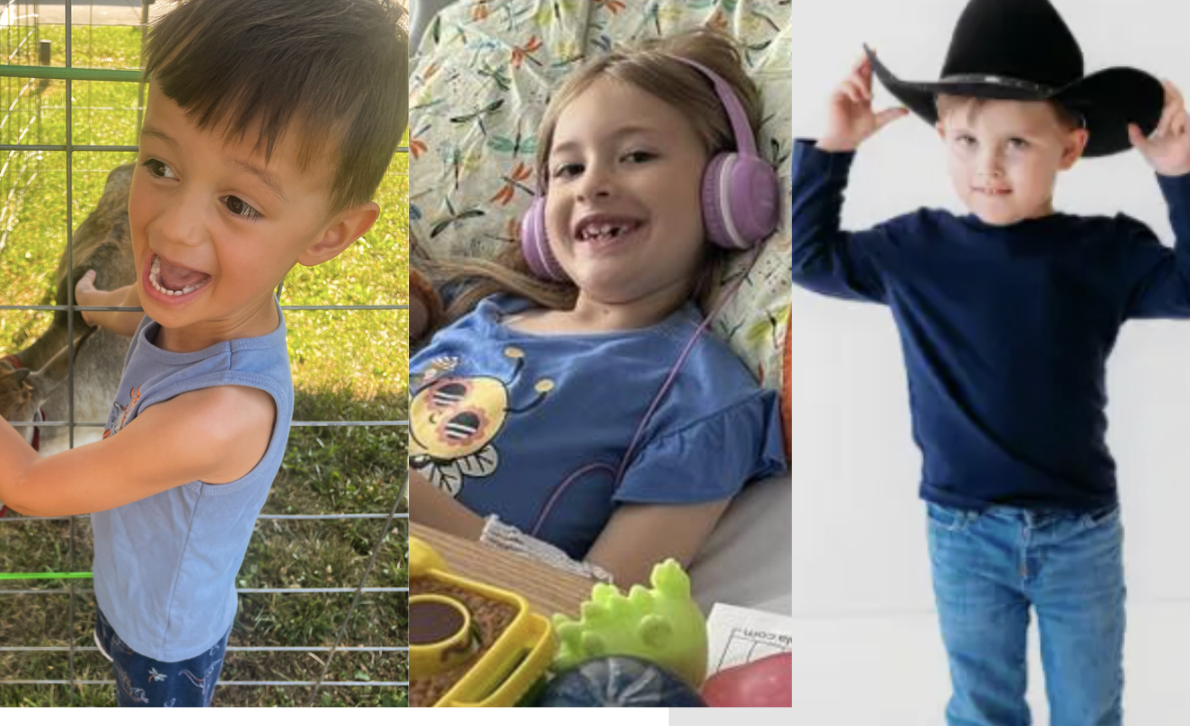
6-year-old Ayven Dennis and 5-year-old Waylon Taylor both died in March of this year from DIPG. 7-year-old Millie Kate Daughtery was diagnosed with the brain tumor one month later. The deaths and diagnoses were all over social media. The fear and uncertainty were spreading, and community members were turning to the state and local health officials for help.
It was at that time Whitley County Public Health Director Marcy Rein raised an alarm of her own. She was hearing the same fears from her own community- and reached out to the state. That, and the letter from the community member, appear to be what finally moved the investigation forward.
When new reports came in this April, the state says it was able to do what it couldn't do in May 2025: confirm the cases. Two of the five newly reported cases turned out to be the very same children reported a year earlier- this time, with names spelled correctly.
"Fast forward to when we started meeting this last April," Marcy told me. "It turns out the spelling was incorrect enough that it wasn't found in the searches of the data. Once they got the correct spelling, they said, 'Oh yes, that was that person.'"
A full year. A spelling error. A process with no fallback plan.
One thing Marcy was careful to explain to me: the word "cluster" has a precise scientific meaning, and Whitley County's three cases, on their own, don't meet that formal threshold.
"I can say with relative confidence that we don't expect to see three in Whitley County, or 10 in Eastern Kentucky as a whole," she told me. "That is concerning... but the three that they have confirmed in Whitley County doesn't meet the definition of a cluster from the county level. It is unusual."
A cluster is defined by a location- more specific than a region or a county. It would be a neighborhood, a school, etc. That has not been identified in these cases yet.
The official designation is "Unusual Pattern of Cancer"- the trigger that puts a formal, structured investigation process into motion. And that process is in motion.
For the first time, I can show Kentucky exactly what that process looks like- because Marcy shared with me the public-facing roadmap her department is using.
The investigation follows CDC and Agency for Toxic Substances and Disease Registry (ATSDR) guidelines for examining unusual cancer patterns, and it moves through four phases:
Phase 1: Start the conversation. Receive the community report, talk with residents and partners, gather initial case information, and decide whether it meets the bar to look deeper.
Phase 2: Examine data & criteria. Review cancer registry data, assess environmental concerns, run a statistical evaluation, and determine whether the pattern is genuinely unusual.
Phase 3: In-depth health studies. Assess whether a full study is feasible- which requires cancer experts, funding, and data. If so, conduct a detailed health investigation, examine how people may have been exposed, and decide which public health steps to take. This is where Kentucky stands right now- the state's own timeline estimate for this phase: 10 months or more.
Outcome: Response & action. Communicate findings on an ongoing basis, put solutions in place, continue watching the trends, and document lessons learned.
Seeing this laid out changes the conversation. It means Kentucky is not sitting on its hands- it is in the single longest, most resource-intensive phase of a formal, federally modeled investigation process. But it also means families should not expect a fast answer. The state's own estimate suggests this phase alone could stretch toward the middle of 2027.
This is the question every parent in Eastern Kentucky wants answered directly: is anyone testing the water, the soil, the air? The honest answer, according to Marcy, is more complicated than a simple yes or no.
"We don't know what we're testing for," she told me. "What are we testing for, and where should we target our testing first? Those are the questions we don't have answers to."
This isn't evasion- it's a genuine scientific constraint. Testing "the environment" without a specific hypothesis about what to look for produces results no one can interpret. So instead, the current work is about building the foundation that would let real testing begin.
Marcy described calling the engineer on her local board of health, who also manages a local water utility, just to understand her own county's water systems- what's on public water, what's on private wells, whether private wells are tracked anywhere the way septic systems are.
"I can't do the research," she said. "But I can help try to identify data sources and people that can contribute data- so that when we find a researcher, we can hand them a basket of tools."
That basket includes local geography: flooding patterns in the mountains, the absence of any Superfund sites in Whitley County, water systems that buy from neighboring systems in a kind of piggyback arrangement, and other details only someone who has lived in the community for over a decade would think to flag.
And there is a new, significant development: according to a written statement from the state, Kentucky has now met multiple times with the CDC and its Agency for Toxic Substances and Disease Registry to determine whether environmental factors might be connected to the increase in cases. The CDC has agreed to analyze data across multiple states to look for possible connections among DIPG cases nationally, and Kentucky has already shared its data for that analysis.
This is federal-level environmental health expertise, actively engaged, right now.
It's the movement many have been asking for but Marcy is honest that this will not move quickly.
"I think generally they say to expect a year or two, totally," she told me. "It's July. We're still trying to pull together the things that we need to start answering these questions."
Marcy walked me through why the scientific question is more complicated than most people assume- and why "it's probably the water" isn't something scientists can respond to without evidence.
"With cancer, you're not just looking at that child's life," she said. "You're looking at mom's pregnancy- so prenatal- and you're also potentially having to back up and look at preconception. Mom and dad, before they ever decided they were going to have a child."
A child diagnosed at five years old may have been exposed to something years before she was born. That widens what investigators call the "suspect list" enormously- and lengthens the timeline to match.
"We can't just say it's the water, or whatever, and proclaim that to be it, and then move on," Marcy said. "That doesn't help anybody. We really want to be as right as we possibly can."
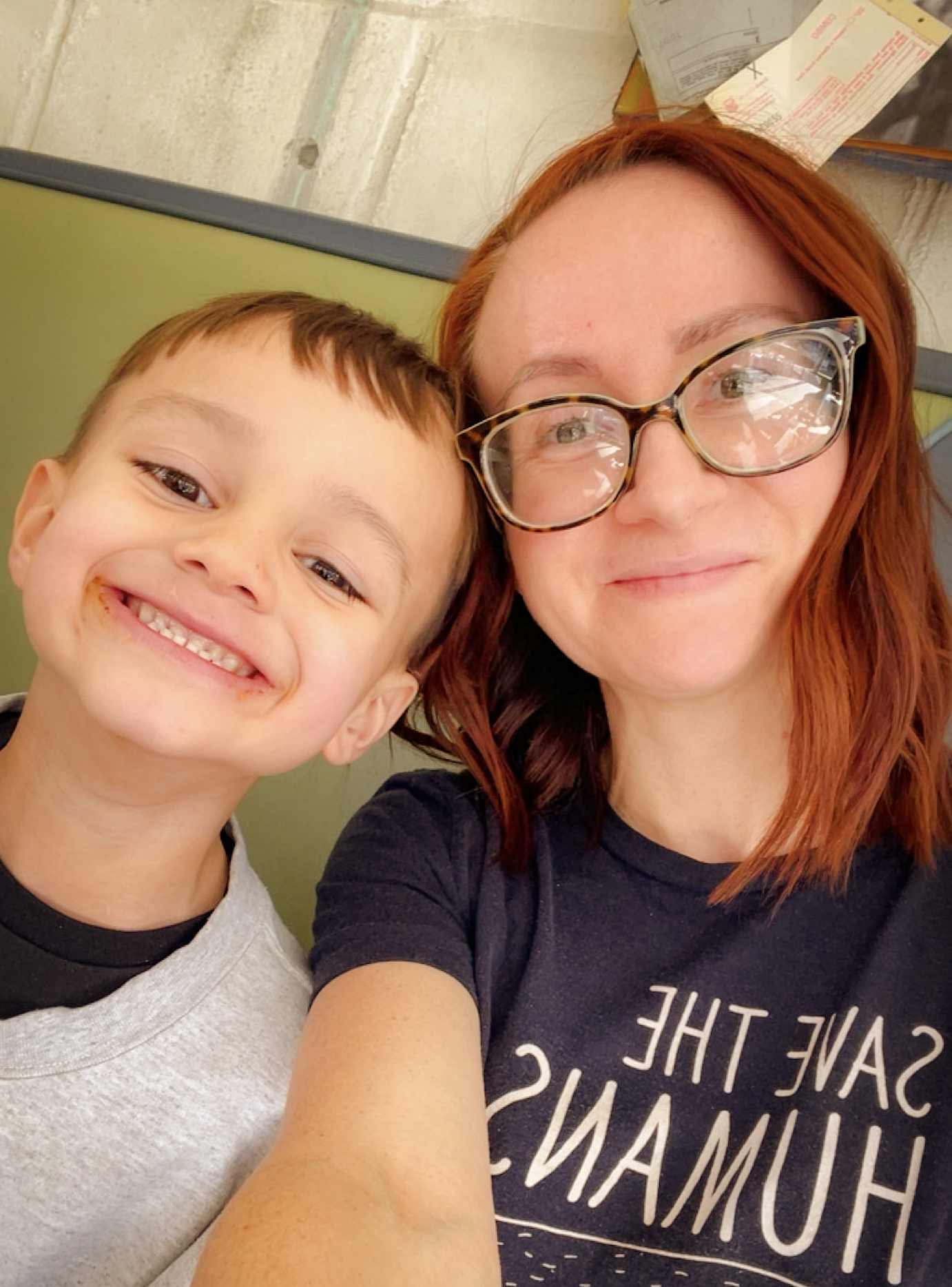
None of this changes what the families of this unusual pattern have already lived through- the reason any of this matters at all.
Ayven Dennis was diagnosed May 13, 2025- almost the exact week the very first alarm about Whitley County cases was quietly being raised inside state government. He completed thirty rounds of radiation. He traveled to Chicago for a clinical trial that gave his family a stretch of hope. In January 2026, his tumor worsened. He died March 5, 2026. He was six years old.
His mother Ashley Early, an ER nurse, told me the last thing he ever did was reach over and try to give her a hug.
"We haven't been angry enough," Ashley told me earlier this year. "When I sit back and really think about it- to see some choices our government makes on things we do spend money on versus things we don't- it is infuriating. I am very happy that attention and funding is being brought to this. I think it unfortunately won't save these children. But it might save a child ten years from now. And I think that's very important."
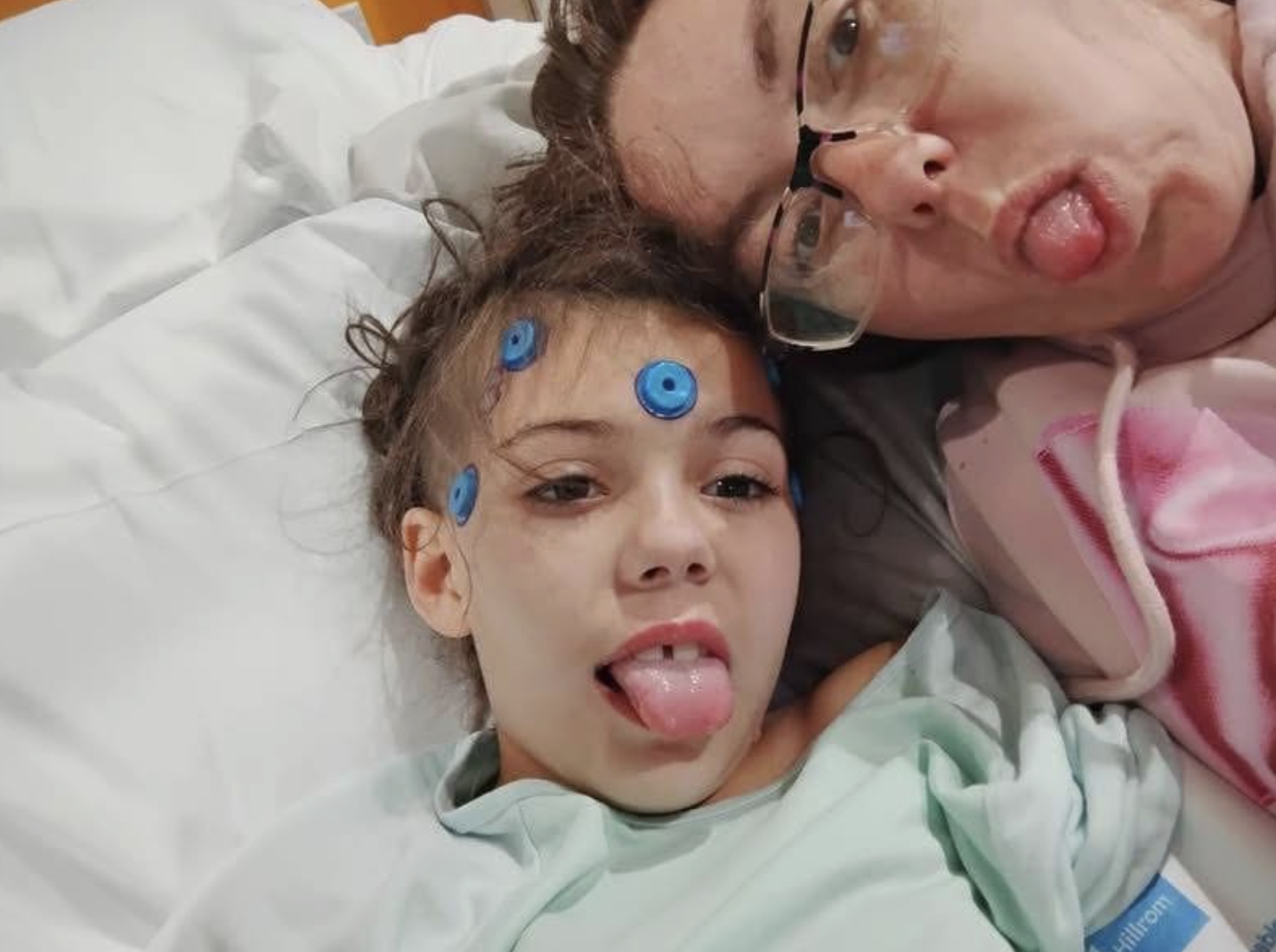
Destiny Miniard's story is different- and it's part of why this fight matters so much. After standard radiation produced only modest results, her mother made the difficult decision to pursue an additional treatment. Destiny has gone from a wheelchair to running. She is still here, more than a year past when doctors expected.
These are the children this investigation is for. Whatever the state's process requires- ten months, a year, two years- these families are living every single day of that timeline in real time, without knowing whether their child has that long.
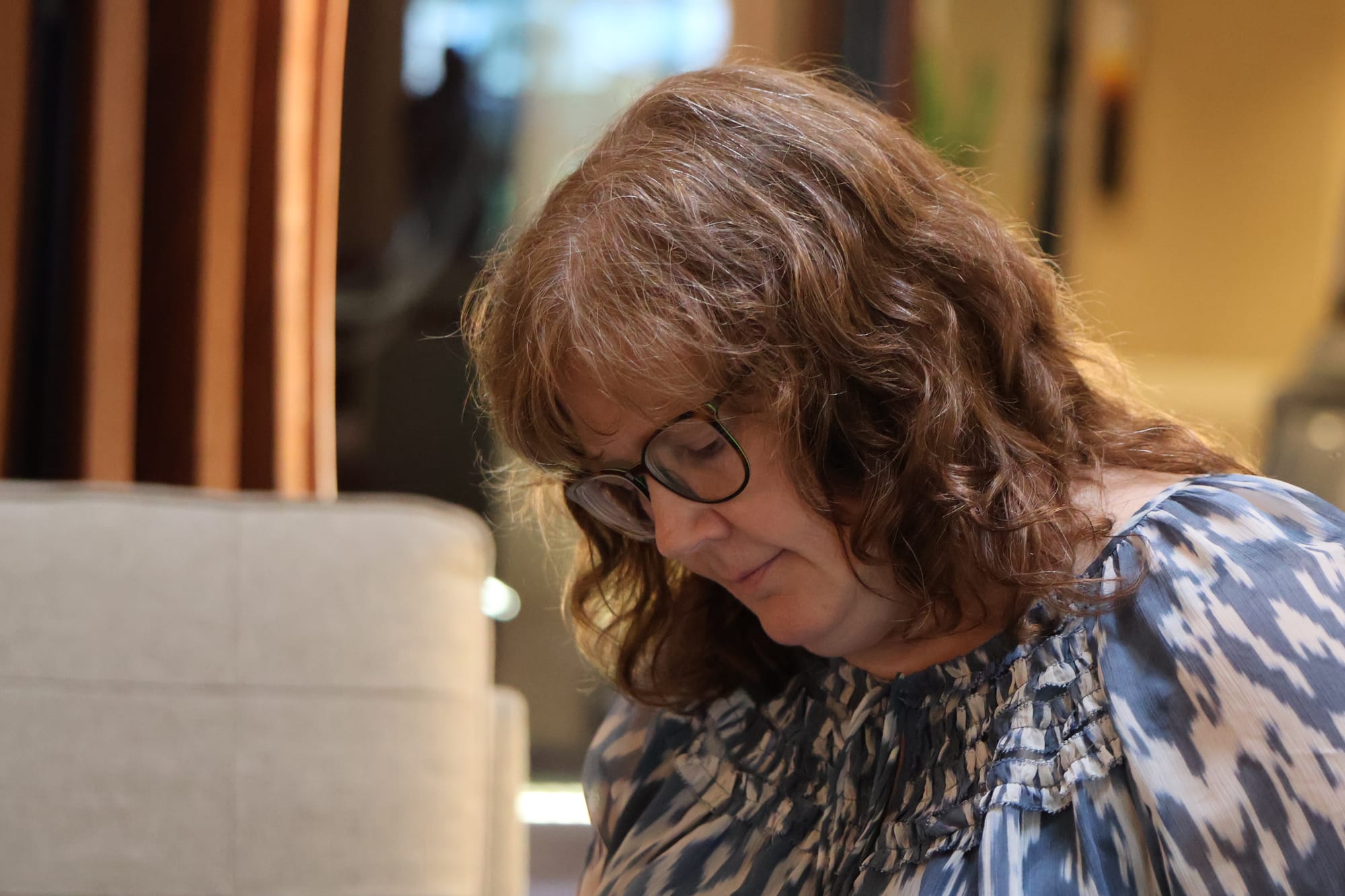
Marcy is planning a community forum, and before she books it, she wants to survey residents about what they most want addressed, so she can bring in the right experts to answer real concerns rather than guessing at them.
"I don't want to make people more scared," she told me. "But I do want to give people as much information as we have available."
She chose to speak with me because she believes her community deserves a clearer window into a process that has felt, from the outside, like nothing was happening.
"We know that they are concerned," she said. "We're working on it. We can't guarantee that we're going to have a great, successful, and satisfying answer at the end. But we want to get an answer- so that we can say, here's everything we've done, and here's what we know now."
The Cabinet for Health and Family Services declined to make state epidemiology staff available for an interview for this story and did not answer specific written questions, instead providing a general statement confirming the timeline of the 2025 and 2026 reports and describing the state's current work with CDC and ATSDR.
I will continue reporting as new information becomes available- including whatever Marcy's community forum surfaces, and whatever my outstanding records request reveals.
Marcy Rein is still gathering her toolbox. The federal government is still waiting on answers. And in Whitley County, three families already know what the rest of us are still trying to understand: that some clocks don't pause for process, and some children don't get the years this investigation is asking for.
Want to hear Marcy explain all of this in her own words? Paid Shay Informed subscribers can listen to my conversation with her on this week's episode of One More Question. Make sure you've added the weekly podcast to your library. Just follow the instructions below!
I believe some stories are too important to stay behind a paywall. That's why I'm making this piece free to read for everyone. Informed communities make better decisions and that can only happen when people have access to honest, thorough reporting.
Shay Informed is 100% reader-funded. No ads. No corporate backing. Just journalism that answers to you. If you'd like to help keep this work going, please consider subscribing.