"There is no cure": What happens after a DIPG diagnosis and the impossible decisions parents have to make
– 10 min read



A pediatric cancer expert explains the disease that's claiming children's lives in Eastern Kentucky. And one mother is rewriting the odds.
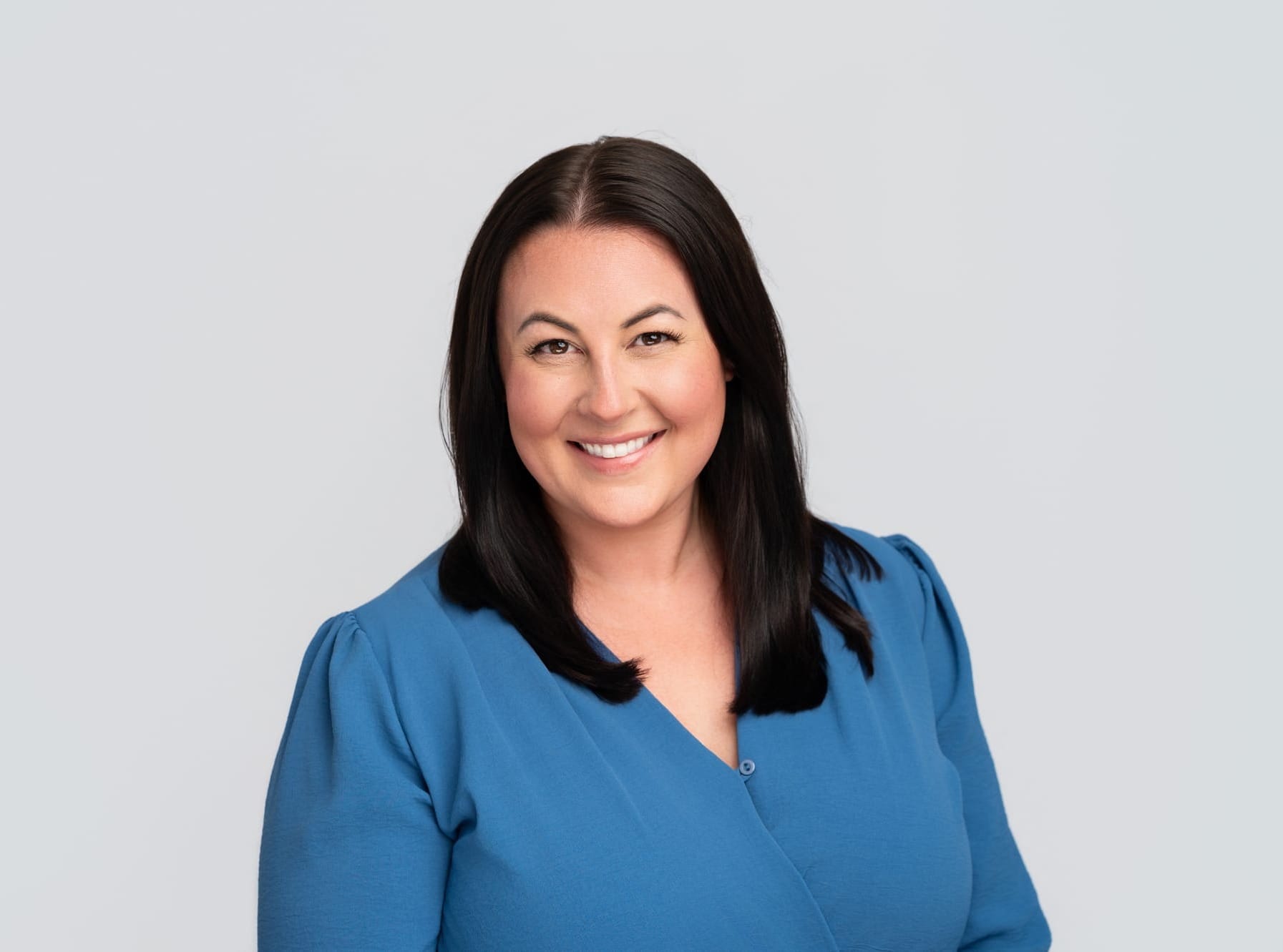
I'm Shay McAlister, and this is Shay Informed: an independent, ad-free platform dedicated to honest journalism with compassion and clarity.
I believe some stories are too important to stay behind a paywall. That's why I'm making this piece free to read for everyone. Informed communities make better decisions and that can only happen when people have access to honest, thorough reporting.
Shay Informed is 100% reader-funded. No ads. No corporate backing. Just journalism that answers to you. If you'd like to help keep this work going, please consider subscribing.
Marsha Miniard was doing dishes when she noticed something was off about the way her daughter was walking.
"She was walking sort of like Donald Duck," Marsha told me. "Just off-centered, like she was going through high water. I was like, hey, sissy, what are you doing? Stop acting silly. And she said, 'Mommy, I'm not meaning to.'"
That was the moment everything changed.
Within days, Destiny Miniard- 10 days from her ninth birthday- was airlifted to Lexington after doctors at a Corbin hospital found a mass in her brainstem. The diagnosis: Diffuse Intrinsic Pontine Glioma. DIPG.
The doctors told Marsha what doctors always tell parents in that moment.
There is no cure. Go home, get your things, and come back for radiation. After that- make memories.
Marsha nodded. She absorbed it. And then she decided she wasn't going to accept it.
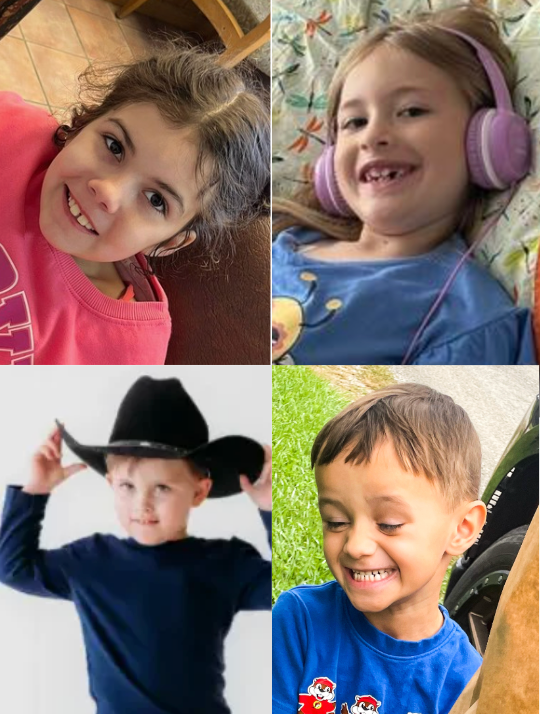
The Kentucky Department for Public Health, in coordination with the Kentucky Cancer Registry and the University of Kentucky College of Public Health, has officially confirmed 10 cases of DIPG/DMG in Eastern Kentucky in people under the age of 21 since 2024.
To understand why that number should stop you cold: in a typical year, the entire state of Kentucky sees only two or three cases of this cancer in that age group. Total. All of Kentucky.
Ten cases in one region in roughly two years is not a statistical blip. It is not a coincidence. It is a cluster- and it is happening to children.
To understand why DIPG is so devastating, you have to understand where it lives and how it grows.
Dr. Mustafa Barbour is a pediatric neuro-oncologist at Norton Children's Hospital. He works alongside surgeons, radiation oncologists, and neuroradiologists to care for children with brain and spine tumors. He was kind enough to spend time with me this week and help explain this disease in plain terms- because families in Kentucky, and across this country, deserve to understand what we're dealing with.
"It is a very aggressive type of cancer," Dr. Barbour told me. "The tumor doesn't grow as a discrete mass. It grows between normal brainstem cells. The way they grow makes surgical intervention very challenging."
The tumor forms in the pons- a critical part of the brainstem. Every nerve fiber that allows us to move, to swallow, to breathe, to see passes through this region. Even if a surgeon wanted to attempt a removal, Dr. Barbour explained, the tumor is nearly indistinguishable from healthy tissue.
"It's really hard to tell exactly where the tumor is and where the normal brainstem tissue is," he said. "They're very infiltrative- that's the name for it. Diffuse. It grows diffusely within the pons."
That infiltrative pattern is also why surgery isn't an option. You cannot remove what you cannot separate.
One of the most terrifying things about DIPG is how quickly it announces itself. There is no slow build. One day, a child is fine. A week or two later, everything has changed.
"Usually, it's one to two weeks of symptoms," Dr. Barbour said. "That's what catches the attention of parents, sometimes teachers. Then the MRI is done."
The earliest signs are often subtle- a lazy eye, a slight weakness on one side of the body, a child who suddenly seems unsteady. The eye deviation is particularly common because the nerve that controls eye movement passes directly through the brainstem.
All of those symptoms will lead practitioners to recommend an MRI to evaluate the brain. And if DIPG is present, doctors like Dr. Barbour see it immediately.
"The MRI will show you the classic, textbook-type findings that allow you to make the diagnosis," he told me. "Usually, you know what you're dealing with."
Dr. Barbour told me that after he sees an MRI indicating a child has DIPG, he has to take some time to cope with the news. "I typically cannot just talk to the family right after I look at the MRI. Honestly, usually I look at the MRI, I have to take a couple of hours just for me to be able to absorb it, and then I talk to them," he shared.
Because what can you say to a parent who is about to learn their child is very sick, with something even science can't completely explain?
"I wish I could just be positive and not give such a bad prognosis, but that doesn't help anyone. It doesn't help them in the long term. In the short term, they need to understand the prognosis as parents making decisions, advocating for their kids, so they can do the right thing for the kid," Dr. Barbour said on his approach to discuss the diagnosis with the heartbreaking honesty parents deserve.
He also said every minute counts once the diagnosis is made.
Marsha Miniard experienced exactly this. What she thought was an inner ear infection turned out, within twenty-four hours, to be a massive brain tumor. And in the ten days between Destiny's initial release from the hospital and her return, the tumor grew one centimeter.
"Ten days," Marsha told me, "DIPG is so aggressive that it grew one centimeter in ten days."
When a family sits down with their doctor after a DIPG diagnosis, they are given one real option that has proven to make a difference: radiation. And even that is not a cure.
"Radiation therapy is the one and only proven treatment to make a significant difference in terms of delaying the progress of the tumor," Dr. Barbour told me. "Most of the time, we talk about available clinical trials afterwards."
He walked me through what those trials look like- immunotherapy that attempts to engineer the body's own immune cells to recognize and attack the tumor; oral medications that may slow progression; treatments targeted at specific genetic abnormalities found within each child's unique tumor biology.
Last year, the FDA approved an oral medication taken weekly specifically for DIPG and diffuse midline gliomas. It doesn't cure the cancer. It can slow it down.
Traditional chemotherapy, Dr. Barbour was direct about this, does not work for DIPG. Decades of research have confirmed it.
"We tried conventional chemotherapy and different combinations for tens of years as a community," he said. "Nothing really works."
When I asked him about the gut-wrenching reality of sitting across from a family and presenting these options- knowing what you know- he didn't sugarcoat it.
"For some families, they hear the diagnosis and rightfully ask me: if you're telling me I have a limited time to enjoy my child, why would we travel far from home for a trial?" he said. "That's a very good question. And there is no one right answer for every child or every family."
It is the cruelest kind of decision. Every option comes with a trade-off. Every hour spent in a hospital is an hour not spent at home. Every trial is an unknown. Every choice- and there are very few- belongs to the family.
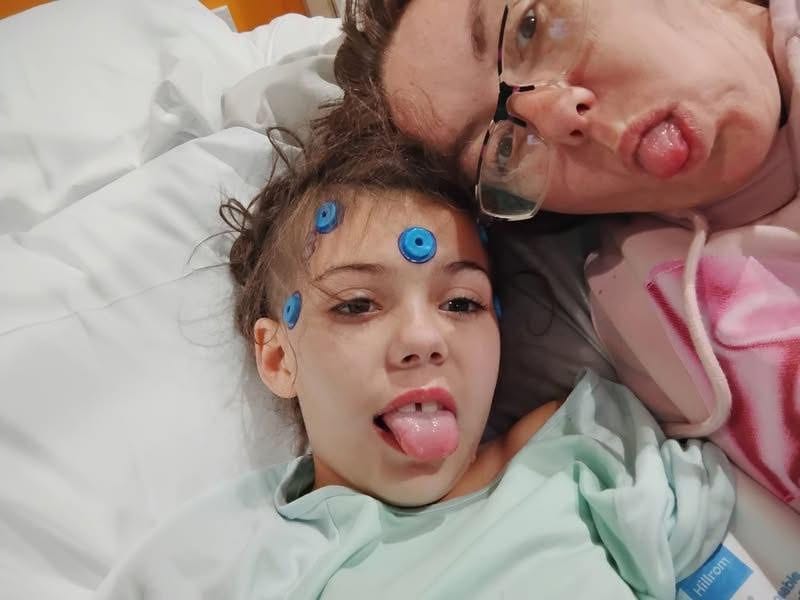
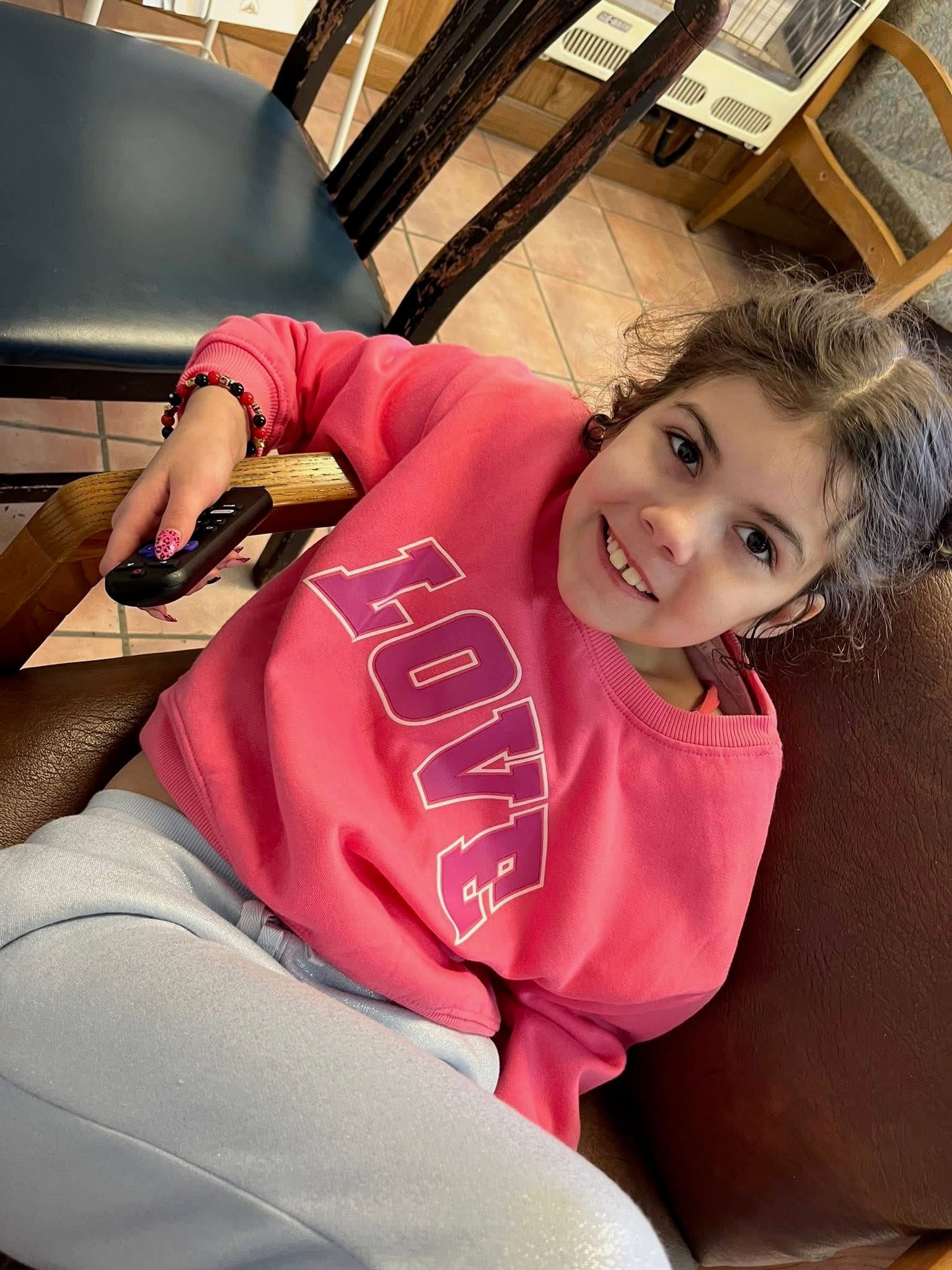
Destiny Miniard completed 30 rounds of radiation- five days a week for nearly three months. In that stretch, she also had an emergency shunt placed in her brain on her ninth birthday because the tumor had caused such severe pressure that without intervention, she would have died that day.
The radiation gave them about 10% shrinkage. Not enough. Not nearly enough for a tumor that had started the size of a baseball.
On the last day of radiation, Marsha Miniard made a decision.
"I had a conversation with the doctors, basically saying, you're telling me there's no cure, only these failed trials," Marsha told me. "I said, I'm seeing a lot on social media about how brain cancers are responding well to alternative treatment. We're going to try that."
The treatment she chose is called Full Extract Cannabis Oil- known as FECO- which uses the entire cannabis plant rather than just the flower and buds. She sourced it from a farm in Big Sur, California. Her doctors, she said, were supportive.
"We had no options. They allowed me to pick an option," Marsha said. "I cannot thank my baby's doctors enough for that- for just believing in what I said. You don't see that often."
What has happened since has stunned even Marsha herself.
After starting the FECO, Marsha shared that Destiny's first scan showed 21% additional shrinkage. The second scan, in January of this year, showed 38% total shrinkage. A tumor that was the size of a baseball is now the size of a large grape. Destiny- who six months ago was confined to a wheelchair- is now running. She's regaining strength in her left arm and leg. She's regulating body temperature on her left side, something that almost never returns in DIPG patients, Marsha told me.
"38% shrinkage," Marsha said. "That is basically unheard of in DIPG tumors."
Destiny is now one year and five months post-diagnosis. She was told she'd likely have less than three months without radiation. She has passed the six-month mark that doctors said she would not reach.
Her next scan is July 26th.
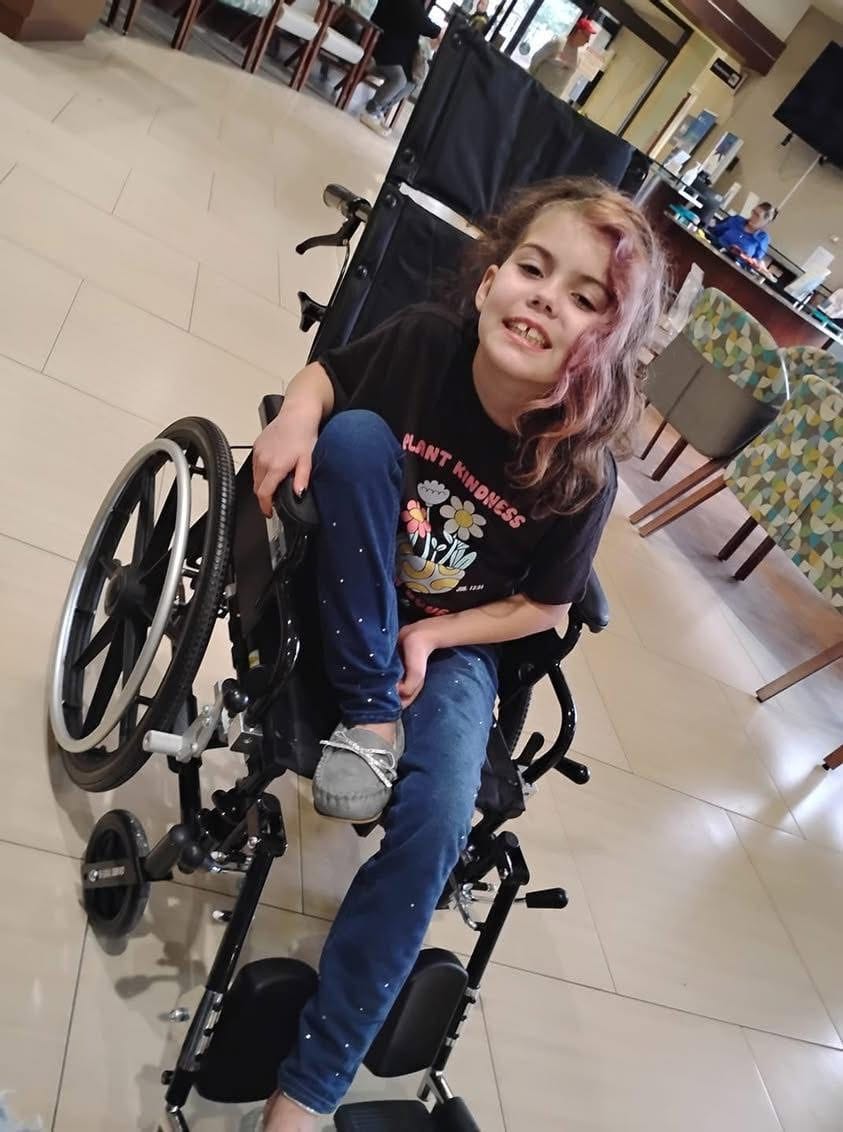
Marsha is not under any illusions about what DIPG is, or what it's capable of. She told me that living with a child who has this disease means living entirely in the present- because the disease doesn't allow for anything else.
"With DIPG, we don't have time," she said. "We have now. Our decisions are based in the now, because Destiny might be doing good right now, but in a week and a half, there's always that potential fear that she won't be. That's how aggressive this is."
Destiny's case is one of at least ten in children, in Eastern Kentucky, in the last two and a half years.
Marsha told me she talks to other Kentucky moms battling DIPG diagnoses several times a week. She knows families who are not as fortunate as hers, families watching their children move in the opposite direction. It makes her furious- not at fate, but at a system that has let these children down.
"If it's so rare, why is there a concentration of kids here?" she said. "Common sense says it has to be an environmental factor. It's just too close. Too many children."
She started the Faith Like Destiny Foundation to help other families afford the FECO treatment, which runs about $1,000 a month for maintenance, a cost that is out of reach for many Eastern Kentucky families. She said she works with fourteen families weekly, helping them navigate an impossible situation with whatever information and grace she can offer.
"I was anointed for this," Marsha said. "God knew I wouldn't be silent. And He knew I wouldn't only work hard for my baby, but for their babies too."
Like all DIPG treatments, outside of radiation, FECO is not FDA-approved, and results are not guaranteed.
I ended my conversation with Dr. Barbour by asking him for something that felt almost unfair to ask: hope.
Is the research getting anywhere? Are we closer than we were ten years ago?
"I do believe we're closer," he said. "Not close enough. But we're certainly closer. There is data showing that some treatments are prolonging survival. Not curing a good number of kids- but they are prolonging the time they have."
He believes the path forward is understanding the biology of each individual tumor and targeting the specific genetic mutations that are driving the cancer, rather than applying the same treatments across the board.
"Every DIPG may be treated differently," he said. "That makes it harder and more challenging. But it should be more effective."
He also said something that I think everyone who has followed this story needs to hear- something aimed directly at anyone with a hand on the funding levers.
"The fact that it is a rare entity does not mean that it deserves less attention," Dr. Barbour said. "These kids affect our community everywhere in this world. We definitely need to do more and use the resources we have to support research- and support these families directly."
Only about 4% of federal cancer research funding goes toward pediatric cancers, and only a small percentage of that goes to DIPG. The reason? It's so rare. But it's getting more common in Kentucky. That's why pushing for answers is so important right now.
 Shay McAlister
The Kentucky Department for Public Health has confirmed the cluster publicly, calling the increase "concerning and devastating." The statement acknowledged the state is taking steps: partnering with the Kentucky Pediatric Cancer Research Trust Fund, coordinating with local health departments, and reaching out to UK and other hospitals about research opportunities.
What the state's statement did not include: any announcement of an environmental investigation. No mention of testing water sources, soil, air quality. No formal designation of this as a cancer cluster triggering a specific investigative protocol. That gap matters. I asked if that testing was taking place, but have not yet heard back.
Like what you see? Learn more about Shay Informed here! This is honest journalism with compassion and clarity.