Fifteen people died in the UPS plane crash. Tomorrow, someone has to explain why.

– 6 min read


Two days of NTSB hearings start on Tuesday in Washington D.C., where officials are expected to explore everything from maintenance issues, to emails, and witness accounts of the November crash.
"I'm Shay McAlister, and this is Shay Informed: an independent, ad-free platform dedicated to honest journalism with compassion and clarity.
Are you new here? Sign up for the free weekly newsletter or subscribe to support our mission and access behind-the-scenes content, podcasts, and in-depth stories reserved for paid subscribers.
Six months after a UPS cargo jet tore through Grade Lane and killed 15 people, the first formal public reckoning begins Tuesday morning in Washington.
The two-day NTSB investigative hearing opens May 19 at the NTSB Boardroom in Washington- and for the first time since the crash, Boeing, the FAA, and UPS will all be in the same room. The hearing runs Tuesday from 8 a.m. to 6 p.m. and Wednesday from 8 a.m. to 1 p.m. Eastern time. It will also be livestreamed.
This isn't a trial. No verdict comes out of this week. But for the families, the business owners, and the community along Grade Lane who have been waiting six months for answers- it's something. It's the first time investigators, manufacturers, and the company whose plane fell from the sky will have to answer questions publicly, under oath, in front of each other.
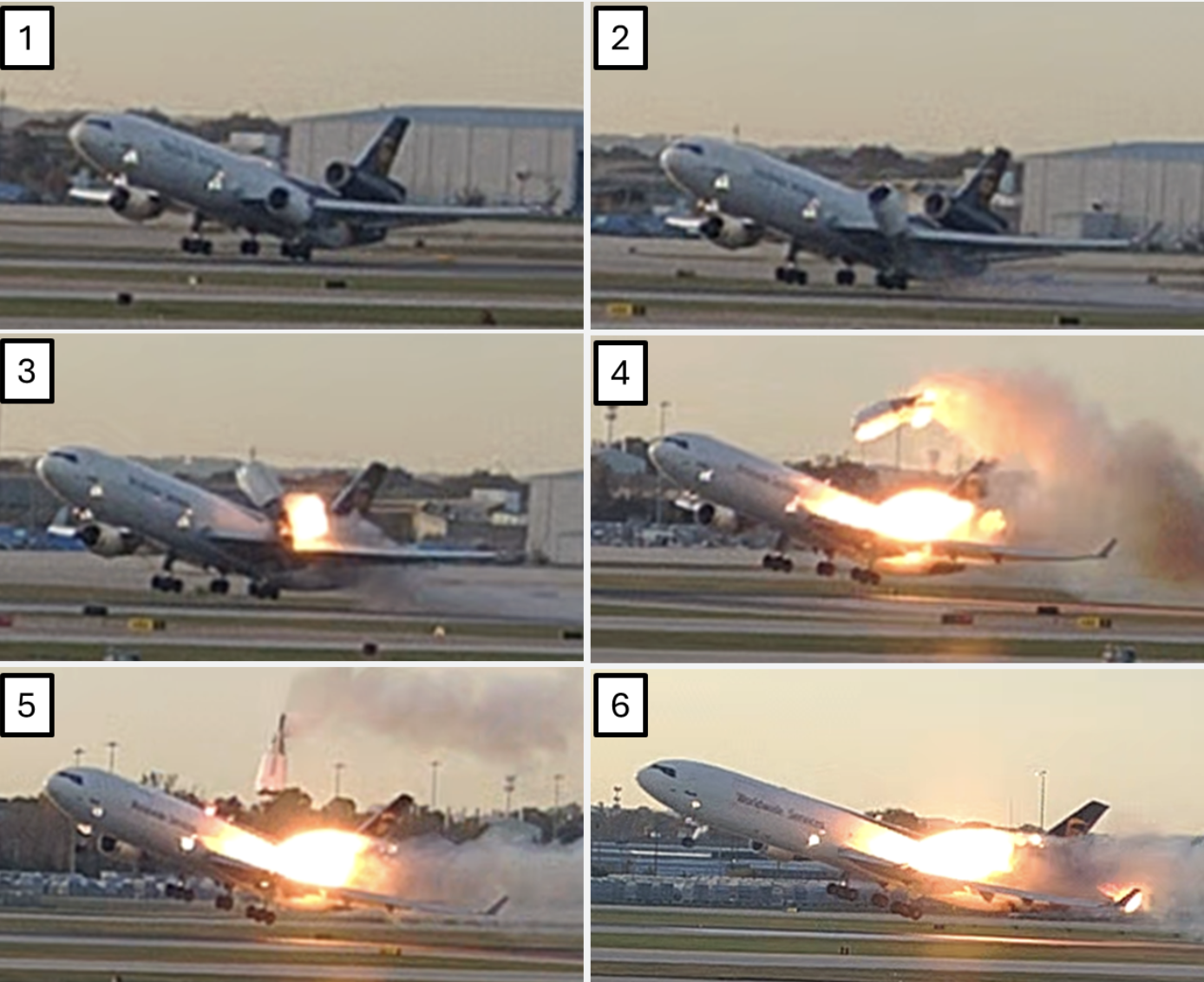
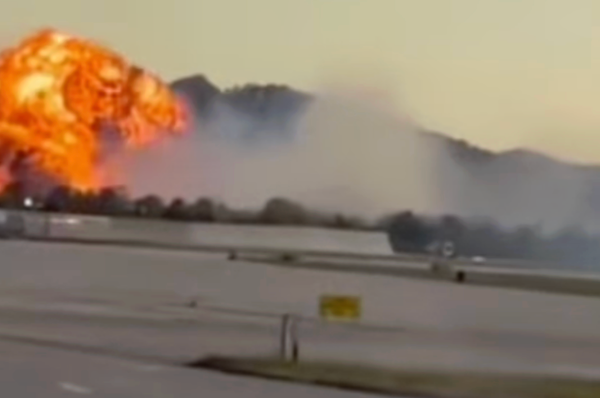
The NTSB's preliminary report found the plane's left engine caught fire and detached during takeoff after fatigue cracks caused the failure of a critical spherical bearing inside the pylon- the structural arm connecting the engine to the wing. The UPS jet barely climbed 30 feet off the ground before crashing and bursting into flames, hitting several businesses just south of the airport along Grade Lane.
What makes this especially damning is what Boeing already knew. A Boeing service letter dated February 7, 2011- 14 years before the crash- told operators the company was aware of four previous bearing race failures on three different MD-11 airplanes. Boeing recommended an updated design. The FAA never made it mandatory. The plane that crashed in Louisville never got the upgrade. It had logged nearly 93,000 hours of flight time.
Tuesday's panel is titled "Fleet Safety Processes", but the real question underneath all of it is simpler: how does a known problem fail to get fixed?