After 2,048 searches went unnoticed, Shively PD adds more oversight to Flock cameras

– 5 min read



A week after arresting one of its own officers, Shively Police is requiring weekly audits, written documentation and command-level verification for every Flock camera search.
"I'm Shay McAlister, and this is Shay Informed: an independent, ad-free platform dedicated to honest journalism with compassion and clarity.
Are you new here? Sign up for the free weekly newsletter or subscribe to support our mission and access behind-the-scenes content, podcasts, and in-depth stories reserved for paid subscribers.
Shively Police Department is admitting its own auditing process failed- and it's now overhauling how it polices the officers who use its Flock license plate camera system, one week after arresting one of its own for allegedly using that same system to track the mother of his child more than 2,000 times.
In a release issued Monday, the department said a review it promised after Officer Asad Zahir's arrest turned up a real problem: audits of Flock searches were happening, but not consistently, not at the depth department policy required, and not documented the way they were supposed to be.

"The department did not fully meet its own standard, and we accept responsibility for that," Chief Andre' Bottoms Sr. said in the release. "We told the community we would examine what happened, identify where our oversight fell short and make changes."
That's a notable admission from a department that, just last week, was pointing to its new AI auditing tool as proof the system worked- the tool is what flagged Zahir's account in the first place. Now the department is acknowledging that before that tool existed, the human side of oversight wasn't holding up its end.
The department laid out a long list of new requirements, but they boil down to a few core shifts.
Every search now needs a case number attached to it. Before an officer can even browse Flock detections, they have to document a case number tying the search to real, documented police activity. That wasn't optional under the old policy either, technically- but enforcement is getting a lot more teeth.
Supervisors have to check the work- every week. Sergeants are now required to review flagged Flock activity for everyone on their platoon on a weekly basis, rather than relying mostly on periodic spot checks. And it's not just a rubber stamp: supervisors have to pull the actual police report tied to the case number an officer entered and confirm the search had a legitimate connection to it.
Reviews have to be written down. Supervisors now have to document what they reviewed, how they verified it, and what they concluded. That paper trail is exactly what was missing before- the old audits weren't being documented the way policy required, which is part of how Zahir's alleged pattern of searches was able to continue for five months before anyone caught it.
Nobody's exempt. The new process extends oversight to supervisory, investigative, command and administrative personnel- not just patrol officers. And command staff will keep records to verify that supervisors are actually doing the reviews they're supposed to be doing, closing what had essentially been an honor-system gap.
Access gets cut off fast. If an employee is suspended, separated from the department, reassigned, or otherwise no longer needs system access, their Flock login will now be deactivated- and that deactivation has to be documented too.
The department also spelled out what happens when a search doesn't check out: if a supervisor can't validate it, or if it looks inconsistent with the case it's supposedly tied to, it now gets escalated up the chain of command, and can trigger either an administrative investigation, a criminal investigation, or both.
Shively also provided the department's full ALPR policy, last revised this month, which spells out in detail what officers are and aren't allowed to do with Flock data- and it's worth noting the policy already prohibited exactly what Zahir is accused of doing.
The policy explicitly bans using the ALPR system to "harass and/or intimidate any individual or group" and separately bars any "personal use" of the system outright. It also requires that "every ALPR detection browsing inquiry must be documented by either the associated agency case number or incident number and/or a reason for the inquiry"- and states flatly that "blanket searches absent a bona fide reason and or case number are strictly prohibited."
In other words, the rules existed. What the department says was missing was consistent, documented enforcement of those rules- which is exactly what the new weekly-review and written-documentation requirements are designed to fix.
The policy also spells out, for the first time in writing, exactly how those audits are supposed to work: designees of the chief use an AI-powered "Audit Assistance" tool inside Flock's platform to review flagged searches by user, license plate and last activity date, then document whether each one checks out against the case file-with any flags of potential misuse required to go straight to the Chief of Police.
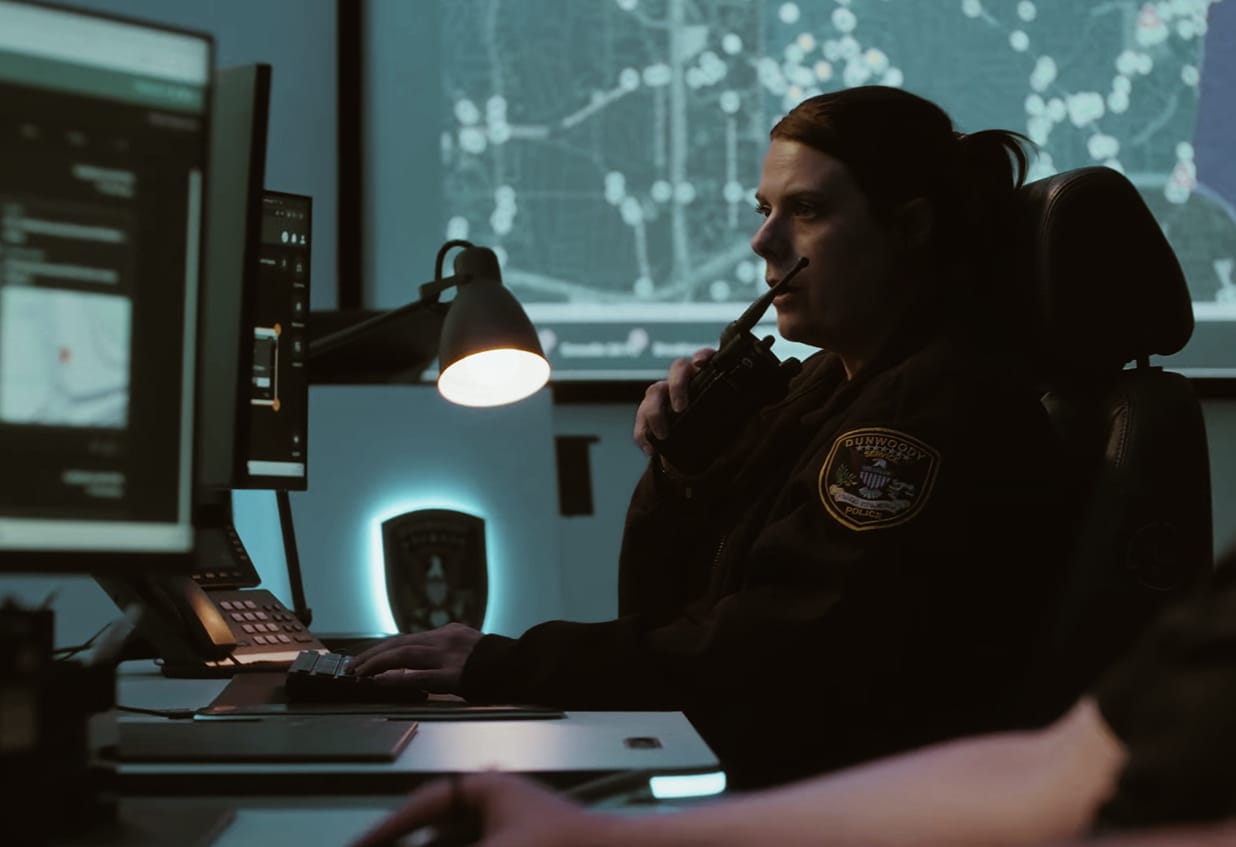
Shively's overhaul mirrors changes Flock Safety itself has been rolling out under pressure. The company has said that by January 1, all of its law enforcement customers nationwide will be required to use automated auditing tools and tie every search to a case number- essentially making mandatory, company-wide, what Shively is now building into its own policy following Zahir's arrest.
Whether these changes are enough to satisfy critics is another question. Civil liberties advocates, including the ACLU, have argued that similar safeguards rolled out elsewhere amount to recycled versions of protections that already existed but weren't enforced- which is close to the exact admission Shively just made about its own audits.
For Shively, the test now is whether the new weekly reviews, written documentation and command-level verification actually catch the next case before it runs for five months and 2,048 searches- rather than after.
Zahir remains on unpaid administrative leave, facing five counts of Official Misconduct in the First Degree and five counts of Unlawful Access to a Computer in the Fourth Degree. Both the criminal and internal investigations remain active.
 Shay McAlister
Like what you see? Learn more about Shay Informed here! This is honest journalism with compassion and clarity.