Kentucky politicians divided on U.S. military action in Venezuela

– 2 min read



Kentucky politicians are sharply divided on the U.S. military strike on Venezuela that captured President Nicolás Maduro on January 3rd.
"I'm Shay McAlister, and this is Shay Informed: an independent, ad-free platform dedicated to honest journalism with compassion and clarity.
Are you new here? Sign up for the free weekly newsletter or subscribe to support our mission and access behind-the-scenes content, podcasts, and in-depth stories reserved for paid subscribers.
The U.S. military strike on Venezuela that captured President Nicolás Maduro early Saturday morning has drawn sharply divided reactions from Kentucky's congressional delegation, with support largely breaking along party lines.
Republican representatives largely praised President Trump's decision to authorize the operation, which resulted in Maduro and his wife being flown to New York to face criminal charges. The administration announced it would 'run' Venezuela until a transition of power can take place.
Rep. Andy Barr applauded the president's action, characterizing it as protecting Americans from narco-terrorists. Barr argued Trump was acting within his constitutional authority as Commander in Chief and emphasized the drug crisis's impact on Kentucky families. He described Maduro as the leader of a narco-terrorist organization indicted in New York's Southern District for drug-related crimes.
Attorney General Russell Coleman issued a statement to LEX18 supporting the operation, saying the U.S. must cut off fentanyl flows and send a message to Mexican cartels.
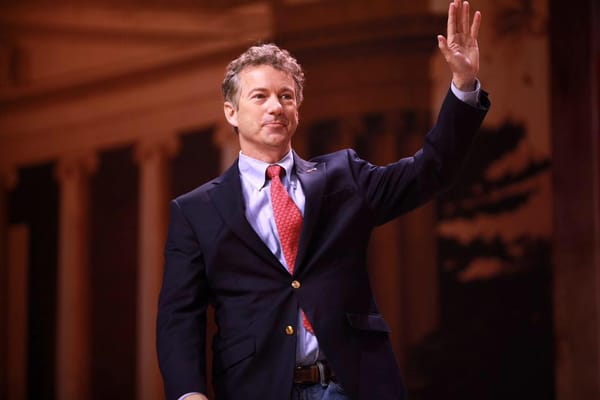
Sen. Rand Paul offered a more nuanced take, suggesting few will mourn Maduro's removal while using it as an opportunity to criticize socialism. However, Paul also raised constitutional concerns on the social media platform X, writing that the founders limited executive war powers for good reason and that such actions should be defensive in nature.
— Rand Paul (@RandPaul) January 3, 2026
The strongest opposition came from Rep. Thomas Massie, who took to the House floor to challenge the operation's legality. NPR reported that Massie questioned whether Congress should have authorized military action first and expressed skepticism about regime change, asking how similar interventions worked out in Cuba, Libya, Iraq, or Syria. Massie also suggested on social media that the operation was motivated by oil interests rather than drug enforcement, pointing out that Trump recently pardoned a major narco-trafficker.
Wake up MAGA. VENEZUELA is not about drugs; it’s about OIL and REGIME CHANGE. This is not what we voted for. pic.twitter.com/myxr979BqU
— Thomas Massie (@RepThomasMassie) January 4, 2026
The operation has sparked broader debate about executive authority, constitutional war powers, and America's role in regime change.
The situation remains fluid, with Trump saying aboard Air Force One Sunday evening that Venezuela's acting leader, Vice President Delcy Rodriguez, is cooperating with the U.S., though he hasn't spoken with her directly.
Both Nicolás Maduro and his wife are expected to appear in federal court on Monday.
Like what you see? Learn more about Shay Informed here! This is honest journalism with compassion and clarity.