U.S. loses measles elimination status after 26 years

– 6 min read


Federal health leaders say vaccination, not a designation, is what protects people. Here’s where cases are concentrated in Kentucky and the states around it.
I'm Shay McAlister, and this is Shay Informed: an independent, ad-free platform dedicated to honest journalism with compassion and clarity.
I am an independent journalist, fully funded by subscribers. You can support important work like this for $4.99/month and gain access to my in-depth reporting, investigations, podcasts and weekly newsletter.
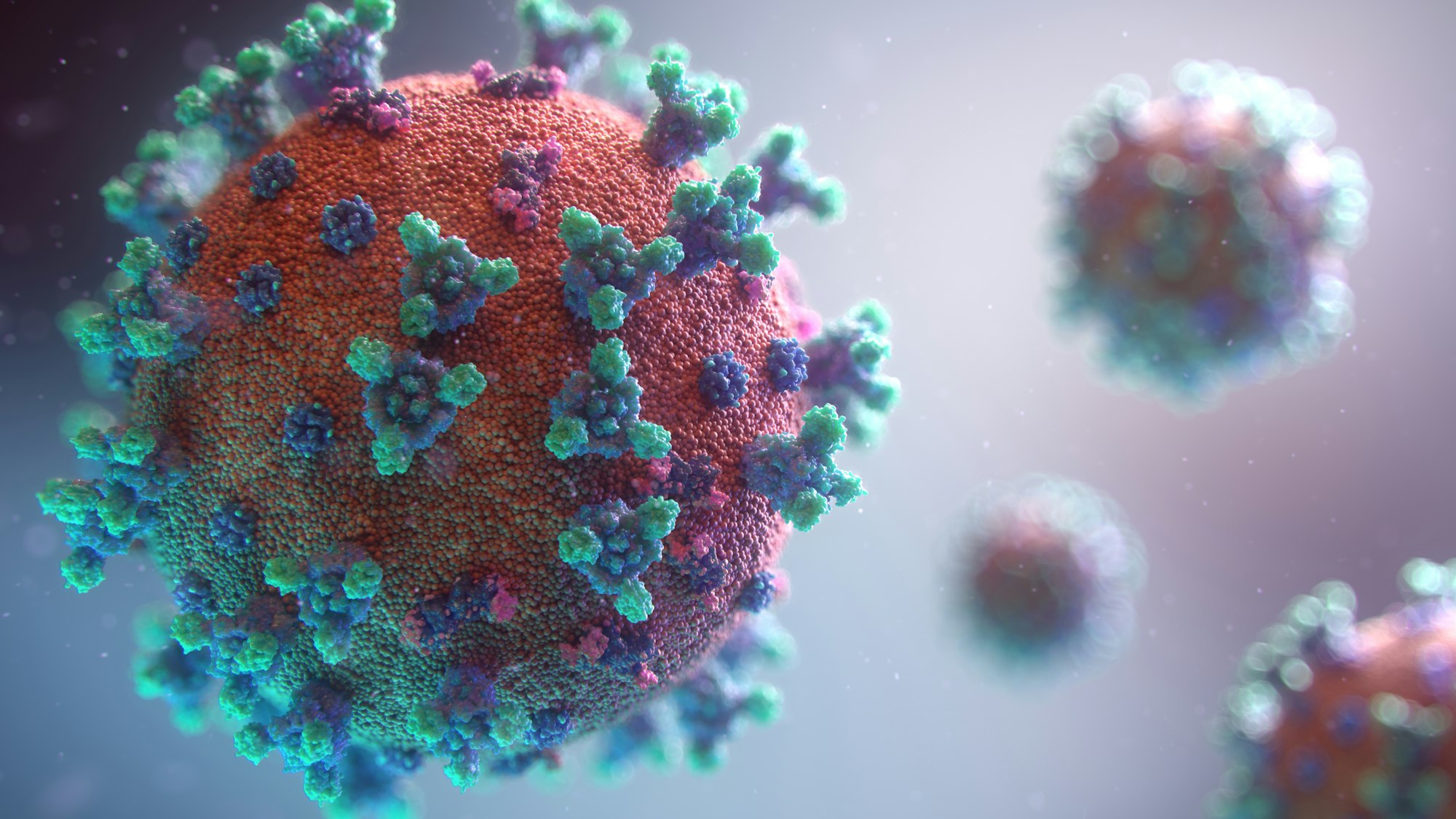
It's official: the United States has lost its measles elimination status.
The Pan American Health Organization (PAHO) announced Tuesday that the U.S. no longer meets the standard it first reached in 2000. That's more than 25 years of being able to say measles wasn't spreading here on its own anymore- that the cases we saw were mostly sparks brought in from somewhere else, not a fire burning continuously inside our borders.
That's no longer true.
"Elimination" never meant zero cases. It meant the virus had stopped circulating continuously in the country. A nation loses that status when the same strain of measles keeps spreading for 12 months or longer. PAHO reviewed epidemiological and lab evidence submitted by the CDC and concluded that the threshold had been crossed.
The U.S. isn't alone. Canada lost its status in November 2025 after a year of sustained spread, which also cost the Americas as a whole its measles-free standing.
 Shay McAlister
The numbers this year are hard to ignore.
As of Nov. 12, the CDC reports 5,412 confirmed measles cases in the United States in 2026. Those cases were reported by 47 jurisdictions- nearly every state, plus Washington, D.C., and New York City- and another 18 cases involved international visitors.
The CDC counts 43 new outbreaks reported this year. And outbreaks are driving almost everything: 96% of confirmed cases (5,216 of 5,412) are outbreak-associated.
At least 10 people have died of measles in the U.S. this year, according to the Washington Post, compared to three deaths in 2025.
Meanwhile, vaccination rates among the youngest Americans have slipped. CDC data show kindergarten MMR coverage fell from 95.2% in the 2019-2020 school year to 92.4% in 2025-2026, below the 95% level PAHO considers necessary to keep measles from gaining a foothold.
CDC Director Dr. Erica Schwartz argued the designation itself isn't the point.
"The measles elimination designation is not what protects Americans. Vaccination does. We know where transmission is occurring and we've invested $100 million in state and local health departments to reach those communities," Schwartz said in a statement. "Losing a designation doesn't mean we abandon an evidence-based approach. It means we remain focused on stopping outbreaks."
Health and Human Services Secretary Robert F. Kennedy Jr. posted on X: "We will stop measles outbreaks, protect American families, and work to regain U.S. measles elimination status. I continue to recommend MMR vaccination as the most effective way to prevent measles."
To get the status back, the country would have to go at least 12 months without the same strain circulating continuously.
 Shay McAlister
As of Wednesday morning, the state's measles dashboard shows 217 confirmed cases in 2026, 17 hospitalizations, and no deaths.
The most striking number on that dashboard is vaccination status: 215 of the 217 cases are listed as unvaccinated or unknown. Just one case had a single MMR dose, and one had two or more.
The timeline tells its own story. Kentucky logged four cases in January, then nothing from February through June. Then it took off:
That drop in November is encouraging, but it comes with a caveat- case counts by onset date often fill in after the fact as investigations are completed.
Geographically, Western Kentucky has been hit hardest. Christian County leads the state with 68 cases, with clusters in neighboring counties as well, including 7 in Caldwell County. Bath County in northeastern Kentucky has 20 cases, and Laurel County, in southeastern Kentucky, shows 56 cases on the state map. Smaller counts are scattered elsewhere, including Barren (5), Carroll (5) and Allen (2) counties.
You can take a look at the data here.
Across the river, Indiana reports 200 measles cases this year as of Nov. 17.
The heaviest concentration is in northeastern Indiana: LaGrange County has 38 cases, Adams County 31, Wayne County 24 and Allen County 21.
Closer to home for Louisville-area readers, Clark County has 3 cases. Several southeastern Indiana counties along or near the Ohio River also show cases, including Jennings (12), Switzerland (6), Ripley (1) and Ohio (1).
Indiana's age and hospitalization breakdowns currently cover 138 of the state's cases. Among those, 31 people were hospitalized, 94 were not, and 13 are unknown. Cases span every age group from infants to people in their early 60s, with the most among children under 5.
 Shay McAlister

Ohio has the most cases of Kentucky's neighbors. The state's infectious disease dashboard shows 327 total cases with illness onset between Jan. 4 and Nov. 10, and 28 hospitalizations- about 8.6%.
Patients have ranged from infants to 65 years old, with a median age of 15.
Tennessee has had a much quieter year. As of its Nov. 13 update, the state reports 11 confirmed cases, no hospitalizations and no deaths. Seven of those cases were in the East Tennessee Region.
Seven of Tennessee's 11 cases were unvaccinated, three had two MMR doses and one is unknown.
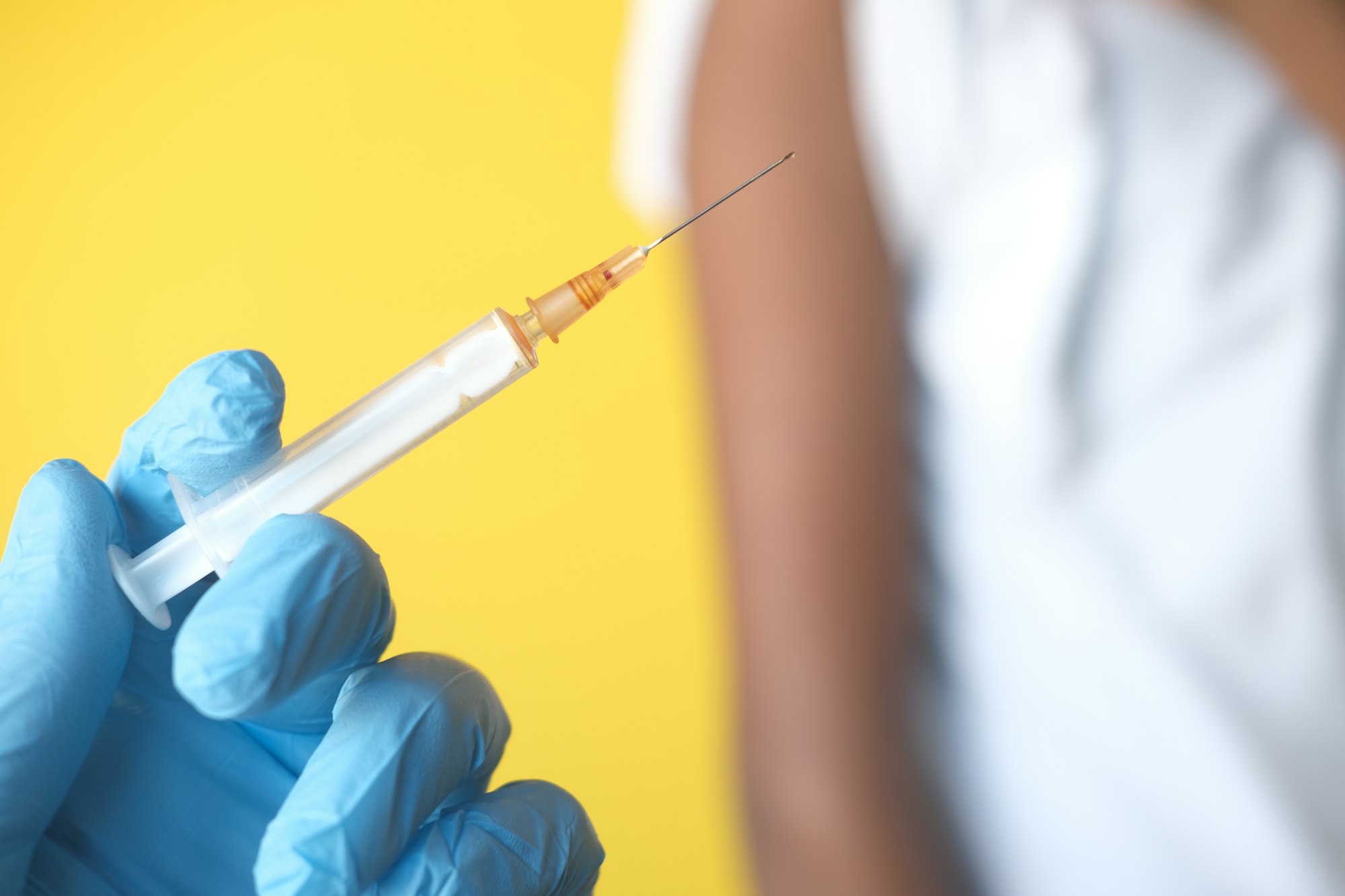
Health officials at every level- including the two federal leaders quoted above- are pointing to the same tool: the MMR vaccine. Two doses are about 97% effective at preventing measles.
Measles is one of the most contagious diseases known. It spreads through the air and can linger in a room for up to two hours after an infected person leaves. Symptoms typically start with a high fever, cough, runny nose and red, watery eyes, followed by a rash that spreads from the face downward.
If you're unsure about your own or your child's vaccination status, your doctor, pharmacist or local health department can help you check. If you think you've been exposed or have symptoms, call ahead before showing up at a doctor's office or ER so staff can keep others from being exposed.
 Shay McAlister

Like what you see? Learn more about Shay Informed here! This is honest journalism with compassion and clarity.