A rare childhood brain cancer, a small Kentucky town, and the questions no one can answer
– 10 min read


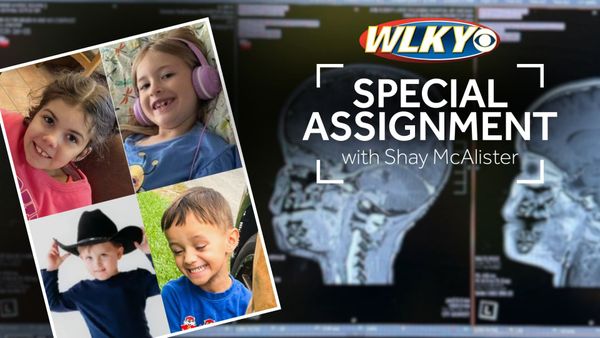
State health officials have counted more than eight cases of DIPG in one corner of Eastern Kentucky, several times what they’d expect, and no one can say why.
I'm Shay McAlister, and this is Shay Informed: an independent, ad-free platform dedicated to honest journalism with compassion and clarity.
I believe some stories are too important to stay behind a paywall. That's why I'm making this piece free to read for everyone. Informed communities make better decisions and that can only happen when people have access to honest, thorough reporting.
Shay Informed is 100% reader-funded. No ads. No corporate backing. Just journalism that answers to you. If you'd like to help keep this work going, please consider subscribing.
CORBIN, Ky. - Millee Kate Daugherty is 7 years old. She just learned how to ride her bike in the spring. Now, her parents measure her days against a statistic no family wants to understand.
In April, she was diagnosed with diffuse intrinsic pontine glioma, or DIPG, an inoperable brain tumor with no cure. Doctors say most children with DIPG die within about a year of diagnosis.
Shay McAlister and WLKY Photojournalist Scott Eckhardt sat down with Allyson and Samuel Daugherty, Millee Kate’s parents, for an interview on the front porch of their Corbin home. Millee Kate was right inside the door, but out of earshot.
“We always speak life over Millee Kate. We speak life over her. We speak healing over her. We're constantly praying over her. Nothing negative is said around her ever. Nothing to put fear into her body or negativity into her mind,” Allyson Daugherty said.
Keeping the conversation positive in front of their daughter is important to the Daughertys. It’s one of the few things they can control. "We've grieved Millee with her still here, which has been very, very hard mentally and emotionally, and it takes a toll spiritually too," Allyson Daugherty said.
Millee Kate’s diagnosis sent shock waves through her small community of Corbin, about 2.5 hours east of Louisville. Right away, parents pointed out the unusual number of cases.
A Shay Informed investigation into the state’s response revealed this wasn’t the first time someone asked the state to get involved, but it was the one that forced action.
Public pressure pushed state health officials to examine the numbers. The Kentucky Cancer Registry has counted more than eight cases across one corner of Eastern Kentucky in the last two years, where statisticians would expect just around two.
The registry calls those numbers preliminary and expects them to grow.
“The Kentucky Cancer Registry is deeply concerned about the unexpected increase in these cases in Kentucky,” Dr. Eric Durbin said at a recent community forum. “It’s just distressing.”
Right now, there seem to be more questions than answers.
DIPG is a rare, aggressive brain tumor that grows in the brainstem. Patients are typically given less than 12 months to live.
"It is inoperable. It is incurable, and most children die within a year of diagnosis," Dr. Randaline Arnett, Director of Pediatric Neurosurgery at UK, said.
To fully understand why the diagnosis is so devastating, you have to understand where it grows and how it impacts the body. Dr. Mustafa Barbour, a pediatric neuro-oncologist at Norton Children's Hospital, calls it one of the most challenging childhood cancers they face.
He explained during an interview with Shay Informed earlier this year that the way they grow makes surgical intervention very challenging.
Standard treatment is about six weeks of radiation. Arnett described it as supportive care, which she considers palliative.
DIPG affects boys and girls at about the same rate in Kentucky.
Most cases are in children between the ages of zero and nine, according to the Kentucky Cancer Registry, though the registry has recorded rare cases in teenagers and adults.
Millee Kate had just learned how to ride her bike. She played softball and basketball, did gymnastics and ballet. Then, this spring, she began losing her balance and falling.
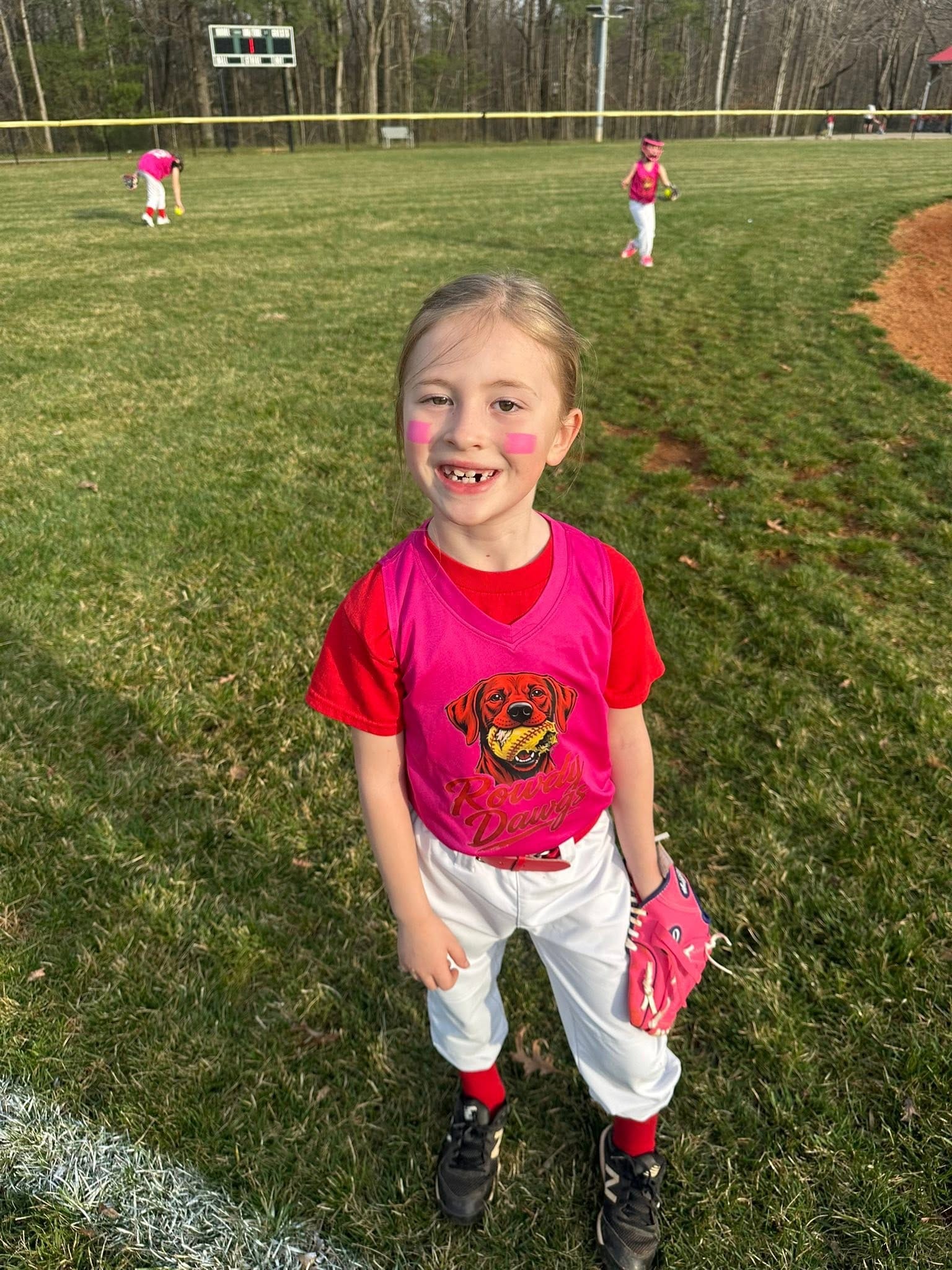
"I thought she was just being clumsy," her mother, Allyson Daugherty, said. "Maybe she's tired. I mean, she is on the go all the time."
A fall at school led to an ER visit, where her shin was X-rayed. When the unsteadiness got worse, Allyson took her to their pediatrician, who did a neurological exam and referred the family to UK in Lexington. A CT scan found something. An MRI that night showed DIPG.
"They basically looked at us and said, radiation is the standard of care for this type of tumor," Allyson Daugherty said. "We don't have a cure. It's terminal."
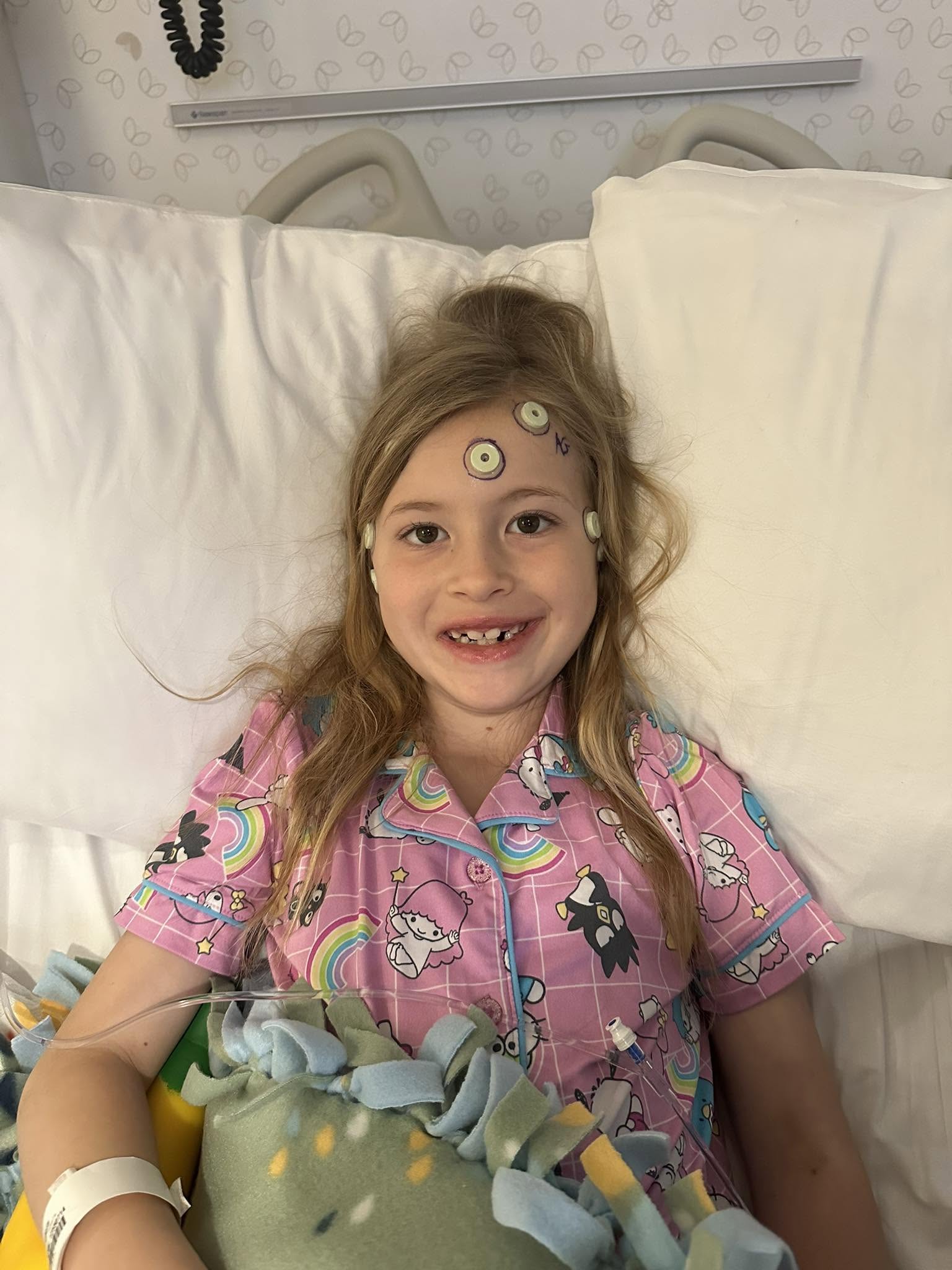
Doctors told the family to do the radiation, then go home and make memories.
Allyson is a nurse. She and Millee Kate’s father, Samuel, took time to decide how handle her treatment. But within two weeks of the first symptom, she lost the ability to walk.
“The fear just took over. I was terrified,” Allyson Daugherty said. They decided to start six weeks of radiation before Millee Kate got worse.
After radiation, her balance improved, she was weaned off steroids, and her personality came back, the parents said. After radiation, there is no standard of care. Some families pursue clinical trials, others find options close to home.
Allyson said they asked Millee Kate what she wanted to do, offering travel and the chance to see if they could find medicine to help her. “She's been firm in that she does not want that. She wants to be at home with her sisters and her family,” Allyson said. “So we found a naturopathic doctor to help us decide what kind of herbs and supplements and things like that that we could try here at home.”
In the weeks before our interview, Allyson Daugherty said they noticed a decline in Millee Kate's coordination, balance and speech. Oct. 15 marked six months since her diagnosis.
"We may get seven months, we may get nine months. We can make it more than a year. We don't know," she said. "All we know is that we're at the halfway point for what the statistics give us."
After our interview, Millee Kate was hospitalized with pneumonia. She was sedated on a ventilator, but has since been moved from the PICU to the oncology floor. Her parents are hopeful she will return home.
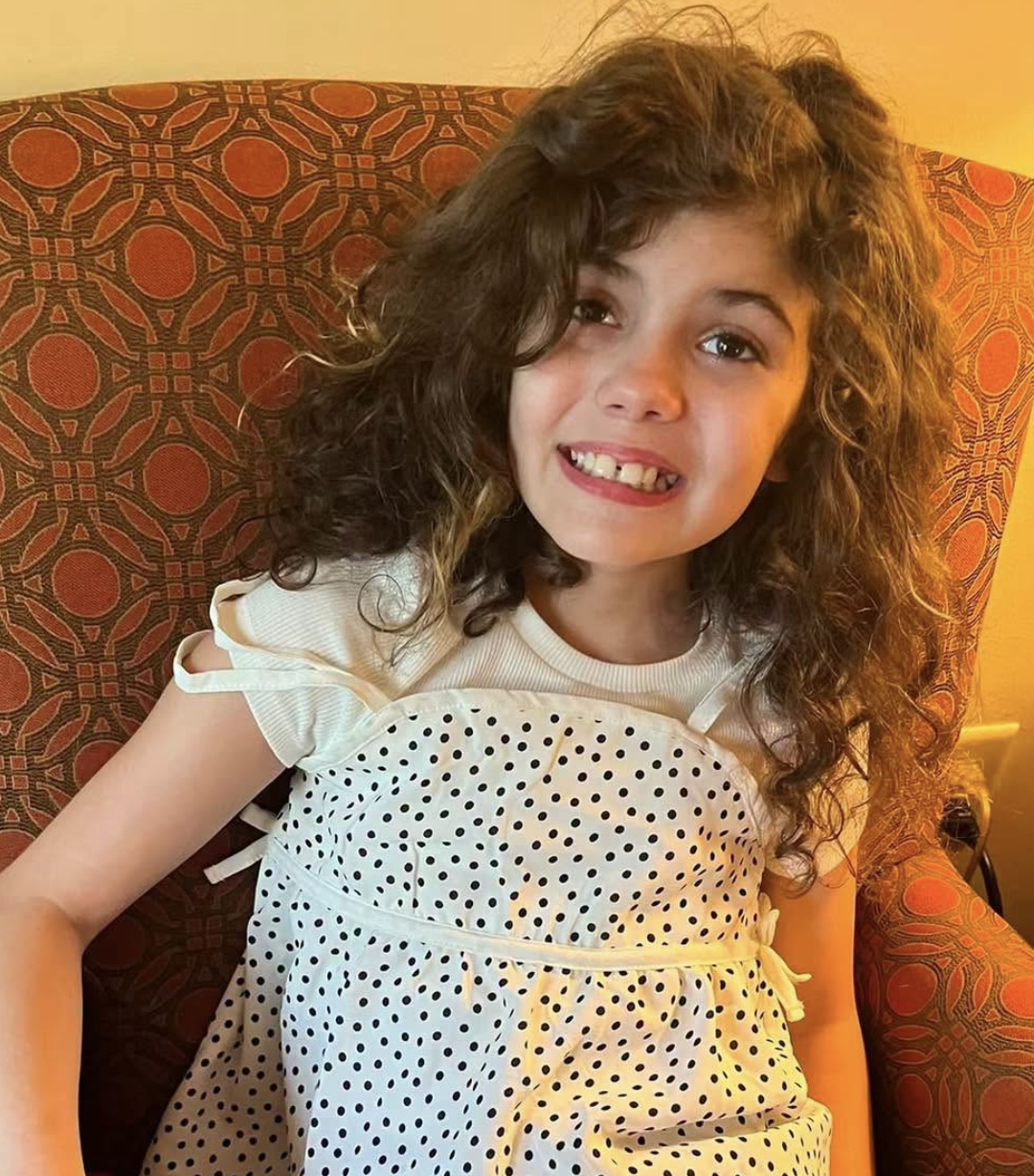
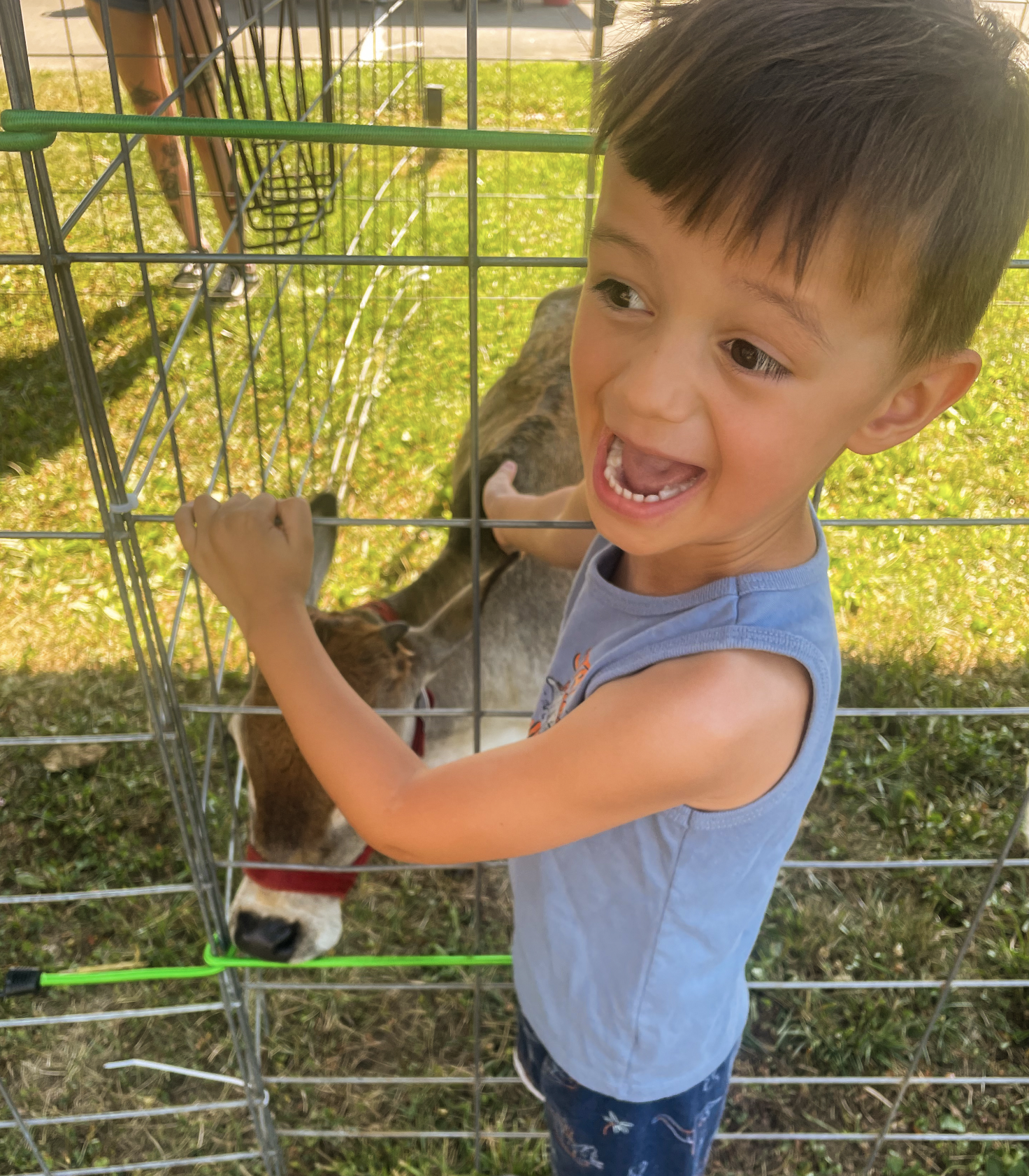

Destiny Miniard, Ayven Dennis, Waylon Taylor
When the doctors in Lexington said the letters DIPG, Allyson Daugherty already knew them. She had followed the story of another child in town. "I had only heard of it because of Ayven," she said.
Six-year-old Ayven Dennis died in March of this year, 11 months after he was diagnosed. “Everything was so normal. He was so tall for his age. He was so active, so funny, so smart and witty. And he's gone,” his mom Ashley Early said.
Early said she first noticed Ayven’s eye turning slightly inward, then he lost his balance. Within days of the first symptom, Ayven was in the hospital, getting the devastating diagnosis.
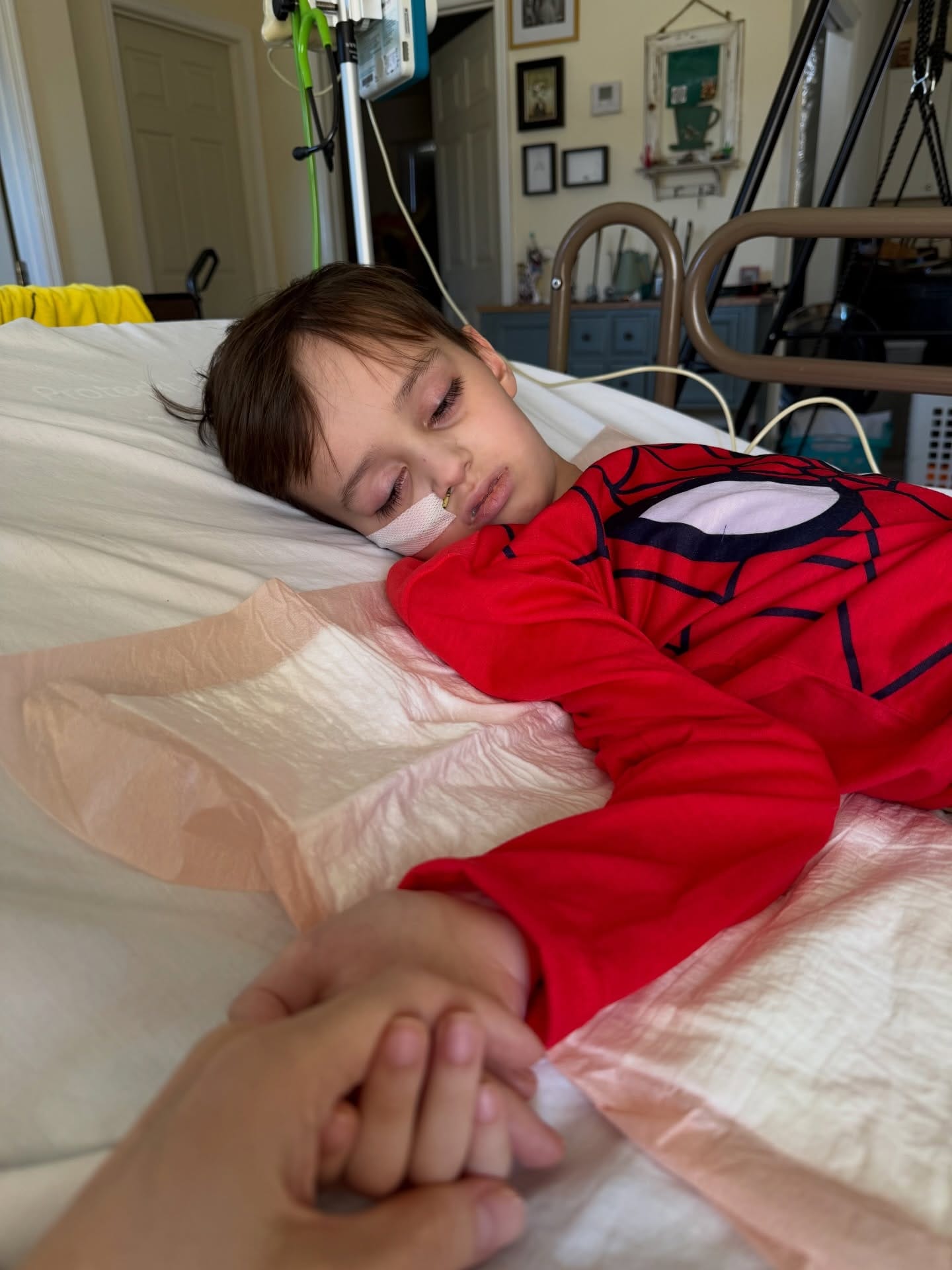
“The whole time Ayven was sick it was like you bargain, “ Early said, “When we went to the hospital, I thought it’s not going to be a brain tumor and then they said it’s a tumor. And we said it's going to be operable, it’s going to be treatable and it wasn’t. And then we said we’re going to prolong his life, he's gonna live a couple years and then I saw that wasn’t happening. And then we said don’t let him suffer, don’t let him be scared. But he did, and he was, and he was awful.”
Early said Ayven did not get the “honeymoon” some children see after radiation, when symptoms ease for a time. Instead, he lost one ability after another. “I was looking at pictures from March 2025 and then March of 2026, and the difference is, it doesn't seem real,” Early said.
Before the tumor, Early said, he was a goofy kid who thought he was a pretty good dancer. “His dance moves. He would bust them out any given time,” she said. “He was really funny.”
Ayven died within weeks of five-year-old Waylon Taylor, another Corbin child with DIPG. Early had reached out to Waylon’s mother after her own son’s diagnosis. She said she knew there was little Waylon’s mom could say. “It’s very hard to give advice because it’s a series of impossible decisions.”
Early, a nurse practitioner who has lived in the area most of her life, says she loves raising her family in Corbin. "We love this place. We love living here. We love raising our families here," she said. "But it's terrifying to think that maybe this area, living here, might be the reason why our children are getting sick."
She does not claim to know the answer. "We don't know," she said. "But you'll never convince me that something's not causing this."
Waylon Taylor and Ayven Dennis died in March of 2025. Destiny Miniard, from Laurel County, and Millee Kate in Whitley County are still fighting.
Both have chosen holistic treatment at home, as opposed to clinical trials that require travel. Doctors say there is no “right answer”, there is no answer that is proven to save their lives.
"With DIPG, we don't have time," Marsha Miniard, Destiny’s mom, said in an interview with Shay Informed. "We have now. Our decisions are based in the now, because Destiny might be doing good right now, but in a week and a half, there's always that potential fear that she won't be. That's how aggressive this is."
Destiny has since started in-home hospice care.
The Kentucky Cancer Registry counts more than eight DIPG cases in 2024 and 2025 within a cluster area of about 30 Kentucky counties. That is well above the just over two statisticians would expect there. Registry director Dr. Eric Durbin told the community forum the number of cases has doubled.
He also said the registry does not usually release data before it is complete. This time, he said, the issue felt too compelling and important to wait, and the experts involved agreed to share it. "I expect these numbers will grow," Durbin said.
In Whitley County, the registry has recorded three cases since 2024, one of them diagnosed this year. It has recorded one case in Knox County and one in neighboring Laurel County over the same period, according to Durbin's presentation.
"It's just distressing," Durbin said. "The Kentucky Cancer Registry is deeply concerned about the unexpected increase in these cases in Kentucky."
He called the situation unique. Asked whether he could point to any similar spike in cancer in Kentucky, Durbin said the state has not experienced anything like it historically.
Records obtained by Shay Informed under the Kentucky Open Records Act show the state was first warned about a possible pattern of pediatric DIPG cases in May 2025, nearly a year before it launched an investigation. A Whitley County resident with a public health background had alerted state officials. They called her concerns credible and opened an initial review.
Then, according to the records, the trail went cold.
Marcy Rein, the Whitley County public health director, described a process with no clear next step. "When they didn't have anywhere to go with it, they didn't go anywhere with it," she told Shay Informed.
The weakness was not new. Records show state epidemiologists acknowledged in a 2023 presentation that questions remained about what happens to reports that can't be immediately verified, how cases diagnosed outside Kentucky reach the registry, and how findings get escalated. Those questions were still unanswered in May 2025.
By April 2026, another diagnosis, another concerned parent’s note and the local health department director’s concerns were enough to get the state’s attention and officially open a case.
Read Shay’s full investigation: What Kentucky knew, and when: Inside the state's response to an unusual pattern of pediatric cancer.
Now, the state reports they are on step three of a four step process for investigating unusual patterns of cancer.
Marcy Rein, the Whitley County public health director who hosted the forum, said the community became concerned, officials checked the data and partners, and they confirmed the number of cases was statistically higher than expected. They are now looking closer, gathering experts and funding, and collecting more data.
"Those things are not fast; they take time," Rein said. She said the agencies are working on ways to keep sharing information with the community as they learn more.
Other states are the next test. Durbin said that within a month or two, data for the most recent year will be released for other states, and he will be watching other states with rural communities like Eastern Kentucky. So far, West Virginia is not reporting an increase, but Iowa is, he said.
Answers are not guaranteed, and the research will not be quick. Still, Kentucky is trying and the dollar signs prove it.
The Kentucky Pediatric Cancer Research Trust Fund is led by board president Liz Turner, who lost her own son to DIPG. David was diagnosed at six in 2018 and died a little over three years later.
Records obtained by Shay Informed show the fund has committed more than $9.6 million since July 2024 to research on DIPG and other pediatric brain and central nervous system tumors.
Out of the 18 research projects currently underway through the trust fund, seven focus on DIPG and other brain cancers.
Turner said it will not be enough until there is a treatment plan that can lead to survival, or a way to prevent these tumors. "It's just that we don't know what's causing these tumors. It is unknown," she said.
In Corbin, Millee Kate is now more than six months past her diagnosis. Her parents say they are doing what they can to soak up every day with her. Destiny’s parents are raising awareness, as they watch their 10-year-old fight for her life. Ashley Early is fighting for answers.
“If we put enough time and energy into something, we can find a solution, and that's what it's going to take,” she said, “It's so detrimental. I mean, kids who don't get to grow up, you know, that's horrific.”
Shay McAlister has been reporting on DIPG and the impacts in Eastern Kentucky for the last six months. You can support in-depth, investigative reporting like this by signing up for a subscription at $4.99 a month.