What Kentucky is getting right: Inside the state's fight against childhood cancer
– 11 min read


I'm Shay McAlister, and this is Shay Informed: an independent, ad-free platform dedicated to honest journalism with compassion and clarity.
I believe some stories are too important to stay behind a paywall. That's why I'm making this piece free to read for everyone. Informed communities make better decisions and that can only happen when people have access to honest, thorough reporting.
Shay Informed is 100% reader-funded. No ads. No corporate backing. Just journalism that answers to you. If you'd like to help keep this work going, please consider subscribing.
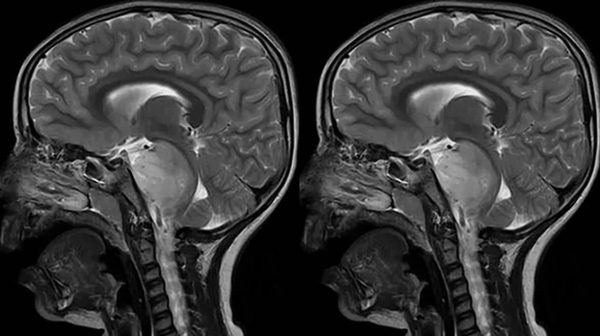
Ten Eastern Kentucky children. One disease with almost no survivors. And a state now racing against a clock it didn't set.
In the last two years, Kentucky has confirmed 10 cases of DIP- always-fatal pediatric brain tumor- in one corner of the state. The entire state typically sees about two cases a year, total.
I've spent months reporting on the families living inside that number: the children who have died, the ones still fighting, the impossible choices parents face when a doctor says there's almost nothing left to try. I've reviewed internal state emails and presentations showing officials were alerted to this crisis more than a year before they took any real action- an investigation stalled, in part, by something as small as a spelling error.
This story is different. This is what Kentucky is doing right.
Because buried inside all of this grief and uncertainty is something genuinely worth being proud of: Kentucky has built one of the most well-funded pediatric cancer research programs in the entire country- a national model other states are now copying. I sat down with the mother steering that money, and one of the organizations working to make sure no family faces this alone.
This is the other side of the story. It's still not enough. But it's real, and it's working.
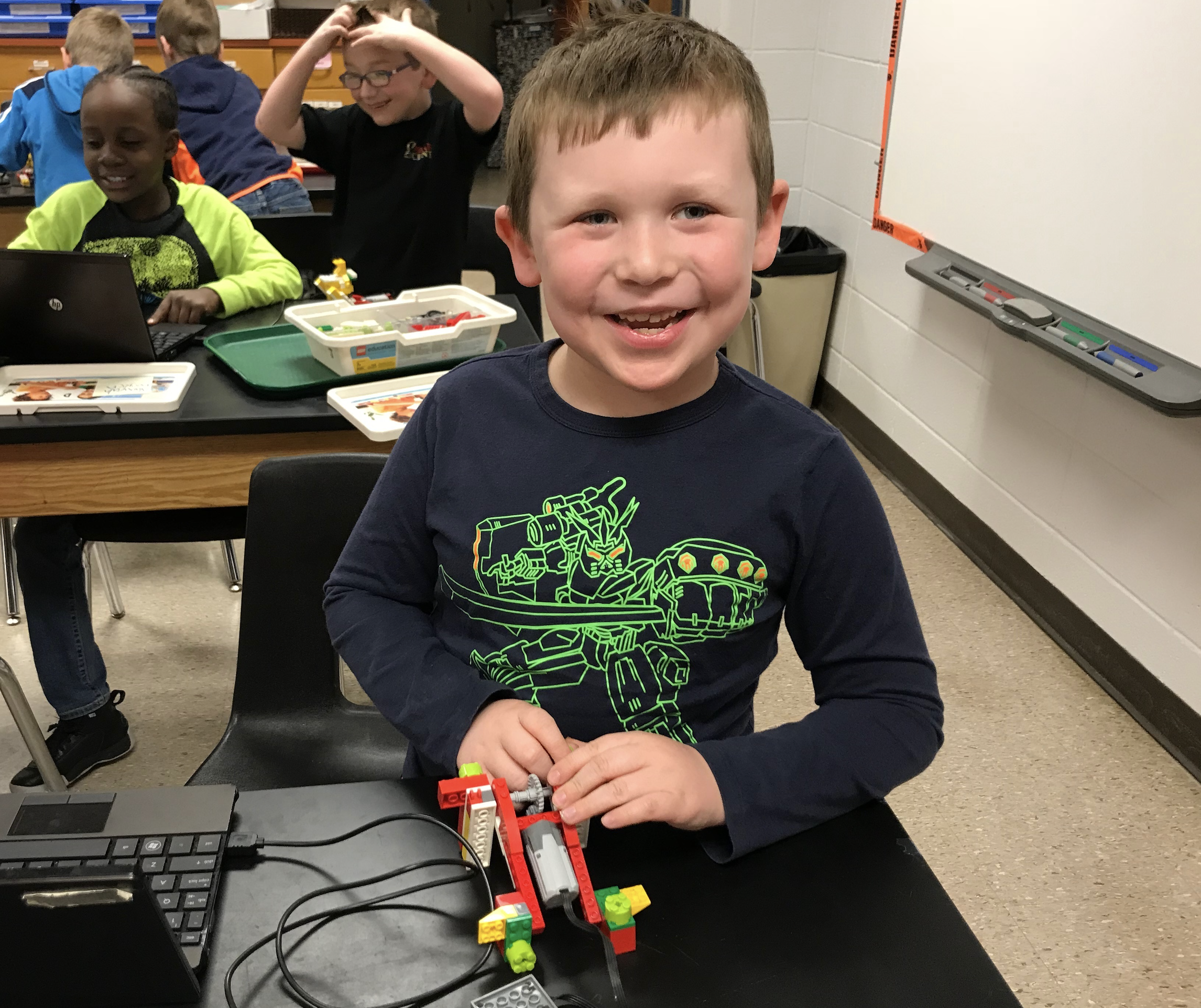
Elizabeth "Liz" Turner's son David was diagnosed with Diffuse Intrinsic Pontine Glioma, DIPG, in 2018. He was six years old. He died three years, one month, and four days later.
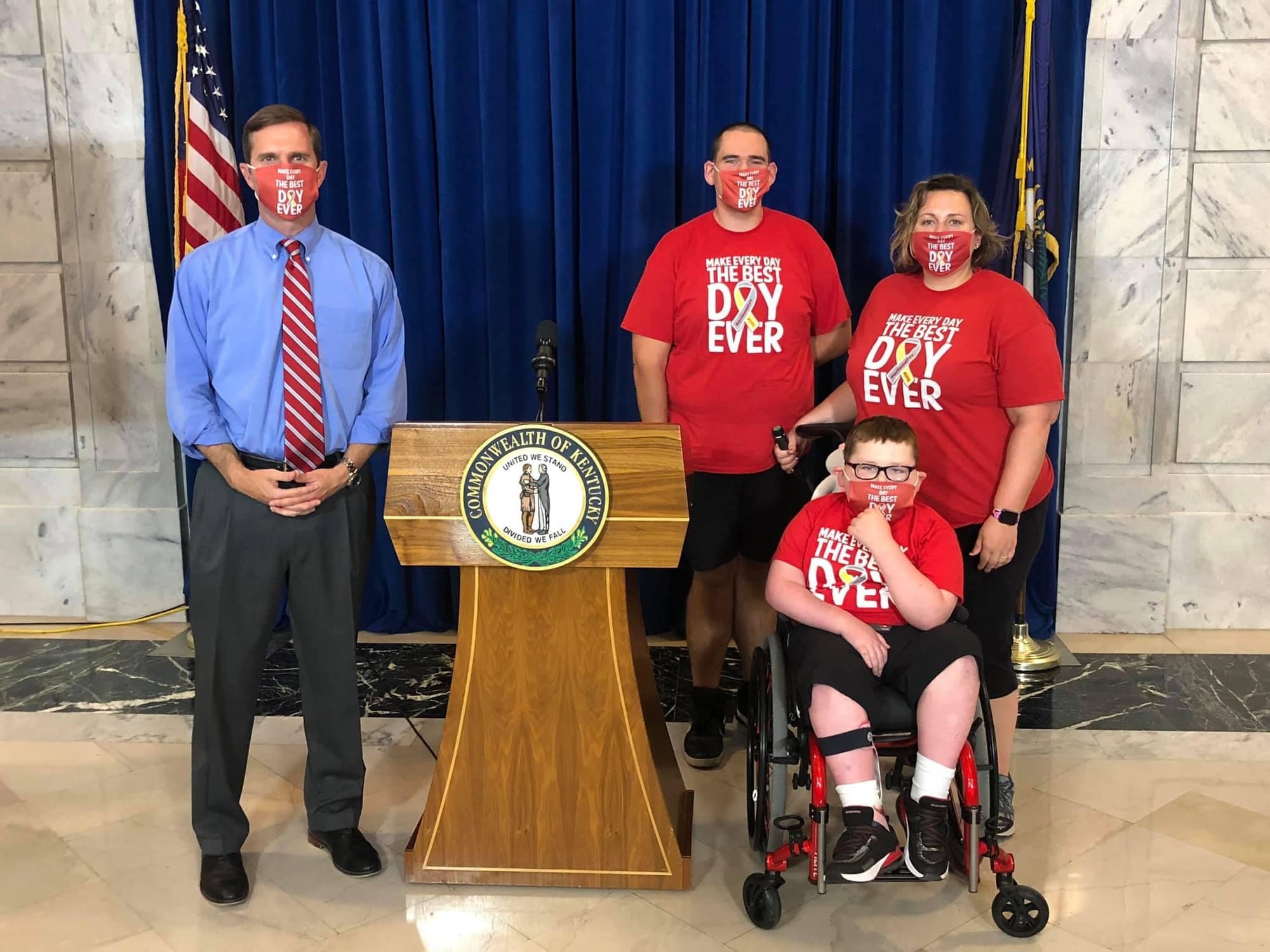
Today, Liz is president of the board of the Kentucky Pediatric Cancer Research Trust Fund- the state entity now directing tens of millions of dollars toward the exact disease that killed her son.
"When else do you go to the doctor and you're given a diagnosis, and the burden of deciding what to do falls solely to you as the parent?" she told me, describing the isolation that first pushed her into this work. It's a question she's carried with her ever since- through her son's illness, through his death, and now through years spent sitting on a board that decides which scientists get funded and which don't.
I reached out to Liz to understand what Kentucky is actually doing with the tens of millions of dollars it has committed to fighting childhood cancer, and what she's learned watching that work up close, both as a grieving mother and as the person steering the money.
Kentucky ranks among the worst states in the country for childhood cancer. A 2024 study published in the journal Cancer Epidemiology- led by researchers including Kentucky Cancer Registry Director Eric Durbin- confirmed what the state's own cancer registry data has shown for years: Kentucky's childhood cancer incidence exceeds the national rate in ten of eleven major cancer types.
In 2015, the state created the Kentucky Pediatric Cancer Research Trust Fund to do something about it. Since its first legislative appropriation of $5 million in 2018, Kentucky has now committed more than $50.5 million across successive budget cycles- and Liz says other states have taken notice.
"Our legislation was used to create the legislation in California in 2025," she told me. "We are a national leader in this space with our commitment to funding- other states' legislation is being modeled after ours."
For fiscal year 2025 alone, the trust fund's board voted to fund 45 separate research projects, totaling $10,732,808. Total committed funding specifically toward DIPG and pediatric brain and central nervous system tumor research now exceeds $9.6 million since July 2024 alone.
Liz sits on the board that approves every one of these grants. Some she watches more closely than others.
"One project I'm especially invested in, both professionally and personally, is being led by Dr. Eric Durbin," she said, calling the cancer registry director her fellow board member and, in her words, "my numbers guy."
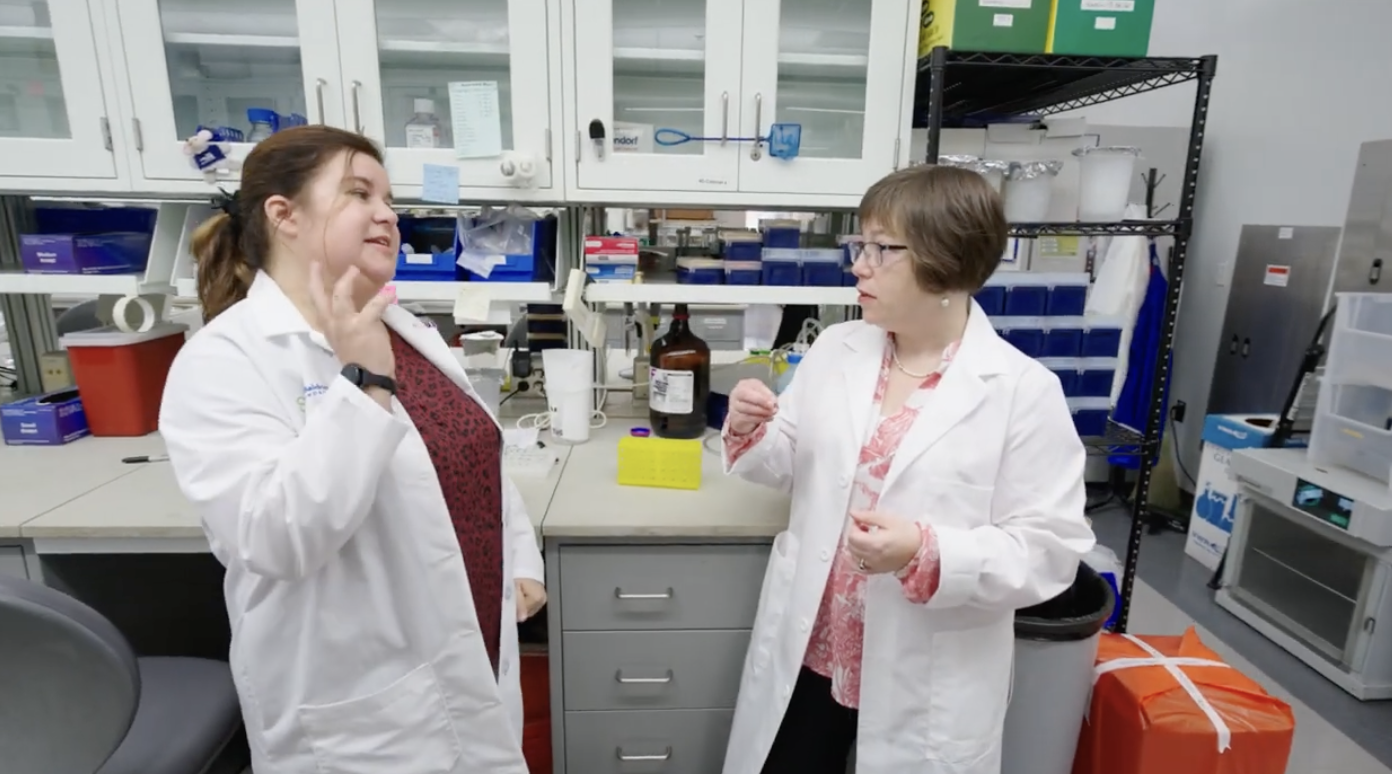
I requested public records held by the Cabinet for Health and Family Services to better understand how the money is being spent. Broadly, it breaks into three efforts happening at once: trying to figure out why Kentucky has so many of these cases, trying to treat cancers like DIPG once a child is diagnosed, and building the data systems needed to understand the scope of the problem in the first place.
Within the records provided to me, I found progress reports from researchers explaining how they have spent the money, what they plan to do next, and what, if any, results they are already seeing.
On the "why" side, I found Dr. Durbin's research consortium- a partnership connecting five hospitals across Kentucky and Appalachia that treat these young patients. Recently, he applied for federal Department of Defense funding specifically to explore environmental risk factors behind the state's high rates. In the meantime, researchers are already using existing data to chase down a few specific leads, including a possible link between elevated cases and Kentucky's bourbon industry, and a separate genetic mutation tied to mold exposure found in a different childhood brain tumor.
"There are higher incident rates in the Appalachia area as well," Liz told me. "That's been a focus area too."
On the treatment side, the records revealed there is encouraging news coming out of a University of Louisville lab that has spent years engineering a new version of CAR-T therapy- a treatment that reprograms a patient's own immune cells to hunt the tumor- built specifically for DIPG. In animal testing, the lab reports that the majority of treated subjects saw their tumors disappear completely, with some remaining cancer-free for more than a year. It's still preclinical work, years from reaching an actual child, but it's considered promising enough that the researchers are now pursuing a patent before publishing the full data.
A University of Kentucky lab took an unplanned detour into similarly hopeful territory, according to records, after an early research partnership fell apart, the team pivoted toward understanding how a specific genetic mutation helps DIPG resist radiation, and along the way built a method for sneaking a promising drug across the blood-brain barrier, something it can't do on its own. That same lab is also developing an unusual tool: fast, low-cost "avatar" models using zebrafish implanted with a patient's own tumor cells, to predict how that specific tumor might respond to treatment before a doctor ever has to guess.
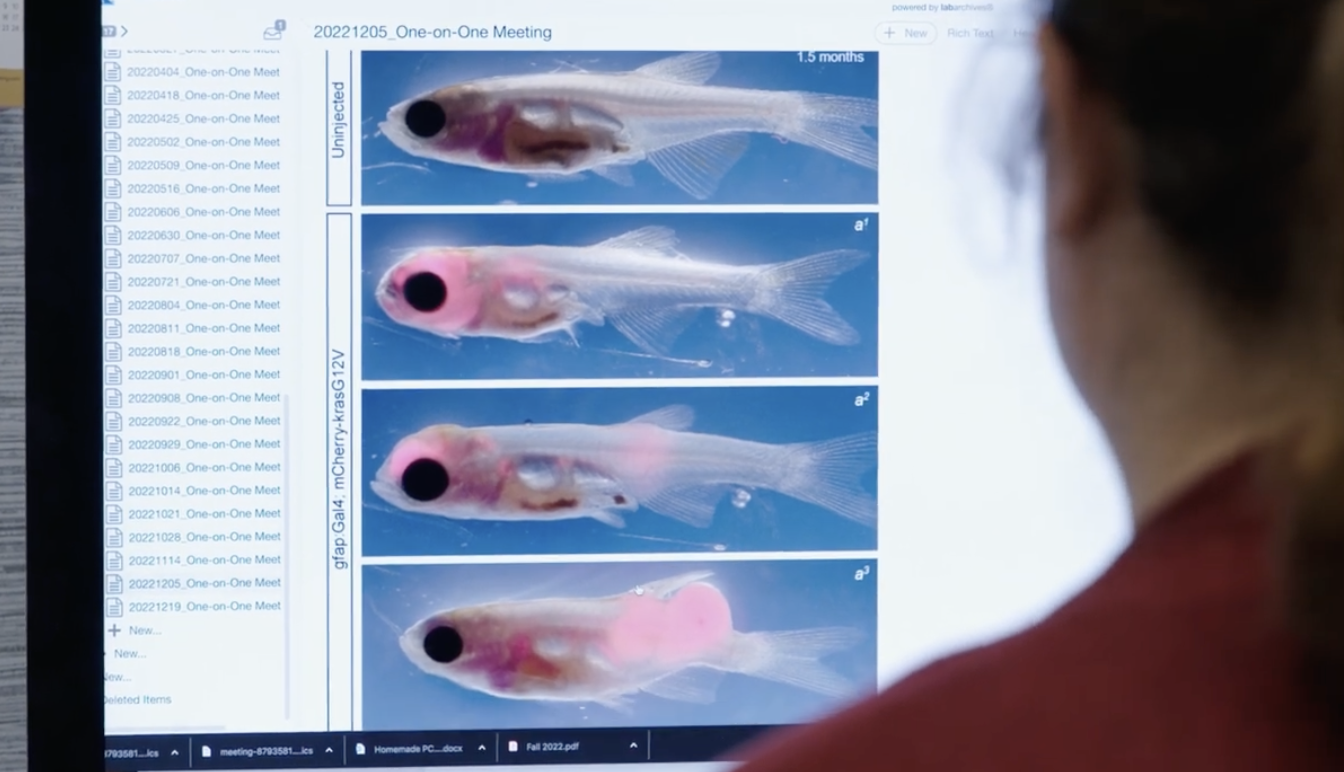
And underneath all of it sits the quieter, less glamorous work of simply keeping track: building shared genomic and clinical databases so that researchers across different hospitals and universities are working from the same information instead of scattered, disconnected records.
I asked Liz what it's like reading updates like these, several times a year, as both a scientific overseer and a mother who already knows how this particular race usually ends.
"I had no idea cancer was the leading cause of death by disease in children across the United States," she told me, describing her life before David's diagnosis, when she worked in occupational health and wellness programming. "I had no idea how much higher incident rates were in Kentucky." Now she reads these reports watching the science inch forward- in a race her own son didn't get to see the end of.
"It's certainly never going to be enough," she said, "until, one day, our children are diagnosed and there's actually a treatment plan that can result in survivorship. Or if it's something that can be prevented. It's just that we don't know what's causing these tumors. It is unknown."
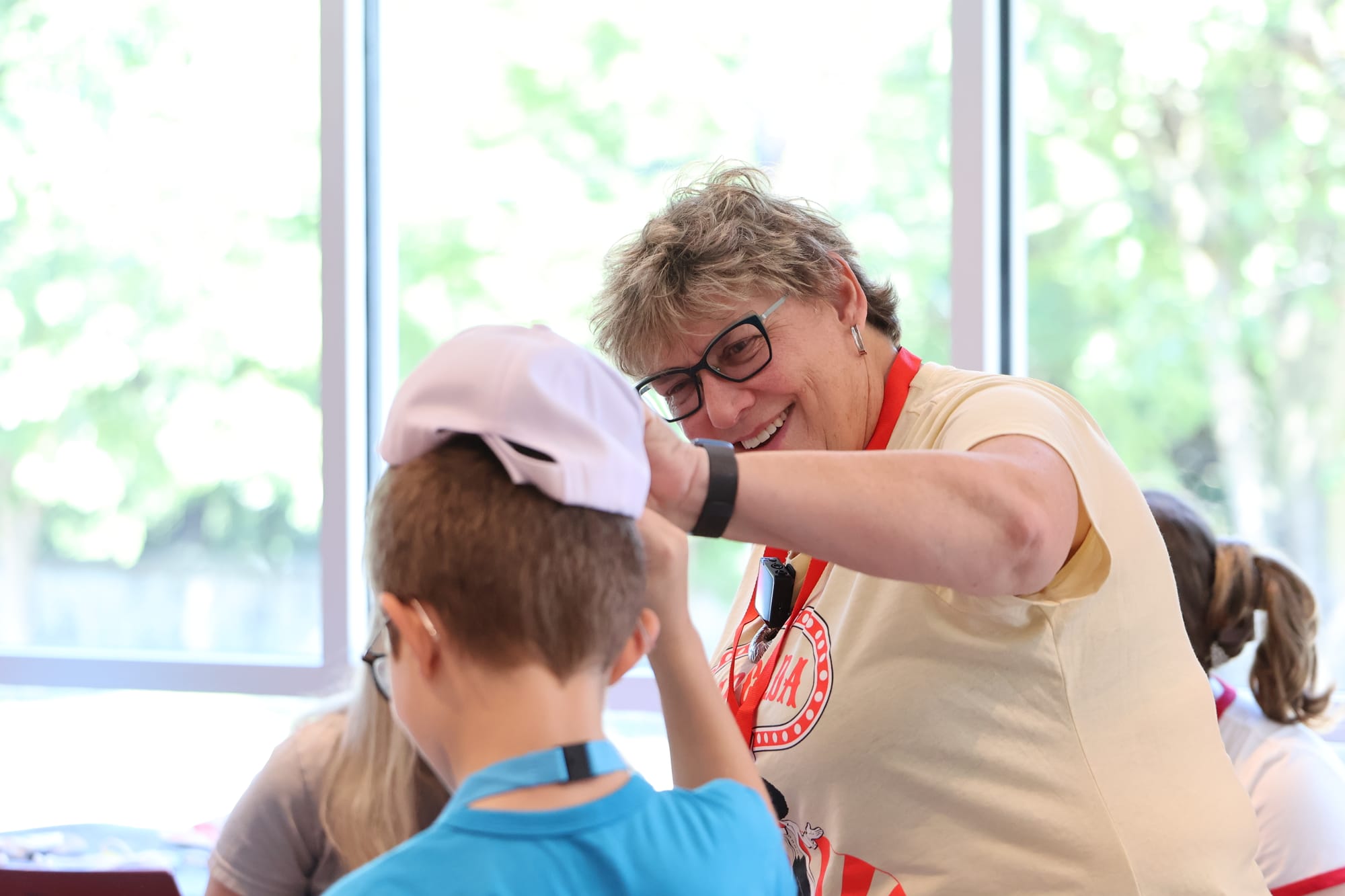
Research is only half of what the trust fund does. The other half is what happens to a family in the weeks after diagnosis- long before any lab breakthrough could possibly reach their own child. For that, the fund relies on grantee organizations doing the work on the ground. One of them is Gilda's Club Louisville.
Karen Morrison has run Gilda's Club for nearly twenty years. Her own daughter is a 24-year survivor of a rare childhood cancer, and last year Karen spent 101 days living in a residential support facility in Baltimore while her adult daughter underwent a bone marrow transplant- experiencing, for the first time from the other side, exactly the kind of support her own organization tries to provide.
"I say thank you for providing us this meal, providing us this opportunity for community," she told me, describing what it meant not to have to think about dinner during the hardest stretch of her daughter's treatment. "I didn't have to give it any thought- because I was so focused on other things."
 Shay McAlister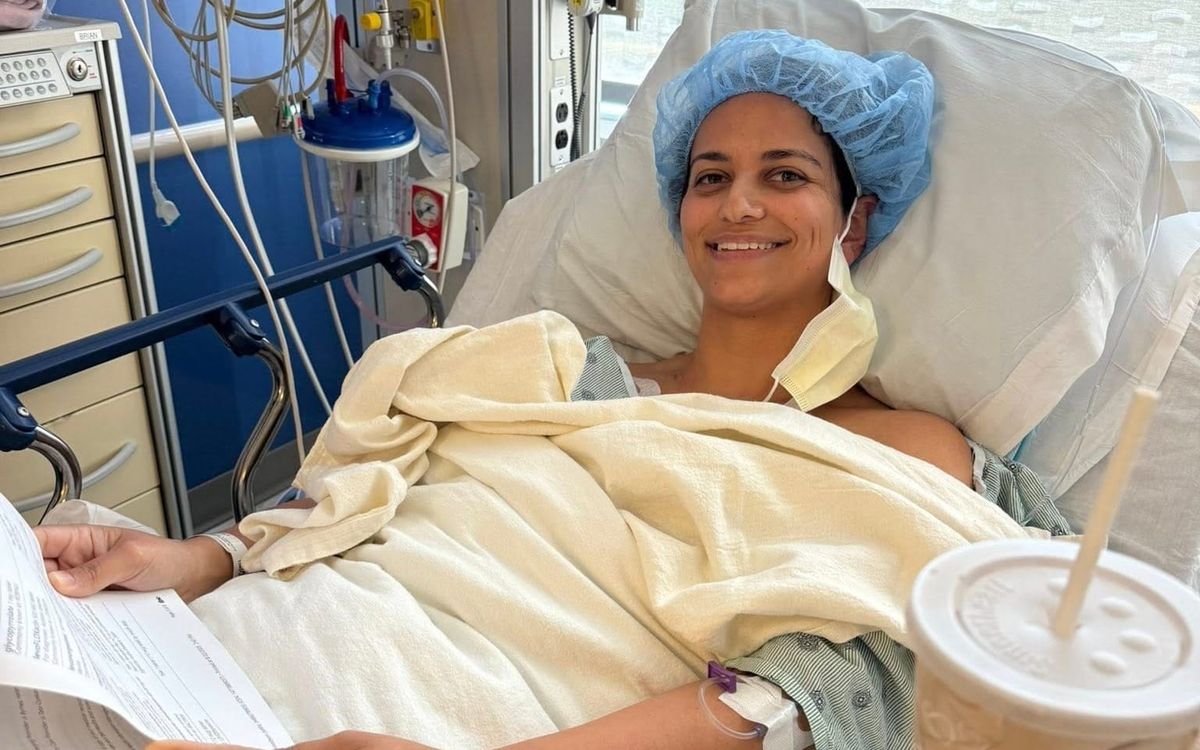
Through a trust fund grant, Gilda's Club now offers pediatric families a $500 check, no strings attached, once a diagnosis is confirmed. It's a small piece of what the trsust fund makes possible- and Karen says the need for it has already outpaced what her organization expected.
"We have already helped 67 families and spent 89% of the budgeted amount," she told me, describing the response since the program doubled its allotment on July 1st. "They have found us." She doesn't yet know where the money will come from to keep the program running for its full two-year grant cycle.
Karen's organization runs about 190 free programs a month for families- but nearly all of it is concentrated within an eight-mile radius of Louisville, which leaves families in Eastern Kentucky largely out of reach. Her team is now working to build partnerships with rural hospitals in places like Corbin, Mount Sterling, and Paducah, but she's candid about the ceiling on that effort.
"Without more bricks and mortar, we can't keep building or renting space throughout the state," she said, "because we do not have the financial resources to do that at this point."
Karen told me that reading my earlier reporting on Eastern Kentucky families had a direct effect on her.
"There was an irrational part of me that wanted to jump in the car and just go sit with them," she said. "Bear witness. Offer a hug. Can I get you a meal? And that's part of the reason we reached out. What can we do that's meaningful, given the lack of proximity to where we are?"
It's a version of the same gap Liz sees from the funding side: real resources, real infrastructure, still not reaching every family who needs it.
Two limits came up independently in both of my conversations, without me steering either woman there.
The first is money- specifically, how thin Kentucky's voluntary giving mechanism is next to its legislative funding. Since 2017, Kentuckians have been able to donate to the trust fund through a check-off box on their state tax return. In nine years, that box has raised a total of $123,831- less than $14,000 a year on average, and trending downward. The overwhelming majority of the fund's real money, all $50.5 million of it, comes from the legislature, not the public.
The second is simply counting. Both Liz and Karen, independently, raised a problem I've written about before: Kentucky doesn't have a fully reliable count of how many children in the state are actually living with DIPG, or other childhood cancers, because so many families cross state lines for treatment.
"I have heard numbers as high as 44 cases of DIPG throughout Kentucky," Karen told me- a figure she's heard, not a confirmed state number. "We know there's a pocket in Eastern Kentucky, where the rest of those kids are, where they're being treated. If the families are getting any support or not, I don't know."
Liz runs into the same wall from the research side, which is part of why the data-sharing work matters as much as any single lab's findings. You cannot study a pattern you cannot reliably count.
 Shay McAlister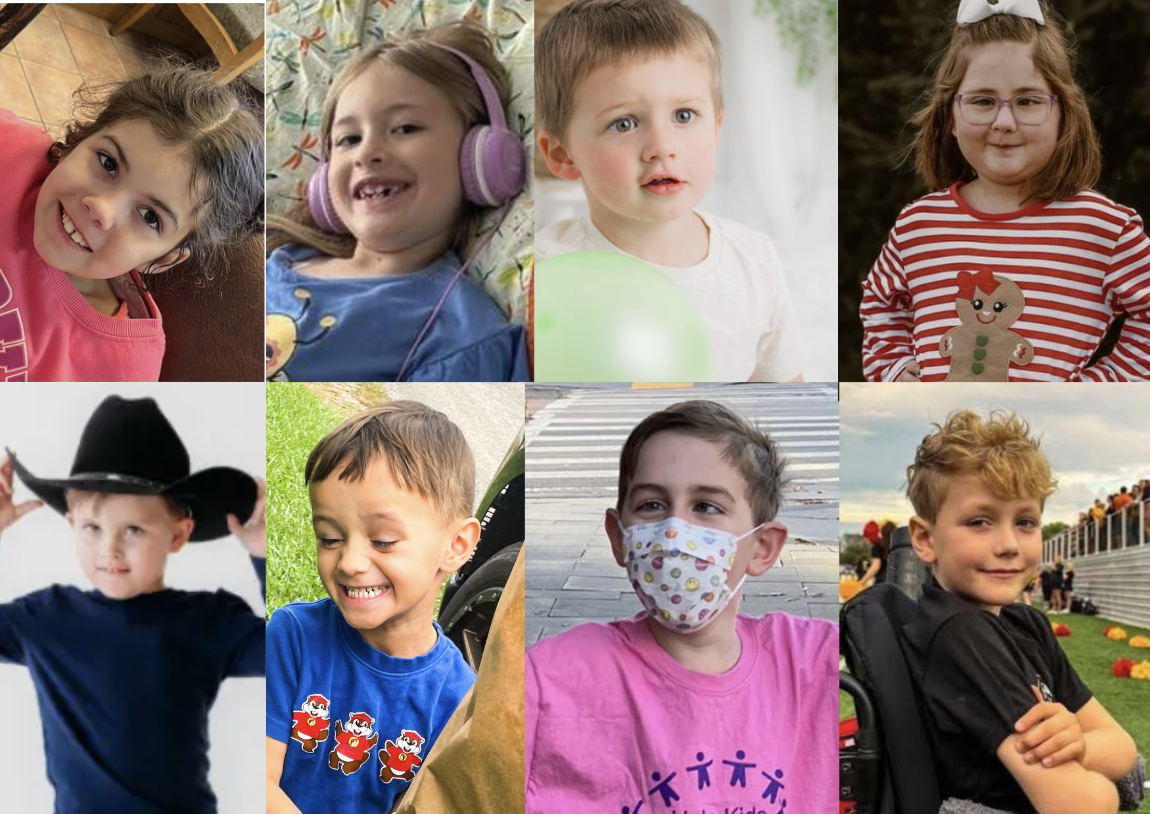
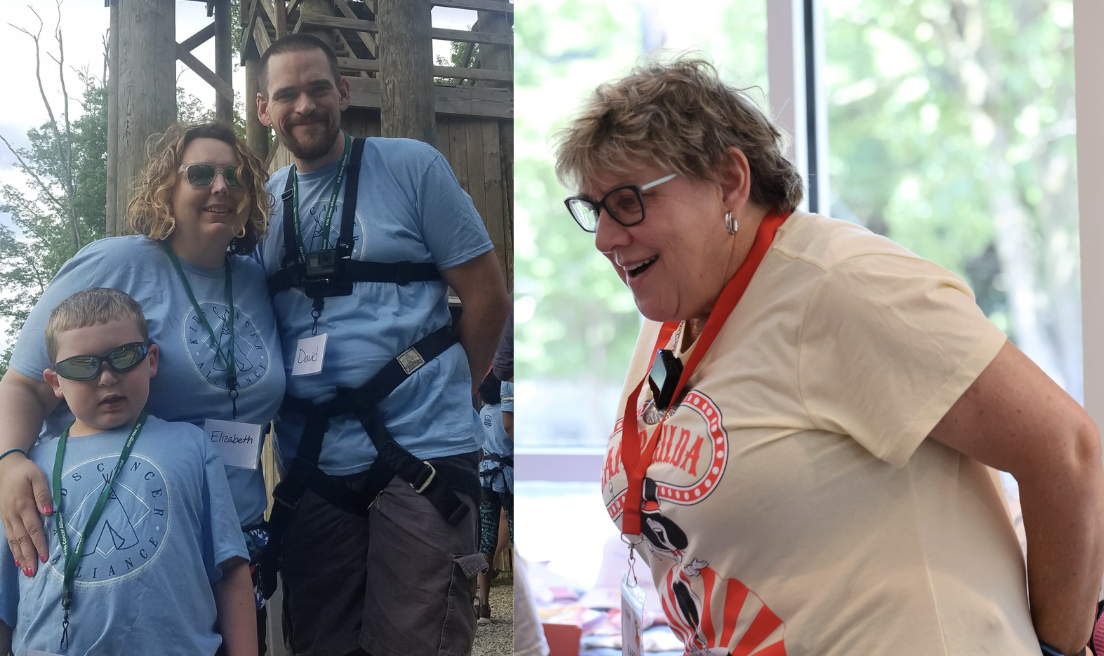
I asked both women, separately, what the Eastern Kentucky cluster has changed inside their own organizations- not in the abstract, but right now, this summer.
For Liz, it's sharpened exactly where the trust fund's attention goes next. The board is actively watching the environmental research move from a Letter of Intent toward, hopefully, real federal funding. She's fielding more direct outreach from families and advocates than she has in years, and she's now working to make sure the fund has an informational resource ready specifically for DIPG- something families in crisis can be handed immediately, rather than sent searching.
"I feel proud of the work that we've done," she told me. "But it's certainly never going to be enough"- not yet, not while the cause is still unknown, not while children are still being diagnosed with no real treatment plan waiting for them.
For Karen, the cluster has forced an urgent, unresolved conversation inside Gilda's Club about reach. The organization is actively trying to figure out how to extend real support- not just virtual programming, but the kind of in-person community Karen herself leaned on in Baltimore- three hours east of anywhere it currently operates. She doesn't have the answer yet.
"There are kids like these kids in Eastern Kentucky that we're not doing anything for," she told me. "How do we figure that out? I need help to figure it out. It's certainly bigger than our team, so we need the community's support to do more for these families."
Both women, independently, described the same posture: not finished, not certain, but actively working the problem in real time, right now, because of what's happening in Eastern Kentucky.
"We're figuring it out," Karen said. "So thank you for helping us figure it out."
Liz put it in terms that have stayed with me. Kentucky's $50.5 million commitment is real, and it's a national model. It has already funded a treatment that clears tumors in the majority of treated lab animals, and a heat-adapted zebrafish that might one day predict how a specific child's tumor will respond before a single dose is given.
None of it was fast enough for David. Whether it will be fast enough for the children in Whitley County is the question Liz Turner gets up every day and goes back to work on.
I believe some stories are too important to stay behind a paywall. That's why I'm making this piece free to read for everyone. Informed communities make better decisions and that can only happen when people have access to honest, thorough reporting.
Shay Informed is 100% reader-funded. No ads. No corporate backing. Just journalism that answers to you. If you'd like to help keep this work going, please consider subscribing