
As Childhood Cancer Awareness Month begins, a look at Eastern Kentucky's DIPG crisis- the families, the year-long delay, and the woman who saw it coming first.
I'm Shay McAlister, and this is Shay Informed: an independent, ad-free platform dedicated to honest journalism with compassion and clarity.
I believe some stories are too important to stay behind a paywall. That's why I'm making this piece free to read for everyone. Informed communities make better decisions and that can only happen when people have access to honest, thorough reporting.
Shay Informed is 100% reader-funded. No ads. No corporate backing. Just journalism that answers to you. If you'd like to help keep this work going, please consider subscribing.
September is Childhood Cancer Awareness Month. In most of the country, that means gold ribbons and awareness campaigns. In one corner of Kentucky, it means something much closer to home: a community trying to understand why its children keep getting sick with a cancer that seldom strikes.
I began reporting on this story in April 2026, when a cluster of pediatric DIPG diagnoses in Eastern Kentucky first became impossible to ignore. But open records requests and interviews since then have given me a much longer view- a glimpse into a state response that actually began a full year earlier, in May 2025, when one Whitley County woman first raised the alarm. What started as a handful of grieving families comparing notes on social media has become a state-confirmed statistical anomaly, a records-based accountability investigation, and, more recently, a look at where Kentucky's response is actually working. As this awareness month begins, I wanted to bring all of that reporting together in one place- including new, previously unpublished interview material- for anyone just now learning about what's happening in this part of the state.
The numbers that should stop you cold
The Kentucky Department for Public Health, working with the Kentucky Cancer Registry and the University of Kentucky College of Public Health, has confirmed 10 cases of DIPG/DMG in Eastern Kentucky children and young adults since 2024. In a typical year, the entire state of Kentucky sees only two or three cases of this cancer in that age group- total. Whitley County alone, a rural community of roughly 36,000 people, has had three. Two of those children are dead. One is still fighting.
Ten cases in one region in roughly two years is not a statistical blip. State officials have called it "unusual," "concerning," and "devastating." It does not yet meet the technical scientific definition of a "cluster"- that requires a more specific shared location, like a school or neighborhood, which hasn't been identified- but it has triggered a formal "Unusual Pattern of Cancer" investigation, the same process used nationally under CDC and Agency for Toxic Substances and Disease Registry guidelines.
Behind that number are children with names, families, and stories I've spent this past year documenting.
The children behind the number
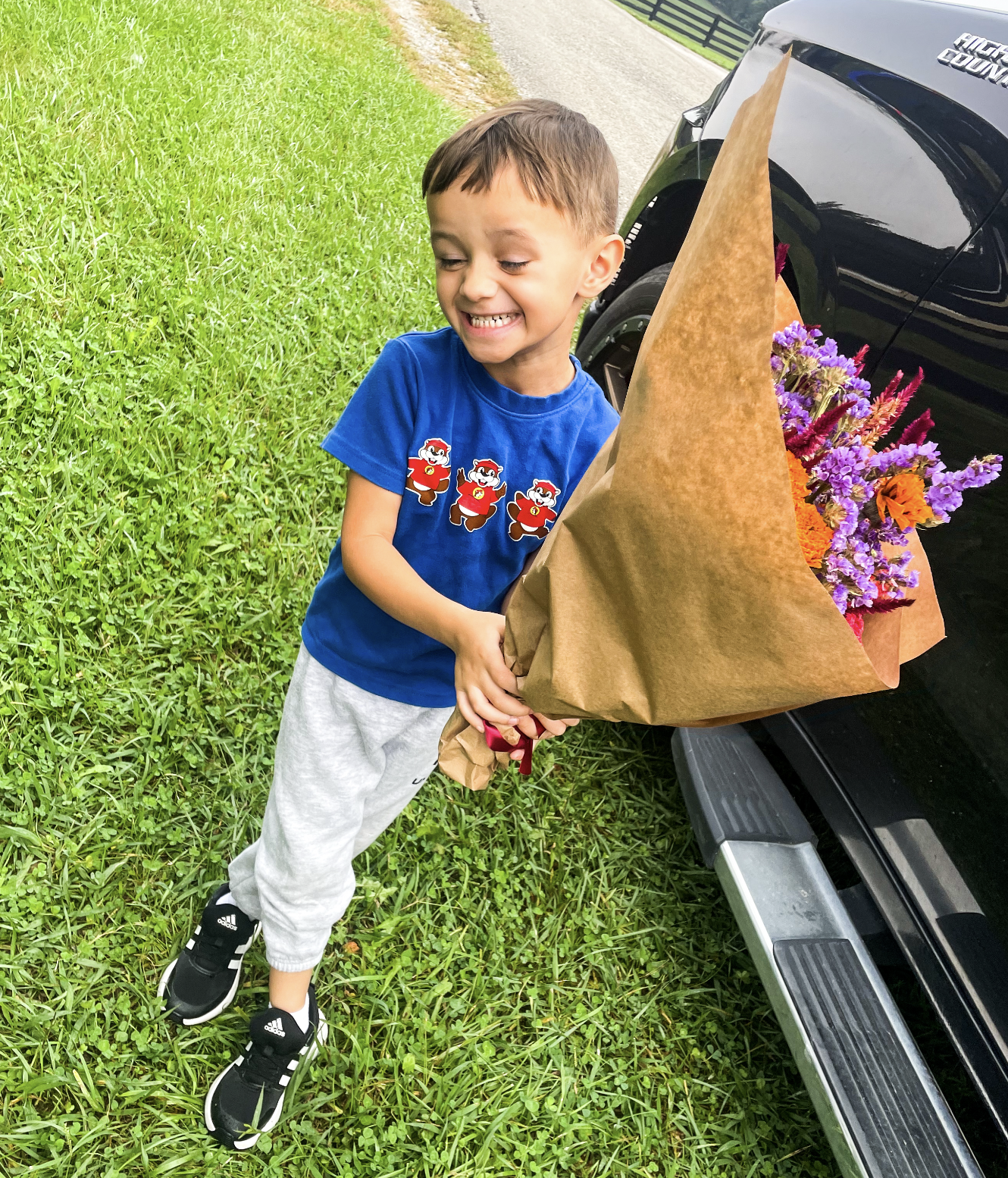
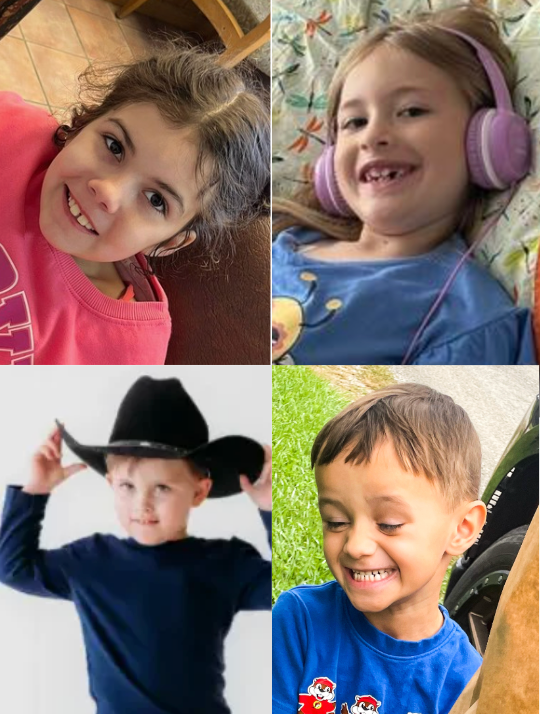
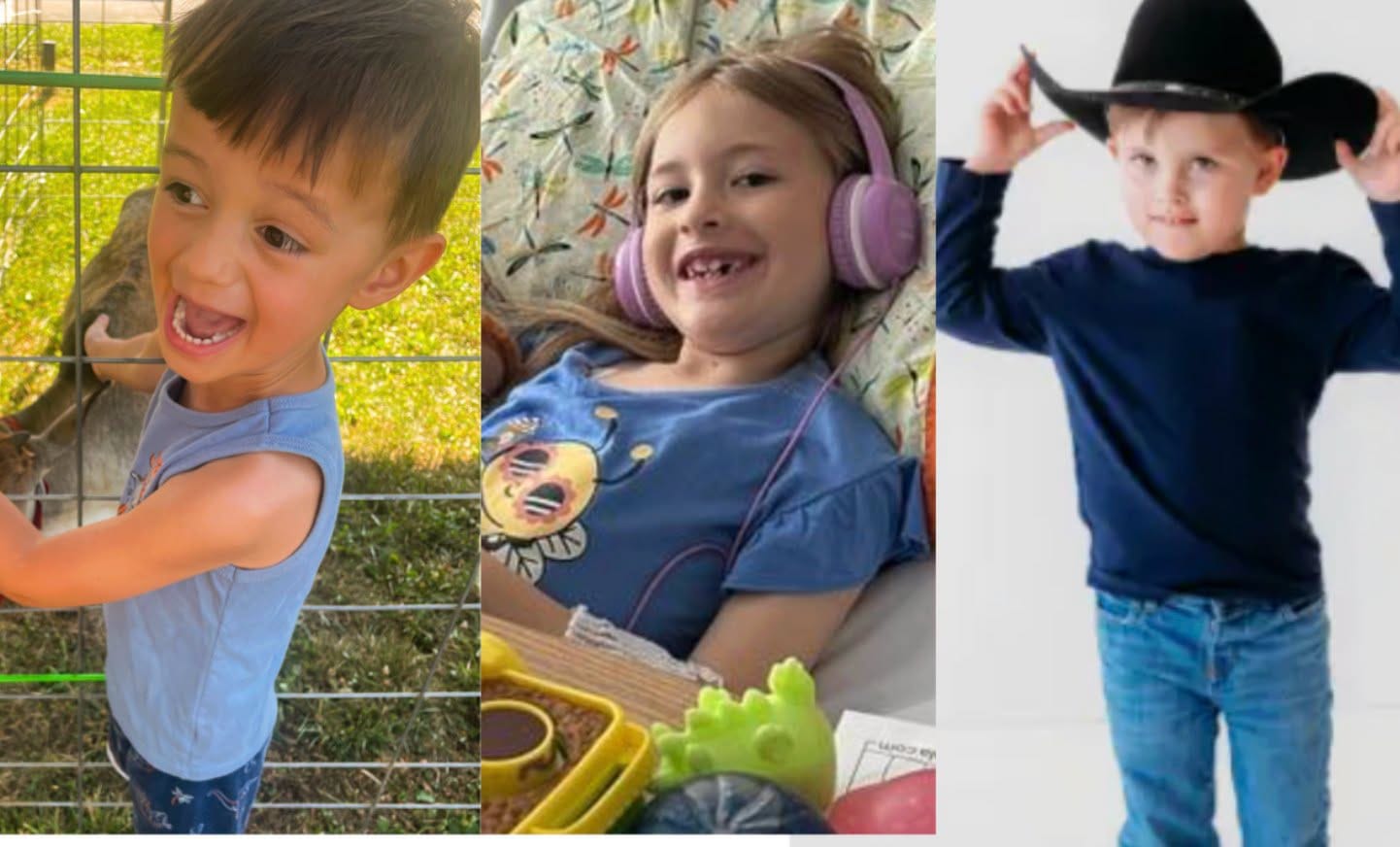
Ayven Dennis was five years old and, by his mother Ashley Early's description, a completely normal, wild, funny little boy. He had a love of hiking, a habit of "shaking his butt and making vulgar, inappropriate moves" that made his ER-nurse mom laugh despite herself. His first symptom was subtle: an eye that seemed to turn inward. Within days, he was struggling to climb stairs he used to "zoom right up." An MRI found a tumor in his brainstem. He completed thirty rounds of radiation, traveled to Chicago for a clinical trial that gave his family a real stretch of hope, and then, in January 2026, his tumor worsened dramatically. He died March 5, 2026, six years old, ten months after diagnosis. His mother told me the last thing he ever did was reach over and give her a hug.
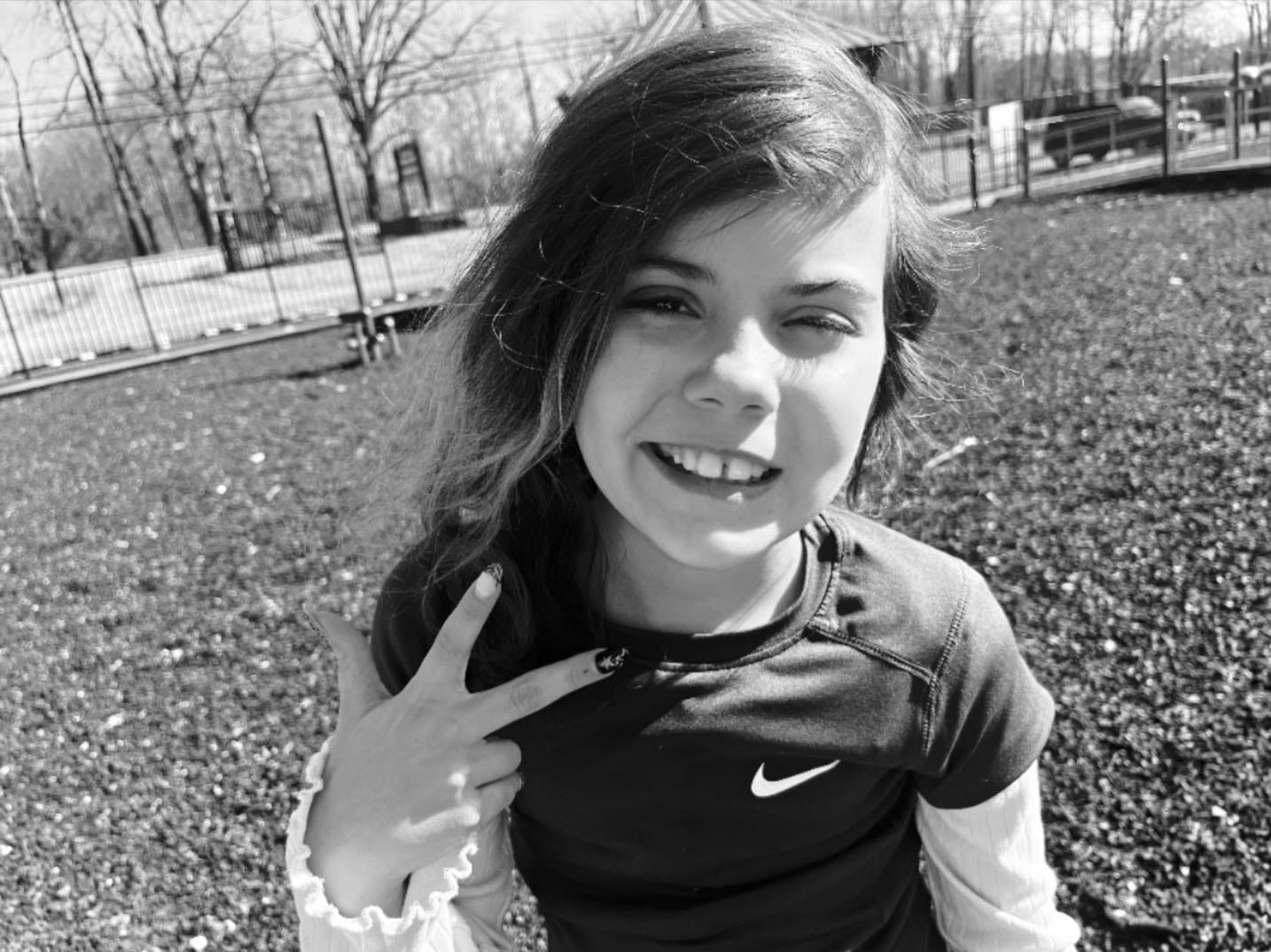
Destiny Miniard was ten days from her ninth birthday when her mother, Marsha, noticed her walking "sort of like Donald Duck" through the kitchen. Within twenty-four hours, what looked like an inner ear infection turned out to be a mass in her brainstem that grew a full centimeter in ten days. Destiny's story has taken a different turn: after standard radiation produced only modest shrinkage, her mother made the difficult decision to add Full Extract Cannabis Oil to her treatment, sourced from a farm in California, with her doctors' support. Her tumor initially showed positive signs of shrinkage. At her most recent MRI, it had grown, and doctors gave her a grave prognosis- of only one or two months to live.

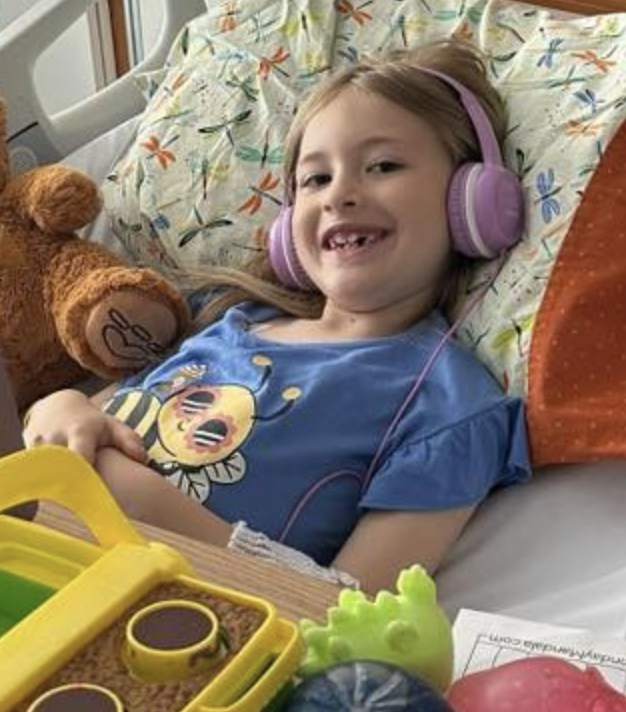
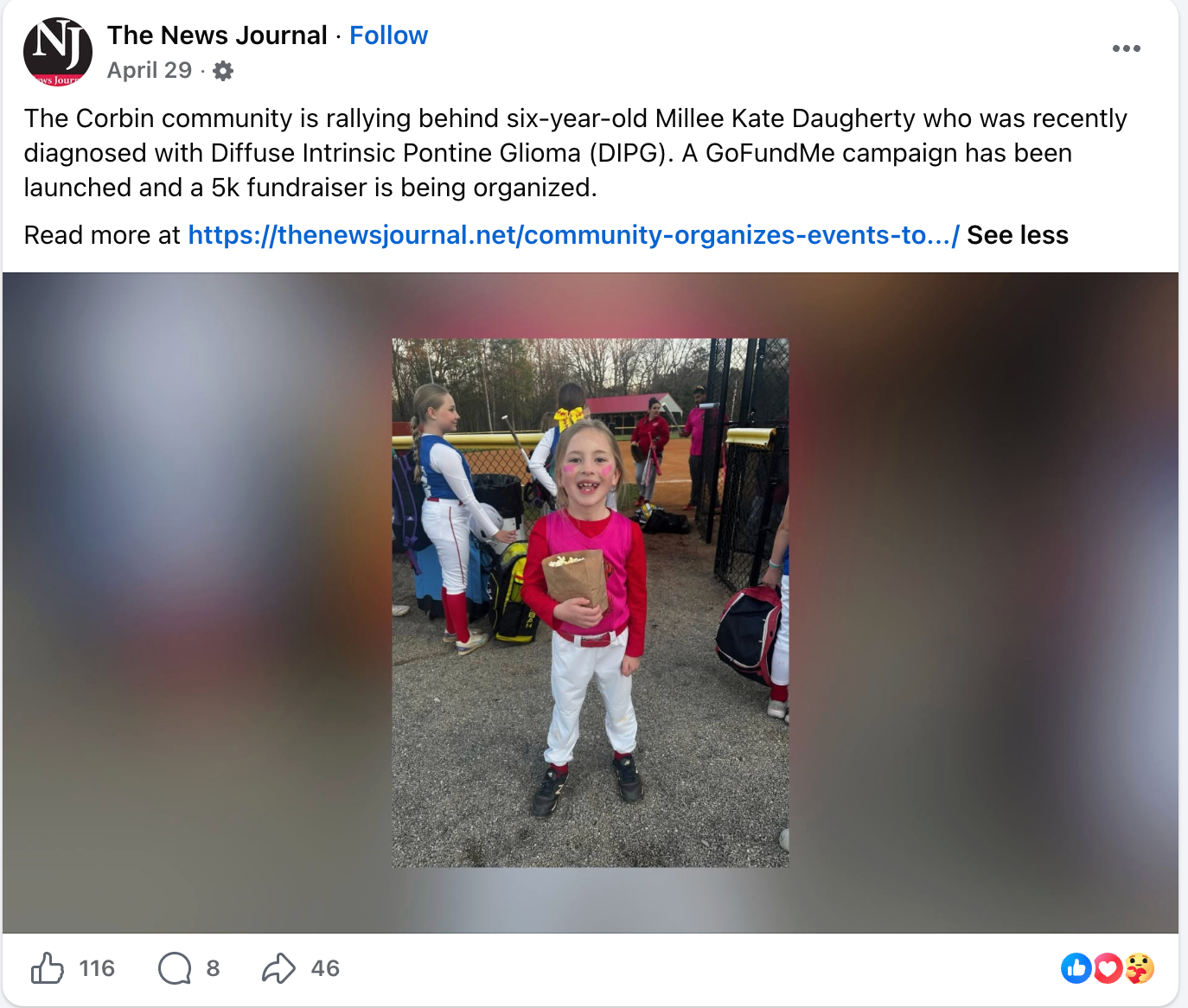
Five-year-old Waylon Taylor died the same month as Ayven. Seven-year-old Millie Kate Daughtery was diagnosed a month after that. These are only the cases I've been able to confirm directly with families; both Ashley Early and Marsha Miniard describe knowing other Kentucky mothers fighting the same diagnosis right now, in real time, some watching their children move in the opposite direction from Destiny.
What is DIPG?
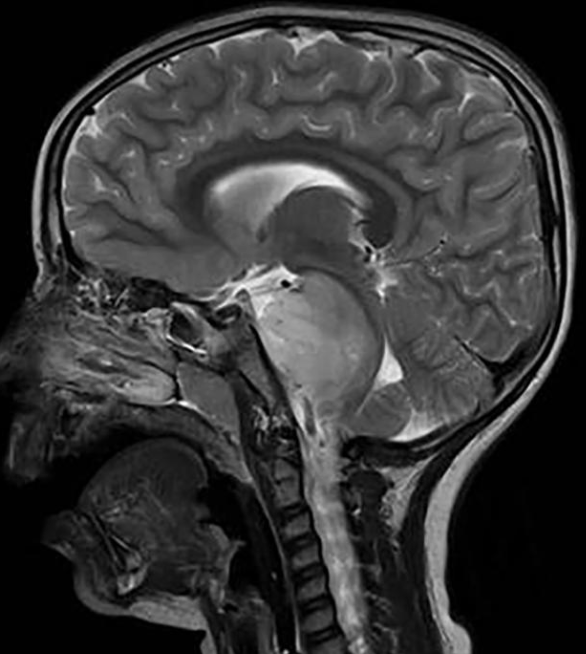
To understand why this disease is so devastating, I spoke with Dr. Mustafa Barbour, a pediatric neuro-oncologist at Norton Children's Hospital. DIPG forms in the pons, a part of the brainstem through which nearly every critical nerve function passes- movement, swallowing, breathing, vision. Unlike most tumors, DIPG doesn't grow as a discrete mass; it infiltrates diffusely between healthy brainstem cells, which is why surgery has never been an option. "It's really hard to tell exactly where the tumor is and where the normal brainstem tissue is," Dr. Barbour told me.
The disease moves fast. Most families notice symptoms only one to two weeks before diagnosis- a lazy eye, unsteadiness, a subtle weakness. By the time an MRI is ordered, doctors already know, largely from experience, what they're looking at. Radiation is the only treatment proven to make a meaningful difference, and even then it typically buys months, not years. Traditional chemotherapy, despite decades of trials, has never worked against DIPG. A weekly oral medication approved last year can slow the disease but not stop it.
"For some families, they hear the diagnosis and rightfully ask me: if you're telling me I have a limited time to enjoy my child, why would we travel far from home for a trial?" Dr. Barbour said. "There is no one right answer for every child or every family."
Only about 4% of federal cancer research funding goes toward pediatric cancers, and DIPG receives a fraction of even that.
What the state knew, and when
The most difficult reporting I did this year involved not the disease itself, but the response to it. Through Kentucky Open Records Act requests and an exclusive interview with Whitley County Public Health Director Marcy Rein, I was able to reconstruct a timeline that raises real questions about how long it took the state to act.
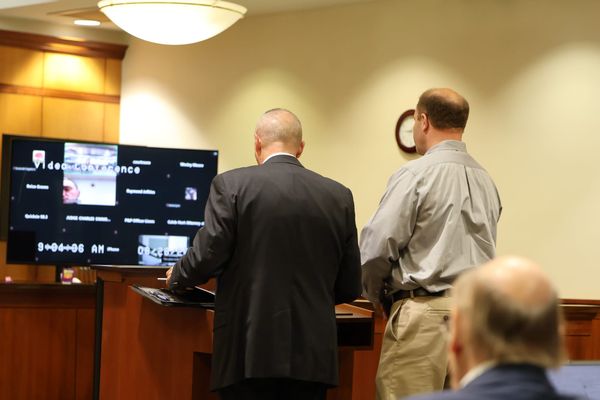
A Whitley County resident with a public health background first alerted state officials to a possible cluster of pediatric DIPG cases in May 2025- nearly a full year before the public learned anything. State officials called the concern credible and opened a review. Then the trail went cold: the names reported couldn't be matched in the state cancer registry, partly because of a spelling error that wasn't resolved for nearly a year. "When they didn't have anywhere to go with it, they didn't go anywhere with it," Rein told me, "because it was sort of like, well, we don't know what else to do."
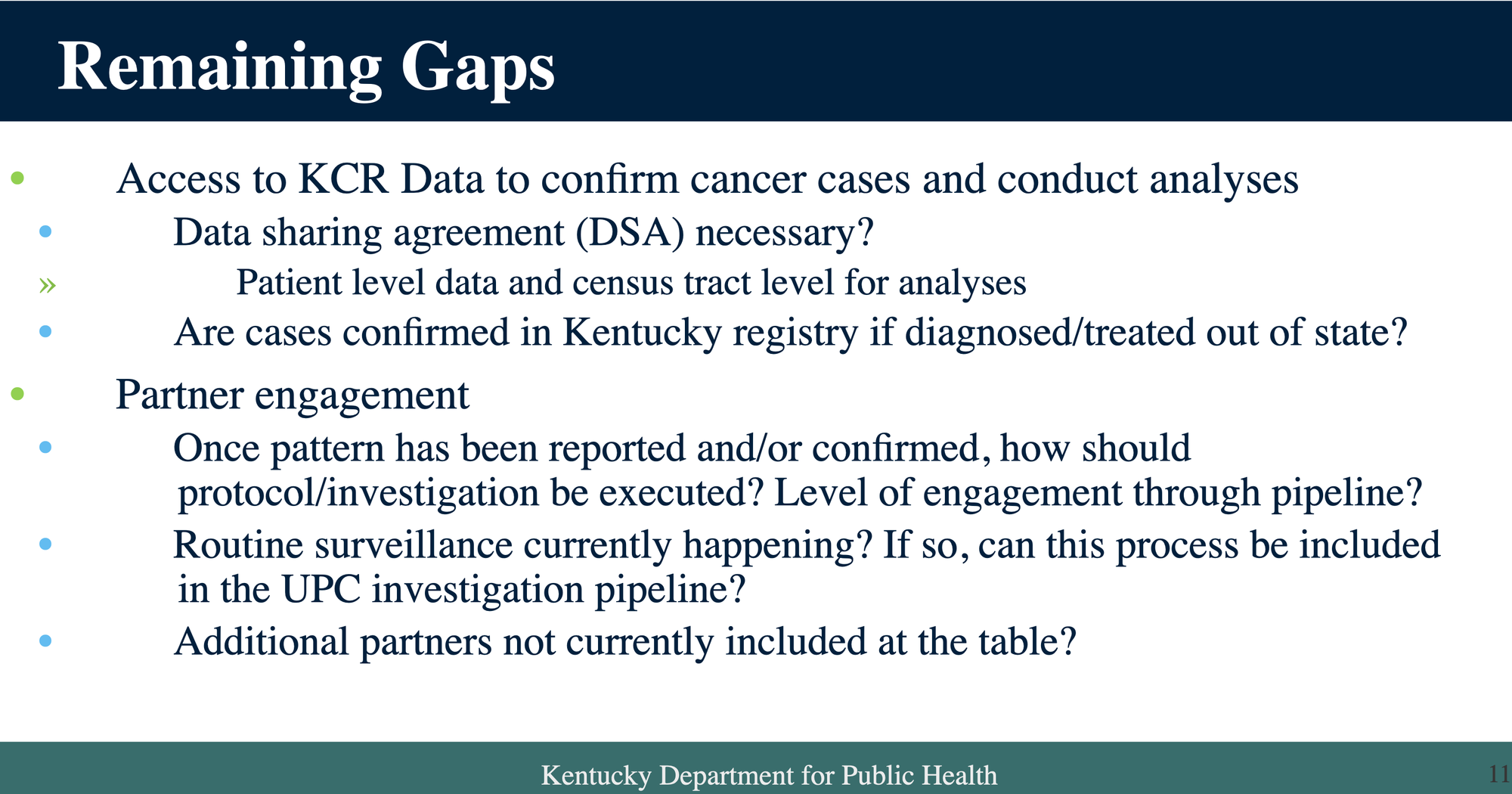
That gap wasn't unforeseen. Records show state epidemiologists had identified this exact weakness- what happens to a community report that can't immediately be verified- in a formal presentation nearly two years before the Whitley County report came in.
It took mounting public pressure this spring- a letter to Cabinet for Health and Family Services Secretary Steven Stack describing at least six suspected cases, and Rein raising her own alarm after hearing the same fears from her community- before the state moved. When new reports came in this April, officials were finally able to confirm what they couldn't confirm the year before: two of the "new" cases were the very same children reported in 2025, this time with names spelled correctly.
Since then, Kentucky's investigation has entered what Rein calls the "in-depth health studies" phase of the CDC's four-phase Unusual Pattern of Cancer protocol- the most resource-intensive stage, with the state's own timeline estimate running ten months or longer. Kentucky has met multiple times with the CDC and its Agency for Toxic Substances and Disease Registry, which has agreed to analyze DIPG data across multiple states for possible connections, using data Kentucky has already shared. But as Rein was careful to explain, there is not yet a specific environmental test underway, because there isn't yet a specific hypothesis to test. "We don't know what we're testing for," she told me. Because cancer risk can stem from exposures before conception, investigators have to consider not just where a child grew up, but where their parents lived years before the child was born- a fact that widens the scope of the inquiry considerably, and lengthens the timeline to match.
The Cabinet for Health and Family Services declined to make state epidemiology staff available for an interview and has not answered my specific written questions about the delay.
The woman who first raised the alarm
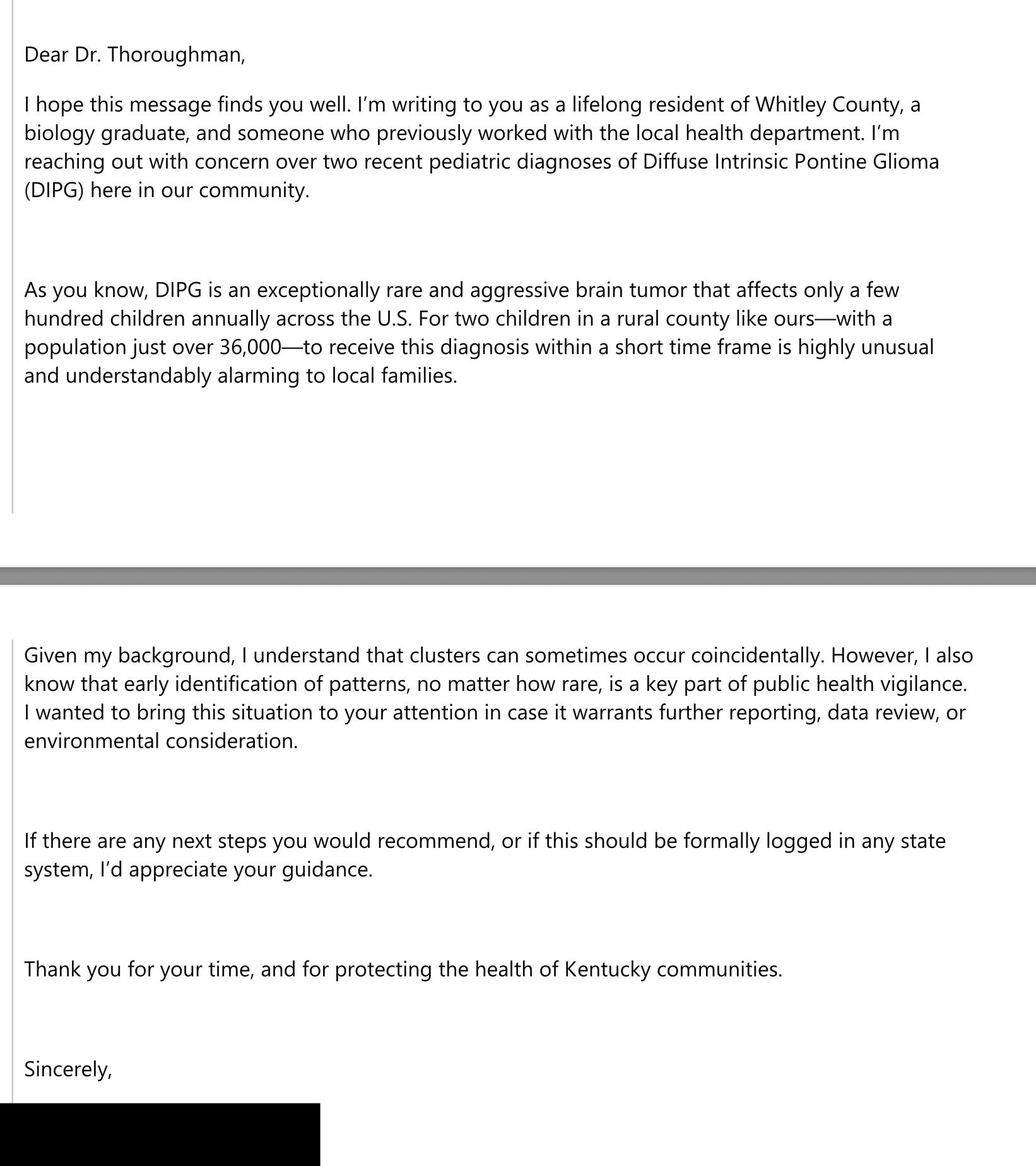
For months, "a Whitley County resident" was the closest I could get to naming who first sounded this warning. She has since agreed to speak with me directly: Erin Maxey, a lifelong Whitley County resident who worked contact tracing at the local health department during COVID. In a new interview, Maxey walked me through her own emails, hour by hour, to reconstruct exactly what happened after she first raised concerns- and what didn't happen after that.
Maxey isn't related to any of the affected families. She knew them only the way you know people in a small town- her stepmom worked with Ayven Dennis's father, everybody had gone to school together. When Waylon Taylor was diagnosed with DIPG not long after Ayven, something in her public-health training clicked. "The thing you hear is rare, rare, rare," she told me. "So when the second little boy was diagnosed, my alarm bells kind of started going off." She wrote down the date she started reaching out to officials: May 15, 2025.
That day and the next, Maxey emailed nearly everyone she could think of: the nonprofit The Cure Starts Now and its co-founder Brooke Desserich, Kentucky Cancer Registry director Eric Durbin, and Department for Public Health official Douglas Thurman, who looped in Megan Hurst, whose team investigates cancer clusters. Officials responded quickly and, by her account, respectfully- Durbin thanked her for sharing her concern; Thurman told her she was "spot on" for flagging it. Within a day, Hurst's colleague Brandon called to walk through what the state called its "cancer pattern background questionnaire."
Maxey told me she spent an entire day combing social media before that call, gathering the affected families' names, parents' names, dates of birth, even the dates symptoms started and diagnoses were made- because, she said, she worried the children might be receiving treatment at different hospitals, which could make it harder for anyone to connect their cases. "That's very hard for somebody to put two and two together," she said. It's a concern state officials have since told me was, in fact, part of what slowed their own review.
She also gave investigators a third child's name that spring- a boy she'd learned, through social media, was said to be related to Waylon Taylor, though diagnosed with a different cancer. She told me she was explicit on the call that it wasn't DIPG. "I even spelled it out for him," she said. "I was clear with them."
At the end of that call, Maxey says the investigator told her, in her words, "it could be days, it could be weeks, or it could be years before you hear anything." He also asked what she thought might be causing the cases. "It could be any type of, you know, anything environmental. That's why the research needs to start", she told me.
Then, she says, the state went quiet. No follow-up call. No request to verify a name or a spelling. No word at all- until April 2026, when Millie Kate Daughtery's diagnosis and the deaths of Ayven Dennis and Waylon Taylor spread across social media and reignited the community's attention.
When I first reported that the year-long delay traced back partly to a spelling error in the names Maxey provided, she told me it was the first she'd heard that her original tip had gone anywhere at all- and the explanation didn't sit easily with her. "I could understand if maybe he misunderstood me over the phone," she said. "But then my instant thought was, well, why didn't you call me and verify the spelling?" She points out that a version of the same information was sitting in plain view on social media the whole time. "One of the investigators could have went on Facebook and looked these families up," she said. "I just find it really hard to swallow that a spelling error is what got in the way."
Maxey doesn't blame herself for the outcome, but she carries a version of the same weight the families do. She has a seven-year-old daughter of her own- the same age as some of the children diagnosed. "I just kind of assumed they're taking care of it," she said of the year of silence that followed her initial report. "I'm kind of blaming myself for not following up... but we have to learn from our mistakes, or we're going to continue to do the same things over and over again."
What Kentucky is getting right
Alongside the accountability reporting, I also wanted to look honestly at what is working- because something genuinely is. Kentucky has built one of the most well-funded state-level pediatric cancer research programs in the country, and other states have modeled their own legislation on it.
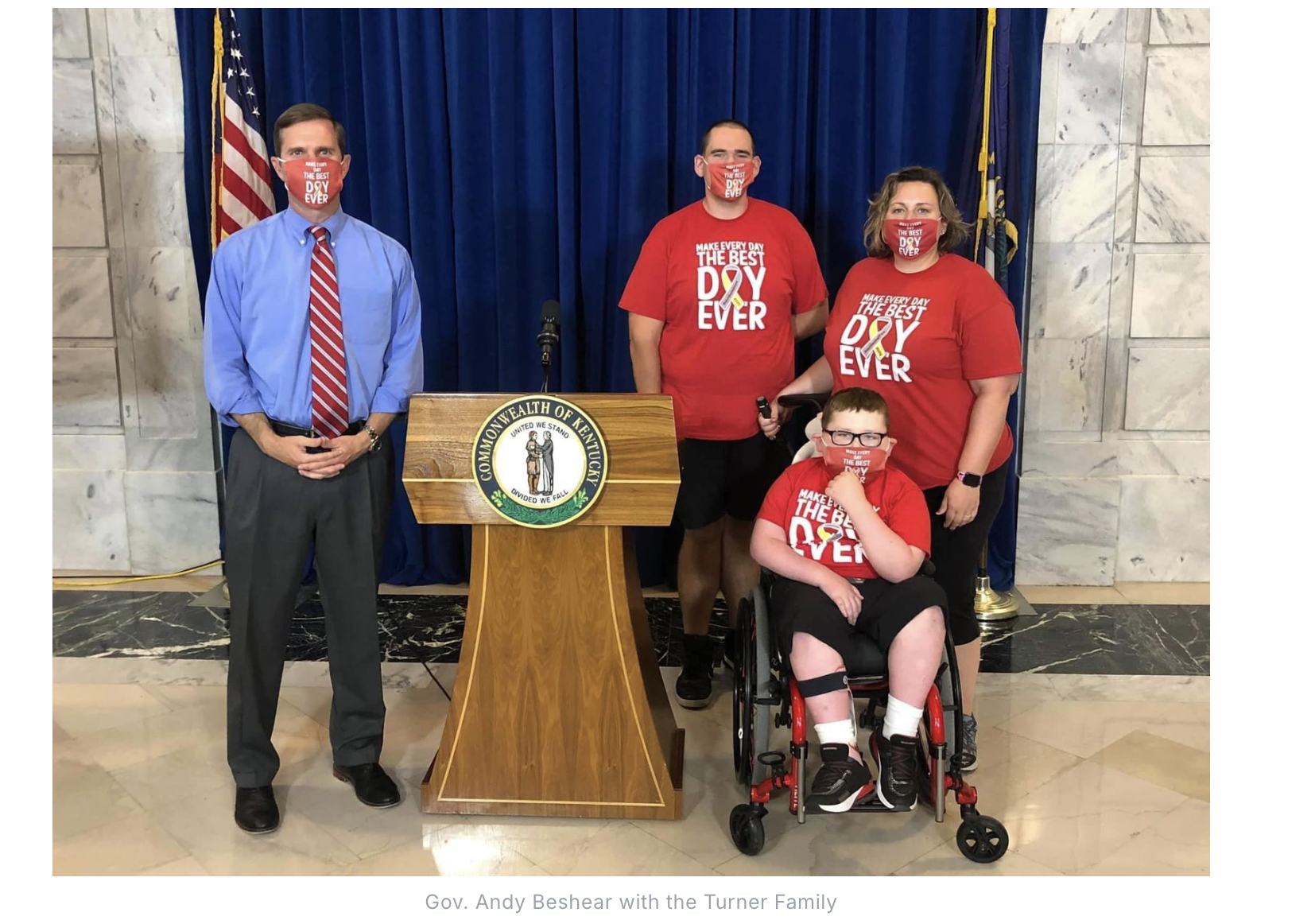
The Kentucky Pediatric Cancer Research Trust Fund, created in 2015, has committed more than $50.5 million since its first $5 million appropriation in 2018. More than $9.6 million of that has gone specifically toward DIPG and pediatric brain and central nervous system tumor research since July 2024. The board is chaired by Elizabeth "Liz" Turner, whose own son David died of DIPG in 2021 after a three-year fight. "Our legislation was used to create the legislation in California in 2025," she told me. "We are a national leader in this space."
That money is funding real science. A University of Louisville lab has engineered a CAR-T therapy- reprogramming a patient's own immune cells to hunt the tumor- that cleared tumors in the majority of treated lab animals, some remaining cancer-free more than a year later; it's still years from reaching a child, but promising enough that researchers are pursuing a patent before publishing.
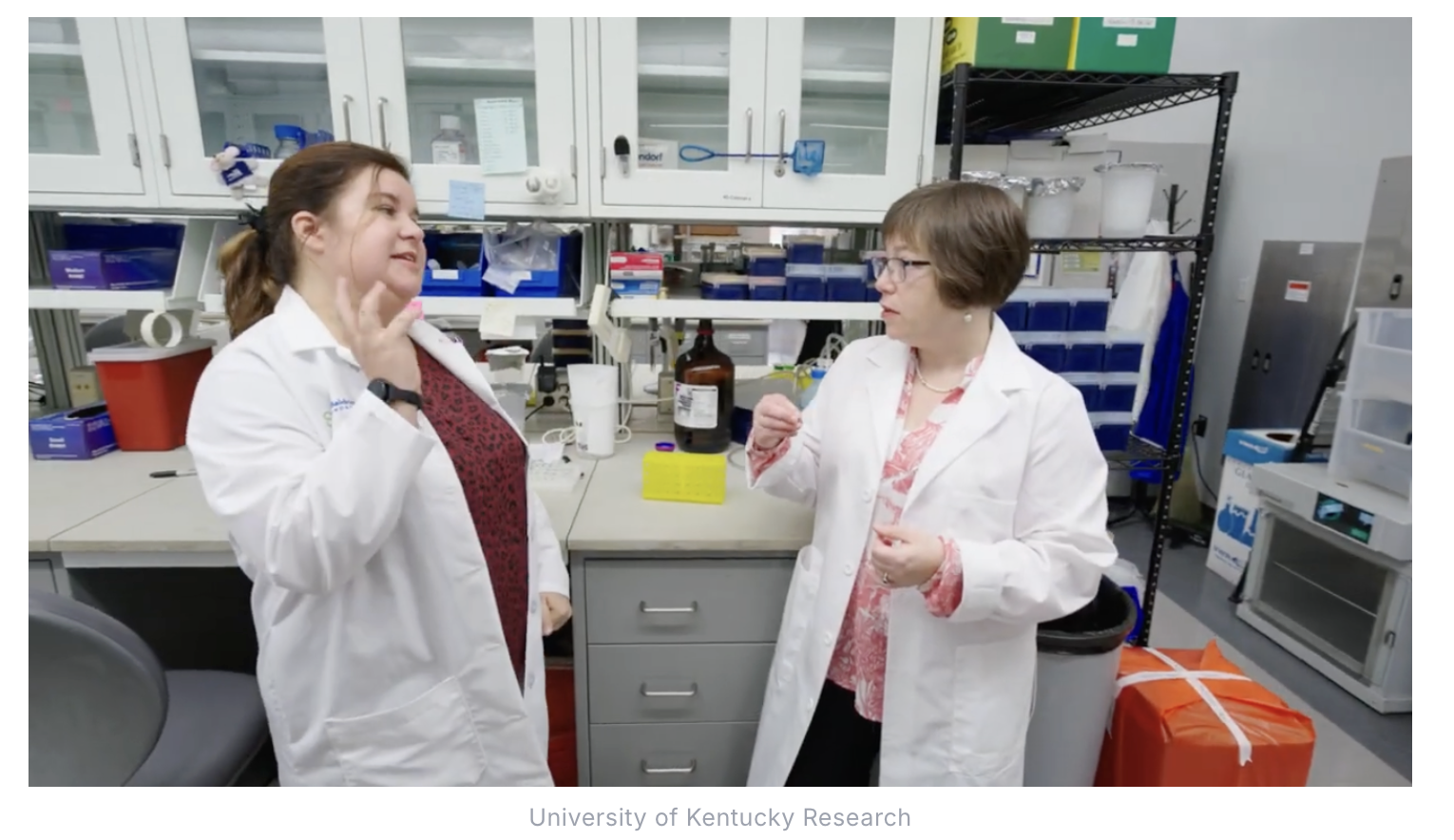
A University of Kentucky lab is working to understand how a genetic mutation helps DIPG resist radiation and, along the way, has built a method for getting a promising drug across the blood-brain barrier- plus fast, low-cost "avatar" zebrafish models that could one day predict how a specific child's tumor will respond to treatment before a doctor has to guess.
Researchers are also chasing leads on possible environmental contributors, including links to Kentucky's bourbon industry and a mold-linked genetic mutation seen in other childhood brain tumors, and have applied for federal Department of Defense funding to study environmental risk factors directly.
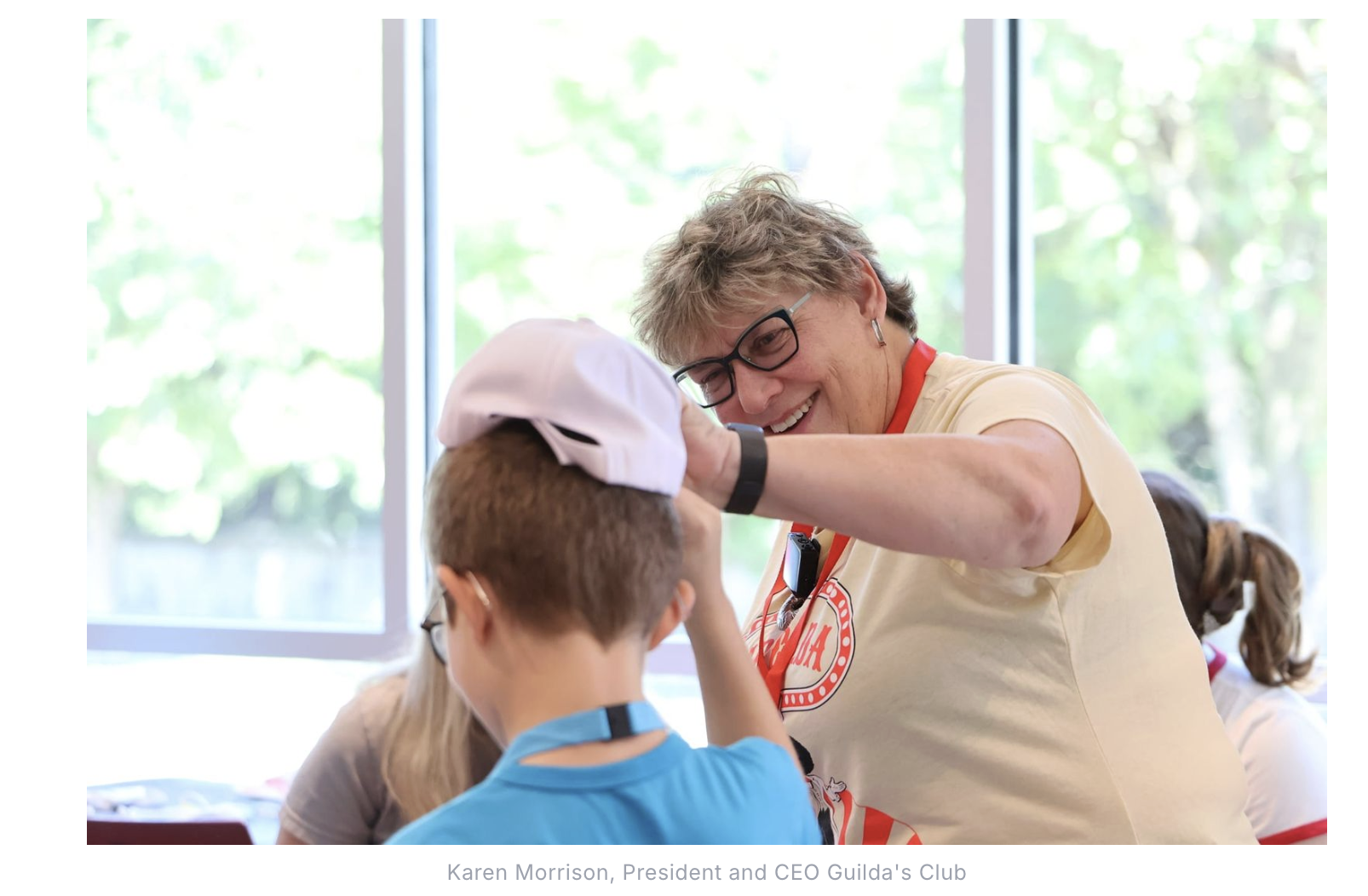
On the ground, organizations like Gilda's Club Louisville are trying to close the distance between that research and the families living through diagnosis right now- offering $500 no-strings grants to newly diagnosed families through a trust fund grant that has already helped 67 families and outpaced its own budget. But Gilda's Club runs almost all of its in-person programming within eight miles of Louisville, leaving most Eastern Kentucky families out of reach- a gap its CEO, Karen Morrison, told me she doesn't yet have the resources to close.
Two limits came up, unprompted, in separate conversations with both women steering this work: Kentucky's voluntary tax check-off donation for the trust fund has raised just under $124,000 total since 2017- trending downward, and a fraction of what the legislature provides. And no one- not the state, not the researchers, not the nonprofits- has a fully reliable count of how many Kentucky children are actually living with DIPG, because so many families cross state lines for treatment. You cannot fully study a pattern you cannot reliably count.
Where this stands
Ten children. A years-long delay traced back to a spelling error. A federal investigation now finally underway, with no fast answers promised. And, running alongside all of it, one of the best-funded state pediatric cancer research efforts in the country- built, in no small part, by parents who buried their own children and decided to keep working anyway.
"We haven't been angry enough," Ashley Early told me earlier this year. Marsha Miniard put a version of the same question a different way: "If it's so rare, why is there a concentration of kids here? Common sense says it has to be an environmental factor."
Nobody yet knows the answer. What I do know, after a year of this reporting, is that the families in Whitley County and across southeastern Kentucky are not waiting for a scientific consensus to keep living this crisis, day by day, in real time- and that this Childhood Cancer Awareness Month, their children deserve more than a ribbon. They deserve an answer.
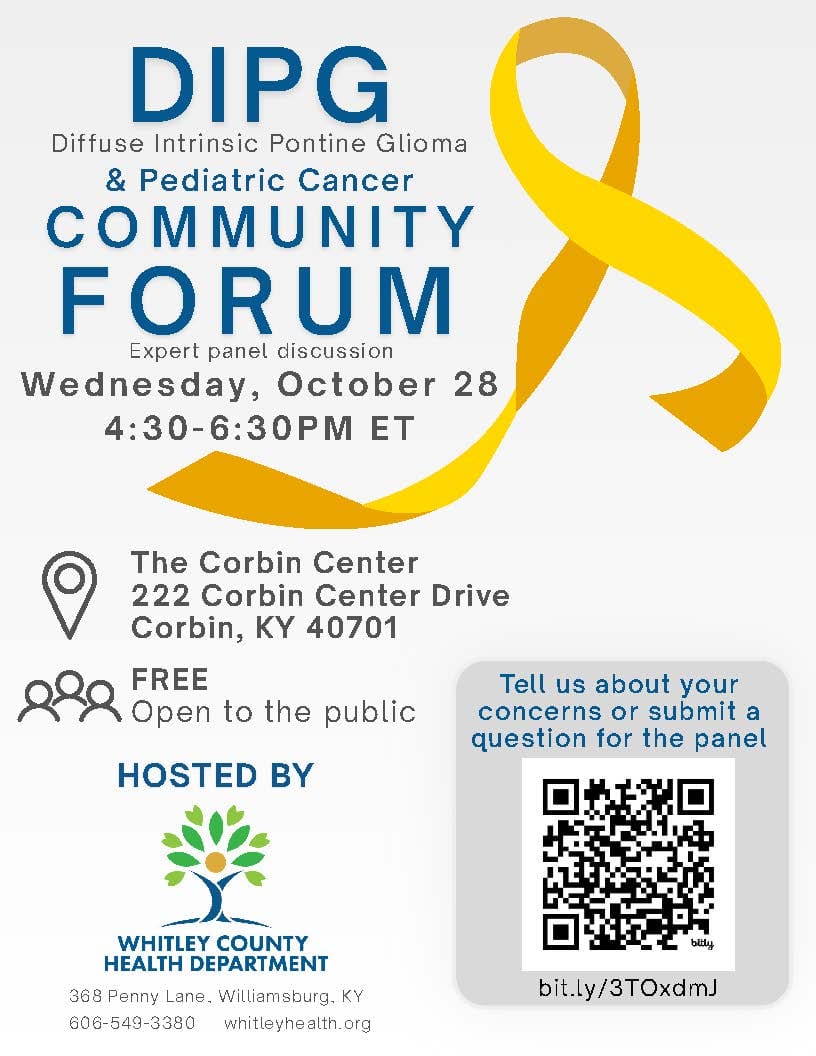
Public health officials in Whitley County are coming together to provide the community an opportunity to ask questions at a community forum, detailed below. If you have specific questions or topics you are interested in- community leaders invite you to submit those ahead of the forum here.
Read the full investigative series:
- "Children are dying. Eastern Kentucky deserves answers."
- "There is no cure": What happens after a DIPG diagnosis and the impossible decisions parents have to make
- What Kentucky knew, and when: Inside the state's response to an unusual pattern of pediatric cancer
- What Kentucky is getting right: Inside the state's fight against childhood cancer
Shay Informed is 100% reader-funded- no ads, no corporate backing. If this reporting matters to you, consider subscribing.
Written by
Comments