Follow the Fix: who's working to Keep Kentuckiana's kids safe

– 5 min read


Journalism doesn't only have to highlight the problems. Sometimes, it feels good to highlight the solutions. This week: keeping kids safe.
"I'm Shay McAlister, and this is Shay Informed: an independent, ad-free platform dedicated to honest journalism with compassion and clarity.
Are you new here? Sign up for the free weekly newsletter or subscribe to support our mission and access behind-the-scenes content, podcasts, and in-depth stories reserved for paid subscribers.
Here's the thing about accountability journalism: it's almost entirely about what's broken. I've spent almost a decade reporting on Louisville's houseless crisis. Mostly recently, on the Arthur Street Hotel dissolving as a resource for people experiencing homelessness. I've dug into the Kentucky Medicaid funding crisis and what it means for disabled Kentuckians. I've covered how the state handles- and sometimes fails- child welfare cases.
That's the job, and it matters. But it also means my reporting rarely tells you where to go if you want to actually do something about the problems I'm surfacing.
So with Give for Good Louisville- the metro and Southern Indiana's big one-day giving event- happening next month on September 10th I wanted to do something a little different and a little more intentional. I wanted to go back through my own reporting, look at the issues that keep showing up, and find the people working the solutions side of those same problems, right here in Louisville.
So that's what this series is: "Follow the fix" showcases a handful of organizations, grouped by the exact issues my reporting has recently revealed. Not a random list. Not only big organizations. Specifically, groups doing the work in the four areas that show up again and again in my reporting- homelessness and housing, child welfare, healthcare access, and crime victim support. If you want to read my first article, focused on homelessness, you can find it here. You can read my second article on healthcare access here. And you can learn more about crime victim support here.
This is the last installment in the series, and it's fitting that it lands on child welfare. I talked to two organizations working from opposite ends of the same problem: one stepping in once a family is already in crisis, the other trying to make sure kids never end up there in the first place.
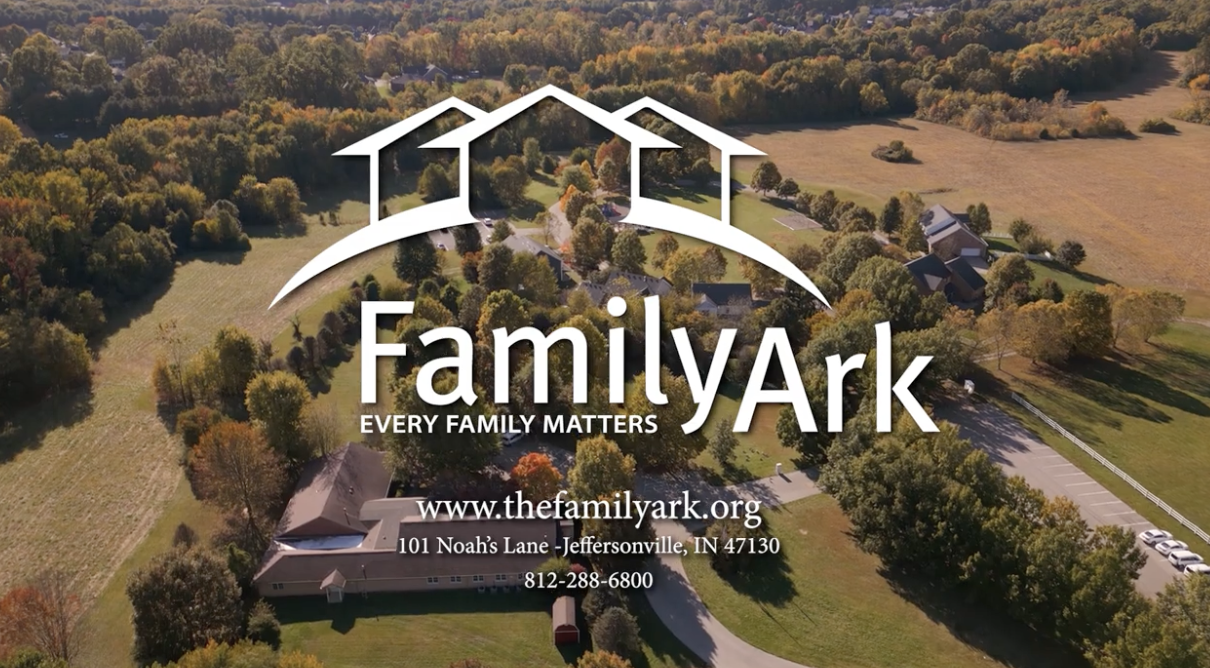
Family Ark has been serving Southern Indiana for more than 50 years, working with families facing addiction, family violence, and other forms of instability- many of them already involved in the child welfare system. "We work with whole families to make them healthy and have an intergenerational impact, so that we can interrupt cycles," said Andrea Walden, describing the organization's approach.
The organization runs on four main service lines: a behavioral health center offering individual, couples, and family counseling along with addiction treatment; foster care licensing and placement, including intensive care for kids with special needs; community-based services that provide in-home therapy to keep families together or safely reunite them after a removal; and Lotus House, a five-year-old residential recovery program for mothers with addiction that allows their children to stay with them during treatment. "That's a big motivator for them to stay in treatment," Walden said, "and for kids, they... don't first of all experience the trauma of being separated from their mother, but also get services right along with them." Family Ark is expanding Lotus House this year to offer a higher level of clinical care, so mothers who'd otherwise need a separate 30-day inpatient program — and a month apart from their kids- can get that same treatment while staying together.
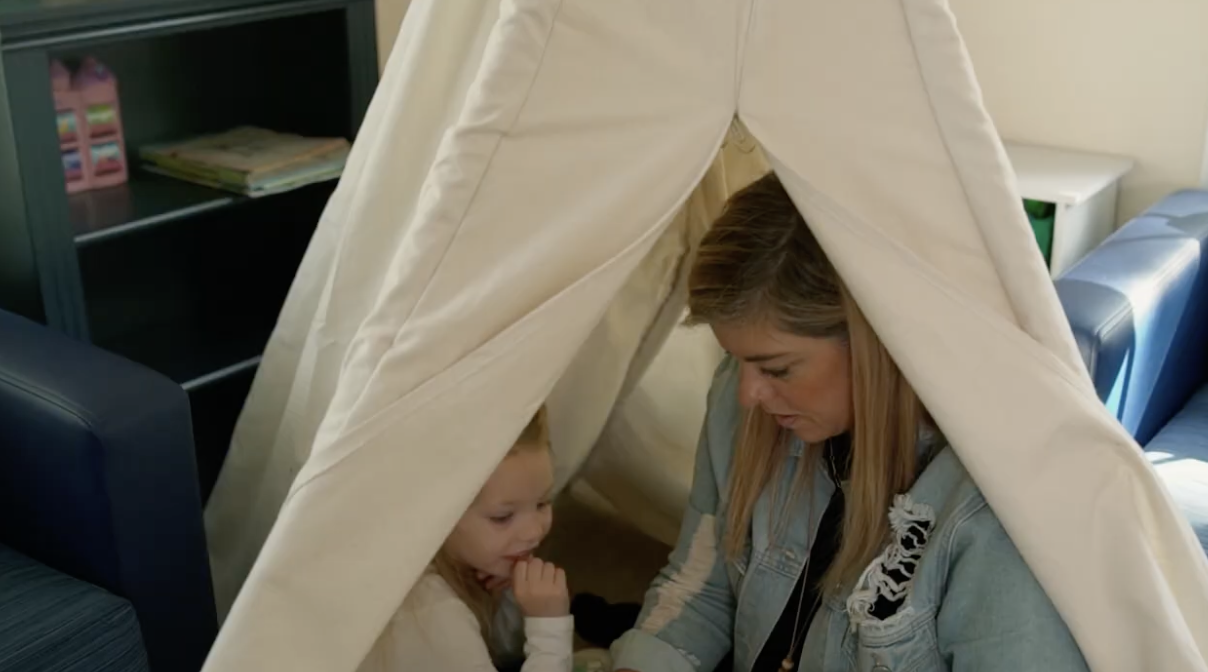
All of this runs out of a 76-acre former dairy farm in Jeffersonville, which also now hosts a new flower farm. The idea, Walden explained, is threefold: it gives women in Lotus House and other programs flexible-wage work with the added benefit of time outdoors, it introduces the community to a campus most people don't know exists, and over time it becomes another source of revenue for the organization's services.
Family Ark employs more than 50 clinicians and case managers, so most of its budget goes toward that direct-service staffing. Beyond that, donations right now are funding the Lotus House expansion- the facility upgrades needed to meet state licensure for a higher level of care- and a family assistance fund the organization uses for practical, immediate needs: short-term rental help, replacing a lost birth certificate, diapers, whatever it takes to remove a barrier standing between a family and stability. "Whatever it means for a family to gain stability... we have a fund that we keep that we can help families with things like that," Walden said.
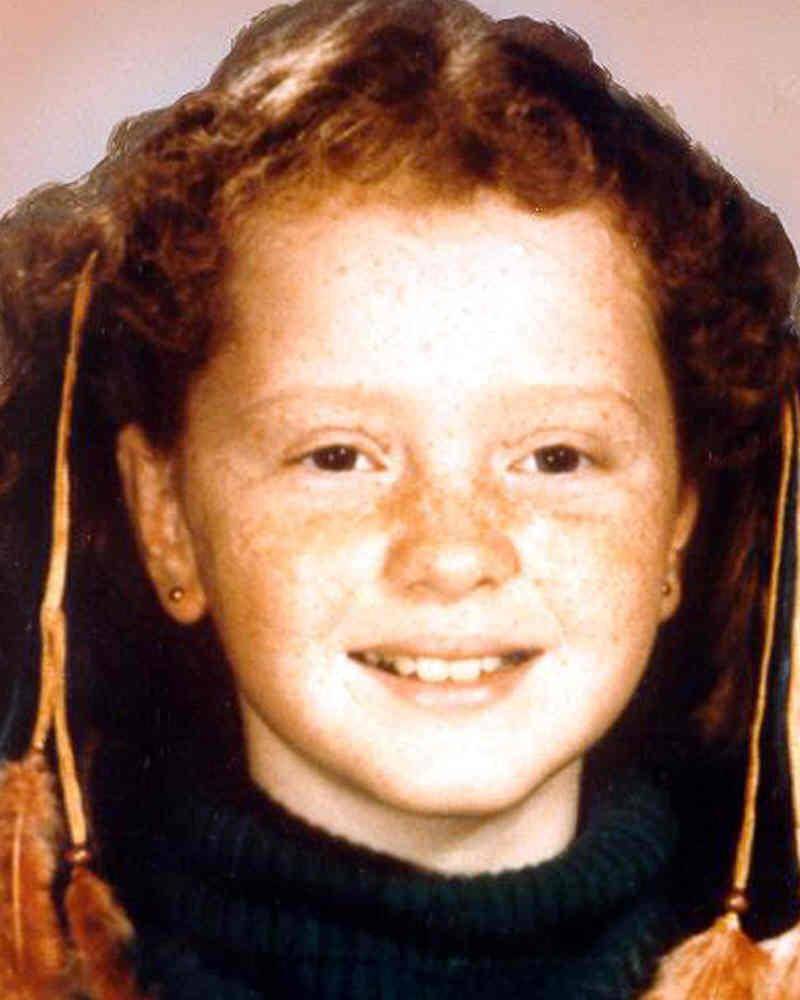
Exploited Children's Help Organization, known as Echo, was founded in Louisville in 1983, born out of tragedy: the disappearance of 12-year-old Ann Gotlib, who went missing while riding her bike near Bashford Manor Mall and was never found. More than 40 years later, ECHO is one of the only organizations in the region that goes directly into public and private school classrooms to teach kids about body safety and internet safety, and offers parallel training for adults on how to recognize, react to, and report child abuse.
The curriculum, called Transforming Our Communities, is built around five safety rules: know what's up (knowing your address, a parent's phone number, emergency contacts), spot red flags (in person and online), make a move (getting away from an unsafe situation, physical or digital), talk it up (having the confidence to tell a safe adult), and no blame, no shame.
Executive Director Sonja Grey was deliberate about that fourth rule's language. "We say safe adults and not trusted adults," she said, "because we know that over 90% of children that are abused are abused by someone they know and trust." A child can still trust someone who isn't safe, she explained- Echo's job is helping kids tell the difference.
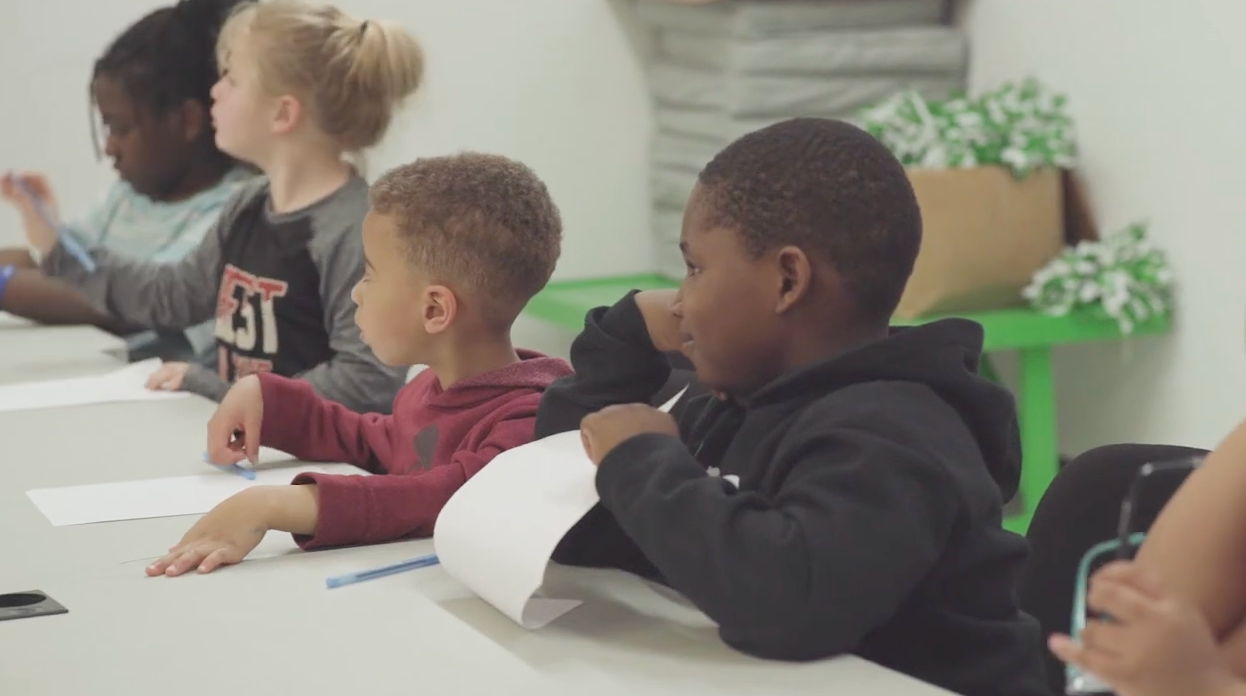
Echo runs on a staff of three, and every dollar donated goes directly into programming: the expert staff delivering the curriculum in classrooms and the printed materials kids take home to reinforce it. "This is an investment into our children in this new movement of technology," Grey said, pointing to how quickly the digital landscape kids navigate is changing, often faster than the adults around them can keep up.
Kentucky has passed new laws in recent years targeting sextortion and grooming, but Grey is clear that legislation alone isn't enough. "Laws are just laws," she said. "We need to educate our community, backing up these laws that have been passed by our legislation."
If any of these resonated with you, all three are participating in Give for Good Louisville on September 10.
Give for Good Louisville is a celebration of the people, causes, and nonprofits that make our community better. On Thursday, September 10, visit the organization's website to discover 600+ local organizations and support the missions that matter most to you.
Like what you see? Learn more about Shay Informed here! This is honest journalism with compassion and clarity.