
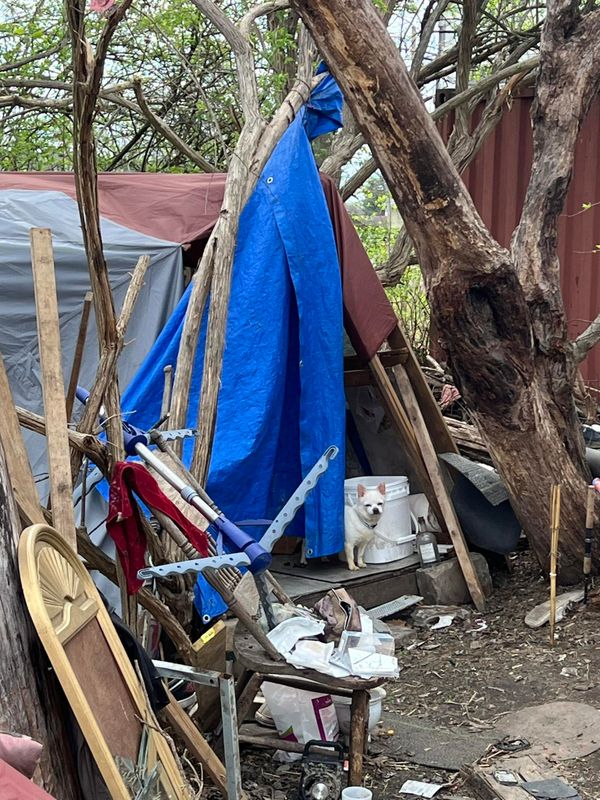
Journalism doesn't only have to highlight the problems. Sometimes, it feels good to highlight the solutions. First up: homelessness and housing.
"I'm Shay McAlister, and this is Shay Informed: an independent, ad-free platform dedicated to honest journalism with compassion and clarity.
Are you new here? Sign up for the free weekly newsletter or subscribe to support our mission and access behind-the-scenes content, podcasts, and in-depth stories reserved for paid subscribers.
Here's the thing about accountability journalism: it's almost entirely about what's broken. I've spent almost a decade reporting on Louisville's houseless crisis. Mostly recently, on the Arthur Street Hotel dissolving as a resource for people experiencing homelessness. I've dug into the Kentucky Medicaid funding crisis and what it means for disabled Kentuckians. I've covered how the state handles- and sometimes fails- child welfare cases. That's the job, and it matters. But it also means my reporting rarely tells you where to go if you want to actually do something about the problems I'm surfacing.
So with Give for Good Louisville- the city's big one-day giving event- happening next month on September 10th I wanted to do something a little different and a little more intentional. I wanted to go back through my own reporting, look at the issues that keep showing up, and find the people working the solutions side of those same problems, right here in Louisville.
So that's what this series is: "Follow the fix" will showcase a handful of organizations, grouped by the exact issues my reporting has recently revealed. Not a random list. Not only big organizations. Specifically, groups doing the work in the four areas that show up again and again in my reporting- homelessness and housing, child welfare, healthcare access, and crime victim support.
This is the first installment, and it's about homelessness and housing. I talked to three organizations doing very different pieces of this work in Louisville.
With that out of the way, let me introduce you.
L.O.U.- Louisville Outreach for the Unsheltered
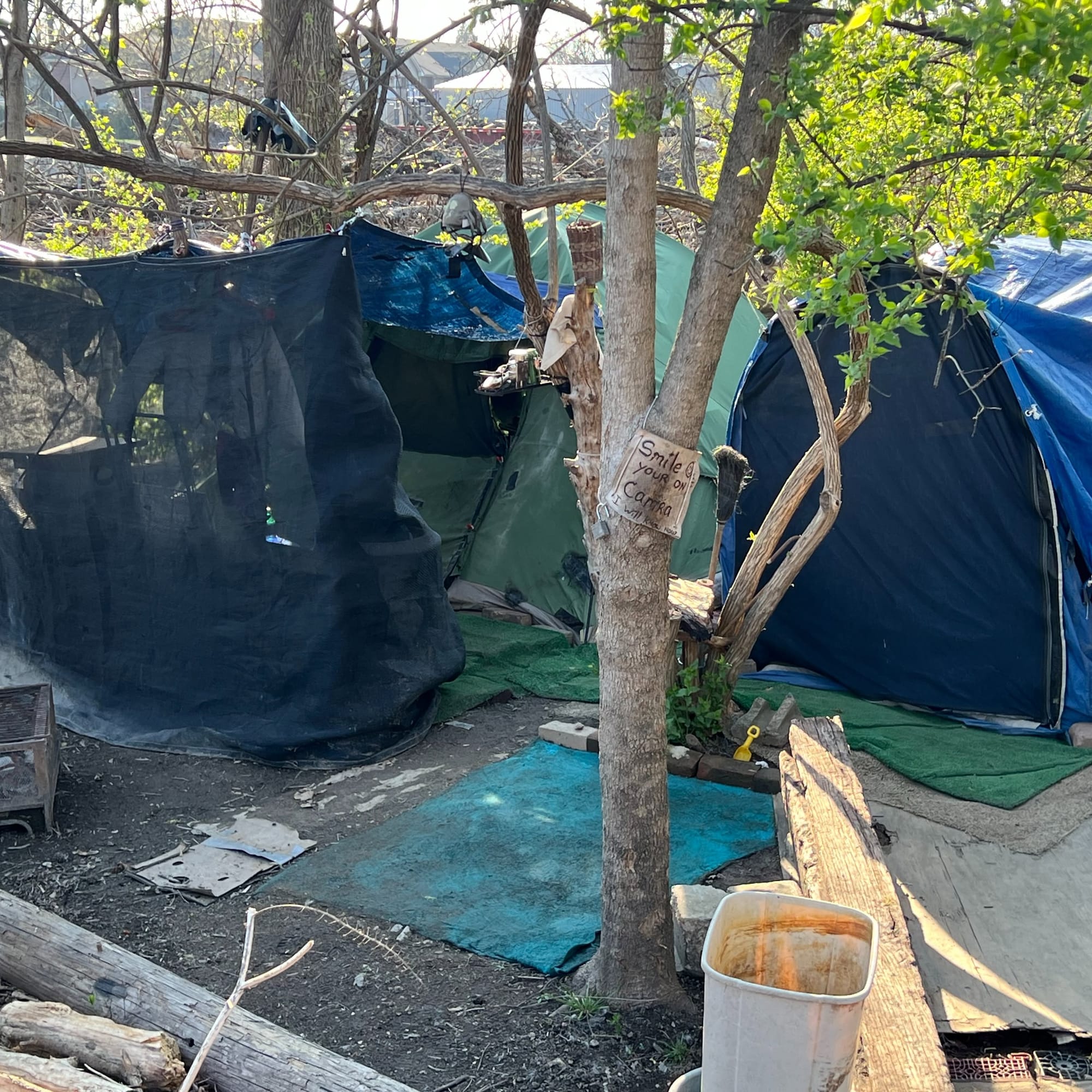
If you've read my coverage of Arthur Street Hotel, you already know how thin the safety net is for people experiencing homelessness in this city once a resource disappears. L.O.U. started with a simple goal: feed. Now, what started as a skeleton crew of three people making sack lunches to hand out on Sundays has become something much bigger.
"We just saw a need and a gap in services in Louisville's West End, and we took the opportunity to fill that gap," founder David Smilie told me.
L.O.U. still runs its original street outreach- about 700 meals a week, all community-provided, plus inclement weather runs during Louisville's worst heat and cold. But in late 2023, the group opened a small office inside The Table in Portland, and later moved into a fully renovated space at 1801 Portland Avenue. Since opening that office, they've had nearly 600 people come through for supportive services: housing navigation, help with IDs and Social Security paperwork, Medicaid and food stamp assistance, connections to treatment.
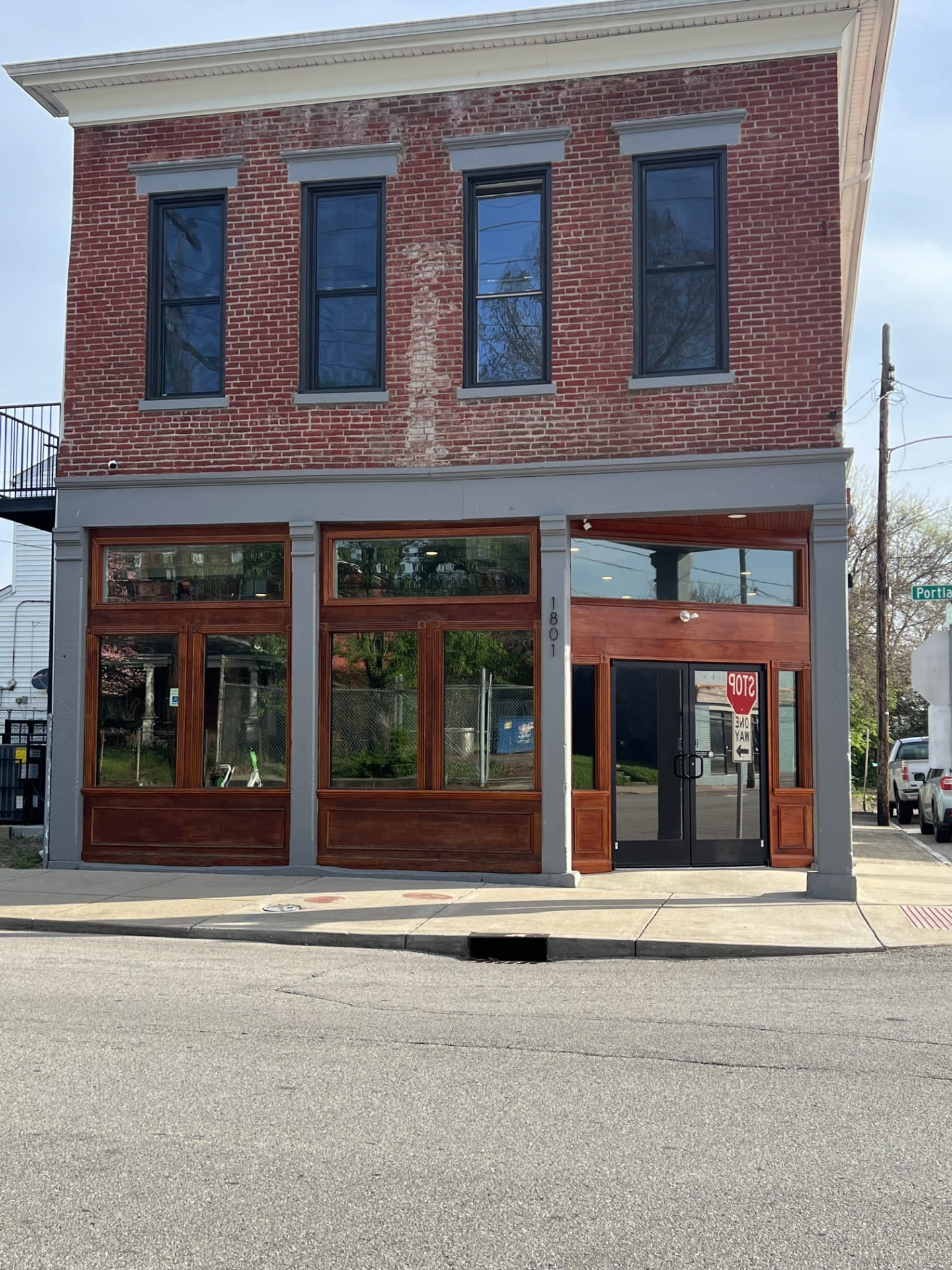
The detail that stuck with me most was the shower program. It sounds small. It isn't. As L.O.U.'s David Smilie put it to me, "there's definitely the dignity piece"- a shower and a fresh set of clothes give people a reason to come back, and once they're back, they're in the door for everything else. "Providing that access, that basic need that people have, often gives that dopamine kick, where you then say, 'well, that felt good, what's next.'"
L.O.U. doesn't take government funding, by choice- too many strings attached, in their experience- which means donations go directly to whatever the sharpest need is that week. "Whatever it is someone needs... whatever that looks like, and whatever they're ready to approach, we will support them in doing that", Smilie said.
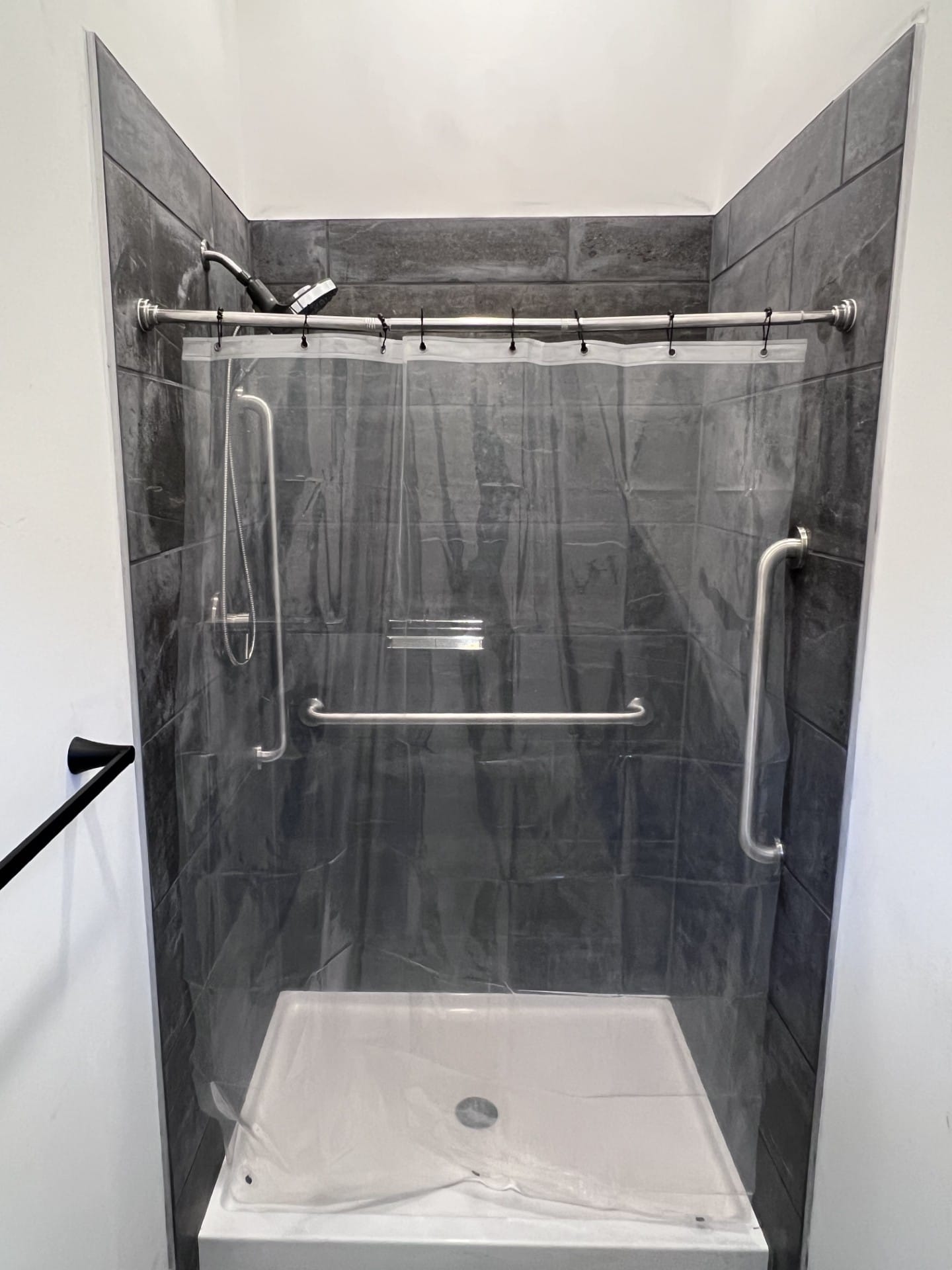
If you want one concrete thing your money would go toward, it's the shower program itself: the water, the soap, the towels, and the laundry service they're rolling out alongside it, so people can wash the handful of outfits they own instead of collecting new clothing donations they have nowhere to store.
 Shay McAlister
My Redemption Inc.
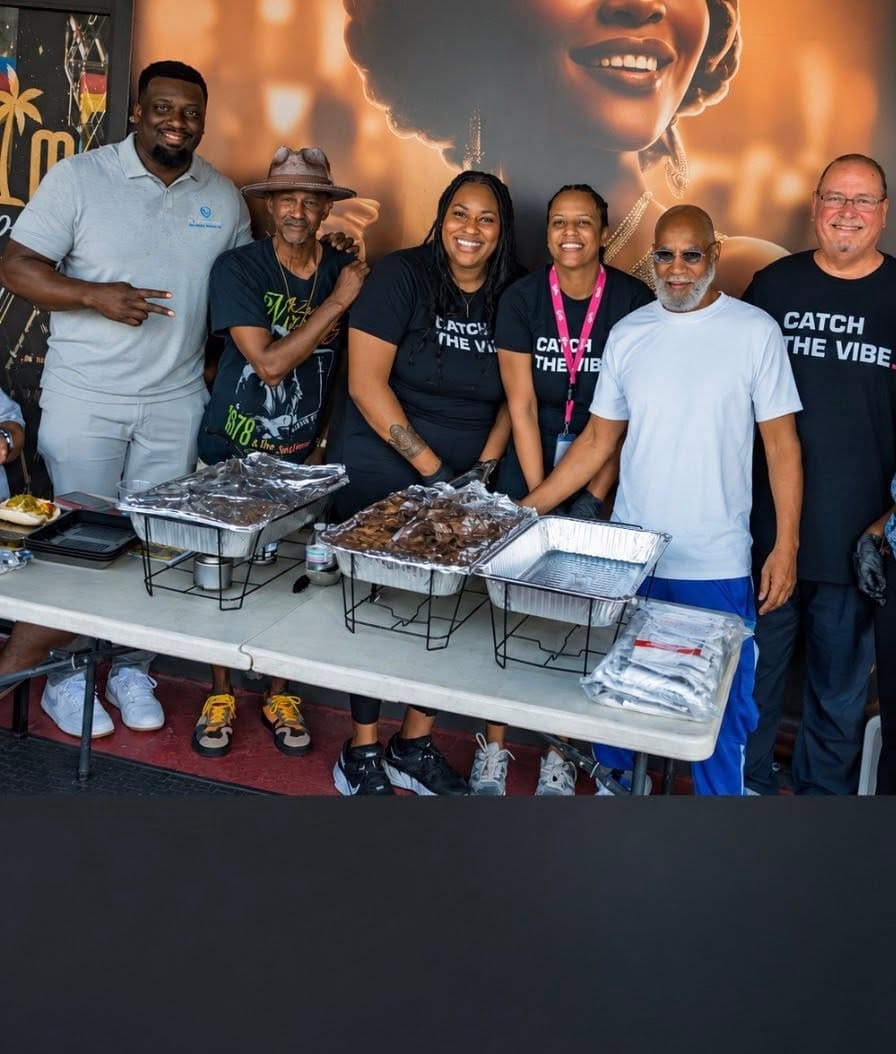
My Redemption works with a different, and often overlooked, piece of the homelessness picture: fathers. The organization runs the Redeemed Fathers Initiative, a 12-week program that connects fathers- many of them transitioning back into the community after incarceration, or simply trying to get back on their feet- with the resources they need to reunify with their families. They also run a transitional housing program specifically for people coming out of incarceration, giving them stable housing while they rebuild.
The organization's focus on West Louisville is intentional. "We lock in on West Louisville because there's so much need for resources there," Executive Director Brandon Mullins told me. "We believe in meeting people where they are, and helping them move forward from crisis to stability and independence." It's a piece of the housing and homelessness conversation that doesn't get talked about as much- not shelters or street outreach, but the family structures that keep people from ending up there in the first place, or help them stay housed once they're back.
My Redemption doesn't have one single line-item they're raising money for right now- Mullins was upfront that donations mostly go toward keeping the organization "operating at an optimum level," so they can take on more fathers and families instead of turning people away for lack of capacity. If there's one current focus for the money, though, it's the Redeemed Fathers Initiative itself: the 12-week program, run in partnership with the Commonwealth Center for Fathers and Families, that takes 12 to 15 fathers at a time through the resources they need to get back on their feet.
God's Designs, Inc.
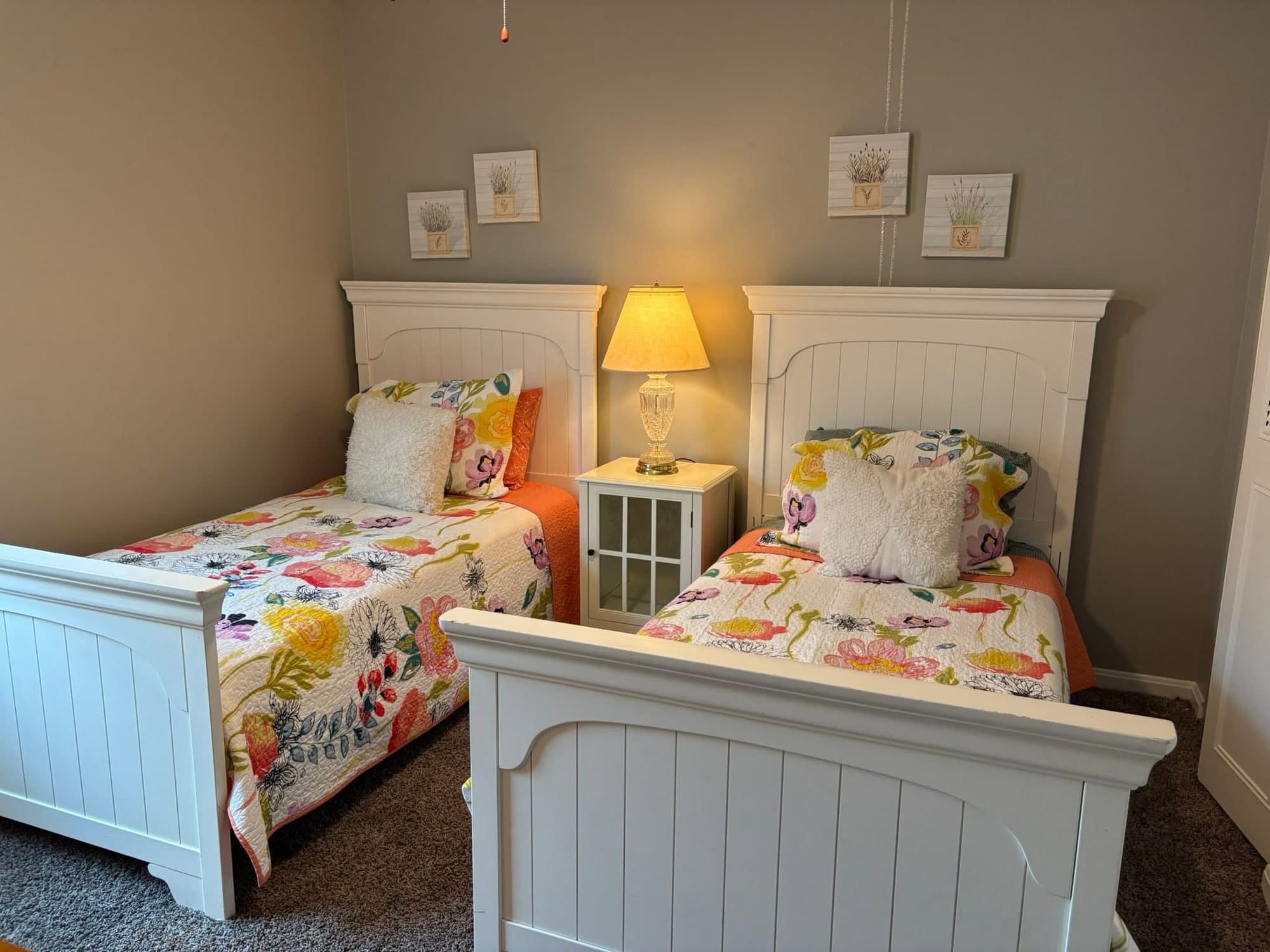
This one is smaller, and exactly the kind of organization I wanted to make sure wasn't lost in a giving day dominated by bigger names. God's Designs started in 2008 almost by accident- founder Jerry Harra, a longtime interior decorator, was left with her late son's furniture and no idea what to do with it. A stranger called out of the blue asking if she had any furniture to give. She did. That was the beginning.
Nearly two decades later, God's Designs collects donated household goods, stores them in a warehouse, and works exclusively through referral agencies to furnish homes for people coming out of homelessness- including a number of veterans, who the VA has told the organization are far less likely to end up back on the street once their new place actually feels like a home.
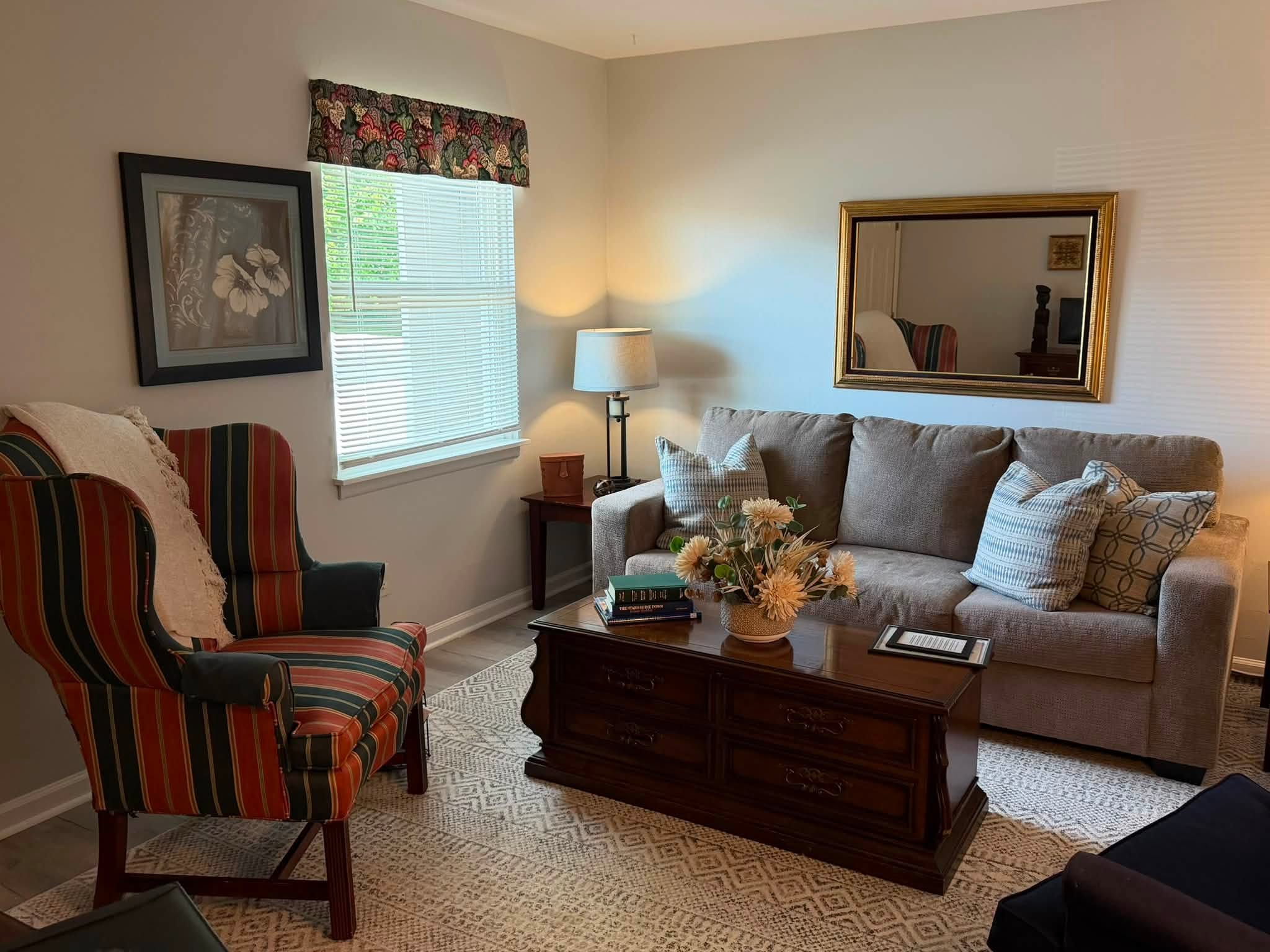
Their biggest recurring expense is mattresses, which they insist on buying new for every family. "Some say you can use gently used, but our motto is we're trying to have new mattresses for everyone," volunteer Jan Shockley told me. But if you're looking for the one thing your donation could tangibly buy right now, it's a used box truck. Right now, God's Designs rents a truck for a single day each week to deliver furniture and pick up new donations- which limits how often they can take on new jobs. A truck of their own would let them expand pickups to weekends, when the younger volunteers they're trying to recruit actually have time to help. "I think right now, whatever we can get is great," Shockley said, of the fundraiser.
It's unglamorous work.
But if you've ever moved into an empty apartment and understood the difference between a house and a home, you understand exactly what they do. As the organization puts it, their motto is simple: "making a house a home."
"We're trying to help those who are trying to help themselves- that's where we are," Shockley explained.

How to help
None of these organizations are going to fix homelessness in Louisville on their own, and none of them would claim otherwise. But between street outreach, family reunification, and furnishing empty apartments, they're covering different corners of the same problem I've spent a lot of this year reporting on.
If any of these resonated with you, all three are participating in Give for Good Louisville on September 10. I'll have more installments like this one covering child welfare, healthcare access, and crime victim support in the coming weeks.
I don't often get to write about solutions. I'm glad I got the chance here.
Like what you see? Learn more about Shay Informed here! This is honest journalism with compassion and clarity.
Written by
Comments