Follow the Fix: Who's filling the gaps in Louisville healthcare
– 6 min read


Journalism doesn't only have to highlight the problems. Sometimes, it feels good to highlight the solutions. This week: healthcare access.
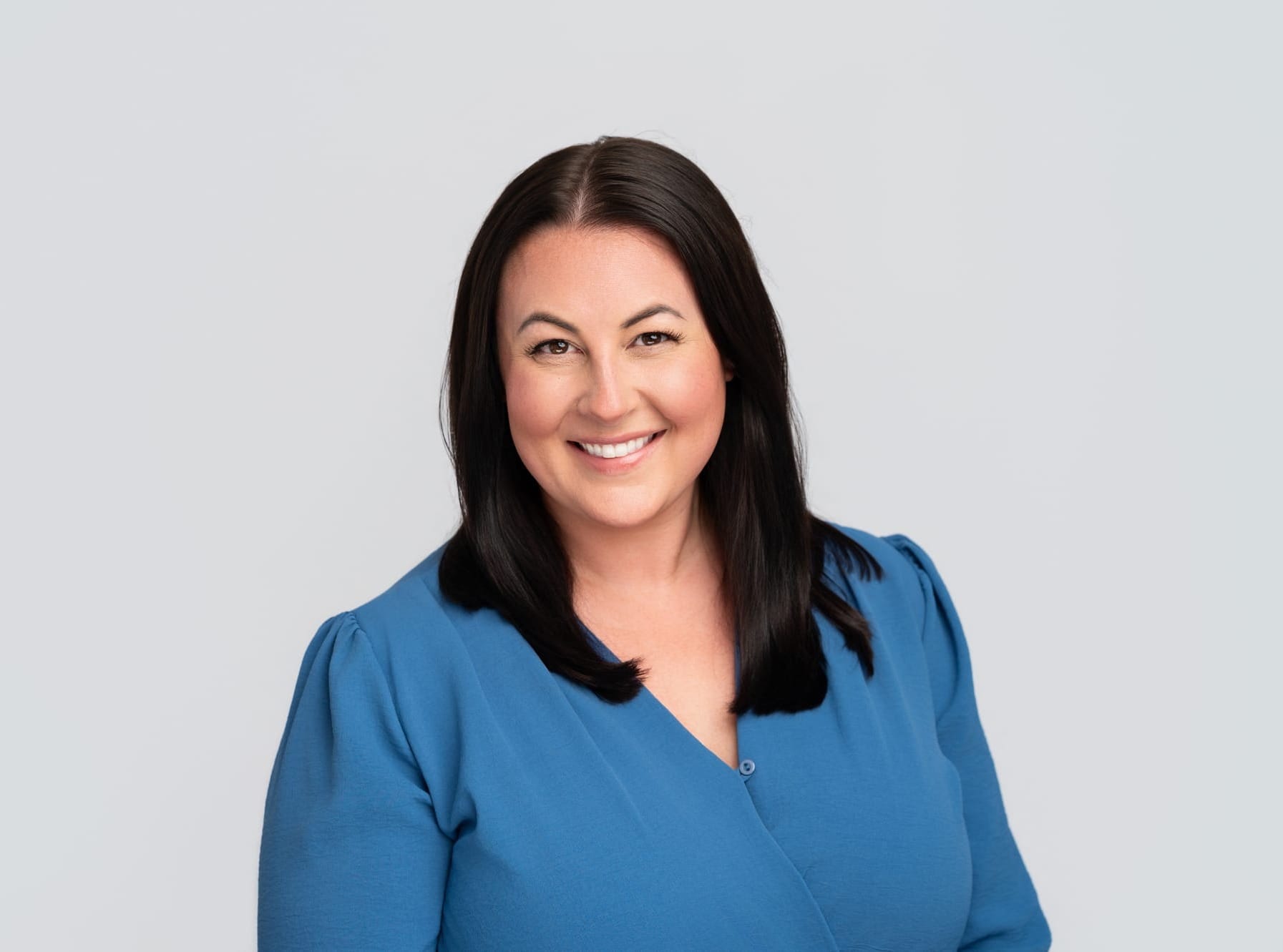
"I'm Shay McAlister, and this is Shay Informed: an independent, ad-free platform dedicated to honest journalism with compassion and clarity.
Are you new here? Sign up for the free weekly newsletter or subscribe to support our mission and access behind-the-scenes content, podcasts, and in-depth stories reserved for paid subscribers.
Here's the thing about accountability journalism: it's almost entirely about what's broken. I've spent almost a decade reporting on Louisville's houseless crisis. Mostly recently, on the Arthur Street Hotel dissolving as a resource for people experiencing homelessness. I've dug into the Kentucky Medicaid funding crisis and what it means for disabled Kentuckians. I've covered how the state handles- and sometimes fails- child welfare cases. That's the job, and it matters. But it also means my reporting rarely tells you where to go if you want to actually do something about the problems I'm surfacing.
So with Give for Good Louisville- the metro and Southern Indiana's big one-day giving event- happening next month on September 10th I wanted to do something a little different and a little more intentional. I wanted to go back through my own reporting, look at the issues that keep showing up, and find the people working the solutions side of those same problems, right here in Louisville.
So that's what this series is: "Follow the fix" will showcase a handful of organizations, grouped by the exact issues my reporting has recently revealed. Not a random list. Not only big organizations. Specifically, groups doing the work in the four areas that show up again and again in my reporting- homelessness and housing, child welfare, healthcare access, and crime victim support. If you want to read my first article, focused on homelessness, you can find it here.
This week, it's healthcare access- a natural next stop, given how much of this year I've spent on the Kentucky Medicaid funding crisis and what it means for people who depend on that safety net. I talked to three organizations approaching the same core problem- people falling through the cracks of a healthcare system that isn't built for them- from three completely different angles.
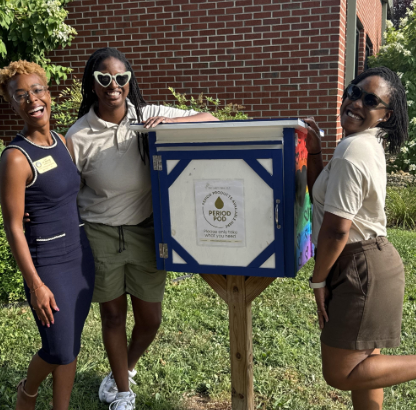
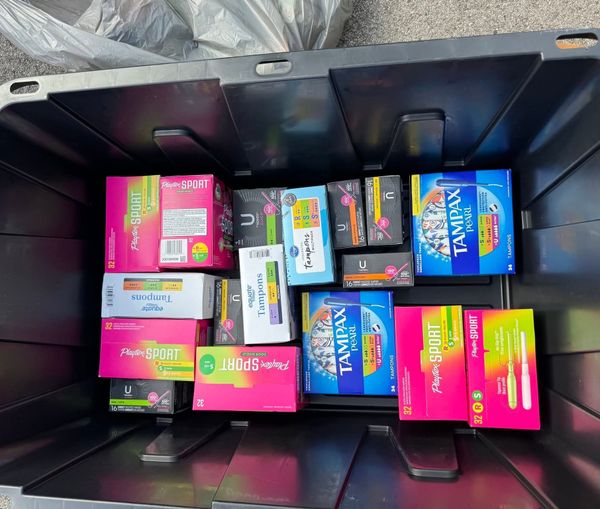
Reina Kempt is the executive director of For Lady's Sake, a Louisville nonprofit working to end period poverty. The organization was born from a single moment in 2016, when founder Candice Crawford was stopped outside a Dollar Tree on Broadway by an unhoused woman- not asking for money, but asking if Crawford would go in and buy her tampons. Crawford did, and the relief on the woman's face stuck with her. Not long after, she started running period product drives out f her church and handing supplies out under the bridges near Broadway.
"What does someone do who is unhoused or facing financial instability do during that time of the month? They can't just switch it off," Kempt told me. Without access to products, she said, people often turn to "old dirty t-shirts, or socks, or paper towels" just to avoid ruining what may be some of the only clothes they own- which can lead to health complications like toxic shock syndrome on top of everything else they're already navigating.
The organization has grown since Crawford and Kempt- who are married-formalized it into a 501(c)(3) in 2023. "My wedding gift to her was a 501c3 status," Kempt said. "I don't know that I really understood the magnitude of what I was gifting" at the time, she admitted, but it's since become a full operation the two of them run alongside their day jobs.
Grant funding and product drives now cover most of the actual pads and tampons For Lady's Sake distributes. So if you're looking for where a donation specifically goes right now, it's the infrastructure around the products- the programming that gets supplies into the hands of the people who need them, and the education and legislative advocacy work pushing for period equity in Kentucky. "This is a thing that is under-researched, it is under-supported," Kempt said. "A woman should not have to decide whether they're going to maintain their health and their period over gas, over groceries."

Erin Lamon is a social worker who spent years connecting seniors to resources- and just as many years running into a wall in Kentucky, which, unlike Indiana, doesn't offer a Medicaid waiver for assisted living. "It just drove me nuts," she told me. Watching seniors fall through the cracks with no one to advocate for them is what led her and a group of colleagues in healthcare to launch Beyond 60 Solutions, a brand-new, entirely volunteer-run nonprofit.
Their first- and, for now, only- focus is transportation. Specifically, seniors who are missing life-sustaining medical appointments, like dialysis, because they don't have a reliable way to get there. "There are seniors who sometimes miss their dialysis appointments, or just keep returning back to the hospital, because they're unable to obtain a long-term transportation plan," Lamon said. Beyond 60 first works to connect seniors with resources they may already qualify for- Medicaid, VA benefits, a church program- and steps in with funding for rides in the short term while that longer-term plan comes together.
They're intentionally starting small: right now, Beyond 60 only accepts referrals from three partner organizations, rather than opening to the public, so a volunteer-run group with a tiny budget doesn't get overwhelmed before it can prove the model works. But the impact of even a small donation is concrete. "That $50 could go towards two round-trip rides for a senior to obtain the life-sustaining treatment they need to maintain a good quality of life," Lamon said.
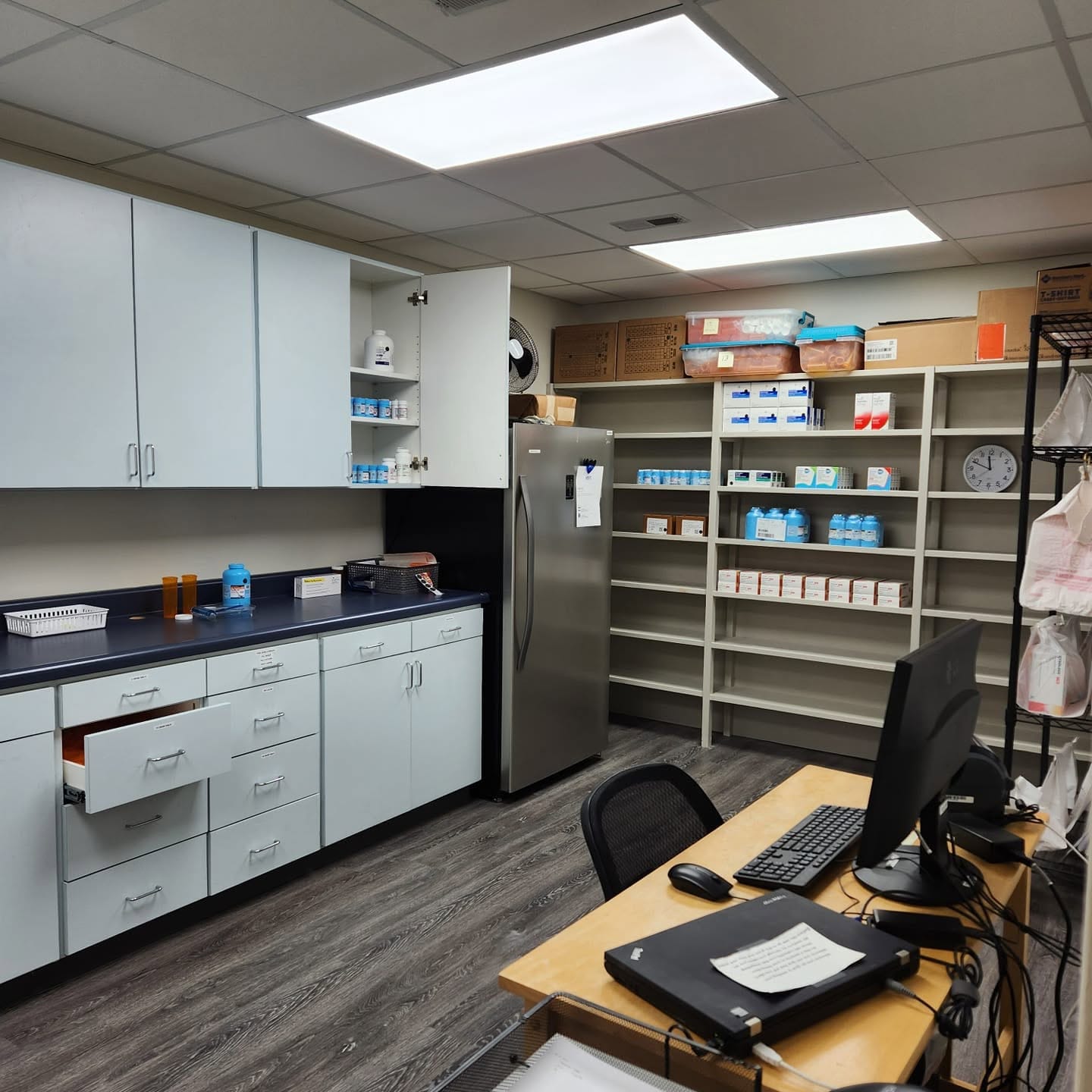
Janet Warren runs Hope Health Clinic, a charitable healthcare facility on the campus of Baptist Health La Grange that sees patients who are uninsured or who simply can't afford their deductibles. The clinic opened in September 2011, after an existing clinic on the same campus closed and a group of community members decided La Grange couldn't be left without a safety net beyond the emergency room. "The emergency room is never intended to be a primary care setting," Warren said. "They're intended to just stabilize and send you on your way."
Ninety-seven percent of Hope Health's patients are uninsured, low-wage earners, and the clinic doesn't turn people away based on where they're from or what they can pay- Warren described patients from across the U.S., Latin America, and as far as Croatia. Ninety-two percent of every dollar donated goes directly to patient care: salaries for the clinic's part-time nurse practitioners and nurses, and a pharmacy that provides most basic medications to patients at no cost, all backstopped by a roster of volunteer physicians, nurses, and pharmacists.
What sets Hope Health apart isn't just who they see, but how long they spend with each patient. Visits run a full 30 minutes, rather than the 15-minute standard many patients are used to, so staff can actually teach patients how to manage chronic conditions like diabetes and hypertension instead of just refilling prescriptions. "We want to improve the patient's life," Warren said, "and by doing that, we hope that we also can prevent some generational issues"- pointing out that when parents' diabetes goes unmanaged, it often becomes a pattern their kids inherit too. Kentucky, she noted, has some of the worst diabetes outcomes in the country. Warren's view on why it matters to fund care for people who can't otherwise access it is straightforward: "Healthcare is not a privilege. It's a right."
A period product drive, a rides program for seniors, and a full clinic don't look like they belong in the same story at first glance. But all three exist because Louisville's healthcare system- and the systems around it, like transportation and insurance- leave real gaps for real people, and all three groups decided to stop waiting for someone else to close them.
If any of these resonated with you, all three are participating in Give for Good Louisville on September 10, if you're deciding where your dollars go this year. I'll have more installments covering child welfare and crime victim support in the coming weeks.
Give for Good Louisville is a celebration of the people, causes, and nonprofits that make our community better. On Thursday, September 10, visit the organization's website to discover 600+ local organizations and support the missions that matter most to you.
Like what you see? Learn more about Shay Informed here! This is honest journalism with compassion and clarity.