Postpartum psychosis is rare. Postpartum moms falling through the cracks isn't.
– 8 min read


A conversation about postpartum mental illness, prompted by- but not about- Lindsay Clancy.
I'm Shay McAlister, and this is Shay Informed: an independent, ad-free platform dedicated to honest journalism with compassion and clarity.
I believe some stories are too important to stay behind a paywall. That's why I'm making this piece free to read for everyone. Informed communities make better decisions and that can only happen when people have access to honest, thorough reporting.
Shay Informed is 100% reader-funded. No ads. No corporate backing. Just journalism that answers to you. If you'd like to help keep this work going, please consider subscribing.
On January 24th, 2023, Lindsay Clancy- a labor and delivery nurse from Massachusetts- killed her three children: 5-year-old Cora, 3-year-old Dawson, and 7-month-old Callan. Prosecutors say she used exercise bands to strangle them before jumping from a second-floor window in an apparent suicide attempt. The fall left her paralyzed from the chest down.
Clancy doesn't deny she killed her children. Neither do her attorneys. But she has pleaded not guilty, using what's known as an insanity defense. Her legal team argues overmedication and postpartum mental illness are to blame.
"This is a young woman that, with her husband, tried very hard to get the help she needed," her defense attorney told the courtroom. Later, he laid out the timeline in stark terms: "She told them that she was suicidal. She told them that she had suicidal ideation. And in December, to his and her ever-dying regret, told Patrick, in the presence of her mother, that she was having psychotic thoughts of hurting the children. This is a woman that did not get the medication, did not get the medical treatment that she so deserved."
The prosecution tells a different story entirely. "This was not a woman in the throes of psychosis on January 24, 2023," the prosecutor argued. "This was a woman who acted intentionally, rationally, and swiftly to accomplish a very specific goal- to kill." In their telling, Clancy was a high achiever unraveling under the weight of motherhood, who "no longer liked the life she thought she wanted," and who saw an opportunity to escape and took it.
The prosecutor was direct about what she wanted the jury to set aside: "This is not a public debate about women's mental health and how the medical system treats women. This case is about this defendant, Lindsey Clancy."
Legally, she's right. That's exactly what the case in front of the jury is about, and it should be. Whether Lindsay Clancy is criminally responsible for what happened in that house is a question for twelve people with access to two years of evidence, expert testimony, and medical records the rest of us don't have.
But the public debate is happening anyway- in courtrooms, in emergency rooms, in OB offices, in the homes of new mothers who are struggling and don't know who to call. So this week, I called Dr. Tiffany Tonismae, a maternal-fetal medicine physician with additional certification in perinatal mental health, to talk about what that system actually looks like. Not to answer whether it's to blame for what happened to the Clancy children- that's not a question either of us can answer. But to understand what happens, structurally, when a mother tells multiple providers she's having thoughts of hurting her children. Where does that information go? Does anyone connect the dots? If not, why not?
Because here's what's hard to sit with: Lindsay Clancy did not suffer in silence. By her attorney's account, she asked for help. Repeatedly.
Paid subscribers can listen to this conversation right now- on this week's new episode of One More Question. Add the podcast to your library!
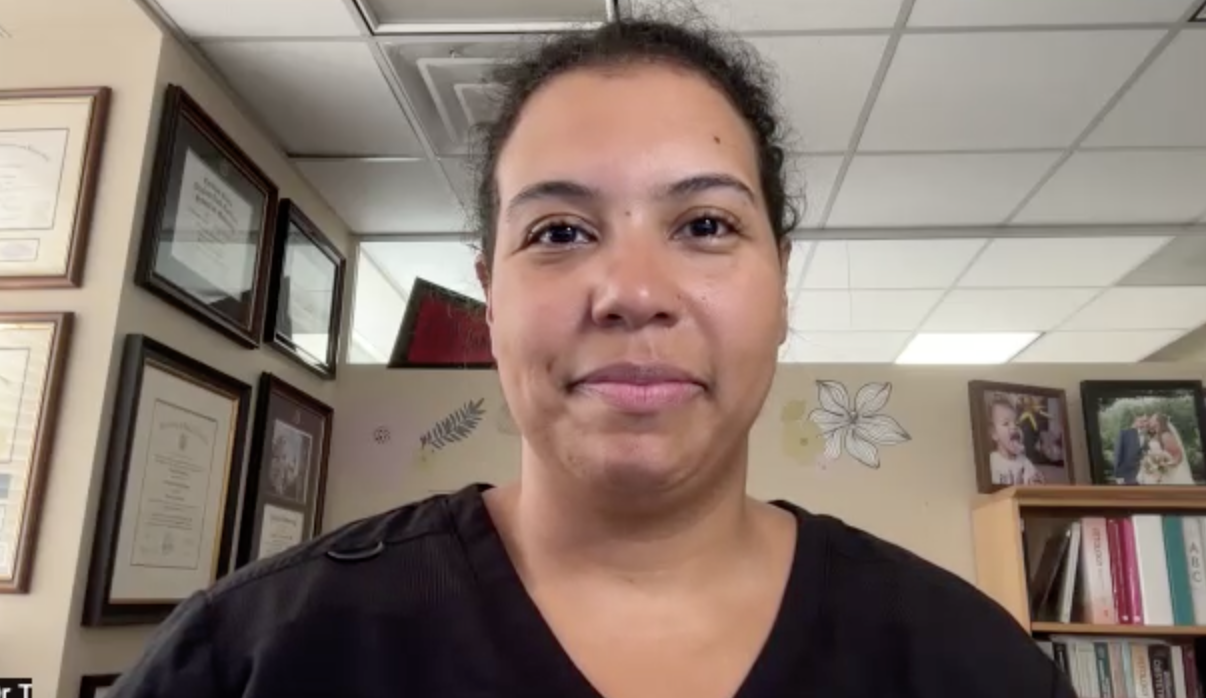
Dr. Tonismae is a maternal-fetal medicine physician with additional certification in perinatal mental health. She has studied the system, the women impacted, and the mental illness associated with it. For our conversation, she started with scope. Perinatal mental health disorders, she said, are "the most common complication of pregnancy, which is sad because it's probably talked about the least." They affect roughly one in five women- and one in seven men.
"Many to most women will probably have some form of postpartum blues. It's an adjustment period. It's hard. You're exhausted. So all of those hormonal changes really do take over our cortical axis, which can lead to mental health changes", she explained.
About 20-percent of women will develop postpartum depression, a number that climbs for women with a prior history of anxiety, depression, or bipolar disorder. Psychosis sits at the far end of that spectrum- rare, but when it happens, "it often tends to be life-threatening to either mom, babies, or both", Dr. T explained.
What makes it especially dangerous, she said, is how well it hides. "As women, we are very good at hiding our symptoms." Family members might first notice a mother growing averse to her baby, or unable to care for herself- not just "too tired to shower," but disheveled, not eating, unable to function. In the worst cases, women begin hearing voices or seeing things that aren't there, telling them they're worthless, that everyone would be better off without them- thoughts that can escalate toward suicide or homicide.
This is the part of the conversation that cuts closest to the Clancy case. I asked Dr. T directly: if a mother does everything right- shows up to appointments, answers screening questions honestly, gets flagged by her doctor- does that mean she's safe?
Not necessarily, Dr. T told me.
The standard tool, the Edinburgh Postnatal Depression Scale, is typically administered once or twice- before hospital discharge and at a single OB follow-up- and it doesn't fully screen for anxiety. And a flagged score doesn't guarantee fast treatment. "Many obstetricians do not feel comfortable managing mental health disorders," Dr. Tonismae said. "The wait lists for psychiatry can be months, weeks, depending on what area of town you live in." Inpatient treatment, when it's needed, often isn't financially or logistically possible for families without nearby support systems. And even outpatient care is trial and error- medications can take weeks to work, and the first one tried isn't always the right one.
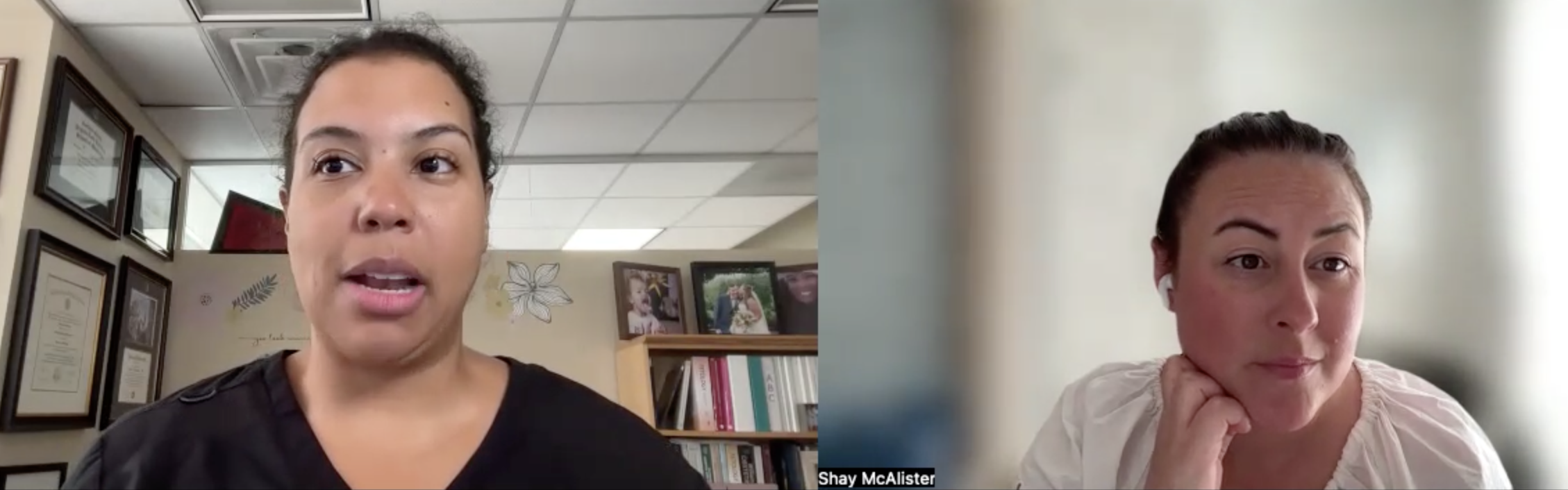
Medication is a central thread in the Clancy case- multiple providers, multiple prescriptions, adjusted repeatedly over time. I asked Dr. Tonismae whether that pattern reflects a broader problem, and whether postpartum psychiatric care needs one clear owner.
Ideally, yes, she said. But in practice, "even if I got five different psychiatrists that did five different evaluations on five different days, they may have different nuances in their diagnoses. They may have different medications that they like to try." Add in the fact that psychiatric medications take weeks to show effect and often need to be titrated slowly, and the result is a process that can look, from the outside, chaotic- even when every individual provider is doing their job. "There are a lot of places that things could have slipped through the cracks," she said, "whether that was too many cooks in the kitchen, not giving enough time, or was it that we really needed more of an intensive inpatient treatment too."
That coordination problem, she said, traces back to a deeper one: women's health- and perinatal mental health specifically- remains under-researched. New medications often carry unknowns about breastfeeding safety. Providers are left weighing incomplete data against a mother's hormones and metabolism, which are actively shifting during the postpartum period.
That uncertainty collides with cultural pressure. "Breast is best" messaging, she said, has quietly convinced a lot of mothers that stopping a psychiatric medication is safer than not breastfeeding, even when the opposite is true. "We get women that relapse because they've stopped their medications," she said, a pattern she also sees early in pregnancy, when women discover they're pregnant and immediately stop taking what's keeping them stable.
Dr. Tonismae closed with something simple, and something she said applies to men as well as women: don't wait before asking for help. "If you had abdominal pain for three days that didn't go away, we would all seek help. But if you had symptoms of depression or psychosis for three days, we feel like we can't talk to somebody about it."
If a provider isn't asking, she said, bring it up anyway. Postpartum Support International offers a 24-hour helpline and can connect families with therapists specifically trained in the perinatal period- not just any therapist. "It's okay to ask for help," she said. "It's okay to not be okay."
You can call their toll-free helpline at 1-800-944-4773 or text "HOME" to 741741 to reach experts with Postpartum Support International.
None of this tells us what was in Lindsay Clancy's mind in January 2023. That's still for a jury to decide, and this reporting doesn't attempt to answer it. But it does tell us that a mother asking for help and still falling through the cracks is not a rare story. It's a common one, playing out in a system built on single screenings, months-long psychiatric wait lists, and providers who often aren't equipped or resourced to manage what those screenings turn up.
If you're reading this and something feels off, you don't need a diagnosis to ask for help. And if you know someone who's had a baby in the last twelve months, check in on them. Give them the opening to tell you the truth.
They deserve that.
If you or someone you know is struggling, the 988 Suicide & Crisis Lifeline is available by call or text. Postpartum Support International offers a 24-hour helpline and resources for finding perinatal-trained therapists.