A year ago, I bet on me and started Shay Informed. Here's what happened.
– 14 min read


The wins, the lessons, and what comes next.
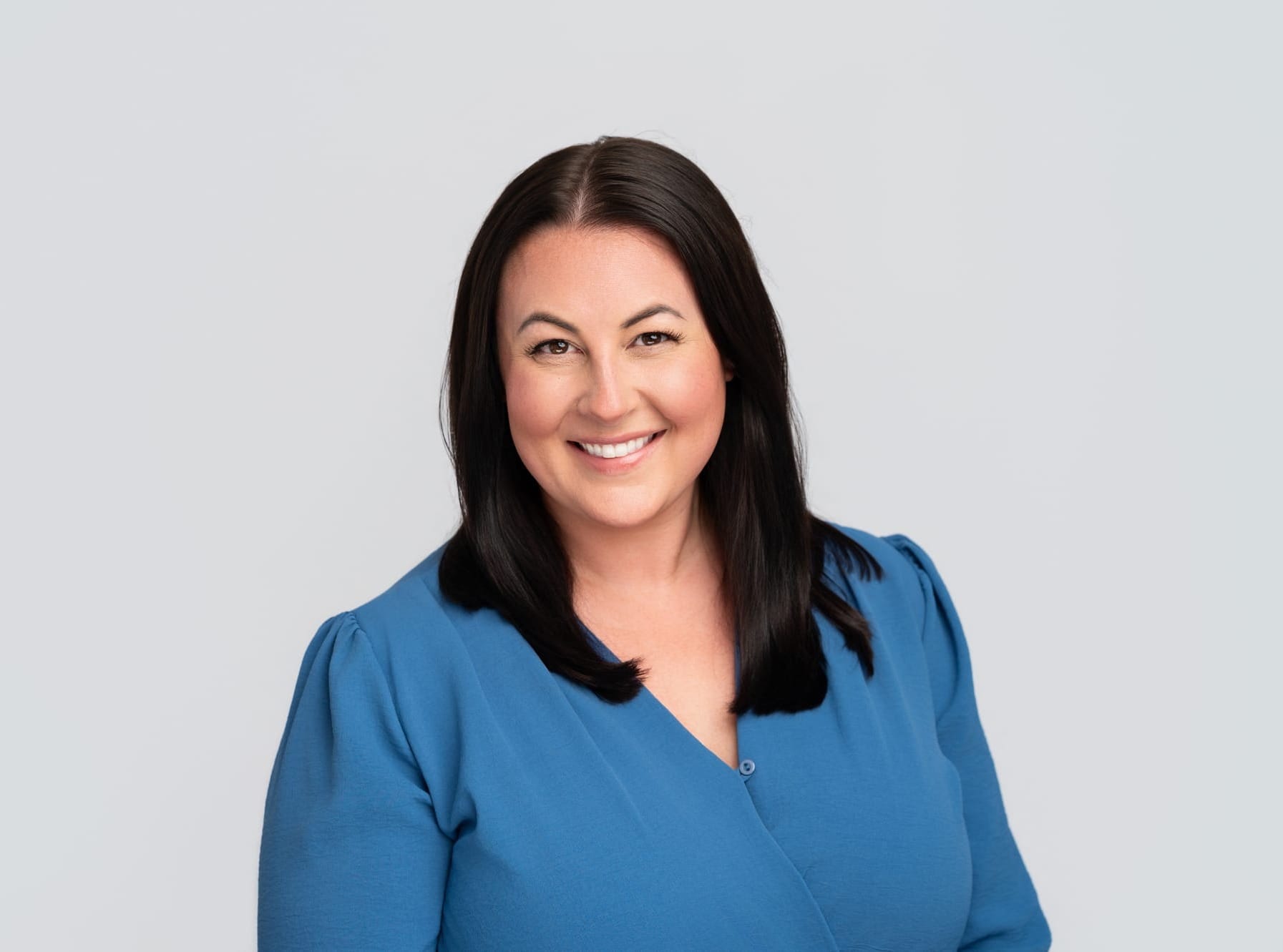
"I'm Shay McAlister, and this is Shay Informed: an independent, ad-free platform dedicated to honest journalism with compassion and clarity.
Are you new here? Sign up for the free weekly newsletter or subscribe to support our mission and access behind-the-scenes content, podcasts, and in-depth stories reserved for paid subscribers.
One year ago, I walked away from a decade in local television news and bet on an idea that was forming in my head as I was building it: a one-woman journalism outlet with no ads, no clickbait, and no one to answer to but the people who read it.
On August 18th, 2025, I launched Shay Informed. It simultaneously feels like a lifetime ago and a minute ago. But I can tell you this- I have never looked back. So, I want to use this anniversary to tell you honestly what this year has looked like- the wins, the growth, what I've learned, and where we go from here.
When people ask me why I left TV news, I always answer in two parts. My family and my future. Let me explain...
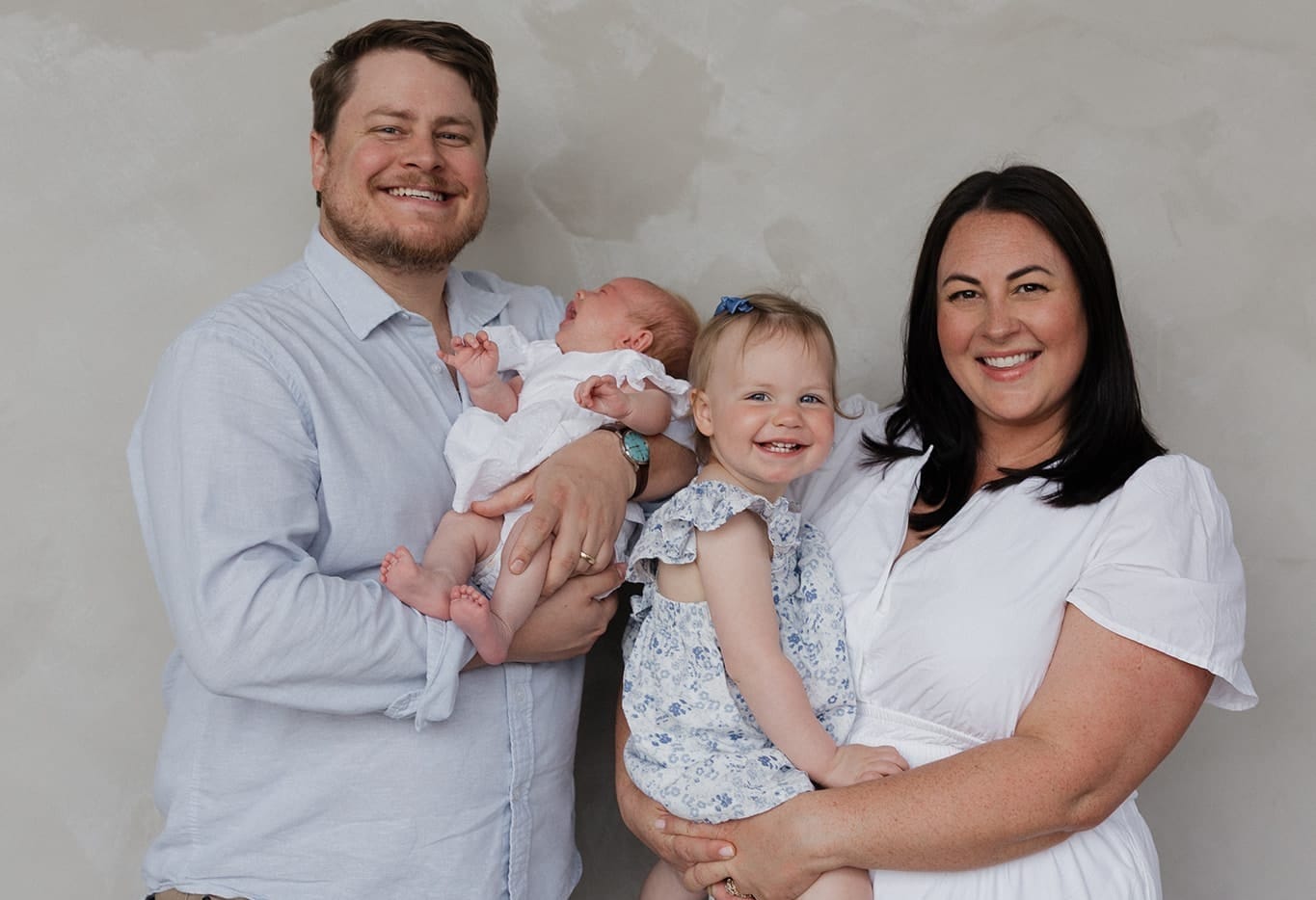
The job I loved had a cost, and it wasn't one I was willing to keep paying.
I have two young girls who need to see more of me than my TV schedule allowed- more dinner times, bath times, and bedtimes- moments that don't feel so important until you realize you're missing them. I also have a young marriage I wanted to pour into, not just come home to at the end of a long shift. And somewhere in the middle of all that, I realized something else: I didn't have to work harder to do good journalism. I could work smarter.
I spent ten years as an investigative reporter and anchor at a Louisville TV station, and I loved the work. But the model was starting to work against the work itself.
According to Pew Research, 86% of American adults get their news from their phone. Only 32% get it from television. Those of us in the industry know this better than anyone- we know most people aren't watching. And yet we are still producing hours and hours of TV news, every single day.
So what does that look like?
It means most people in the newsroom spending the day collecting information people don't need, or have already seen, and then building it into a format most people won't watch. Police departments, city council members, schools, and new businesses post the news themselves now, in real time. They don't need us to repeat it back hours later. What people need from journalists isn't a re-read of a press release or b-roll from a ribbon cutting. It's the job we were trained for: asking questions, demanding accountability, giving a voice to the voiceless. And above all else- putting the effort into the place where people are- online.
Real journalism was starting to feel like something we only got to when there was time left over- something squeezed in around the need to gather filler content and meet deadlines for newscasts built for a habit fewer and fewer people still have.
I want to be clear about something: TV journalists are still doing important work, and we need them. The reporters and anchors who keep showing up for those newscasts every single day, who keep fighting for stories inside a shrinking model, deserve real credit. That job isn't getting easier, and staying in it is its own kind of commitment.
But I also believe local news needs more than good people willing to stick it out. It needs a sustainable path forward- one built for how people actually get their news now, not how they got it twenty years ago. I didn't leave TV news because the work stopped mattering. I left because I wanted to help find that path forward.
I didn't have a blueprint. I had a belief: people would pay for journalism they trusted, if it was honest, thorough, and free of the pressures that come with chasing ratings or advertisers. No clickbait. No filler. No stories assigned because they're easy to shoot and will fill time, only stories that matter because someone needs them told. It wasn't just my time I was putting on a pedestal; it was the audience's time as well.
I called the idea Shay Informed. And on August 18th, 2025, I found out whether that belief held up.
When I left traditional media, I wondered if the access I'd built over a decade would leave with it. Would sources still call? Would families still trust me? Would agencies still pick up the phone for a reporter with no network logo behind her name?
I'll be honest, not every door opened. LMPD, for one, has been especially difficult to work with. But where it mattered most- with the families, the sources, the people actually living these stories- the opposite happened. They leaned in. They called me. They wanted their story to be told on Shay Informed. Here are just a few examples of that...
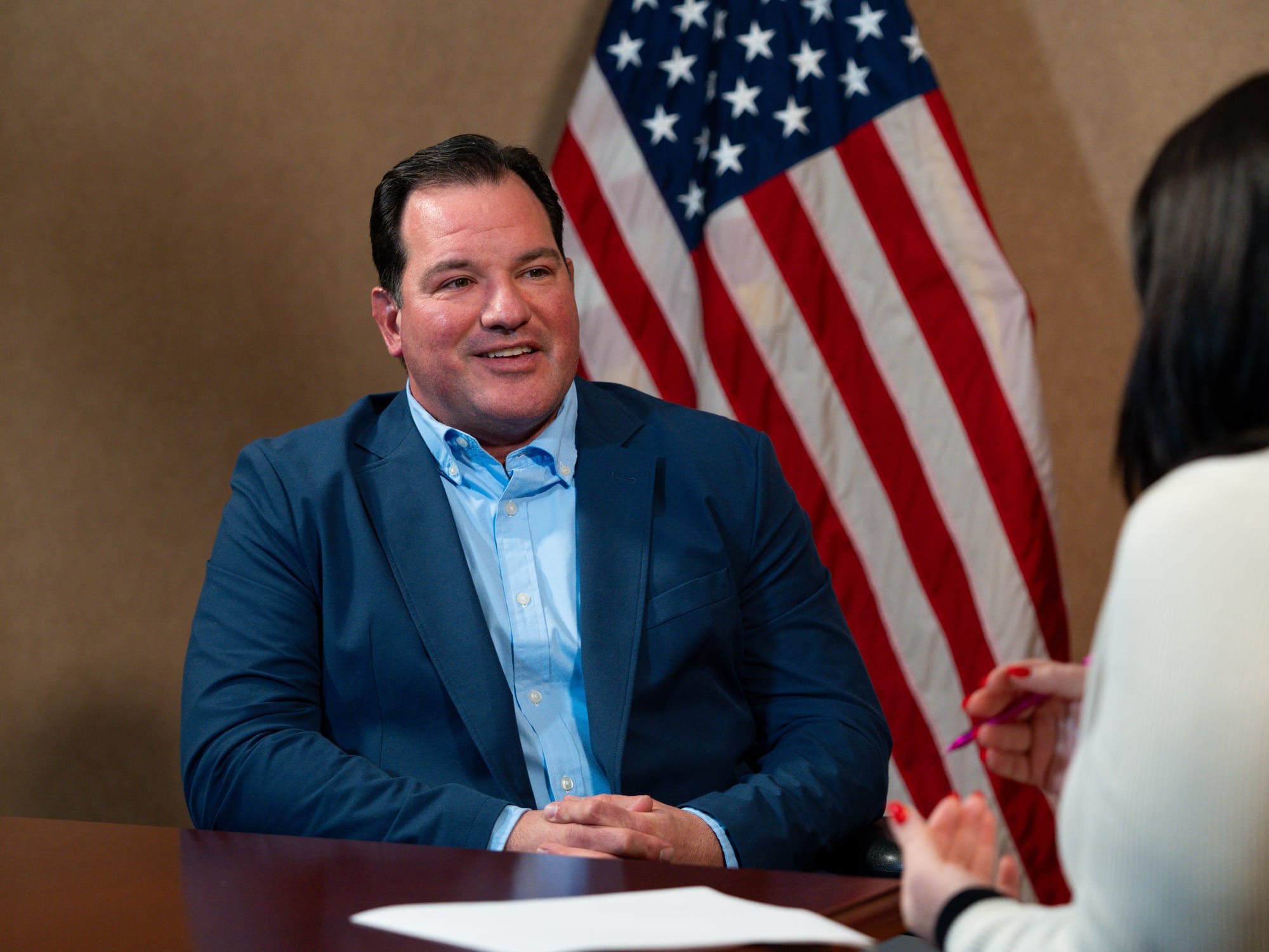
This year, the FBI special agent who led the Crystal Rogers investigation sat down with me for an exclusive interview- a level of access rarely granted by a federal agency. He only talked to me. Other local outlets asked. They were turned down.
The Pennington family trusted me to tell the story of Staff Sgt. Ben Pennington after he was killed in the Iran conflict, at the hardest possible moment for them to trust anyone. His sister reached out to me and told me they had received numerous media requests- from local and national outlets- and were hoping I would tell his story. I responded to let her know I was beyond honored, but had just had my baby that week. She told me they would wait. And they did.
Weeks before the FBI made an arrest in Morgan Violi's 30-year-old cold case, her family chose to speak with me first. Her sister reached out, telling me after 30 years they were ready to do their first-ever interview as a family, and they only trusted me with the story. To this day, they have only spoken to me.
I had the time to dig into Kentucky's welfare system through open records and interviews with caseworkers the state tried to keep quiet, reporting that became the Miya Rudd investigation. It took months of waiting for records, requesting additional items, and then pouring through the thousands of documents. That is time I didn't have before. Time is a luxury you aren't granted in an industry that needs to fill hours of TV every single day.
And in Eastern Kentucky, I've continued reporting on a pediatric cancer cluster that is both alarming and in need of urgent coverage. I've uncovered failures by the state through open records requests. I've talked to families, doctors, national experts, public health leaders, and worried community members. I choose where I put my time and effort, and I choose to stay on this story until Kentucky has a clear path forward.
One of the biggest surprises of this year had nothing to do with an investigation at all. My most-clicked story wasn't a bombshell- it was a voter guide for the U.S. Senate race, built from interviews with seven candidates and a fully transparent methodology so readers could see exactly how it was put together.
I learned something from that: people aren't just hungry for accountability journalism. They're hungry for useful journalism- something that helps them make a decision, right when they need to make it. It wasn't the story I expected to resonate the most. But it taught me that "give a voice to the voiceless" and "help someone fill out their ballot" aren't as different as I once thought. Both are just journalism doing its job.
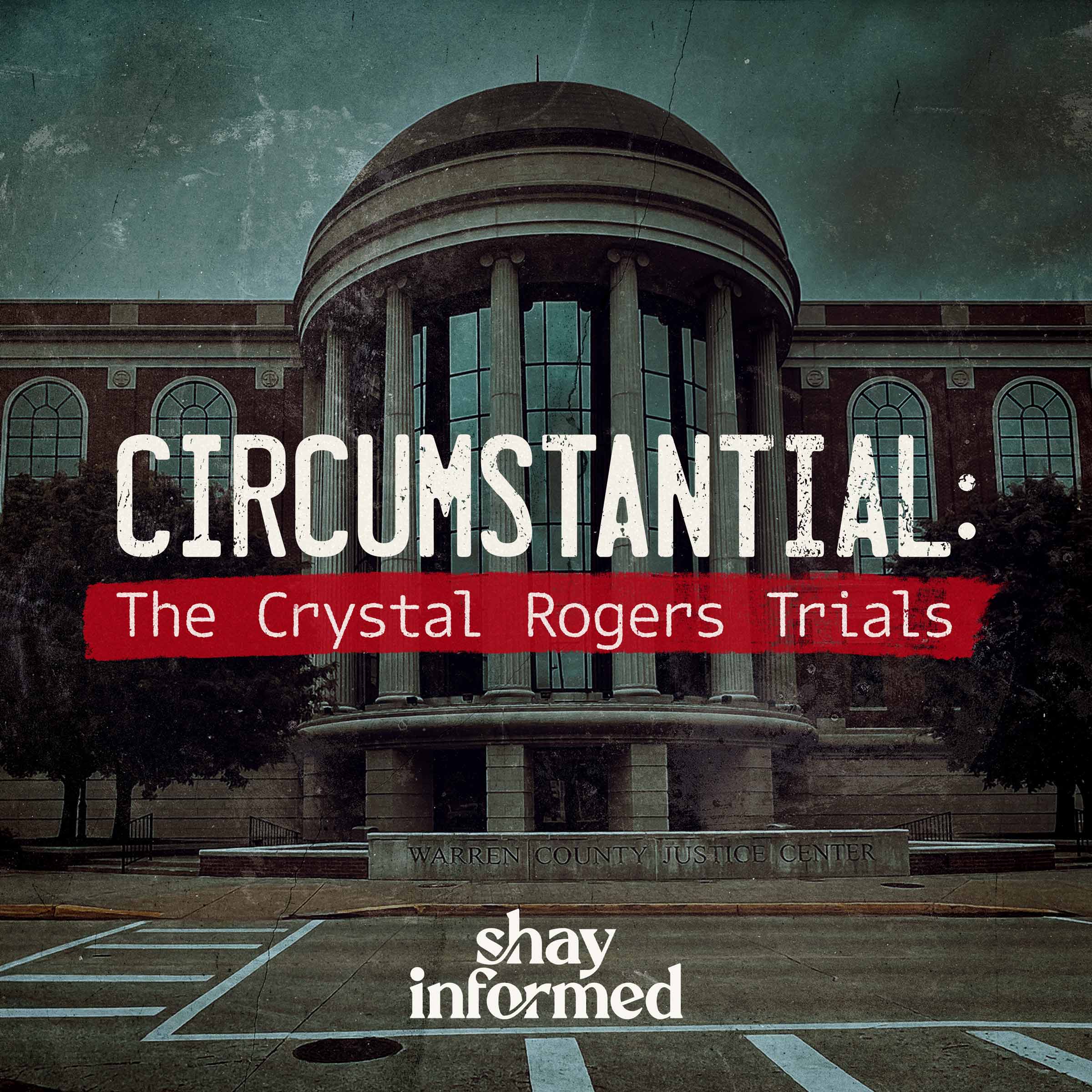
I also built new ways to tell the stories that matter most. Circumstantial: The Crystal Rogers Trials, a 10-episode podcast series, took listeners through both Crystal Rogers trials in full. This production took months... pouring through more than 100 hours of trial tapes, collecting fresh interviews, and reviewing my handwritten trial notes. It was a labor of love. But I knew the community that cared so much about this case deserved an easier way to consume the trial. Watching the raw YouTube videos wasn't feasible for everyone. I took the time and care to do it right.
And I launched One More Question, my weekly podcast. The concept behind the podcast is simple- I focus on a story everyone is talking about but ask the questions that get lost in the daily churn. The follow-ups that come up after the press conference, the one thing people keep saying on social media. National media agencies do this well with podcasts like The Daily. I want to bring that thoroughness and thought-provoking work to a local level and put it in the place people want to find it- on podcast.
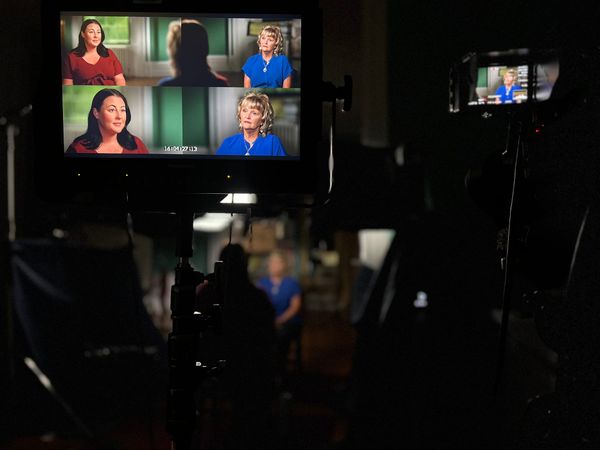
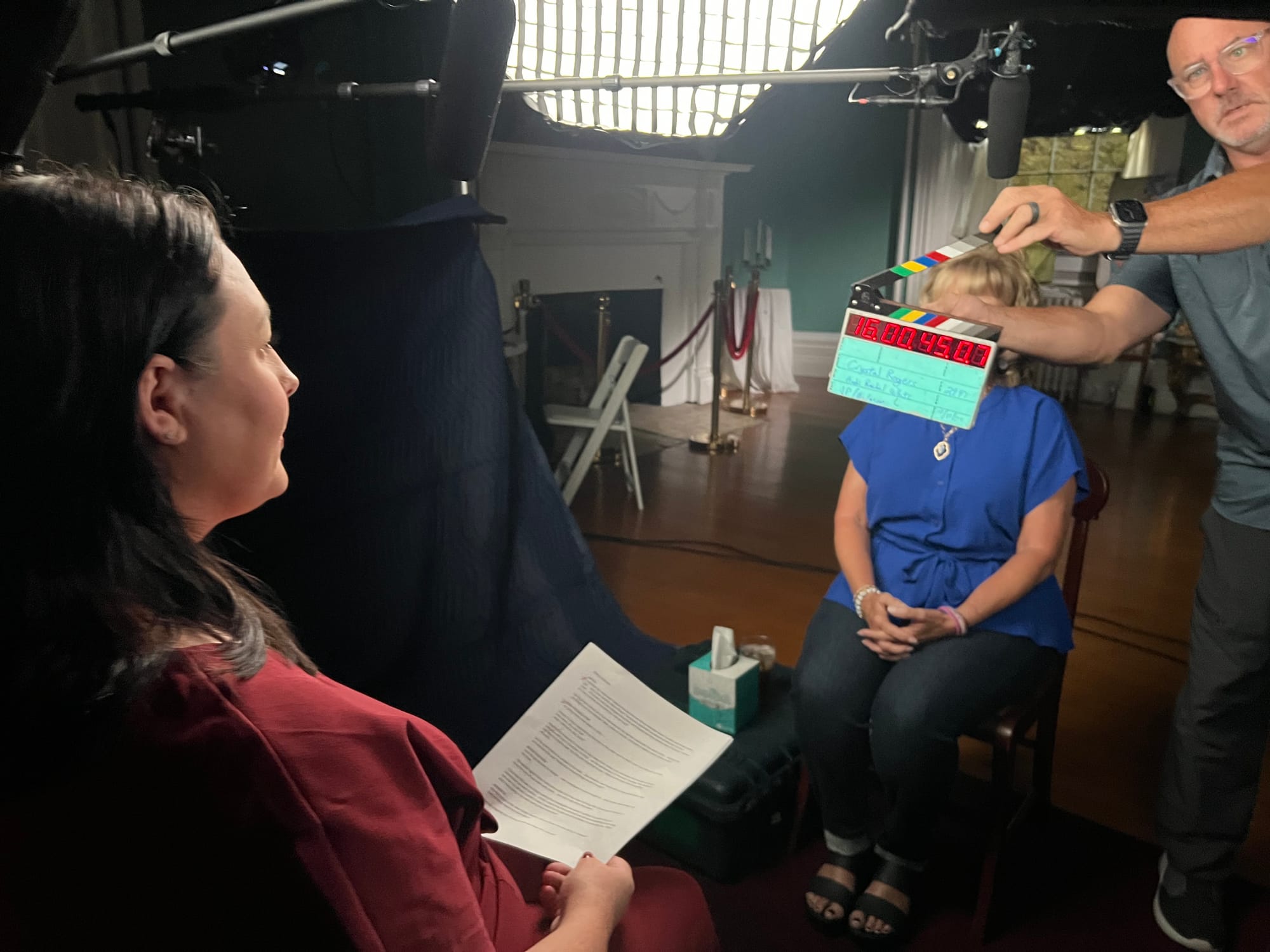
This year also opened up new opportunities. For years, Dateline asked me to be part of their Crystal Rogers coverage. For years, the answer was no- not because I didn't want to, but because it wasn't my call to make. Going independent meant that, for the first time, it was my choice. I could finally say yes. I worked with producers in the months leading up to the episode and appeared on camera in an interview.
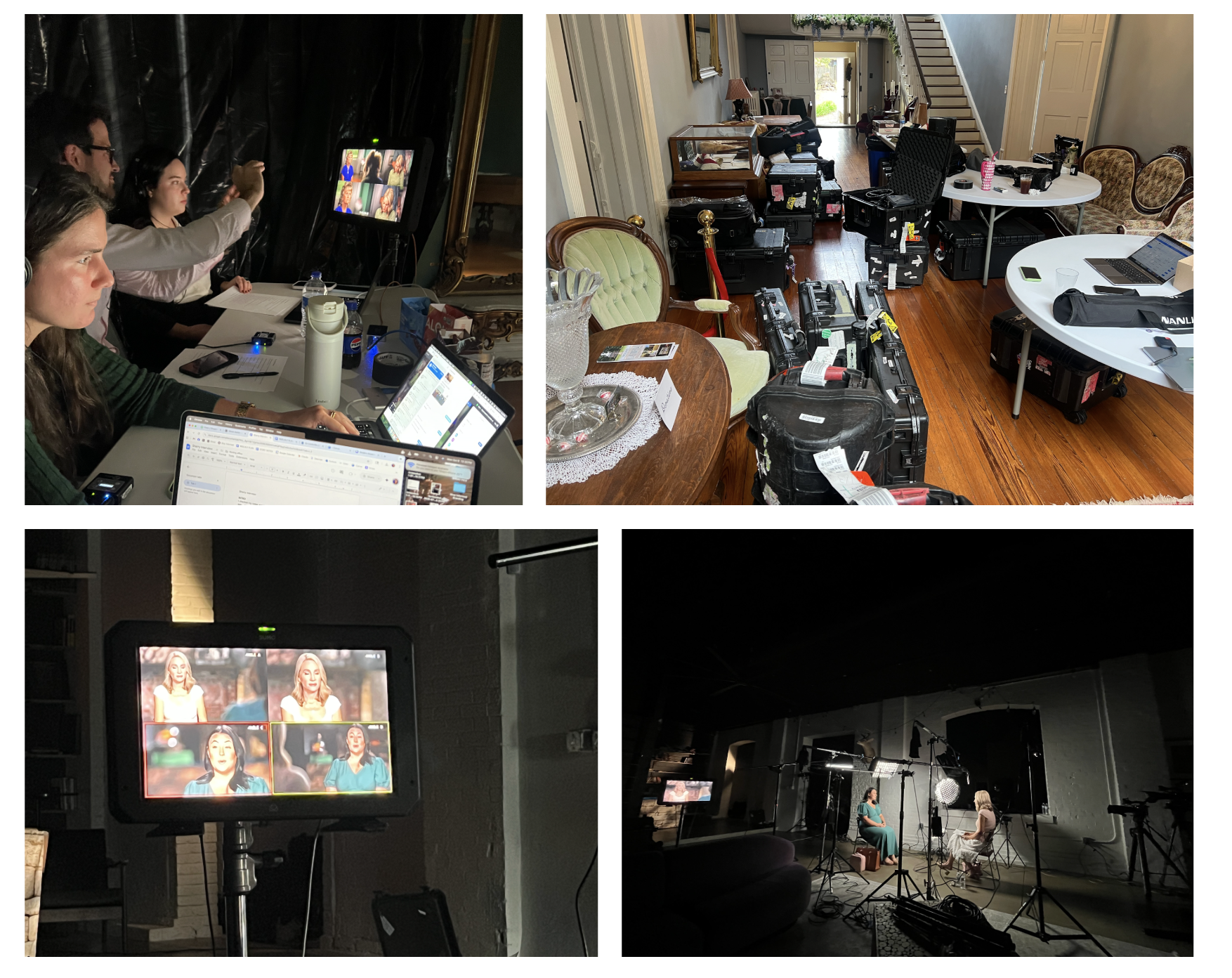
I didn't know I would be introduced on the show as "Dateline contributor Shay McAlister", but what a thrill!
Between July and November, I met with producers, with victims' families, answered questions, helped make connections, and clarified case details. The producers on the show are incredibly thorough and factual.
The irony isn't lost on me- I had to leave traditional TV news to finally work with one of the most respected programs in traditional TV news. The Dateline crew reminded me why I fell in love with this work in the first place- their commitment to thorough, compassionate storytelling aligned perfectly with everything I believe journalism should be.
 Shay McAlister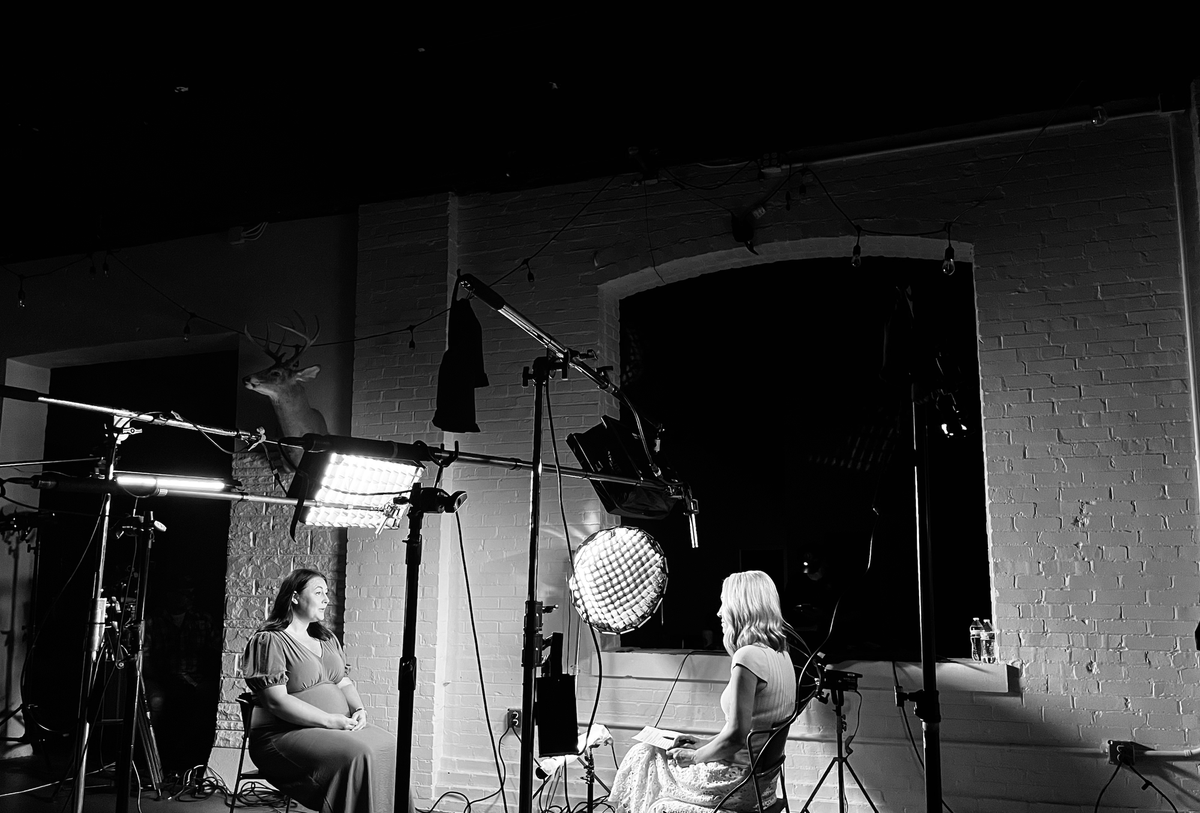
I wasn't ready for day one. Within hours of launching, I had to increase my website's capacity- I'd hit my member limit before the day was even over. A week later, I had to raise it again. Since then my membership has grown to more than ten-times what I had anticipated on day one. And I thought I was reaching for the stars.
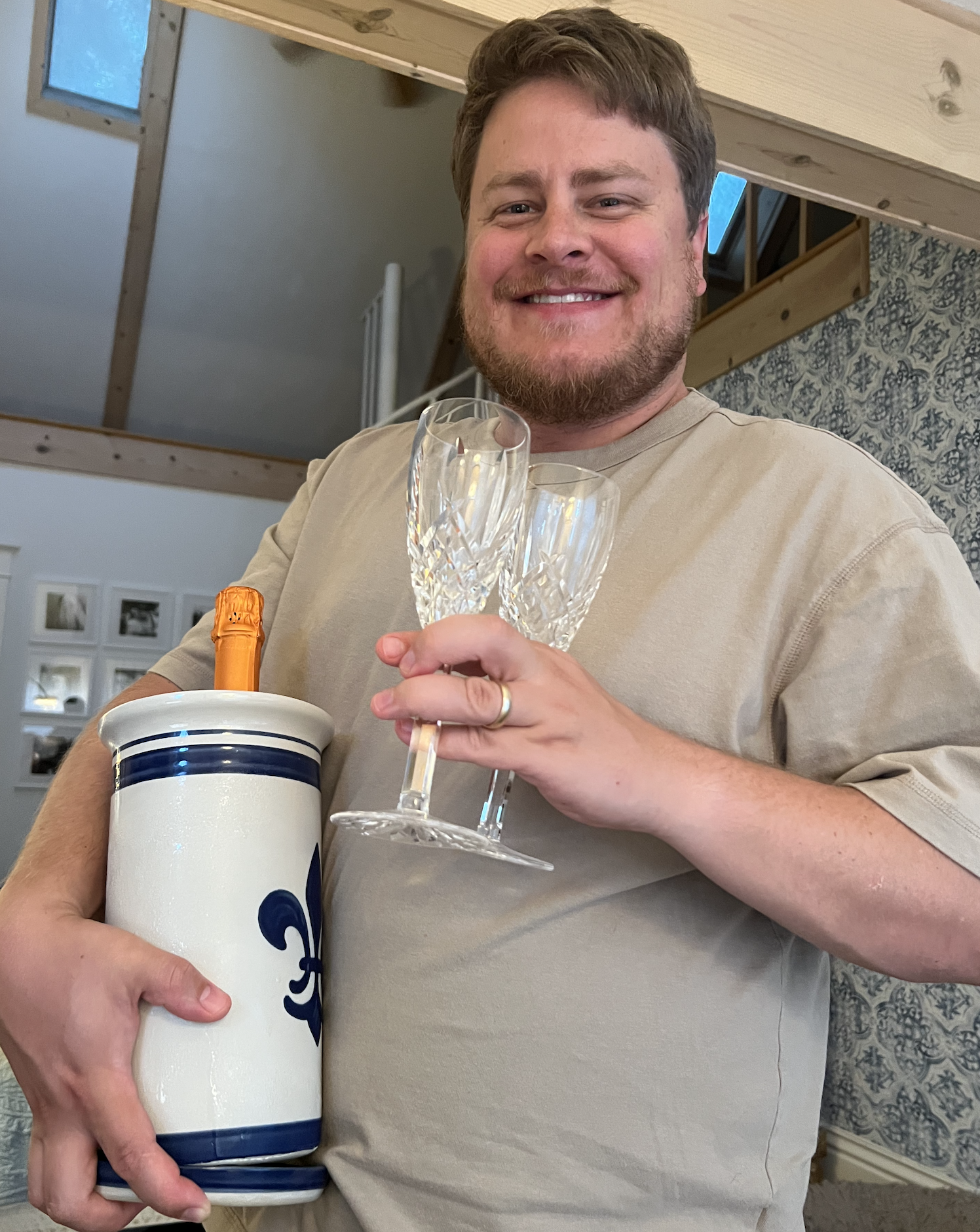
I have a photo from that first night: my husband Jimi, holding two glasses and a bottle of non-alcoholic champagne (I was pregnant at the time, and I've never appreciated a gesture more), toasting a launch he somehow wasn't surprised by. He knew this would exceed what I'd let myself expect. Honestly, some days I still find it hard to believe he was right.
I like to say I did this alone. That's not true.
My husband, my parents, my brothers, my in-laws, my friends- they've sat through the brainstorming sessions, the venting, the middle-of-the-night doubts, the wild ideas that never went anywhere and the ones that became real parts of the website and content. They've celebrated wins that were really our wins, even when only my name was on the byline. There's no version of this year's success that happens without every one of them.
And how do I measure success? For me, it's the freedom to chase the stories I care about. It's control over my time and my life. It's answering to you- not to ratings, and not to a corporate office that's never set foot in my community. But success shows up in the numbers too. So on this one-year mark, I finally sat down and looked at mine. Here's where we are:
A year ago, this was one person, a laptop, and a hope that people would show up for my journalism. You didn't just show up. You made this bigger than I ever let myself imagine it could be. I am so grateful. I am also still learning.
Going independent means building everything back from scratch- including trust.
A press badge from a TV station used to open doors automatically. On my own, I've had to earn that access story by story, agency by agency. And the results have been a study in contrasts.
I'll be specific, because I think specificity is the whole point of what I do. Some agencies have been difficult to work with. LMPD told me I didn't meet their standards to be considered a media outlet- and when I asked to see the policy that laid out those standards, they didn't have one. They had to create it. Months later, when I asked again, they gave me guidelines. Guidelines I meet. I asked how to formally apply for consideration. I never got a response. When I sought comment from the Jefferson County Commonwealth's Attorney's office, their spokesperson questioned whether I was a legitimate news outlet at all. I told him it really didn't matter what he thinks about my platform, I was asking for information that should be provided to any community member who asked. Then he provided an answer.
Other agencies did the opposite. A detective with the Winchester Police Department called me directly about a high-profile case- not because he had to, but because he told me he trusted my work, and believed including me was good for the investigation itself. A representative from JCPS's communications office reached out in and asked if I'd start coming to district meetings. They told me local outlets weren't getting the full picture, weren't asking the right questions, and they wanted parents to get the thorough coverage they deserved.
Same year. Same journalist. Two completely different answers to the same question: does independent journalism deserve a seat at the table?
I think that tells you more about the agencies than it tells you about me- and it's part of why I believe it's a disservice to this community to count independent journalists out. There's a real difference between someone posting on social media, calling themselves a "citizen journalist," and someone with a track record of ethical reporting, a reputation built over a decade, and thousands of readers who've decided that reputation is worth paying for. Treating those two things as the same isn't skepticism. It's laziness.
That's part of why I've joined the organizations I have as an independent journalist- including the Society of Professional Journalists (SPJ), the Kentucky Press Association (KPA), and Investigative Reporters and Editors (IRE). I want a seat in the conversations shaping where local journalism goes next, because I believe independent journalists are a necessary part of that future, not a footnote to it. Those organizations have agreed: I've been asked to speak at conferences, mentor other journalists one-on-one, and sit on advisory boards helping build the kind of structure that lets local journalists leave a dying industry model- without leaving journalism itself behind.
So here's the trade I didn't fully understand a year ago: independence costs you automatic access with some. It earns you something deeper with others. A year in, I know which side of that trade I'd choose again.
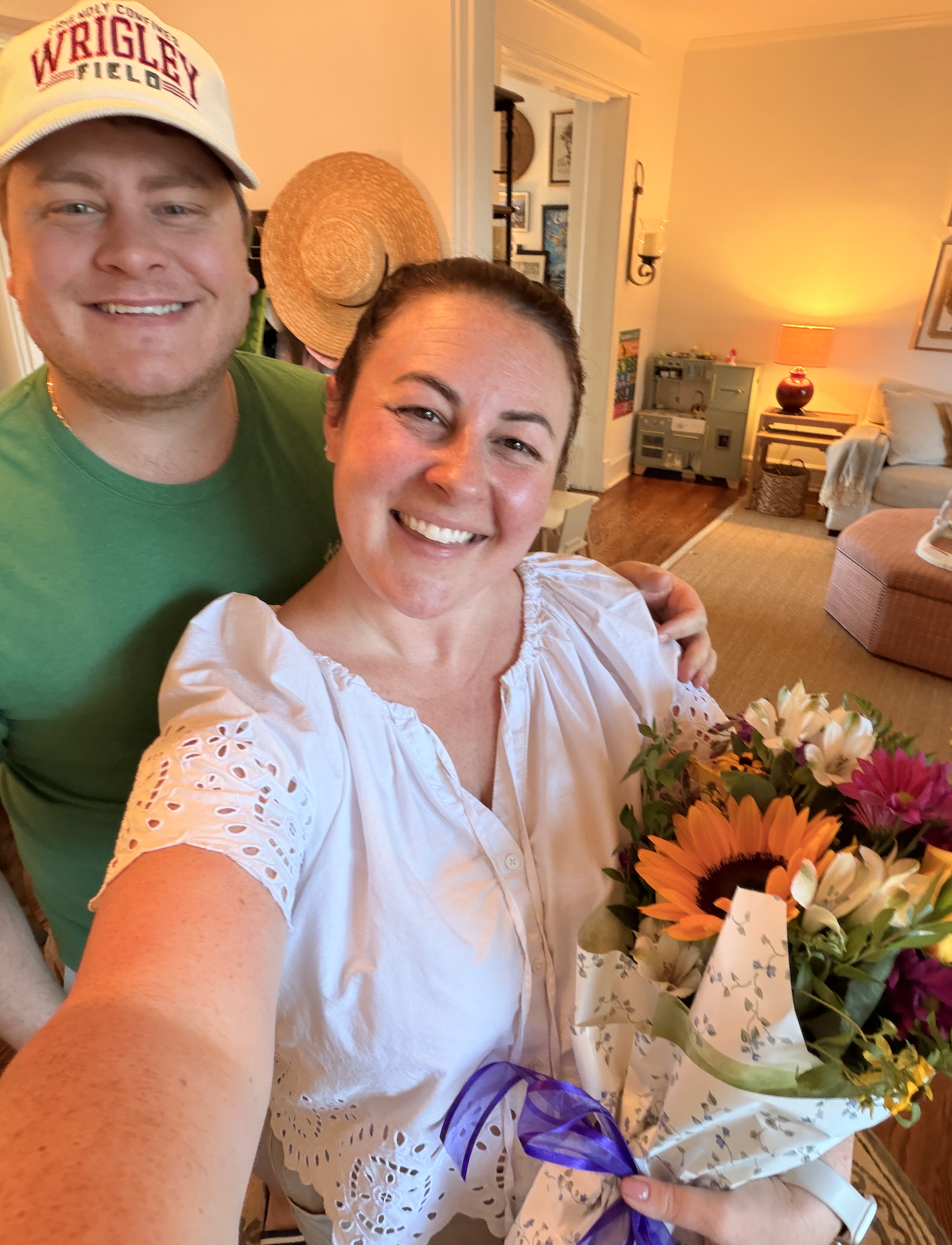
The same husband who toasted day one with non-alcoholic champagne showed up on day one of year two with flowers. "Can you believe it's been a year?" he asked. I just laughed because I can't, not really. But believing it isn't the point anymore. Building on it is.
So, what's next? A lot, actually.
I'm working on a new partnership I can't say much about yet- but it's going to allow the work I care most about to reach audiences far beyond what I could reach alone. I'll share more the moment I can.
I'm also ready to expand beyond a team of one. A year in, I know this model works- which means it's time to bring on help. Not to change what Shay Informed is, but to lighten the load so I can spend even more of my time on the journalism itself. That includes bringing in help behind the scenes and guest writers I trust- journalists who do this work the way I do, with the same commitment to accountability and to the people at the center of every story.
And I'll be watching one case especially closely: the Nick Houck trial. I covered the first Crystal Rogers trials as an employee of the TV station. This time is different. This time, I'm working for you- my subscribers, not a station. I'll build my coverage plan around what you tell me matters most.
None of it happens without the people reading this right now. That's not a figure of speech. It's the whole model. A year in, I don't want to guess at what you need from year two. I want to ask you directly.
If you're a paid subscriber, you helped build this. I have a short survey below, and I mean it when I say your answers will shape what year two actually looks like.
And if you're reading this as a free subscriber or someone not yet signed up- I hope this year showed you what this kind of journalism can do, and I'd love for you to consider joining the people who've made it possible. There's no better time than right now, one year in, to become part of building what's next.