She was eight months old. Kentucky's child welfare system lost her. This is how.
– 18 min read


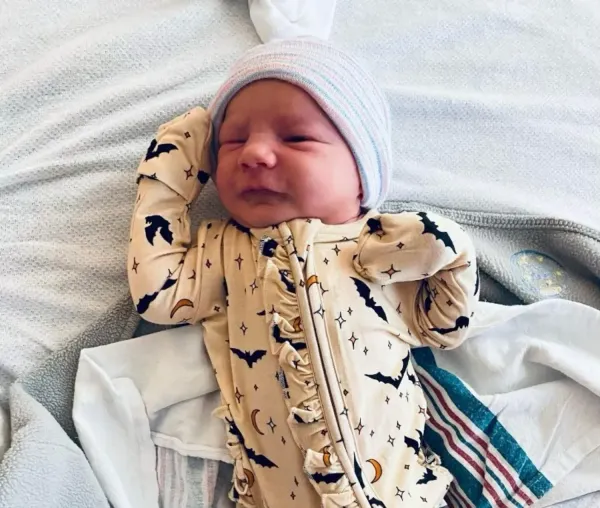
The system didn't fail Miya Rudd all at once. It failed her one decision at a time.
"I'm Shay McAlister, and this is Shay Informed: an independent, ad-free platform dedicated to honest journalism with compassion and clarity.
This story is a 'Shay Original', which is available to paid subscribers only. You can become a member for $4.99/month and gain access to all of my work, including full interviews, behind-the-scenes content, and my weekly podcast.
When I put out a call asking current and former Kentucky child welfare workers to share their experiences, I didn't know what kind of response I'd get.
What came back floored me.
Within hours, dozens of people reached out. Social workers. Supervisors. People who had spent years inside the state's Department for Community Based Services (DCBS) and left. People who were still there. People who had things they'd clearly been waiting a long time to say.
Then something else happened.
I received a call from a representative of the Cabinet for Health and Family Services asking for background on the nature of my inquiry. And shortly after that conversation, an all-staff communication went out from the DCBS Commissioner's Office to Kentucky's child welfare workforce. The message reminded employees that all media inquiries must go through the Office of Public Relations- and asked that all staff remember not to speak with media outlets, reporters, or news stations without prior approval.
I obtained a copy of that email.
I sent four questions to the Cabinet in response. I asked whether the all-staff communication had been sent in response to my outreach. I asked whether DCBS employees were permitted to speak with journalists about their professional experiences and systemic concerns. I asked if employees would face disciplinary action for speaking with me. And I asked whether completing an anonymous survey about working conditions would be considered a policy violation.
The Cabinet's response did not answer a single one of them.
What it said, in full, was this: "The Cabinet for Health and Family Services values clear and accurate communication with the public. The Cabinet has policies in place to ensure transparency while maintaining the requirements under the law for privacy and security to protect confidential and sensitive information of those we serve. As noted online and in communications to media, inquiries and information requests should be routed through the Office of Public Affairs."
Several workers who had already reached out told me the all-staff email had frightened them. Some pulled back. Others decided to keep talking anyway. One wrote to me: "Majority of the time in cases that have a tragic ending, the SSW tried. They are either met with unimaginable caseload, lack of training, lack of resources, lack of law enforcement help, or lack of support from upper management."
They weren't talking about a hypothetical case.
They were talking about Miya Rudd.
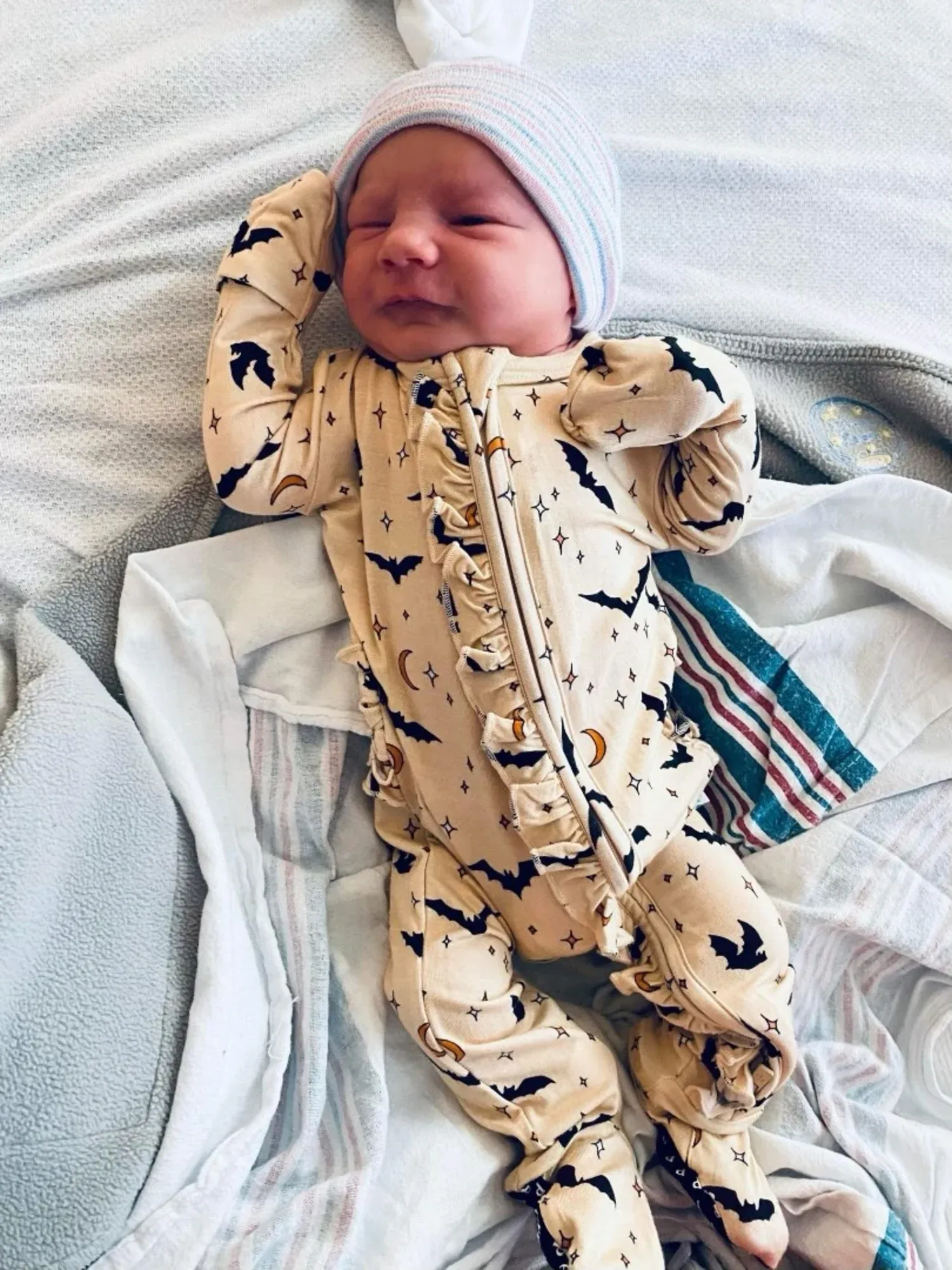
Her name was Miya Rudd. She was eight months old. And she died in a home so contaminated with fentanyl that Kentucky State Police had to call in a decontamination team before they could search it.
Miya was known to the state's child welfare system from the moment she was born. Social workers were called to the hospital the day she arrived. A safety plan was created. Boxes were checked.
And then she disappeared. How?
I've spent months inside this case. I read Miya's complete file- more than 1,300 pages. I obtained the state's internal Systems Analysis Review report, the document produced after a child fatality. I surveyed current and former DCBS workers. I sat down with Dr. Melissa Currie, a board-certified child abuse pediatrician who has served on Kentucky's Child Fatality and Near Fatality External Review Panel since its founding in 2012. And I talked at length with Shannon Moody, Chief Policy and Strategy Officer at Kentucky Youth Advocates, who has spent fifteen years studying child welfare policy in this state.
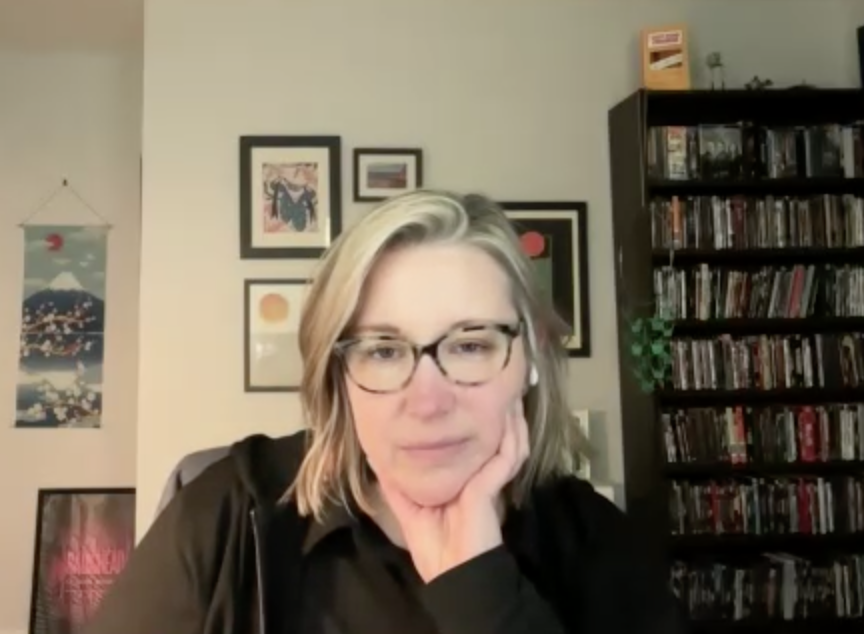
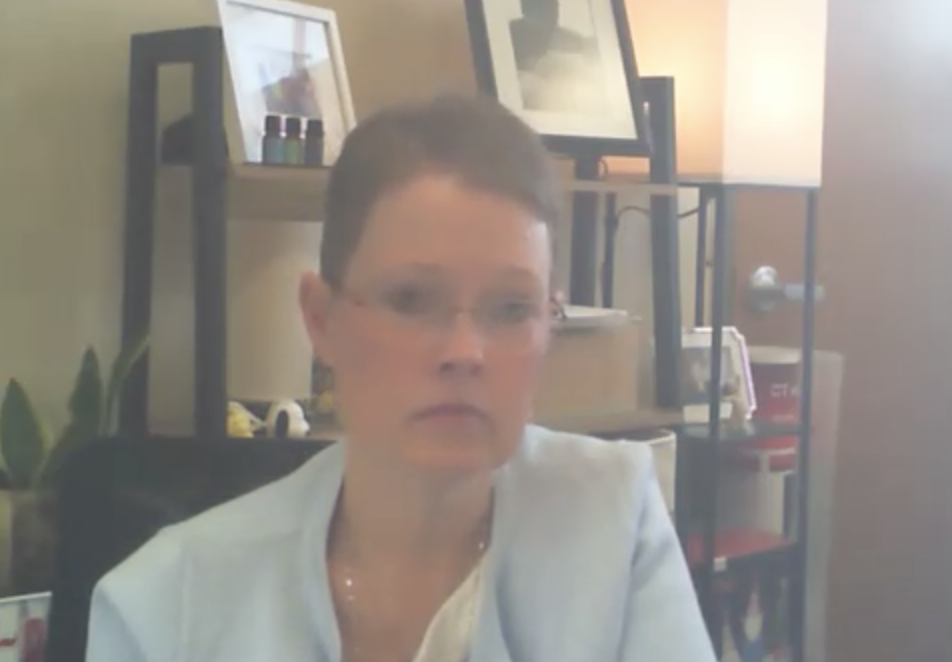
Shannon Moody (left); Dr. Melissa Currie (right)
What emerged from all of that wasn't a story about bad caseworkers. It was a story about people operating inside a system that gave them impossible caseloads, inadequate tools, unclear protocols, and no real safety net when things started to go wrong.
And then that system watched an eight-month-old girl disappear.
I want to tell you something the Cabinet's non-answer made very clear to me.
The people I needed most to talk to for this story- the workers who were inside this system- were afraid. Not just afraid in an abstract way. Afraid of losing their jobs. Afraid of retaliation. Afraid that speaking honestly about what they had seen and experienced would cost them something.
That fear, it turns out, is well-documented.
In the survey I conducted for this investigation, 88 percent of respondents said they had either directly experienced retaliation for raising concerns about case decisions, workload, or agency practices- or had witnessed it happen to a colleague. Only four of 34 people said it had never happened to them or anyone they knew.
"My whole office was pulled into the regional office to discuss our supervisor. They were looking for reasons to get rid of her because she would question their decisions for the betterment of our staff and families," one worker wrote.
"A coworker raised an ethics concern about documentation practices and was slapped with insubordination and threatened with major disciplinary action. He was young and didn't know what to do, so he resigned. They lost an amazing worker," wrote another.
The all-staff email didn't create that culture. It just revealed it- in real time, to me, while I was in the middle of reporting this story.
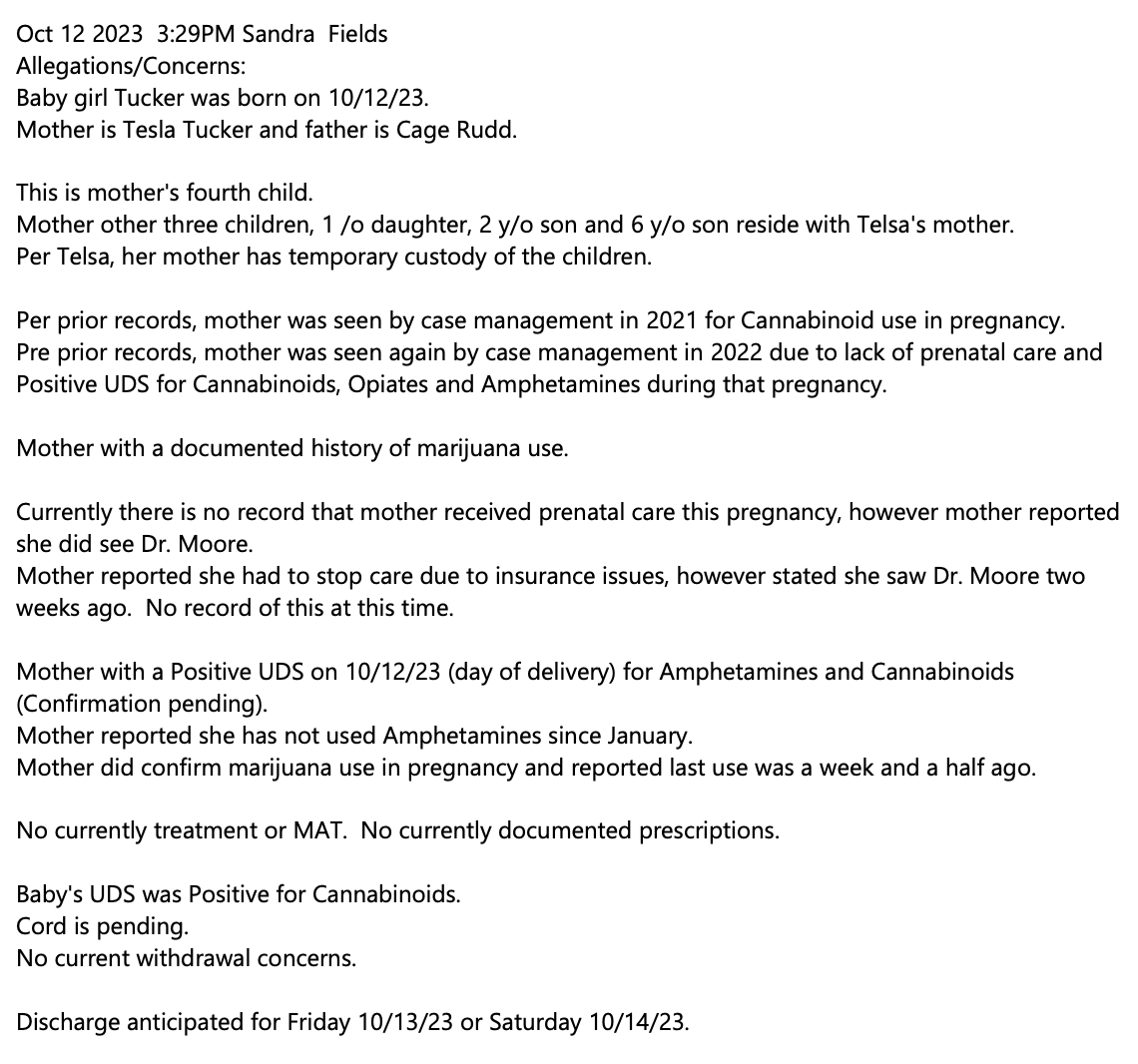
Miya Rudd came into the world on October 12, 2023, at Owensboro Health Regional Hospital. A Kentucky social services worker was called before the baby had left the delivery room.
This was not unusual. Tesla Tucker, Miya's mother, was what workers call a repeat client. Her three older children- ages one, two, and six- were already living in the permanent custody of their maternal grandmother, Taletha Tucker. A prior substantiated case from 2022 had documented Tesla delivering a baby at home with no prenatal care, that child's cord blood testing positive for amphetamines, THC, and opiates.
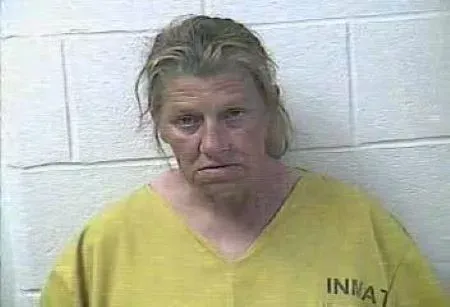
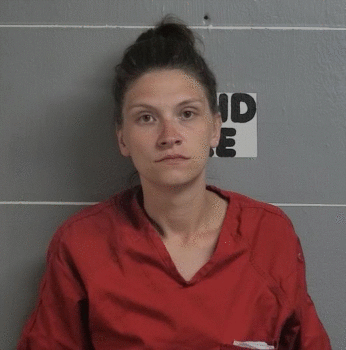
Taletha Tucker (left); Tesla Tucker (right)
Now Tesla had given birth again. Her urine screen on the day of delivery came back positive for amphetamines and cannabinoids. Miya's urine screen was positive for cannabinoids. Cord results were still pending.
When I read through the 1,300 pages of this case file, one thing stopped me completely. The generational depth of this family's history with Kentucky CPS system didn't begin with Tesla. It stretched back decades- to her mother. Taletha Tucker, the woman who would be named as the supervising adult in Miya's safety plan, had her own history with the cabinet. She was now holding permanent custody of four of her daughter's children.
Shannon Moody at Kentucky Youth Advocates put it plainly when I described this to her.
"When you look at something like that- her mom being involved with DCBS, and she's the child- it's just so sad," she told me. "Their history with DCBS goes back literal decades. Generational."
At the hospital that October morning, the social worker sat down with Tesla and negotiated a safety plan. Taletha would supervise. Tesla signed it on paper. Taletha agreed to the terms over the phone. At least, that's according to the social worker.
The worker didn't have a tablet to create a digital record in the field. The handwritten plan was given to an aide to scan into TWIST- the state's case management system- and then shred, because DCBS no longer keeps paper files.
The aide shredded it before it was scanned.
What was uploaded in its place was, in the words of the state's own internal review, a generic version with generic language. It did not reflect what had actually been agreed to. The document that was supposed to protect Miya existed nowhere.
My survey found this was not an isolated failure. When I asked current and former workers whether they had reliable access to tablets for field documentation, only six of 34 said yes- always. Thirteen said sometimes, but not reliably. Eleven said they had no tablet access at all and worked on paper only in the field. Twenty-one respondents said safety plans had been lost, destroyed, or not properly uploaded to TWIST either regularly or occasionally during their time at the agency.
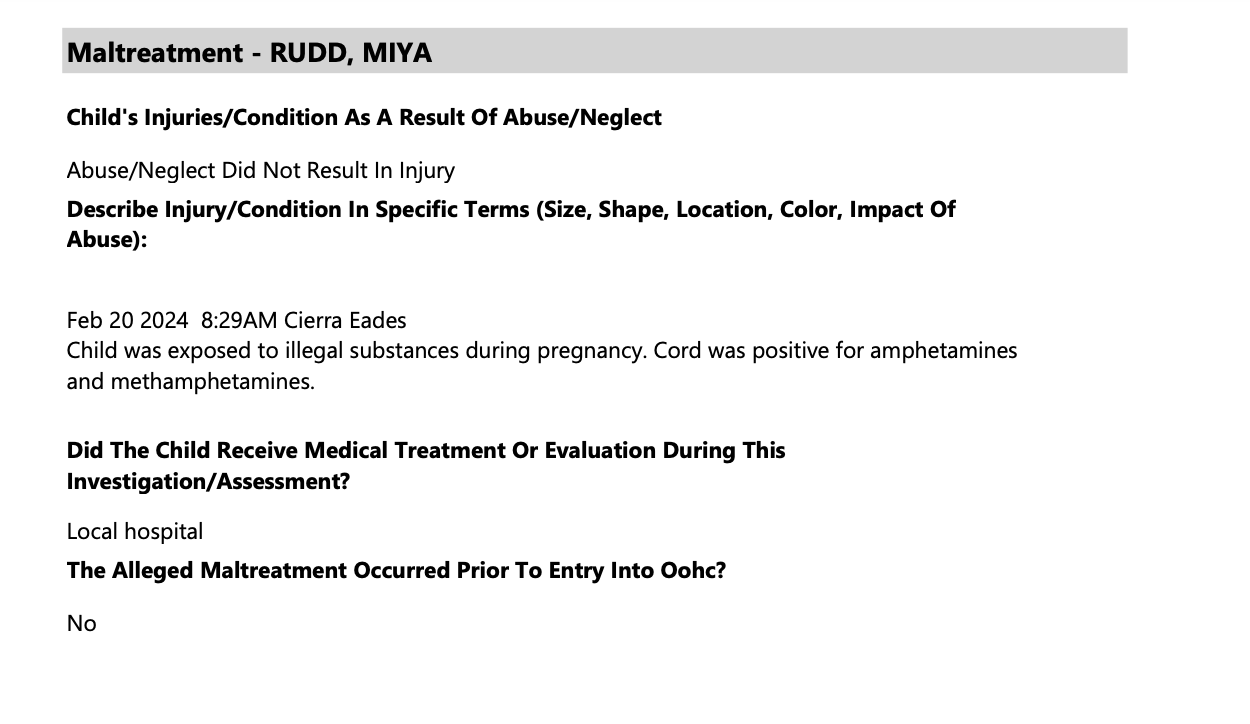
Miya and Tesla were discharged from the hospital before the cord results were back. When the results came back the following week, they changed everything.
Miya had methamphetamine in her system at birth.
By then, she and her mother were gone. Miya would never be seen again.
The caseworker began making contact attempts. Home visits. Phone calls. Visits to Taletha's address. The home appeared abandoned. At the grandmother's house, workers could sometimes hear people inside, but no one came to the door. Eventually, Taletha called back long enough to say Tesla had left with the baby, and she hadn't seen them. Then Taletha stopped communicating, too.
For approximately 45 days, the caseworker tried to find Miya.
She was, as far as anyone in an official capacity knew, last seen at eight days old.
This investigation continues below for Shay Informed subscribers. What follows is the story of what happened next- the decision to close Miya's case, what the state's own records reveal about why, and what 34 current and former DCBS workers told me about the system they were working inside. If you're not yet a subscriber, you can join here. This reporting is made possible entirely by readers like you.