Records show Henry County EMS knew its defibrillators were failing. A man died. Now the state's highest court is deciding if anyone has to answer for it.

– 13 min read


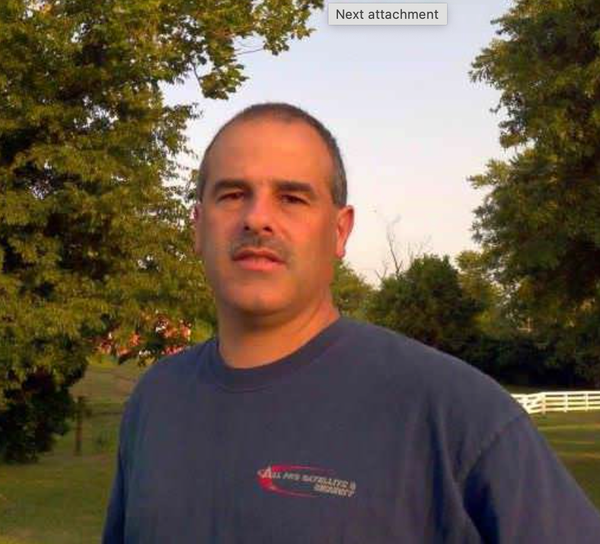
Luke Hinkel died when a Henry County defibrillator failed. Seven years of litigation later, the Kentucky Supreme Court may decide no one has to answer for it.
"I'm Shay McAlister, and this is Shay Informed: an independent, ad-free platform dedicated to honest journalism with compassion and clarity.
This story is a 'Shay Original', which is available to paid subscribers only. You can become a member for $4.99/month and gain access to all of my work, including full interviews, behind-the-scenes content, and my weekly podcast.
Want to hear it in their own words? This week's episode of One More Question with Shay McAlister goes inside the case. Access is at the bottom of this page!
When you call 911, you place your life in a system: the crew that shows up, the equipment on the truck, the training behind it, the county budget that pays for all of it. In September 2017, that system failed Luke Hinkel. Nearly nine years later, the Kentucky Supreme Court is weighing a question that sounds like it's about a paper map and a broken defibrillator- but is really about something bigger: when the people we trust to save us don't follow the rules written to save us, who, if anyone, has to answer?
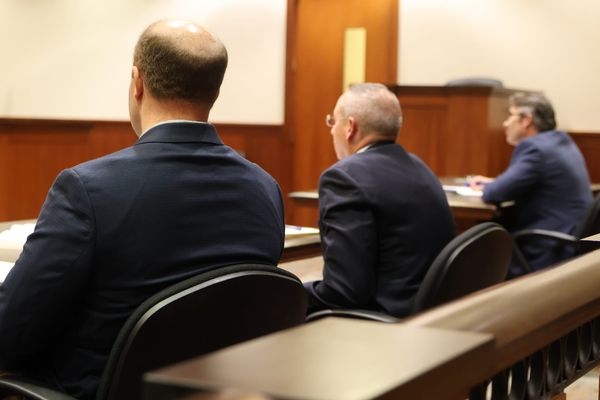
The county can't be sued. The crew may be immune- that's what their attorneys argued before the state's highest court last month. And documents show something the courtroom fight over immunity has largely obscured: Henry County knew its cardiac monitors were failing before Luke Hinkel's family ever dialed 911. It had been pricing replacements for weeks. The paperwork to buy new ones was signed about a week after he died.
"We just want the truth, the transparency and the accountability," Kimberly Hinkel, Luke's ex-wife, told me. "And make sure that we can pass policy, so this doesn't have to happen to anyone else."

The call came in at 2:13 a.m. on September 14, 2017. Charles "Luke" Hinkel was on his living room floor in Eminence, KY, with sudden, ten-out-of-ten chest pain, numbness down his left arm, and dizziness. His ex-wife Kim and his son Zachary were with him.
"When I walked in the house, there he was on the living room floor," Kim recalled. "No doubt he was having a heart attack- every symptom that you expect. The cold sweat, I mean, he was soaked, he had chest pain, had the tingling going down his left arm."
According to the run report, the ambulance arrived on scene 16 minutes after the 911 call. The crew's own narrative describes what happened next: Hinkel walked to the ambulance because of "limited access to the home." He was in the back of the ambulance when he went into cardiac arrest.
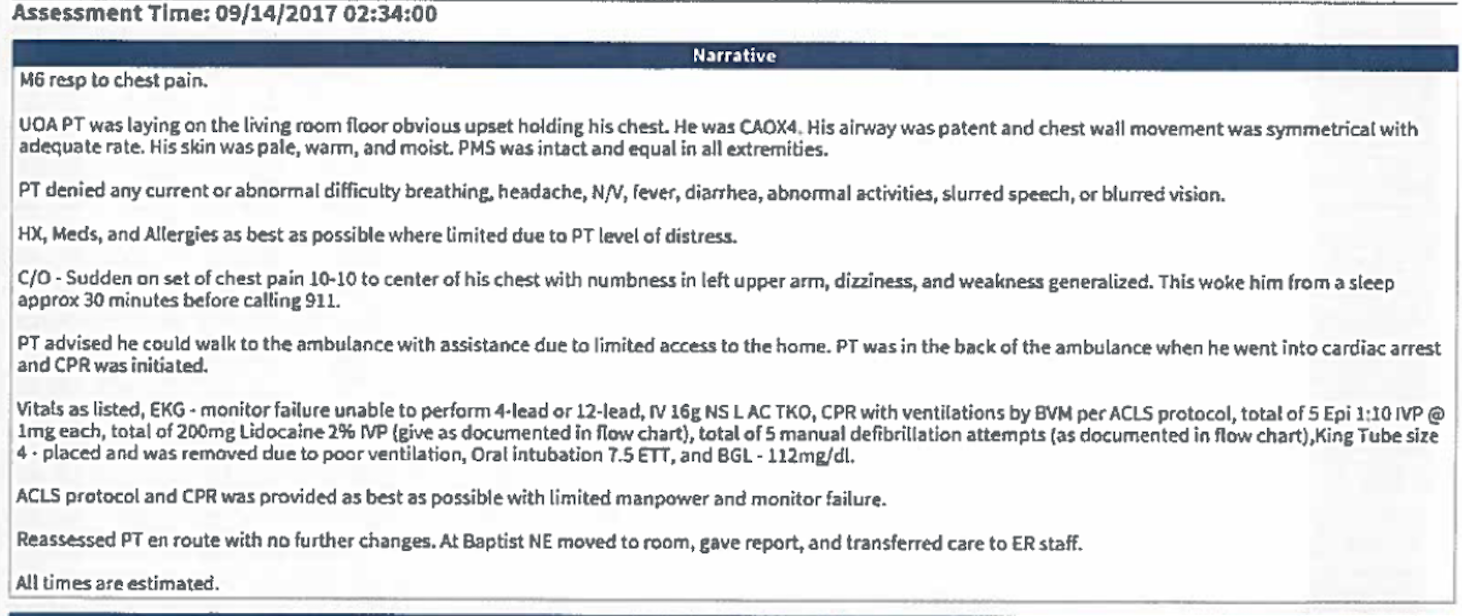
Then the defibrillator failed. The crew's report states it plainly: "monitor failure."
The report notes "CPR was provided as best as possible with limited manpower and monitor failure." Hinkel's initial rhythm was ventricular fibrillation- a rhythm defibrillators exist to correct. By the time he reached the hospital, his rhythm was asystole, also known as 'flatline'.
The report's timeline shows the cardiac arrest happened at roughly 2:45 a.m.; the ambulance didn't reach Baptist Health La Grange until 3:16 a.m.- more than an hour after the 911 call, on what is normally about a fifteen-minute drive. En route, the crew diverted to obtain a working defibrillator mid-emergency.
He was pronounced dead at Baptist Health La Grange. His son Zachary, who had just turned 18, signed the paperwork.
Kim and Zachary didn't learn the full picture that night. "We had no idea that he coded in the back of the ambulance," she said. They didn't know the defibrillator on board wasn't working. They didn't know the ambulance and paramedics got lost on the way to them, and diverted routes on the way to the hospital to find a working defibrillator. "Everything came out through discovery", she told me.
The defense has since argued in court that even a working defibrillator may not have saved Hinkel given the underlying cardiac event, and that a rural hospital awaited him. Defense attorney Ed Monarch- who is representing the insurance company that represents the paramedic and EMT, told the Supreme Court justices: "We have sort of presumed that Mr. Hinkle may possibly have been saved if the defibrillator had worked. Honestly, you could carry that argument on all the way to the rural hospital where he was taken that didn't have a cardiac cath lab- so how is he going to be saved in this instance at all?"
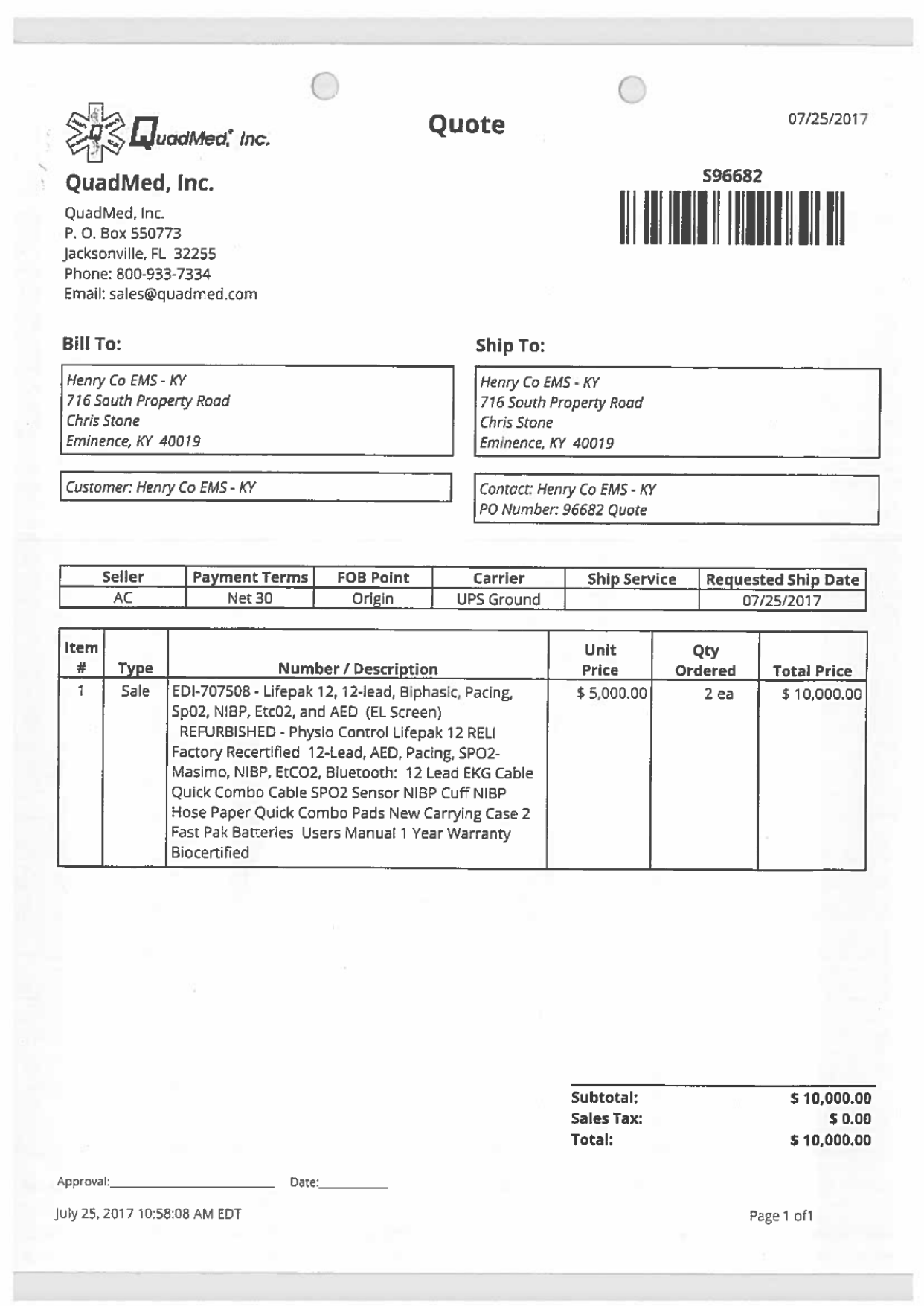
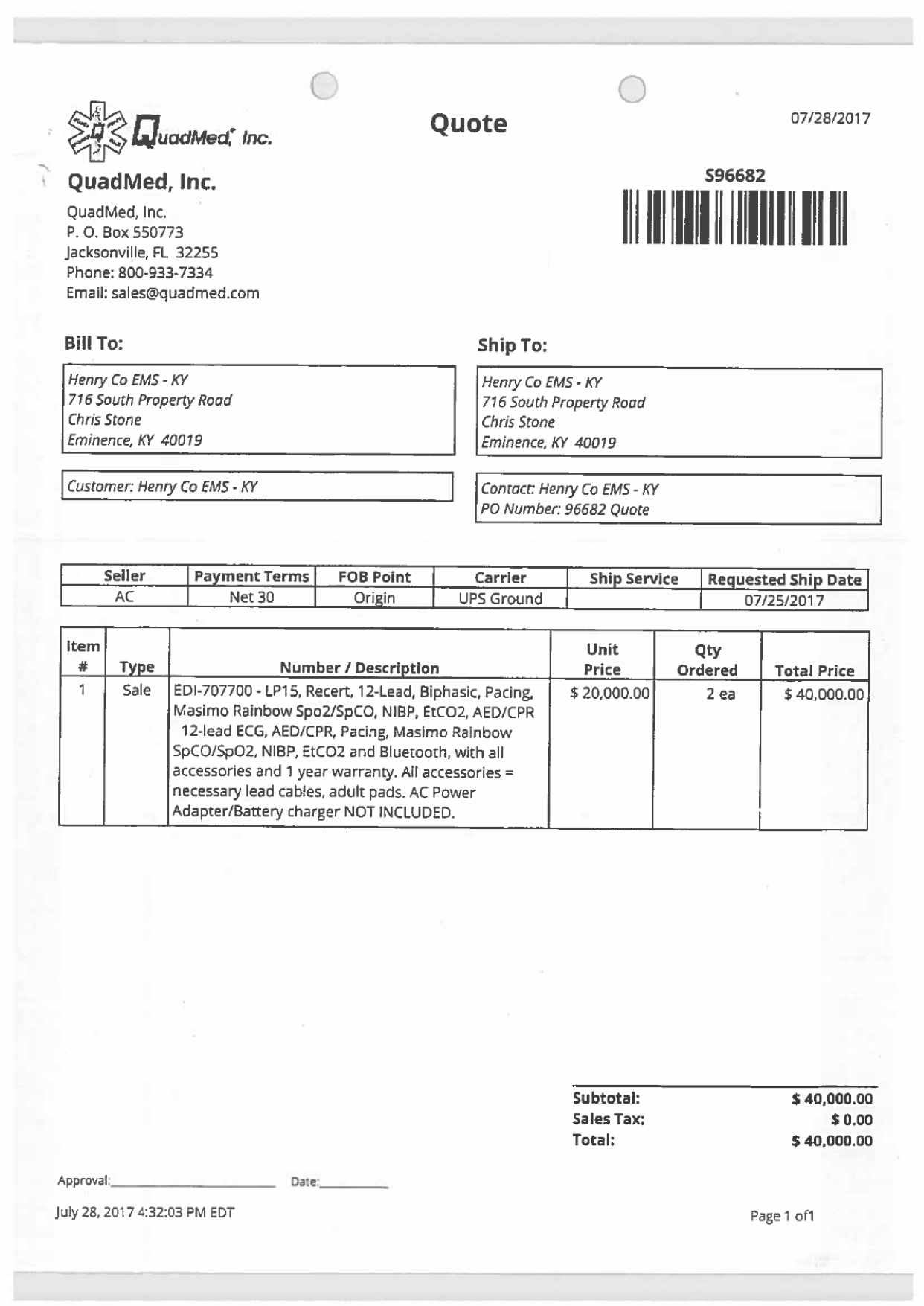
Quotes for new defibrillator requested by Henry County EMS
Seven weeks before Luke Hinkel's death, Henry County EMS was already collecting price quotes to replace its aging LifePak 12 cardiac monitors, also known as defibrillators. Two quotes from a Florida equipment vendor, dated in July, priced refurbished and re-certified replacement monitors. A third quote was generated August 1, 2017- six weeks before Hinkel died.
Why was Henry County EMS looking for new equipment?
A later state investigation answers that. The Kentucky Board of EMS found the defibrillators currently in use were old, had failed repeatedly, and had been serviced "multiple times with the result of the monitor being worn out and in need of replacement." The EMS director at the time told the state investigator the holdup was, in her words as summarized by the investigator, "a financial issue with the Henry County Fiscal Court". She said it took time before the fiscal court would agree to pay for new monitors, according to the investigator's summary of their conversation.