US Supreme Court denies Kentucky clerk's request to overturn same-sex marriage

– 2 min read



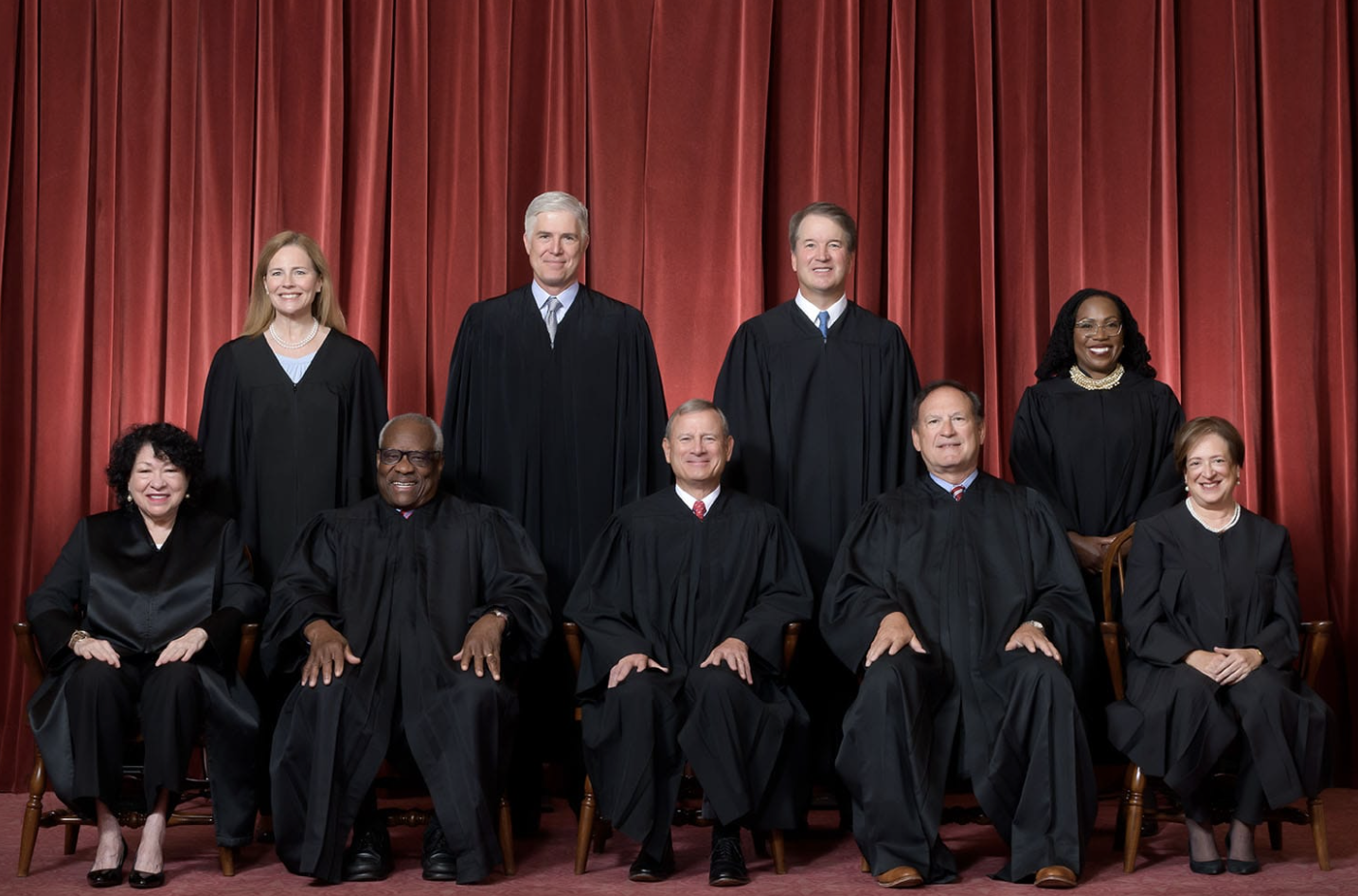
Ten years after the Supreme Court extended marriage rights to same-sex couples nationwide, the high court is doubling down, denying Kim Davis' request to take her case.
"I'm Shay McAlister, and this is Shay Informed: an independent, ad-free platform dedicated to honest journalism with compassion and clarity.
Are you new here? Sign up for the free newsletter or subscribe to support our mission.
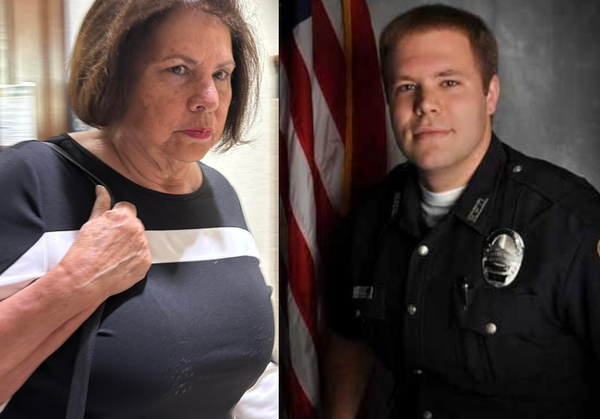
Kim Davis, the former Kentucky county clerk who was put in jail in 2015 after refusing to issue marriage licenses to a gay couple, asked the supreme court to take on her case and Monday morning, the court said no.
As is generally the case when it denies petitions for review, the court did not provide any explanation for its decision not to hear Davis’ case.

Davis had asked the high court to overturn the 2015 Obergefell v. Hodges landmark ruling, calling it "egregiously wrong." She also argued First Amendment protection for free exercise of religion immunizes her from personal liability for the denial of marriage licenses, according to ABC News.
In the petition to the Supreme Court, which was filed in July, Davis' attorney Mathew Staver wrote, "if there ever was a case of exceptional importance, the first individual in the Republic's history who was jailed for following her religious convictions regarding the historic definition of marriage, this should be it."
This is not the first time Davis has tried to appeal the ruling, and lower courts have dismissed her claims.
"Not a single judge on the U.S. Court of Appeals showed any interest in Davis's rehearing petition, and we are confident the Supreme Court will likewise agree that Davis's arguments do not merit further attention," said William Powell, attorney for David Ermold and David Moore, the now-married Kentucky couple that sued Davis for damages, in a statement to ABC News.
Historical Context: At the time Obergefell was decided in 2015, 35 states had statutory or constitutional bans on same-sex marriages, according to the National Conference of State Legislatures. Kentucky was among those states with a constitutional ban on same-sex marriage.
Current Legislative Activity: So far in 2025, at least nine states have either introduced legislation aimed at blocking new marriage licenses for LGBTQ people or passed resolutions urging the Supreme Court to reverse Obergefell at the earliest opportunity, according to the advocacy group Lambda Legal.
Because the court has denied her request, nothing changes for same sex couples of the constitutionality of their marriages.
Like what you see? Learn more about Shay Informed here! This is honest journalism with compassion and clarity.