For decades, they didn't feel worthy of a welcome home. This flight is changing that.
– 15 min read


Honor Flight Bluegrass is evolving- and the shift says something important about how America is finally reckoning with Vietnam.
Shay McAlister will travel with Honor Flight Bluegrass on the September 29th flight. You can follow along on her social media accounts on the day of, and look for in-depth reporting in the days that follow right here on Shay Informed.
When most people think of Honor Flight, they picture the Greatest Generation. Nonagenarians in wheelchairs. Weathered veterans of Normandy and Iwo Jima, finally making the trip to see their memorial on the National Mall. The ticker-tape parade they once got. The country that unambiguously said: thank you.
That picture is changing.
Next week, Honor Flight Bluegrass boards a plane for Washington, D.C. with 84 veterans. Two served in Korea. Eighty-two served in Vietnam.
"That's the shift," Greg Dillon, chairman of the Honor Flight Bluegrass board of directors, told me recently. "A few flights ago it was half Vietnam, then three-quarters. This flight- it's almost entirely Vietnam veterans."
It's the organization's 43rd flight. And it may be their most complicated- emotionally, logistically, and historically.
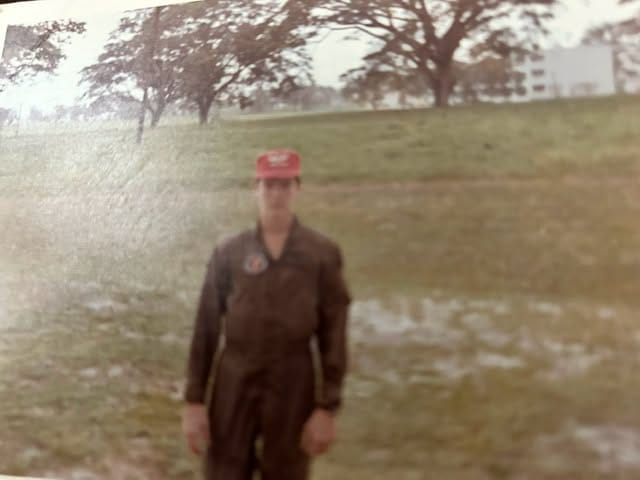
Among the veterans boarding that plane next week: a college student from Louisville who received a draft notice from the White House in 1968 and ended up fighting across Vietnam and Cambodia with the 11th Armored Cavalry's Blackhorse Regiment. A medical specialist who spent four years serving on three continents- Texas, the Philippines, Japan- during an era when women's military service was rarely acknowledged, let alone celebrated.
Their stories are different. Their branches are different. Their experiences are different. What many of them share is the homecoming they didn't get.
Vietnam veterans were sometimes advised not to wear their uniforms in airports. A country divided by the war they'd been ordered to fight wasn't always waiting with gratitude on the other side. That reception, or the absence of one, left a mark that hasn't fully faded.
Decades later, it shows up in a place you might not expect: in veterans' resistance to accepting a free trip to Washington, D.C.
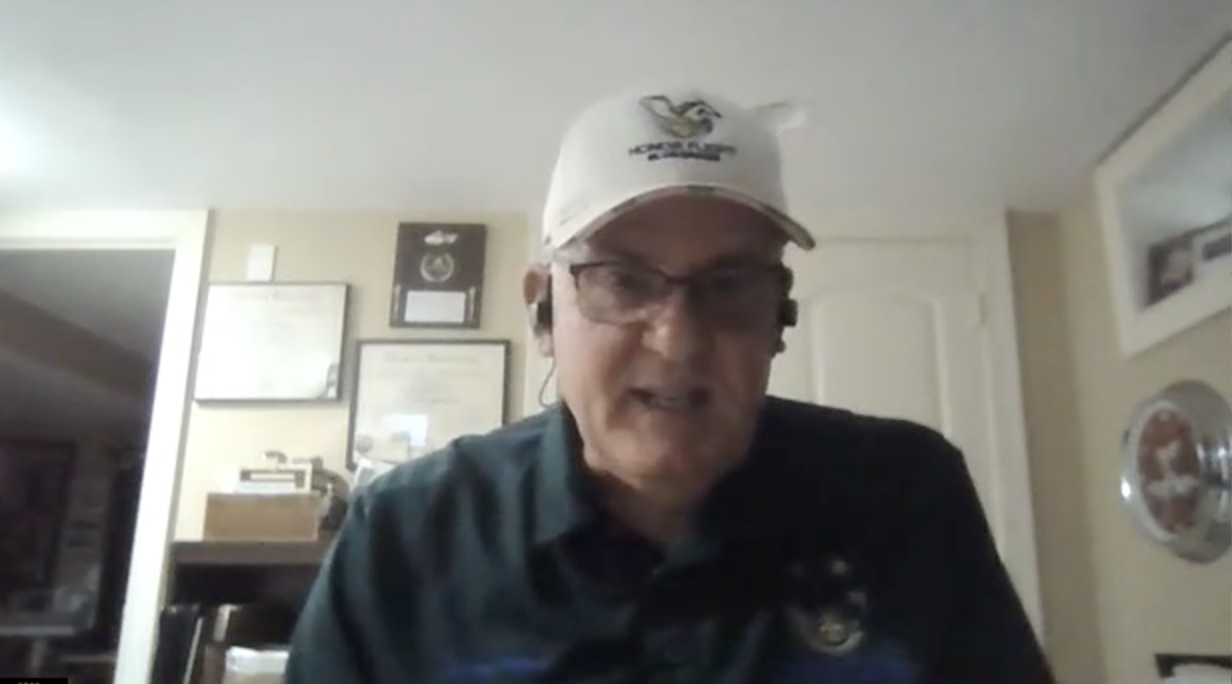
Greg Dillon has been involved with Honor Flight since around 2012, first as a first responder medic, then as a guardian, and now as board chairman. He's watched the demographics shift flight by flight- and he's noticed something about the Vietnam veterans.
"Some are nervous," he told me. "I think that some of our Vietnam veterans aren't sure how they're going to react when they get to Washington, D.C. They seem maybe more quiet, more calculating about how they're going to react."
Some simply don't show up on the wait list at all. When volunteers approach veterans at VFW posts, grocery stores, gas stations- veterans sporting a cap or a pin- they sometimes hear the same thing.
"I don't think that's for me." "I was just a cook." "I handled paperwork." "I didn't really do anything."
Dillon pushes back on that framing. It's actually one of Honor Flight's core beliefs. He says it doesn't matter how you served; the fact that you did is enough for them.
"You did if you were combat, and you did if you were not combat," he said. "We raise our hand and join, and a lot of us didn't get to select where they put us," Dillon explained, a veteran himself. "We're all one."
That hesitancy he hears isn't just modesty. It's the long shadow of a homecoming that told an entire generation of veterans, in ways large and small, that their service was something to be ashamed of rather than honored. That message burrowed deep. Fifty-plus years later, it's still affecting whether a veteran will accept a free trip to see their own memorial.
Kelli Oakley, a board member who has staffed multiple Honor Flights, has watched this shift up close.
"I've seen Vietnam veterans go from grumpy old men to just super grateful, sappy sweethearts," she said with a laugh, "and they all deserve it."
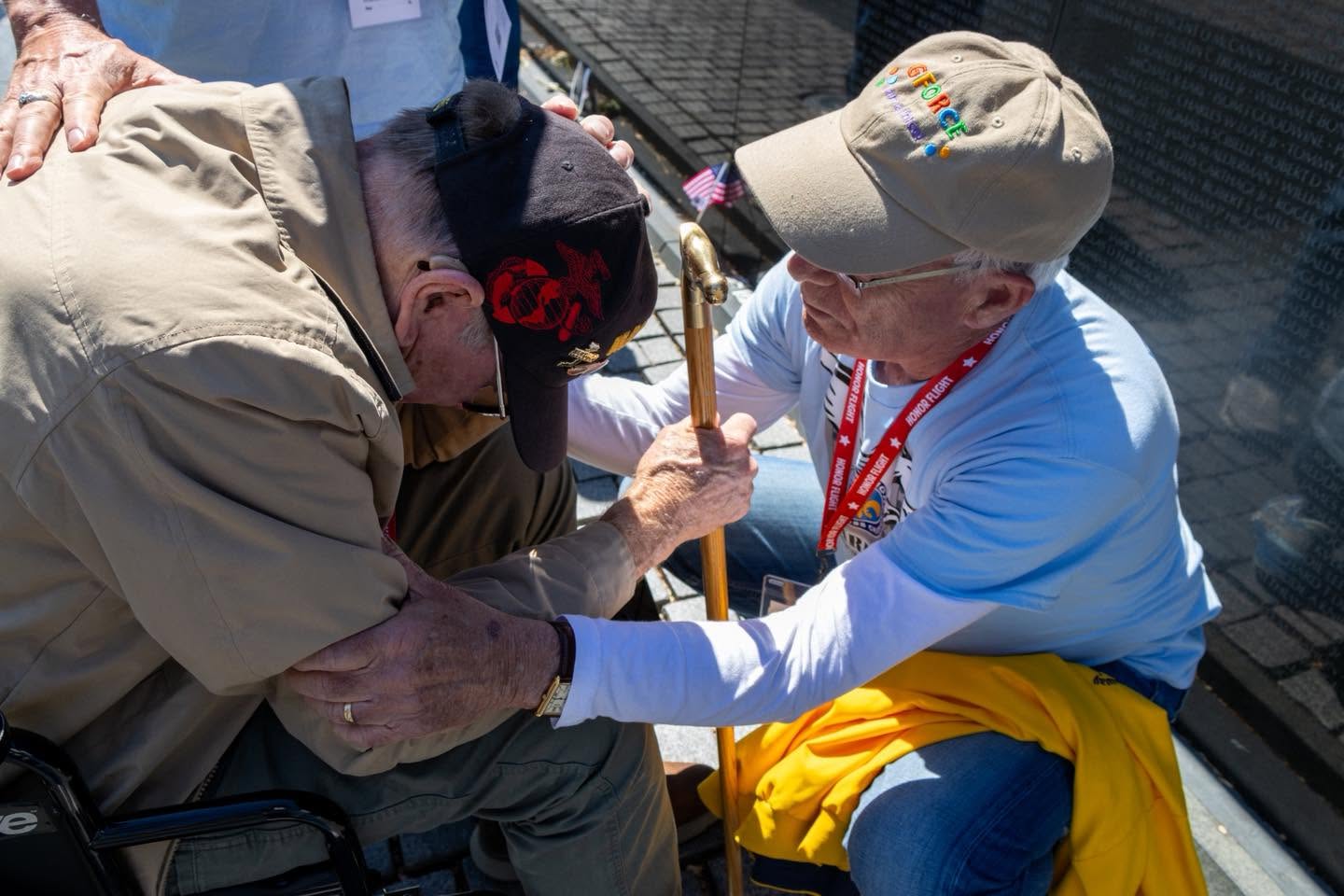
Oakley describes the emotional experience of a Vietnam-heavy flight differently than other Honor Flight Bluegrass trips.
"With Vietnam veterans, it's just a roller coaster ride of emotions," she said. "We see a lot of us just being a shoulder to lean on. We see a lot of tears. We didn't really see a lot of tears with World War II. Not these kinds of tears."
The physical reality of the flights has shifted too. Honor Flight Bluegrass is bringing more than 50 wheelchairs on the September 29th flight- a logistical reality that reflects something harder to quantify.
"The health of our Vietnam veterans- it's really sad," Oakley said. "We just see some tough stuff. Tough stuff on the mental and physical health, and then the emotions."
The hurt is real. For some, it's a painful trip down memory lane. But the healing is real, too.
One moment that describes that perfectly: a wife whose husband had been on a flight. "I just feel like I have my husband back," Oakley remembers her sharing after the flight.
She paused. "And I'm getting emotional just remembering that one."
The day itself begins before most people are awake. Ground crew arrives at Louisville Muhammad Ali International Airport at 3:30 in the morning. Veterans and guardians show up at 5. After registration, a prayer, and a send-off from the mission directors, they board the plane and land at Reagan Airport- where a welcome from the national Honor Flight staff is already waiting, something the veterans don't expect.
From there, the day moves through the memorials: the World War II Memorial first, where the group photo is taken. Then the FDR Memorial. Then the Vietnam Veterans Memorial.
That is, Oakley says, where everything changes.
"Definitely the wall," she told me, without hesitation, when I asked about the most emotional moment of the day. "Because we have so many Vietnam veterans going now- there's such a mix of emotions down there, and there's a lot of healing down there. For most of them, it's the first time they've been there. For most of them, it's the first time they've seen the name of their buddy on the wall."
She told me about a Vietnam veteran- a woman in a wheelchair- who started at the beginning of the wall and just moved slowly along it, her hand tracing the names.
Oakley asked her what it is about the wall, about those names, that brings healing.
"She said, 'When you touch the wall, you feel like you've touched their souls, and you know that they're okay,'" Oakley recalled.
For years, Honor Flight staff kept their distance at the wall- no cameras, no video, respecting the silence. Then, a few years ago, veterans started asking if someone could walk with them, help them photograph a name. Slowly, carefully, that has evolved.
"It's quiet, and a lot of them will tell their story right there. And then you see them talk through it, and just walk away with their guardians," Oakley described.
The guardian- one assigned to every veteran, whether a family member or a volunteer meeting their veteran for the first time that morning- are critical in those moments. Not to speak, Oakley emphasized. To listen.
The September 29th flight adds something new: because this flight falls in the same month as the 25th anniversary of the September 11th attacks, Honor Flight Bluegrass is incorporating a visit to the 9/11 memorial. The group will travel with a police escort- a logistical necessity when you're moving four buses through Washington D.C.- before returning to Reagan Airport for dinner and, finally, mail call.
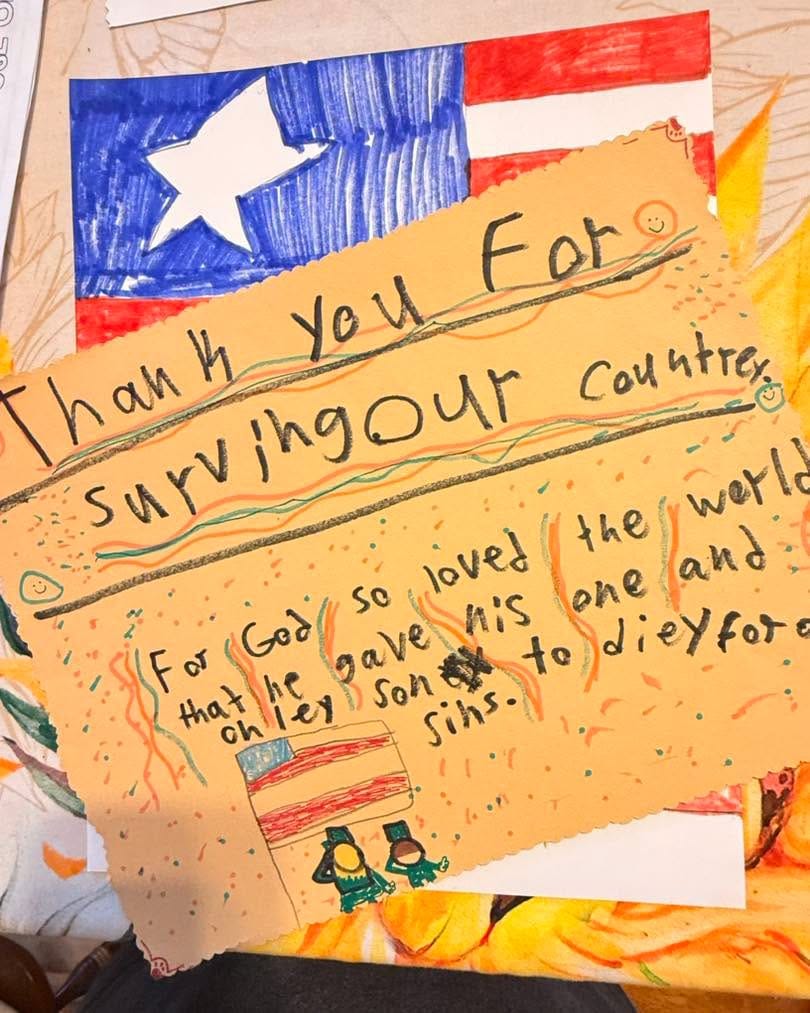
Every veteran on this flight will receive a packet of mail at Reagan Airport before they board the plane home.
Not a card. A packet. Oakley has been processing roughly 5,000 letters and cards- letters from families, from schools, from strangers, from children who sent colored drawings.
"Each veteran is going to get no less than 50 cards and letters," she told me.
She reads them as she sorts. She can't help it.
"I cry at night going through the cards and letters," she said. "There's letters that say, 'Dear Dad, I never told you how much I appreciate your service.' And then when the first and second and third graders- it may just be a colored picture, but it's meaningful."
The packets go home with the veterans. Some hold on to them for a long time. A tangible piece of a day that, for many of them, was a long time coming.
In total, Honor Flight Bluegrass has flown more than 3,200 veterans to Washington, D.C. Nationally, the Honor Flight Network has carried more than 335,000.
The wait list that once stretched years- one that essentially told anyone who wasn't WWII or Korea to come back later- has shortened considerably. The veterans who should be filling those spots aren't always signing up.
"As the lists shorten, we want to recruit," Greg Dillon said. "It happens in the mall. It happens at the grocery store. It happens at the gas station. It happens at the parks. When we see a veteran wearing a cap or a hat, we most of us always ask, 'Have you been on your flight?'"
The horizon is already expanding. Oakley mentioned that the Honor Flight Network recently announced it will eventually begin taking Desert Storm veterans. Still, she's focused on now.
"We still have a lot of Vietnam veterans to go through," she said.
If you know a Vietnam-era veteran- or someone who served between 1941 and 1975- who hasn't been on an Honor Flight, the application is free and always accepting new names.
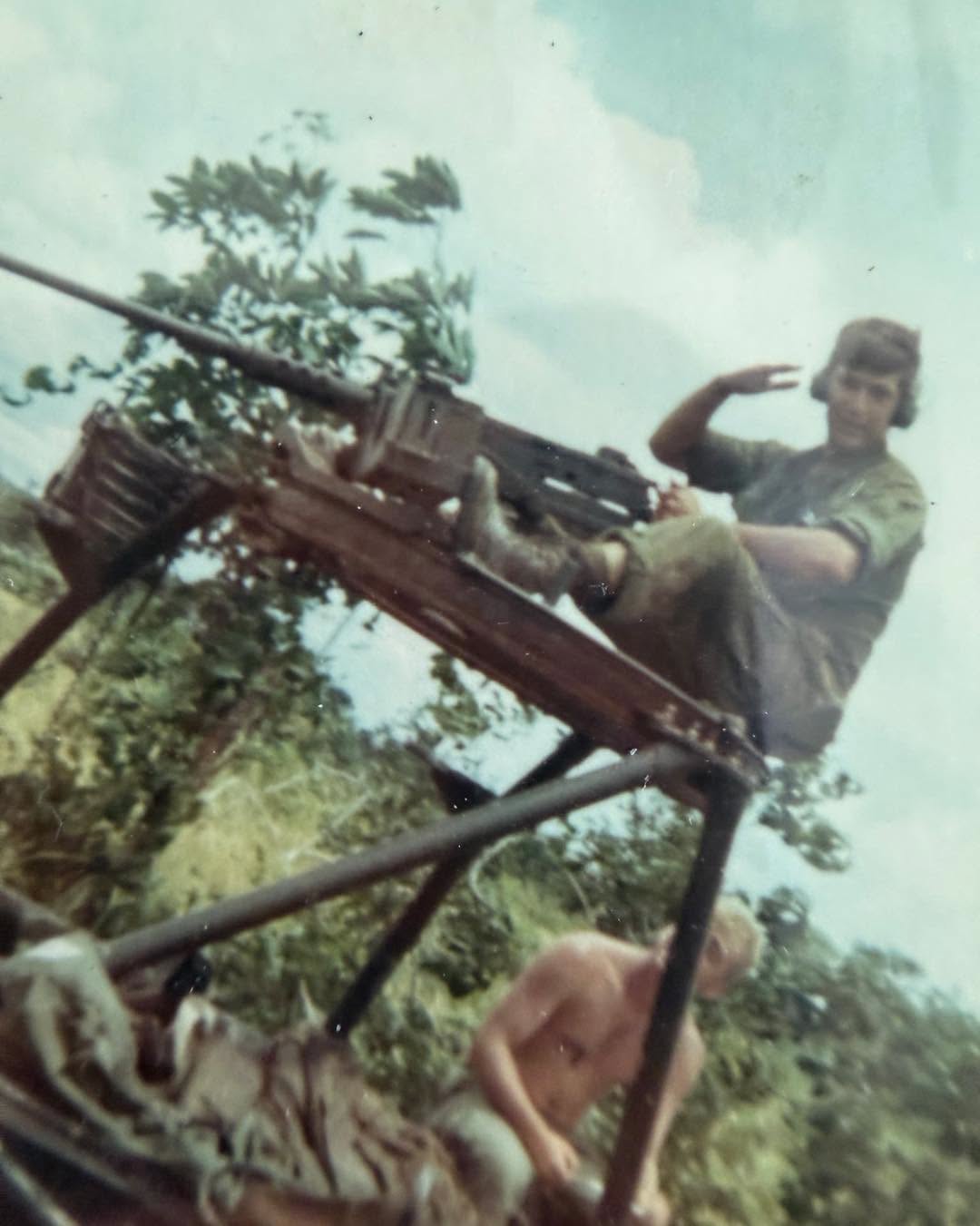
Richard Evola, Louisville | U.S. Army, 1969–1970
Richard Evola was a college student in Louisville in 1968 when a letter arrived from the White House. He'd been drafted.
He did his Basic and AIT training at Fort Knox, then flew out of San Francisco via TWA in 1969, landing in Long Binh, Vietnam. He reported to F-Troop, 2nd Squadron, 11th Armored Cavalry Regiment- the Blackhorse Regiment- and fought across Vietnam and into Cambodia alongside Australian tunnel specialists and South Vietnamese interpreters.
He was wounded in combat. He returned to duty. He finished his tour. "I was proud to serve my country- God Bless America."
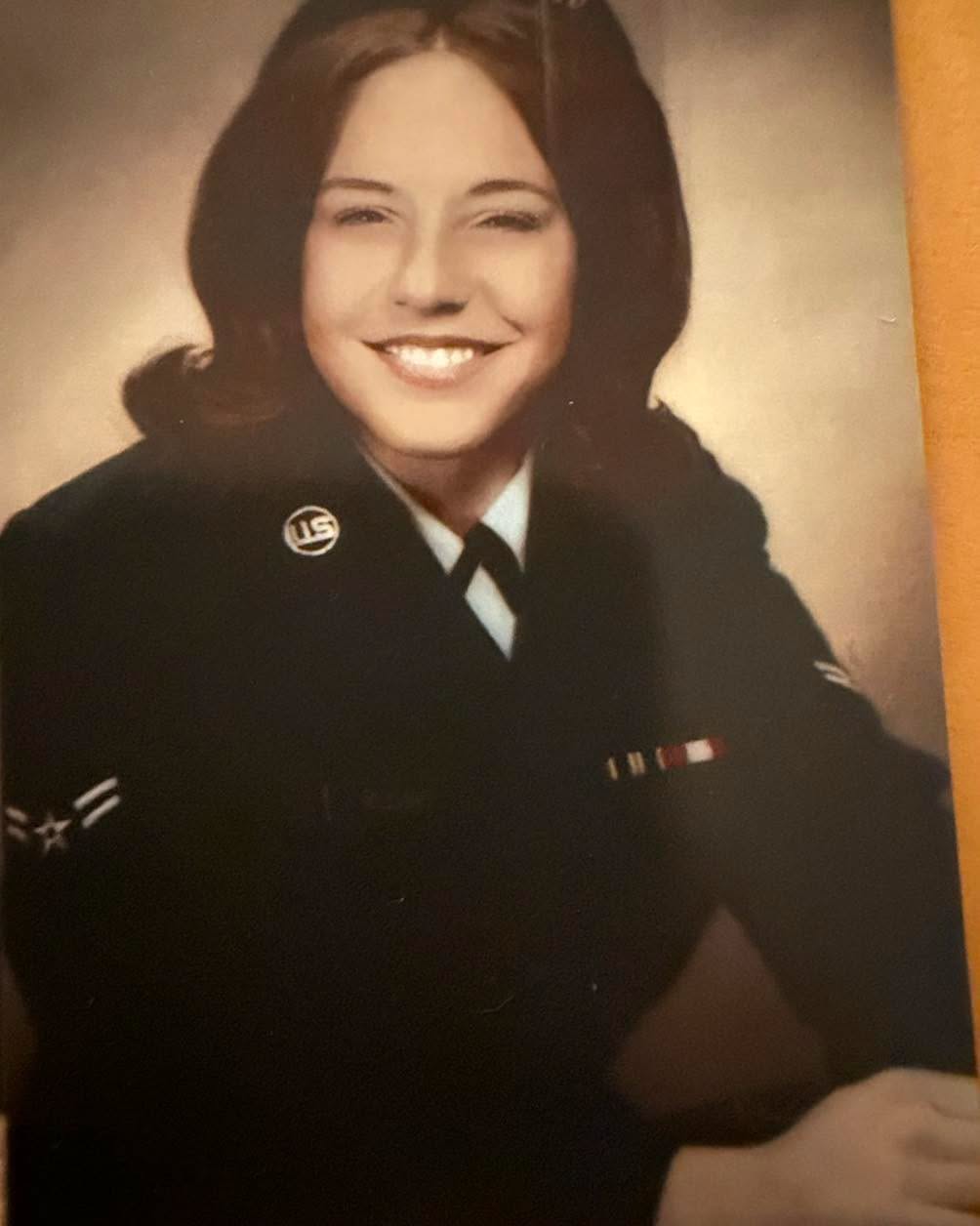
Donna Williams | U.S. Air Force, 1971–1975
Donna Williams served four years as a Medical Service Specialist- four years that took her from Texas to the Philippines to Japan to Texas again.
She reported to Sheppard Air Force Base in Wichita in October 1971. By December 1972, she was at Clark Air Force Base in the Philippines. In between, she attended NCO Leadership School at Kadena Air Base in Okinawa. She finished her service at Bergstrom Air Force Base in Austin in May 1975.
In an era when women's military service was rarely celebrated- and Vietnam-era service was actively dismissed by much of the country- Donna Williams showed up, moved across the world, and did the work.
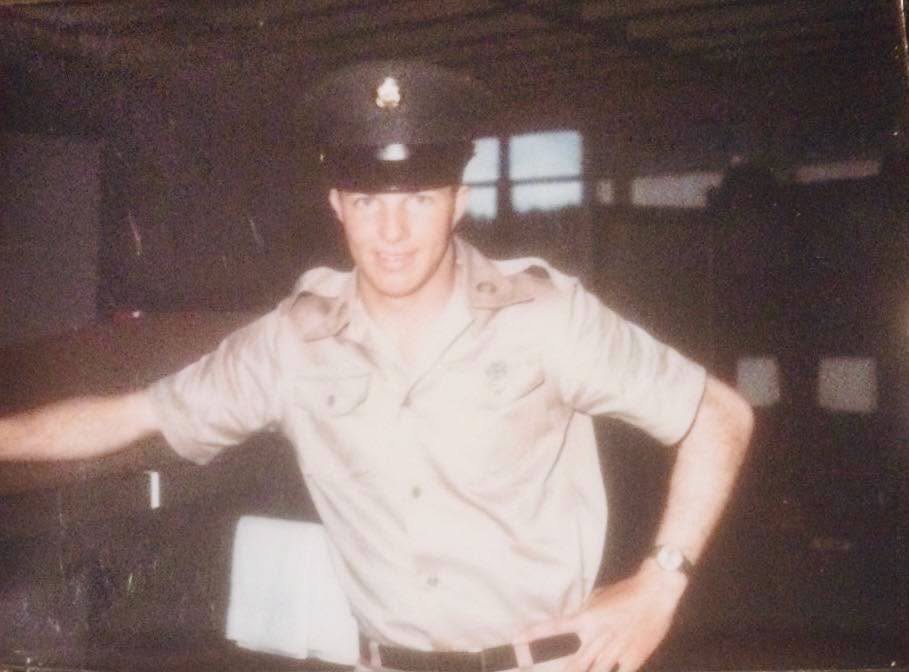
Gene Williams, La Grange | National Guard, 1965–1972
Gene Williams is 79 years old and has never stopped being proud of the years he gave to the National Guard. He served his community and his country for seven years- not in a far-off jungle, but close to home, in the way the Guard was designed to work. That kind of service is sometimes overlooked in the broader Vietnam narrative. Williams doesn't overlook it. Neither will this flight.
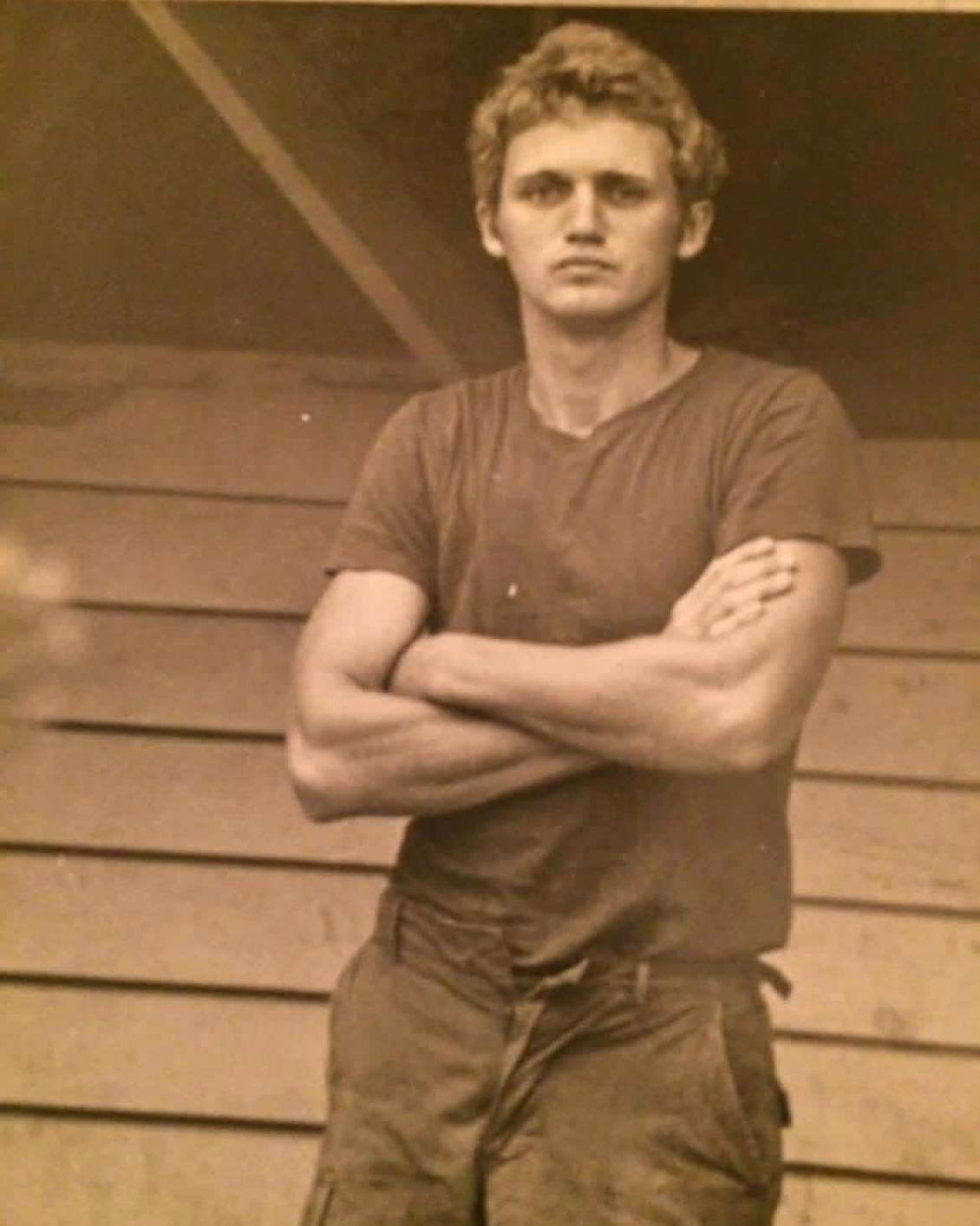
Donald Rowe, Louisville | U.S. Army, 1969–1971
Donald Rowe was drafted in September 1969 alongside several of his Southend neighborhood friends- a detail that says something about how the Vietnam-era draft touched entire communities at once, not just individuals.
On his first day, he sat down in the barber's chair and did what any young man might do: he asked for a little off the sides. "Only to immediately receive my first military buzzcut," he recalled.
After Basic Training at Fort Knox and Advanced Individual Training at Fort Benjamin Harrison, Rowe deployed to Cam Ranh Bay, Vietnam, where he served in the 92nd Finance Section for 11 months. He came home, used the GI Bill, and built a five-decade career in real estate. He and his wife have been married 46 years. They have two daughters and four granddaughters.
"I got off lucky," Rowe said. "No harm. I gained maturity, but more importantly, the satisfaction of serving my country. That pride still remains with me today."
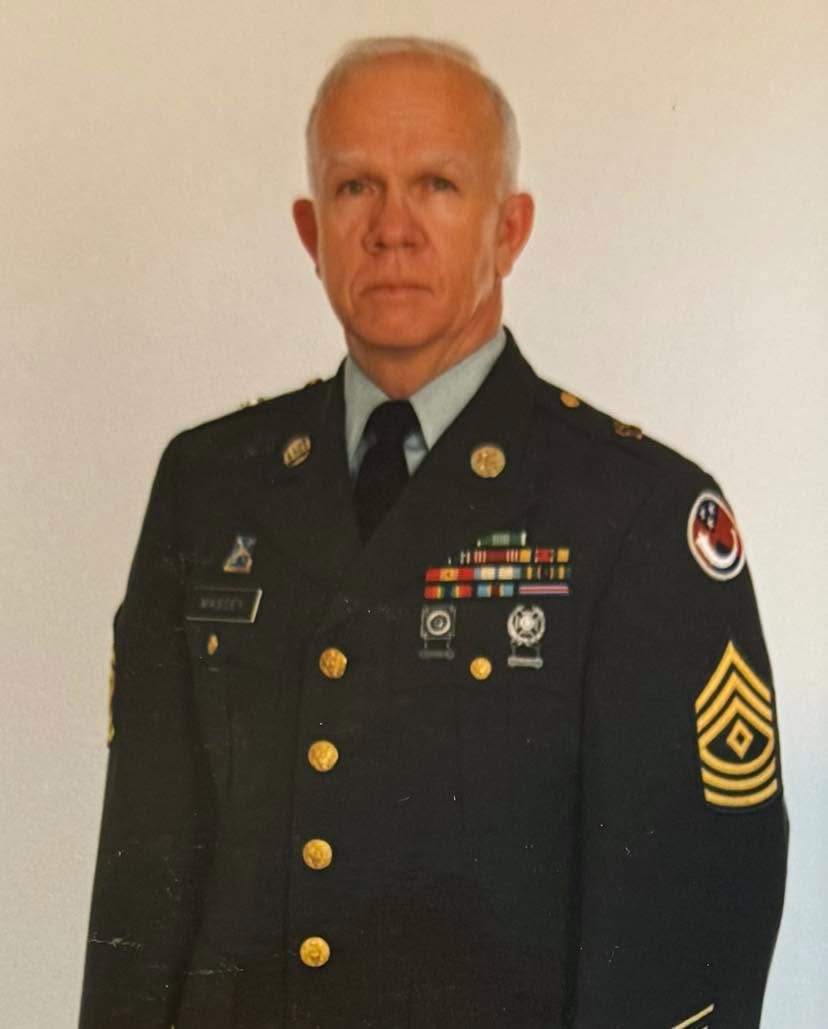
Lee Massey | Army Security Agency / Counter Intelligence, 1963–2001
Lee Massey didn't just serve during Vietnam. He made the military his life. His career spanned nearly four decades and took him to England, Japan, Panama, Honduras, and beyond. He spent five years at RAF Menwith Hill and with British intelligence at GCHQ, then later joined the 335th Counter Intelligence Company and served as an instructor at the Reserve Intelligence School at Fort Devens. He also served with the 20th Special Forces Group in the Kentucky National Guard.
His service stretches across eras and continents- the kind of career that's easy to summarize in a list but impossible to fully capture in one.
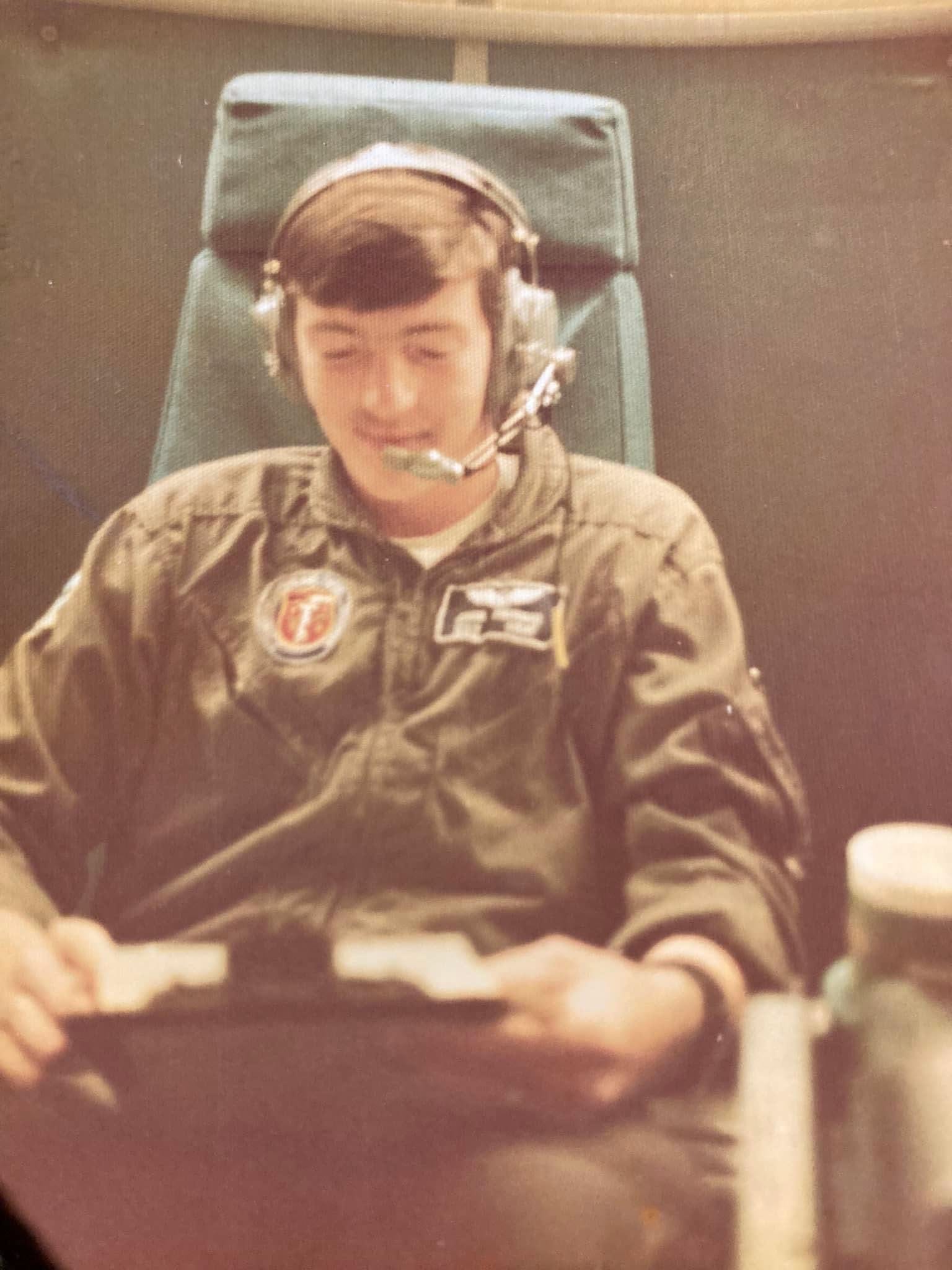
John Meadors | U.S. Air Force, 1972–1981
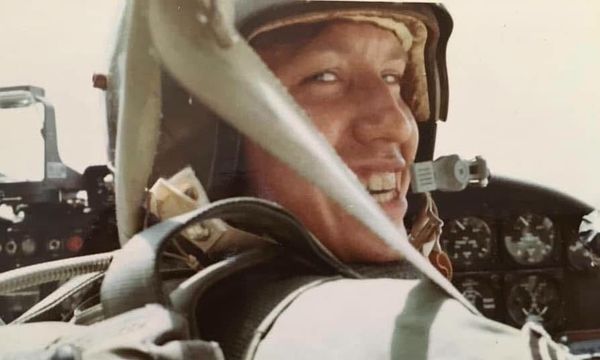
John Meadors spent a key stretch of his Air Force career in the air- literally. From 1974 to 1975, he served with the 7th Airborne Command and Control Squadron as an Airborne Aircraft Controller, flying missions out of Korat, Thailand, and Clark Air Force Base in the Philippines.
His service puts him at one of the less-discussed theaters of the Vietnam era: the air operations hub that extended well beyond Vietnamese soil.
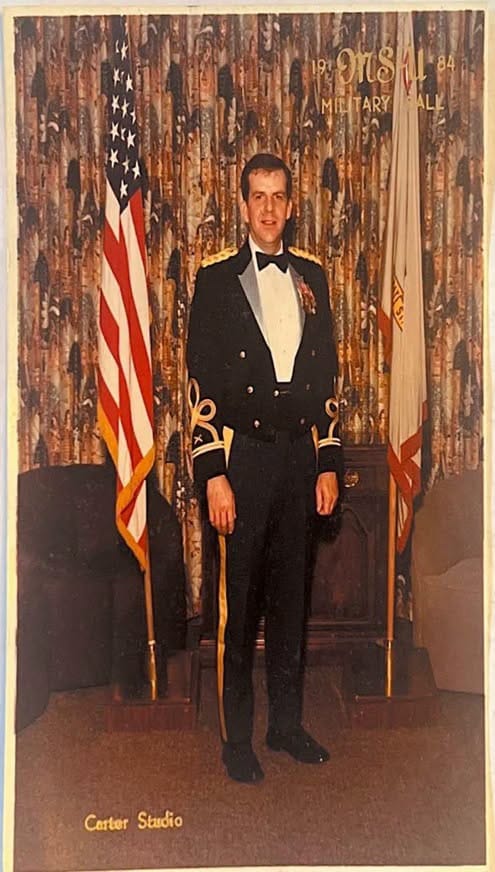
Dan Farris, Graves County | U.S. Army, 1966–1989
Dan Farris was drafted by the Graves County, Kentucky board in September 1966. He left as a Lieutenant Colonel 23 years later.
In between: Officer Candidate School at Fort Benning. A platoon command with the 25th Infantry Division in Vietnam in 1968-69. A Pentagon posting. A senior advisor role with the 92nd Vietnam Ranger Battalion. ROTC instructor duties at Kemper Military School and Murray State. Airborne Ranger certification. Counterterrorism instructor training. The Army War College.
His decorations tell part of the story: Bronze Star with V device and Oak Leaf Cluster, Purple Heart, Vietnamese Cross of Gallantry, Combat Infantryman's Badge.
Drafted from a small western Kentucky county. Retired a decorated officer. His is a biography of American military service in its fullest form.
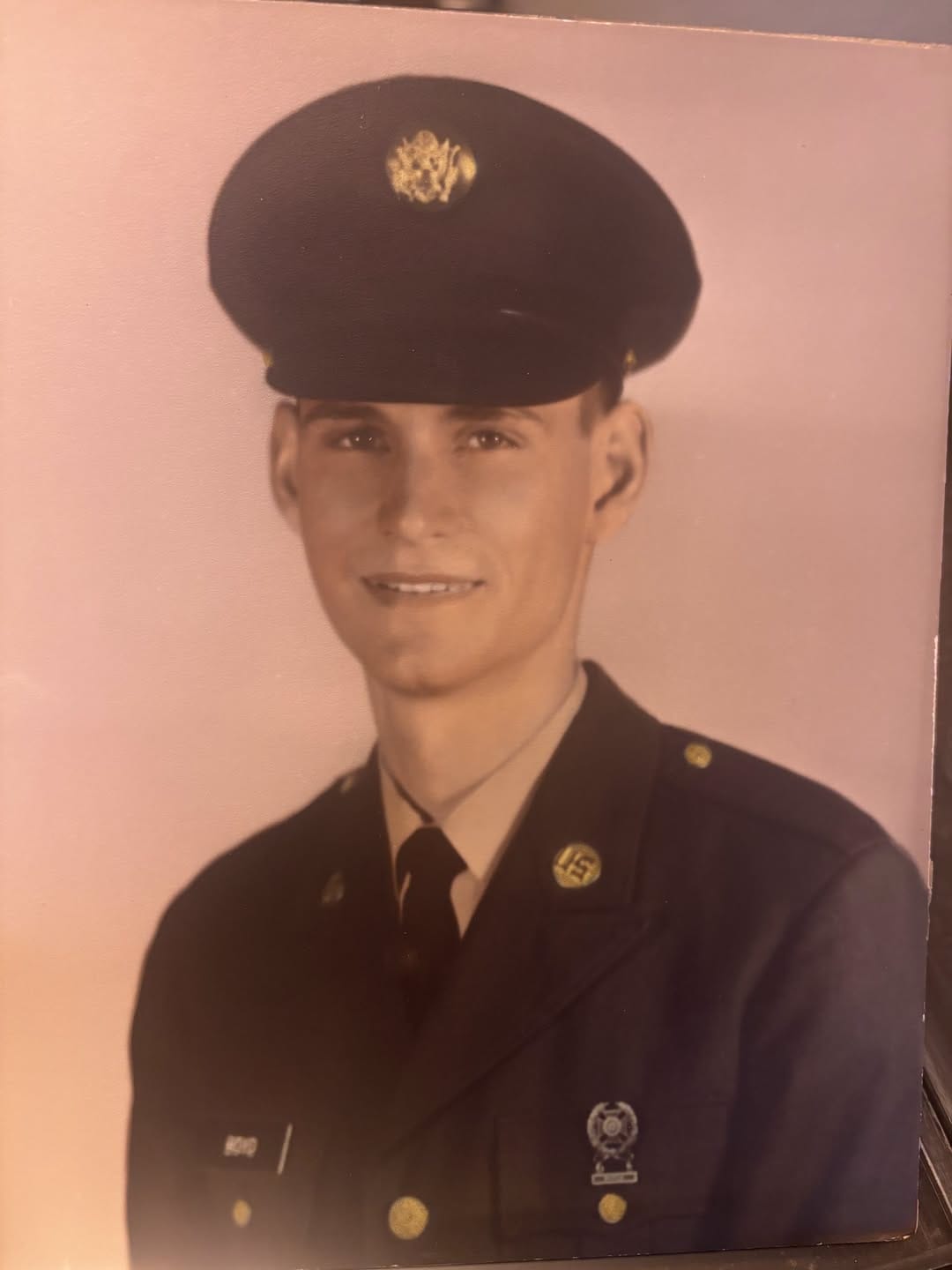
Roy "Andy" Boyd | Army Security Agency, 1968–1972
Andy Boyd enlisted in the Army Security Agency 37 days after his wedding.
After basic training at Fort Jackson and AIT at Fort Gordon, he deployed to Nha Trang, Vietnam, arriving April 30, 1969- and returning exactly one year later, on May 1, 1970. He finished his service at Herzo Base in Germany, earning the rank of Sergeant E-5.
He and his wife made a decision early on not to have children.
They have five children and 15 grandchildren.
"They never changed their minds," reads his biography- one of those small, warm sentences that says everything about a life well-lived. Boyd and his wife have been married 58 years.
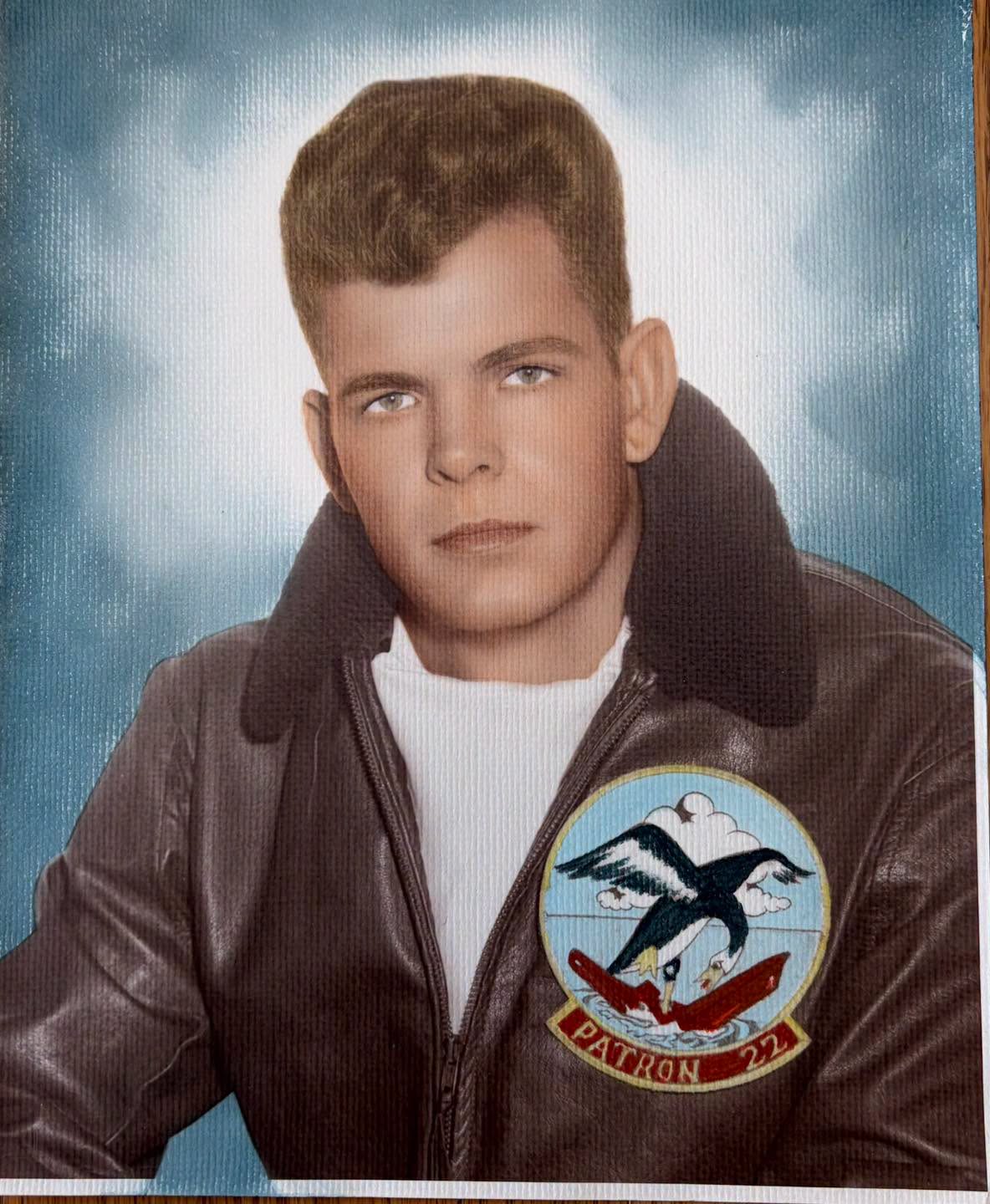
Bobby J. Bridges | U.S. Navy, 1962–1966
Bobby Bridges flew. As an Aviation Anti-Submarine Warfare Technician, Second Class, he served as an air crewman during a period when the Navy's reach extended across the Pacific. His is a less-told corner of Vietnam-era service- airborne, technical, and often invisible in the broader popular memory of the war.
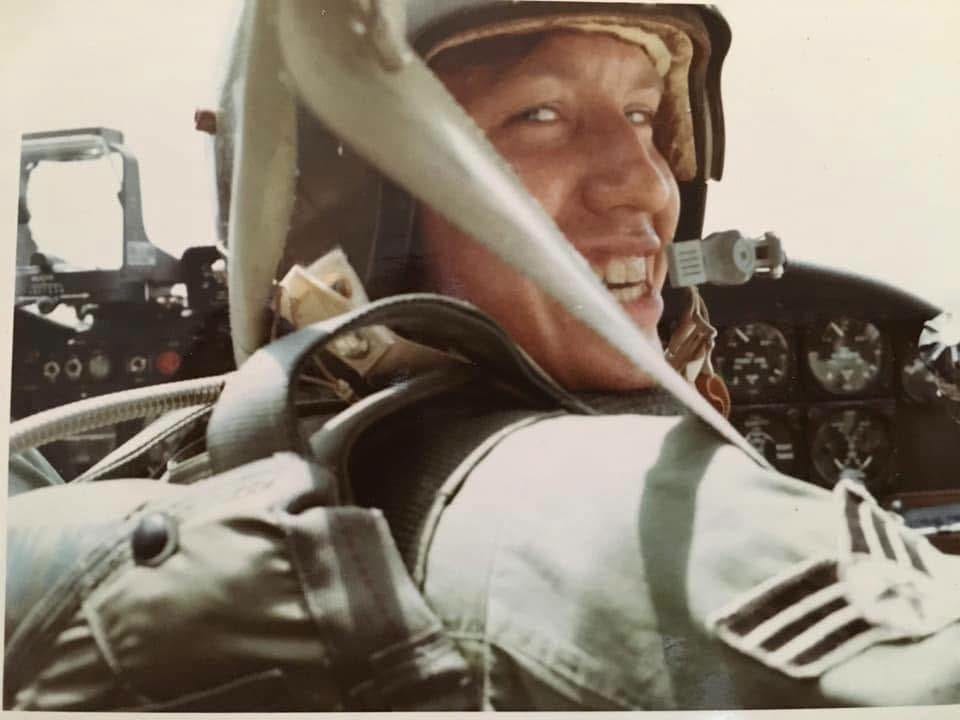
Paul VonSick Jr. | U.S. Air Force, 1967–1972
Paul VonSick Jr. served five years in the Air Force during one of the most turbulent stretches of the Vietnam War. He is among the dozens of veterans on this flight who quietly did their part and came home to a country still arguing about the war they'd served in.
Franklin Thomson Jr. | U.S. Navy / Seabees, 1963–1992
Franklin Thomson joined the Navy Reserve Seabees just a few months after turning 17. What followed was 30 years of service. Boot camp. Mechanic school. Active duty. GTMO, Cuba. Rota, Spain. Vietnam. And then decades more in the reserve, rising to the rank of Command Master Chief, E-9, before retiring in 1992.
"I proudly retired in 1992 with 30 years," Thomson said. He is not a man who did the minimum.
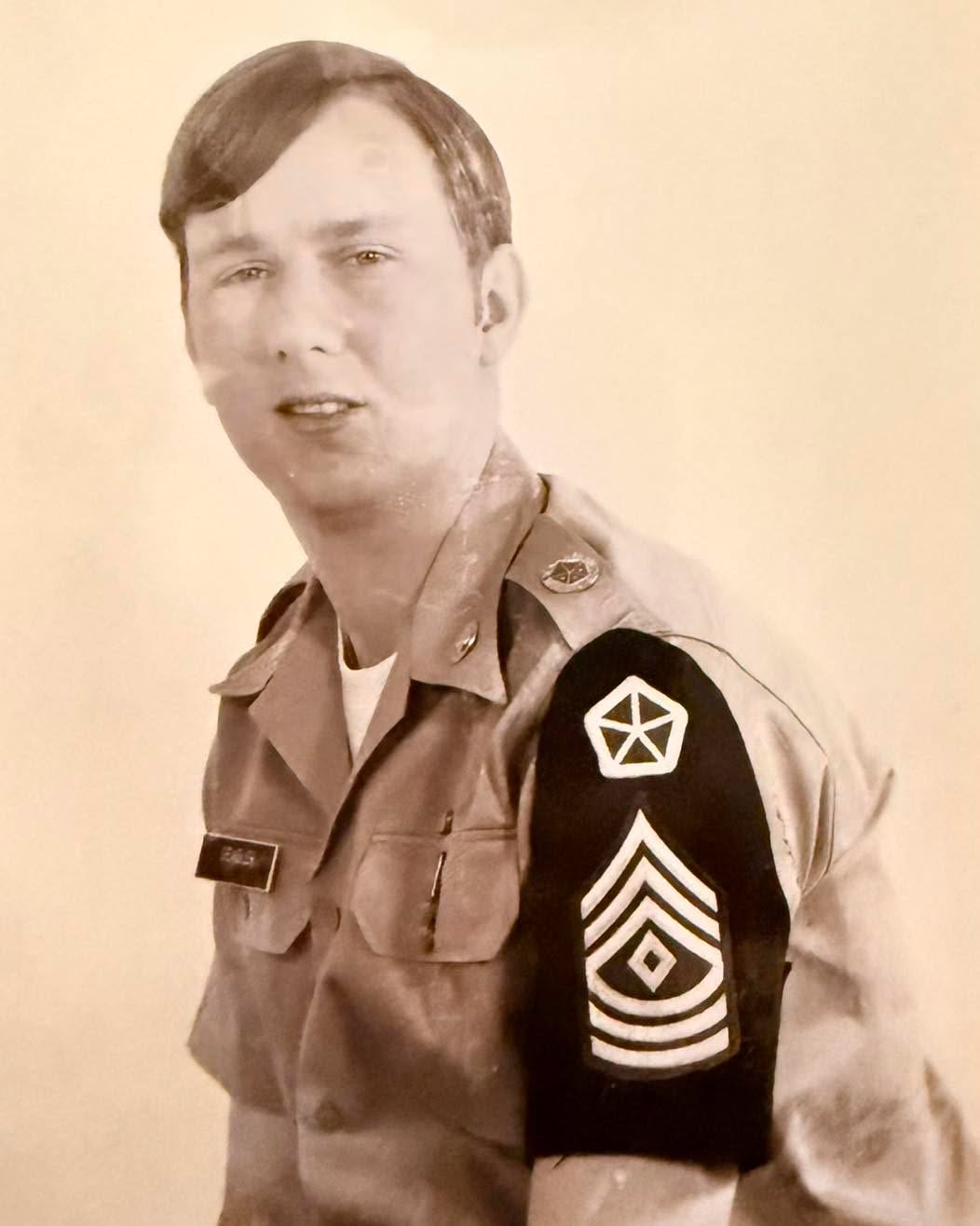
Charles William Seadler | U.S. Army, 1971–1972
Charles Seadler was drafted into the Army about a week before his 21st birthday in February 1971. He took basic training at Fort Knox, worked as a company clerk and mail clerk at Fort Benning, then received orders to Frankfurt, Germany- where he traveled, met soldiers from across the country, and, by his own account, genuinely enjoyed himself.
"I can say that I enjoyed my time spent in the military," Seadler wrote. "It was good to have had that experience at such a young age."
He was discharged three months early and came home in November 1972. "Proud to have done my part."
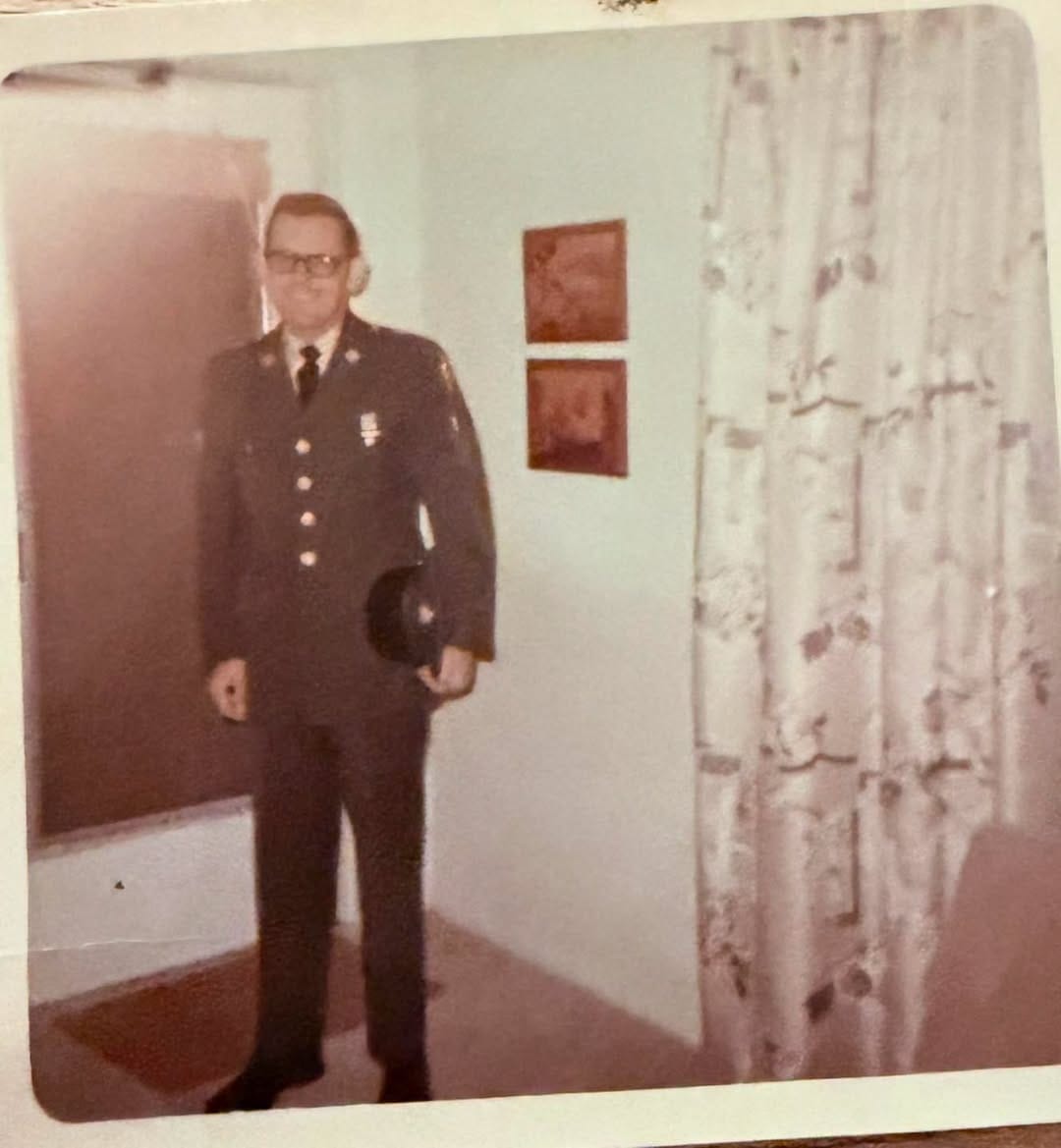
Larry Guy Higginbotham | U.S. Army, 1964–1967
Larry Higginbotham began with Basic Training at Fort Jackson, South Carolina, and ended up in Verdun, France, serving as a Military Accounting Specialist. His service took him to one of the most historically significant cities in the world- a place where American and Allied sacrifice is written into the landscape itself.
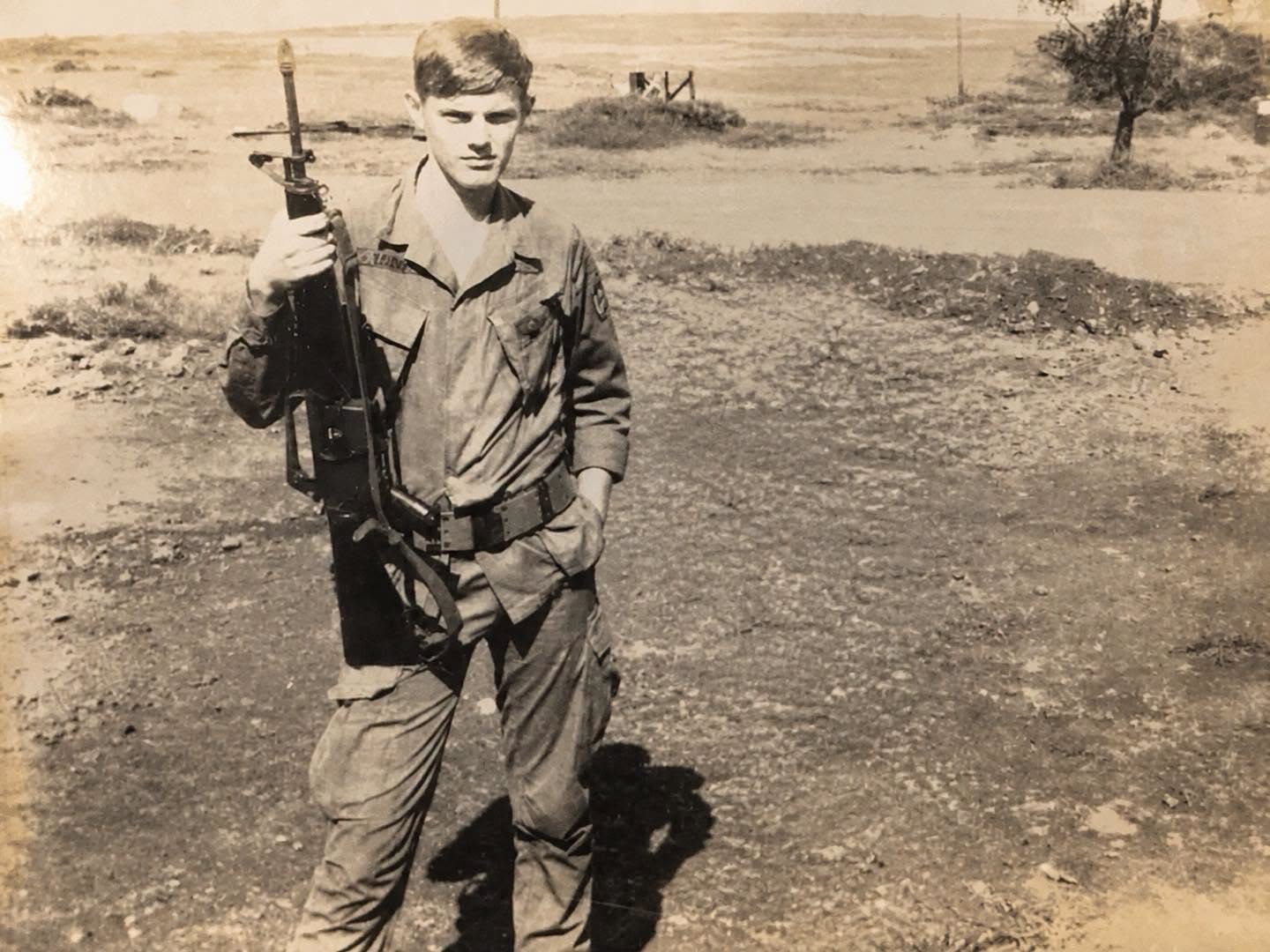
Randy Young | U.S. Air Force, 1969–1972
Randy Young enlisted in January 1969, trained in electronic surveillance and flight control in Biloxi, Mississippi, and within a year was on the ground in Pleiku, Vietnam.
What came next reads like a tour of the Cold War map: Sacramento. Korat, Thailand. Kwangju, Korea. Keflavik, Iceland. In 1972, he transferred to Buckley Air National Guard in Colorado and was discharged in December of that year.
In four years, he flew missions and performed surveillance work across three continents. He kept moving. He kept serving.
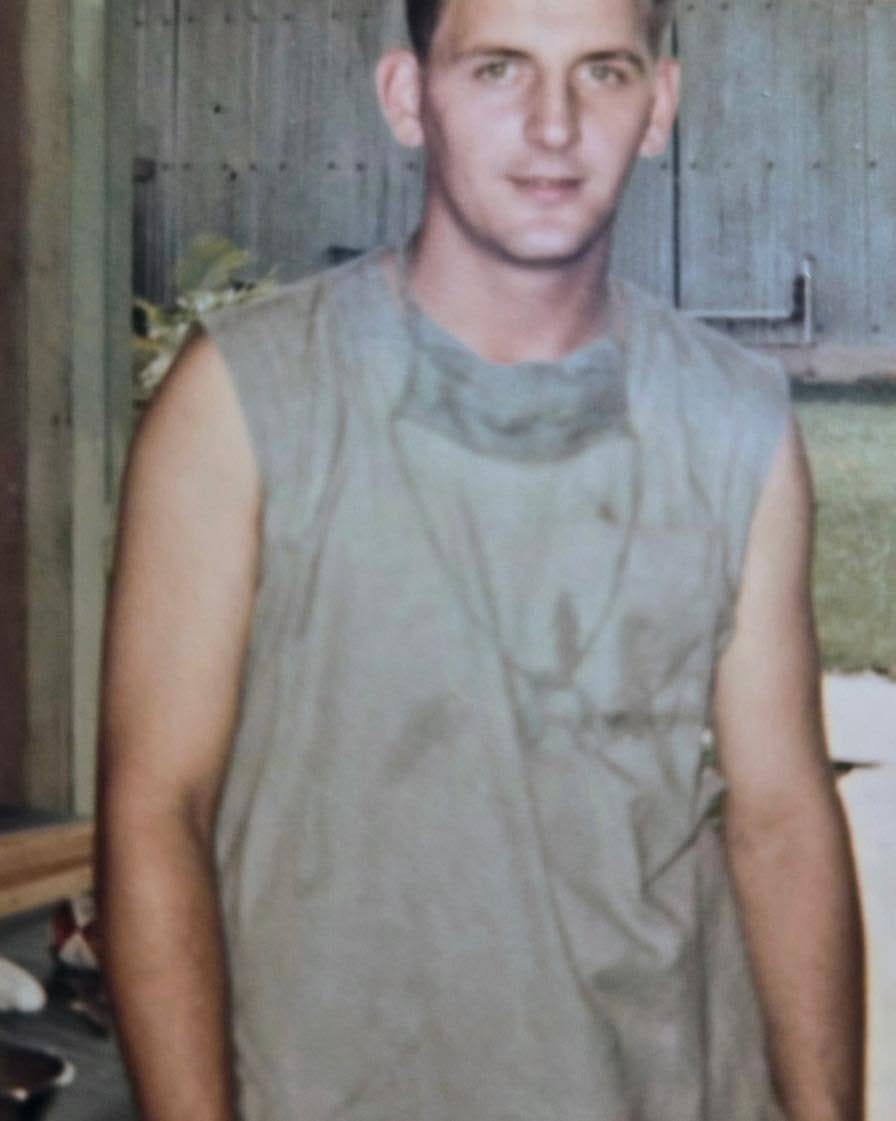
Donald Glynn Carpenter | U.S. Army, Combat Medic, 1966–1969
Donald Carpenter was a Combat Medic and X-ray Technician in a MASH unit- Company A, Special Forces, Bien Hoa, Vietnam. His job was to keep people alive in the middle of a war.
In January 1969, during the Tet Offensive, North Vietnamese forces fired on an air base adjacent to his medical unit and struck an ammunition dump. The explosion was massive enough to move the walls of the hospital four inches.
His unit was unharmed. And then, as he put it, they got extremely busy treating the casualties. That is what it meant to be a combat medic in Vietnam.
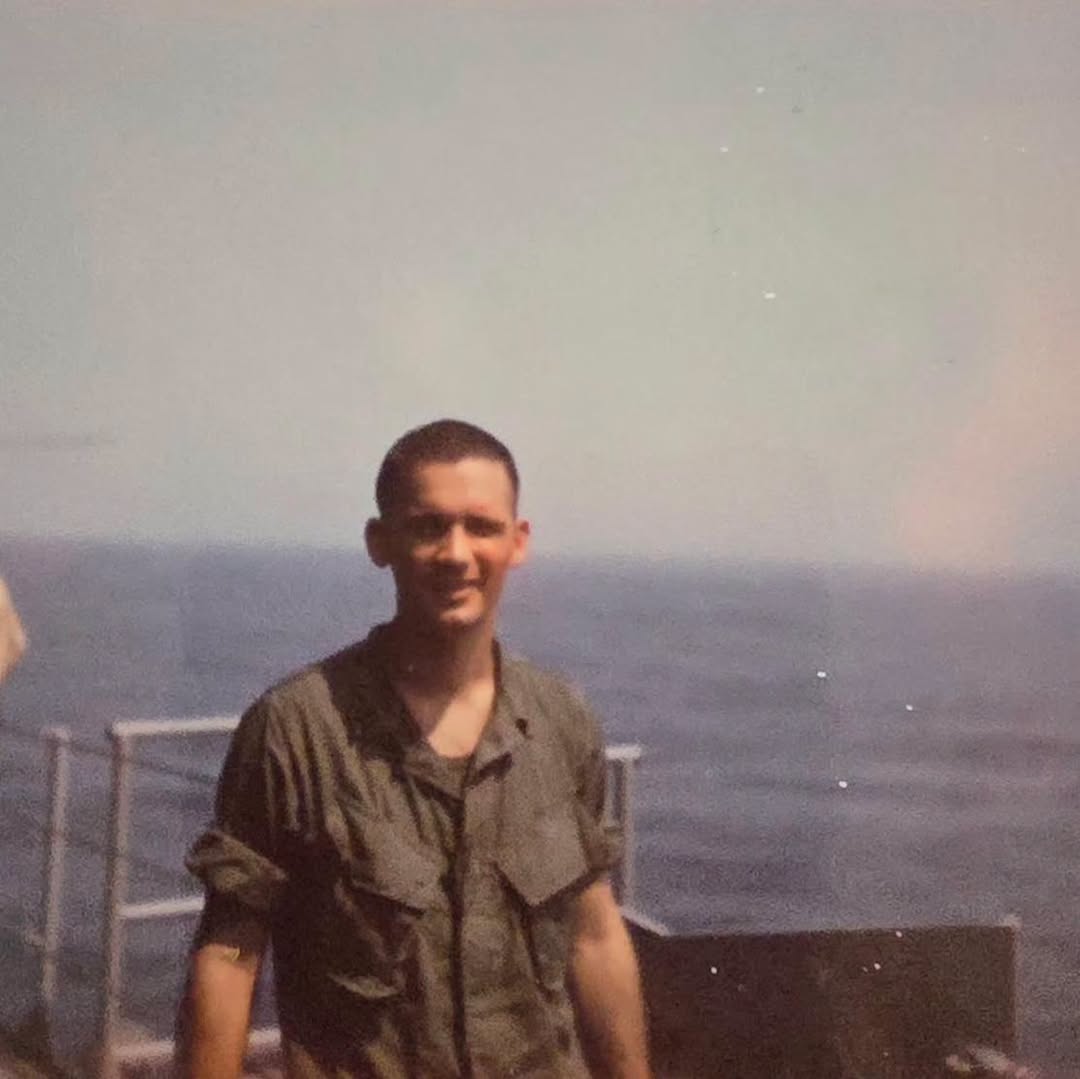
Clifton David Samuels | U.S. Marine Corps, 1960–1969
Clifton Samuels served nearly a decade in the Marines, including a tour in Vietnam from 1967 to 1968 with the 3rd Battalion, 1st Marine Division. He also spent three and a half years in the Far East and three years in Spain- a career that stretched across multiple continents during one of the most volatile decades in modern history.
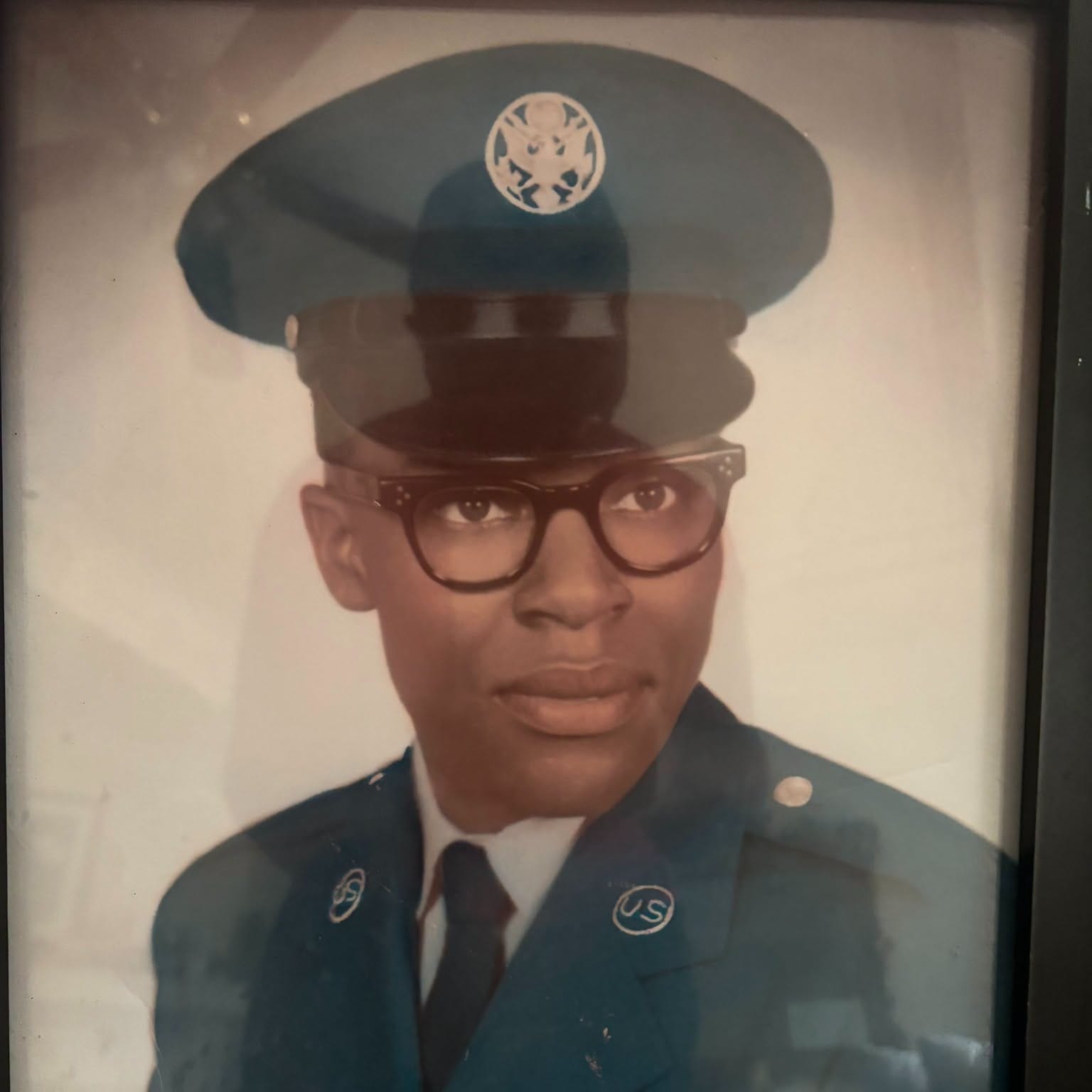
James H. King Sr., TSgt., USAF (Ret.) | U.S. Air Force, 1961–1982
James King enlisted in the Air Force in December 1961 because he wanted to learn a dependable trade and build a better life.
He did both- and then some.
Over more than two decades, King served as a heavy equipment mechanic, completed a tour in Vietnam from 1966 to 1967, and was stationed at bases from Puerto Rico to Alaska. You can almost trace his assignments by where his four children were born: Maine. New York. Missouri. Texas. He retired from Elmendorf Air Force Base in Alaska in 1982, earned a Presidential Unit Citation and Outstanding Unit Award, and then spent more years carrying mail as a letter carrier before finally stepping back.
He still tends his garden. He still helps neighbors with their cars. And he still believes Vietnam veterans have never received enough credit.
"The Honor Flight," he said, "is an opportunity to connect with other retired veterans, share in their fellowship, and receive the recognition that he and his fellow service members so richly deserve."
He is right.
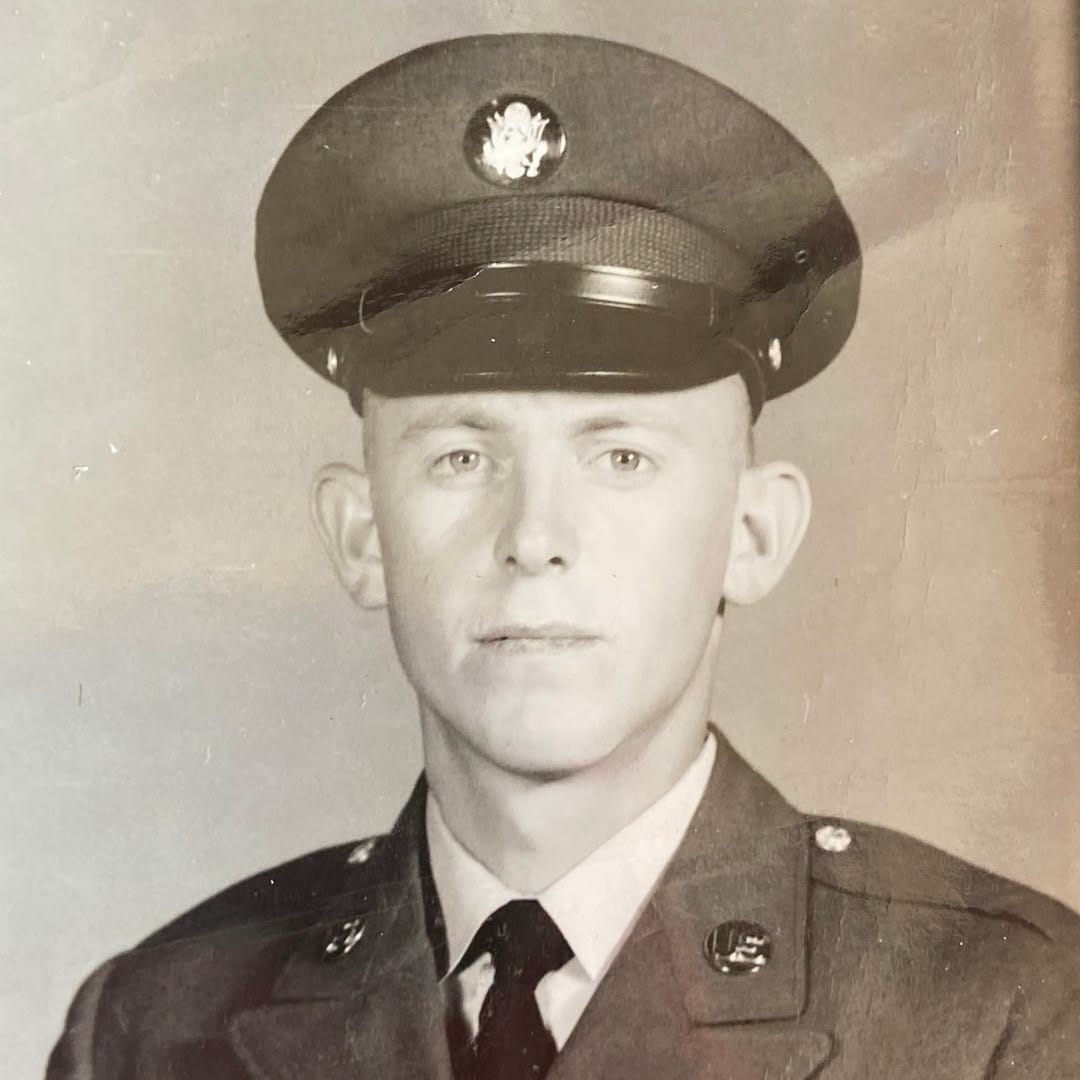
Larry D. Taylor | U.S. Army / Army Security Agency, 1964–1968
Larry Taylor enlisted voluntarily because he knew the draft was coming and wanted some say in his fate. That choice landed him in the Army Security Agency- which came with a catch: instead of the standard three-year enlistment, the ASA required four.
After Basic Training at Fort Jackson and advanced training at Fort Devens, Taylor received orders to Vietnam. Two weeks before his departure, those orders changed. He was sent instead to Chitose, Japan, where he served for two years. He finished his four years at Two Rock Ranch in Petaluma, California, and completed his service as a Sergeant E-5.
He has never stopped being proud of it.
If you'd like to be part of the welcome home on September 29th, no registration is required. Just show up at Muhammad Ali International Airport around 10 p.m.
Like what you see? Learn more about Shay Informed here! This is honest journalism with compassion and clarity.