Please touch! Louisville's new museum breaks the oldest rule in the book
– 13 min read


The Dot Experience was designed to be the most inclusive museum on Earth, and its director says he doesn't want to hold that title for long.
I'm Shay McAlister, and this is Shay Informed: an independent, ad-free platform dedicated to honest journalism with compassion and clarity.
Are you new here? Sign up for the free weekly newsletter or subscribe to support the mission and access in-depth investigations, exclusive interviews, and podcasts reserved for paid subscribers.
Nearly every museum has the same unspoken rules: keep your hands to yourself, stay behind the rope, don't touch the glass.
The Dot Experience is built on the opposite idea.
Inside the new museum at the American Printing House for the Blind (APH), visitors are expected to touch almost everything. They can run their hands over a full-scale replica of the first American guide dog. They can feel a finger-spelled word pressed into the palm of a sculpted hand. They can sit beside a piano a young Stevie Wonder once played. Where an artifact is too fragile to handle, a tactile replica sits beside it, so blind and sighted visitors get the same experience.
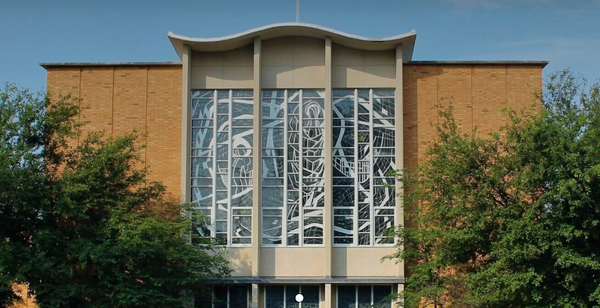
The museum opens to the public Friday, Oct. 30, on Frankfort Avenue in Clifton. It is the centerpiece of a $55 million campus expansion at APH, with $22 million going to the new building, which is roughly five times larger than the nonprofit's previous museum.
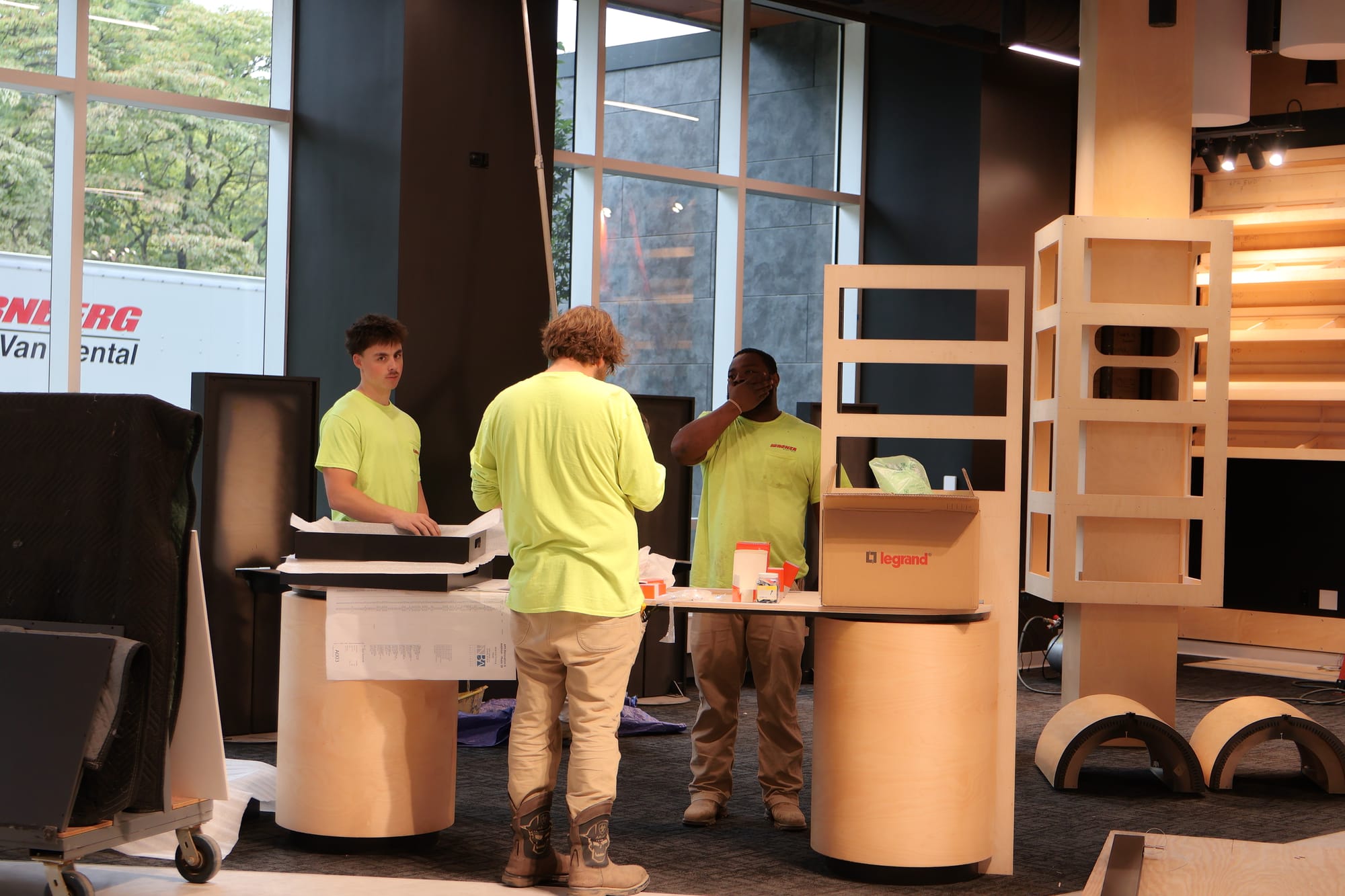
I got an hour-long walkthrough of the museum this week while crews were still working. Walls were being prepped for graphics, lighting wasn't finished, and machines were still being installed. Even unfinished, the building makes its purpose clear. It was designed so a person who is blind, low vision, deaf, deafblind, autistic, or who uses a wheelchair can move through every gallery alone, without a guide and without asking for help.
"It's all in the name," said Darrick Wood, director of The Dot Experience.
Wood has worked in many museums, and he describes the traditional model plainly. "We know what we're supposed to do in museums, right? We muse," he said. "You wander around usually with your hands behind your back... you absorb the art or the artifacts, or you hear the story from the docent. But then you go back to your normal life."
He says the choice to call this an experience rather than a museum was deliberate.
"An experience, just in general, is something that changes you," Wood said. "If we do it right, the world you go back to after you visit is different than the world you entered."
He compared it to Hitsville U.S.A., the Motown museum in Detroit, a place he loves. "When you leave Motown, you are not a part of Motown," he said. "But here, the idea is you're thinking about, how am I similar in these ways? How can I take what I learned here, and help change the world?"
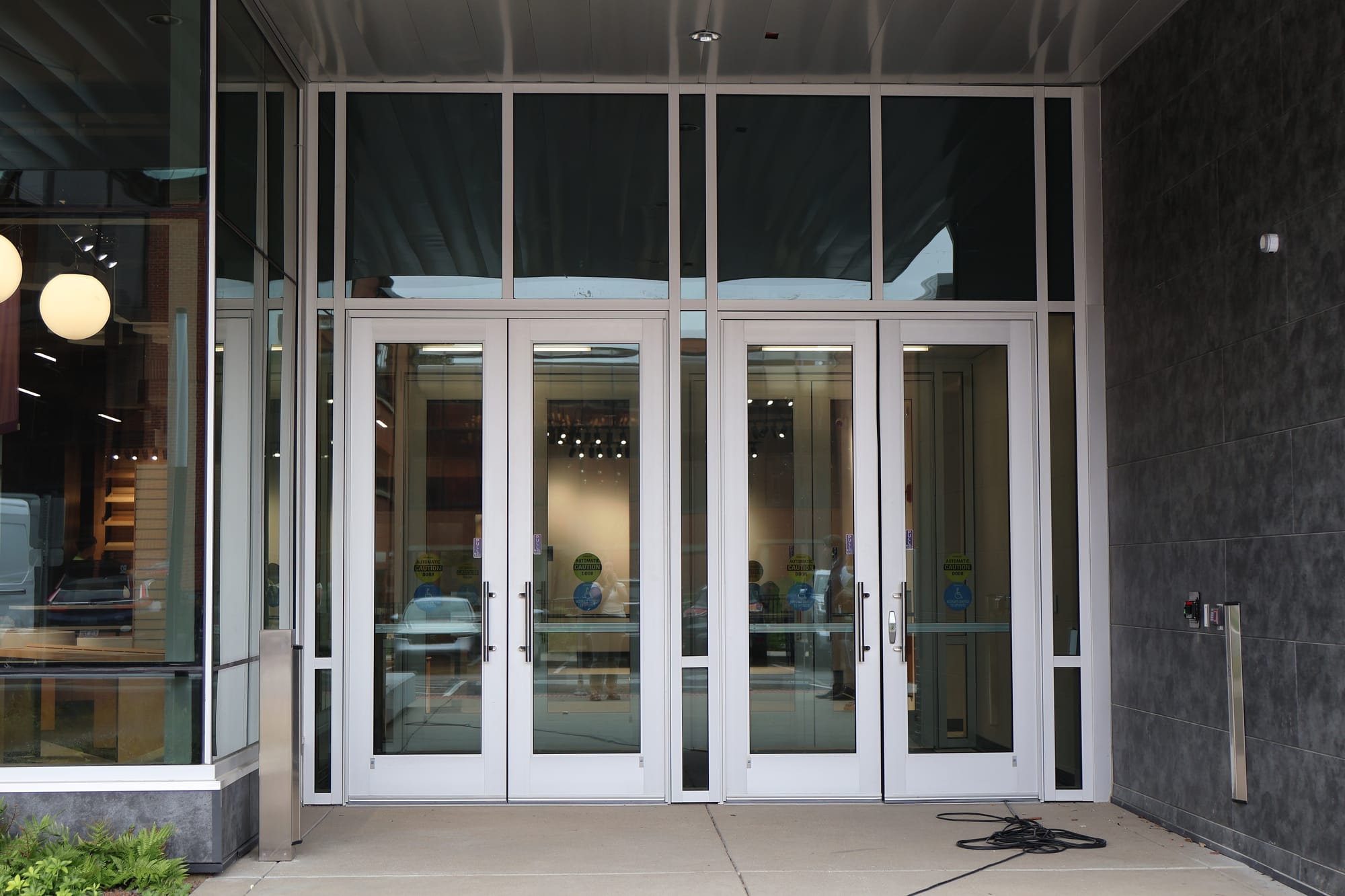
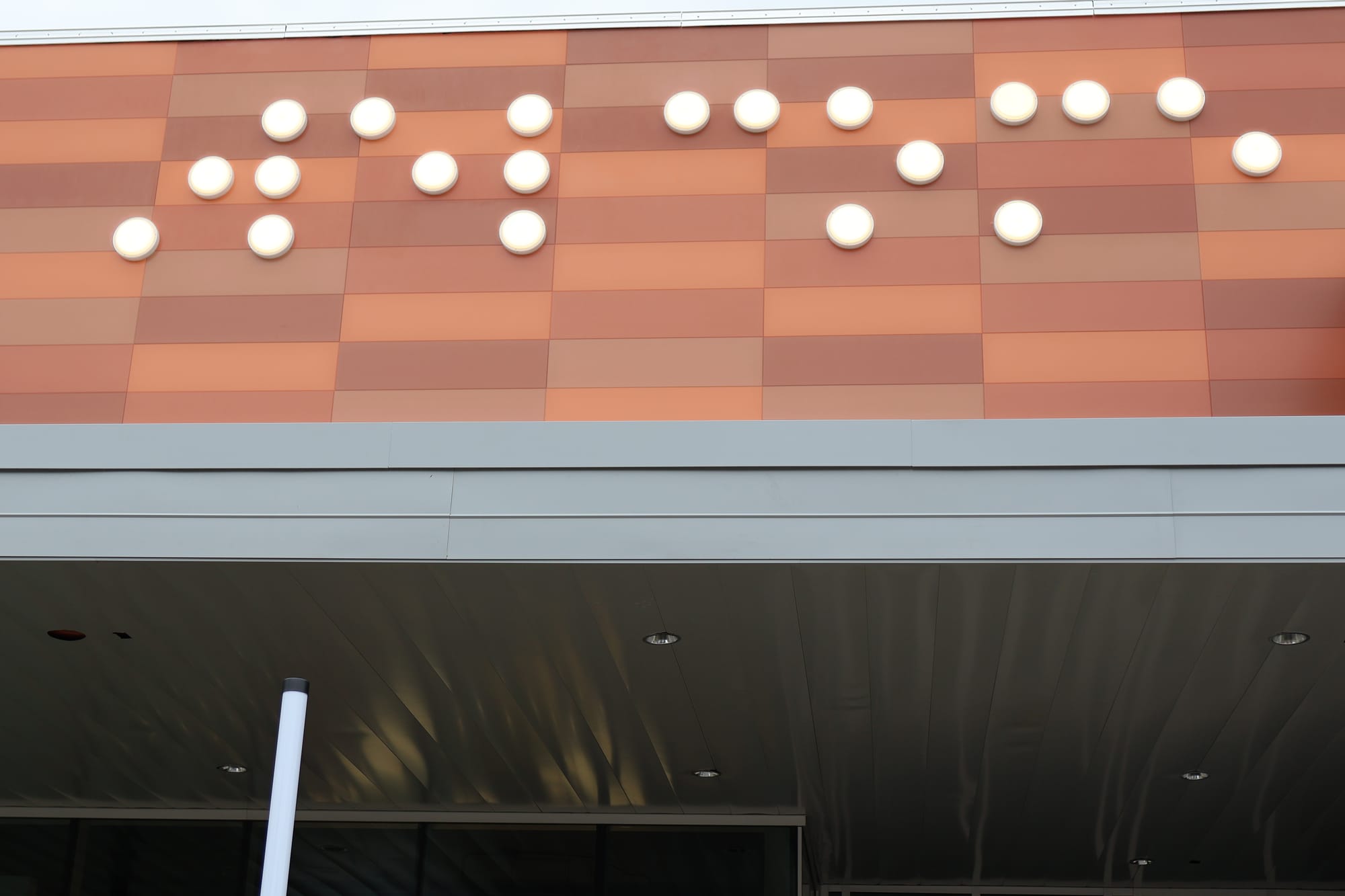
The museum takes its name from braille. The name pays homage to the six-dot system of braille, a tactile reading and writing code for people who are blind or low vision, and braille appears throughout the building.
This runs in stark contrast to the previous museum, which featured no braille on its written displays. Now, every word has a braille companion, and if it didn't fit on the braille panel, it was changed so it would.
Many Louisvillians know the APH campus mainly as the neighbor of the Kentucky School for the Blind. The two are separate organizations but closely linked. Jo Haas, APH's chief operating officer and vice president for advancement and The Dot Experience, told me APH started in the basement of the School for the Blind before moving onto the Frankfort Avenue campus. That campus has since grown to 16 buildings.
Since 1858, APH has served as the world's largest nonprofit- creating accessible learning experiences through educational, workplace, and independent living products and services for people who are blind or low vision.
Its national role dates to the 1879 Federal Act to Promote the Education of the Blind, which established federal funding for specialized instructional tools for blind students below college level. Under that program, federal money flows to the states, which use it to buy APH materials such as braille textbooks, tactile graphics and assistive technology for students nationwide.
Haas said that federal money is the heart of the organization, but it can't pay for everything. It can't be used for building improvements, factory upgrades, or deferred maintenance. That gap was one of the reasons this project was first floated as an idea in 2020.
A second reason came from New York. APH was already talking with the American Foundation for the Blind (AFB) about Helen Keller's archives. Keller worked for AFB for decades and left her belongings to the organization when she died, and Haas said most of them had been in storage outside the city, unseen by the public. When APH began planning a bigger museum, the two organizations decided to make the Keller archives a central part of it.
From there, Haas said, the vision grew. APH has spent more than a century and a half leveling the playing field for blind students in classrooms. The museum is meant to push that work into the rest of the world.
"Why not take the step to push that kind of change out into the bigger, broader world, and create some societal change?" Haas said. She wants to see blind students grow up in communities, churches, stores, parks and playgrounds that welcome them, "and then ultimately into careers that welcome them as well."
The Dot Experience is now APH's front entrance. Whether someone is coming for a meeting, a job interview or a museum ticket, they come through the same lobby. That lobby features reception and ticketing, a retail space, and what Haas called one of the most important features in the building: the orientation station.
"If you think about being a blind visitor to a museum," Haas said, "pretty much, you are relying on somebody else to help you navigate the space, experience the exhibits, digest the content, even make choices about where you're going within the space."
At The Dot Experience, she said, there is no separate entrance and no separate set of resources for disabled visitors. It's designed to be truly inclusive- meaning no one needs special accommodations, a tour guide or a separate experience.
The orientation station wasn't in place yet when I toured the space, more than a month out from opening. But Haas explained it as the station that explains the museum's system: the language it uses, the expectation that visitors touch everything, how the media stations work, which accessibility apps to download for high-contrast views or digital maps, where to find tactile maps, and how to read the floor.
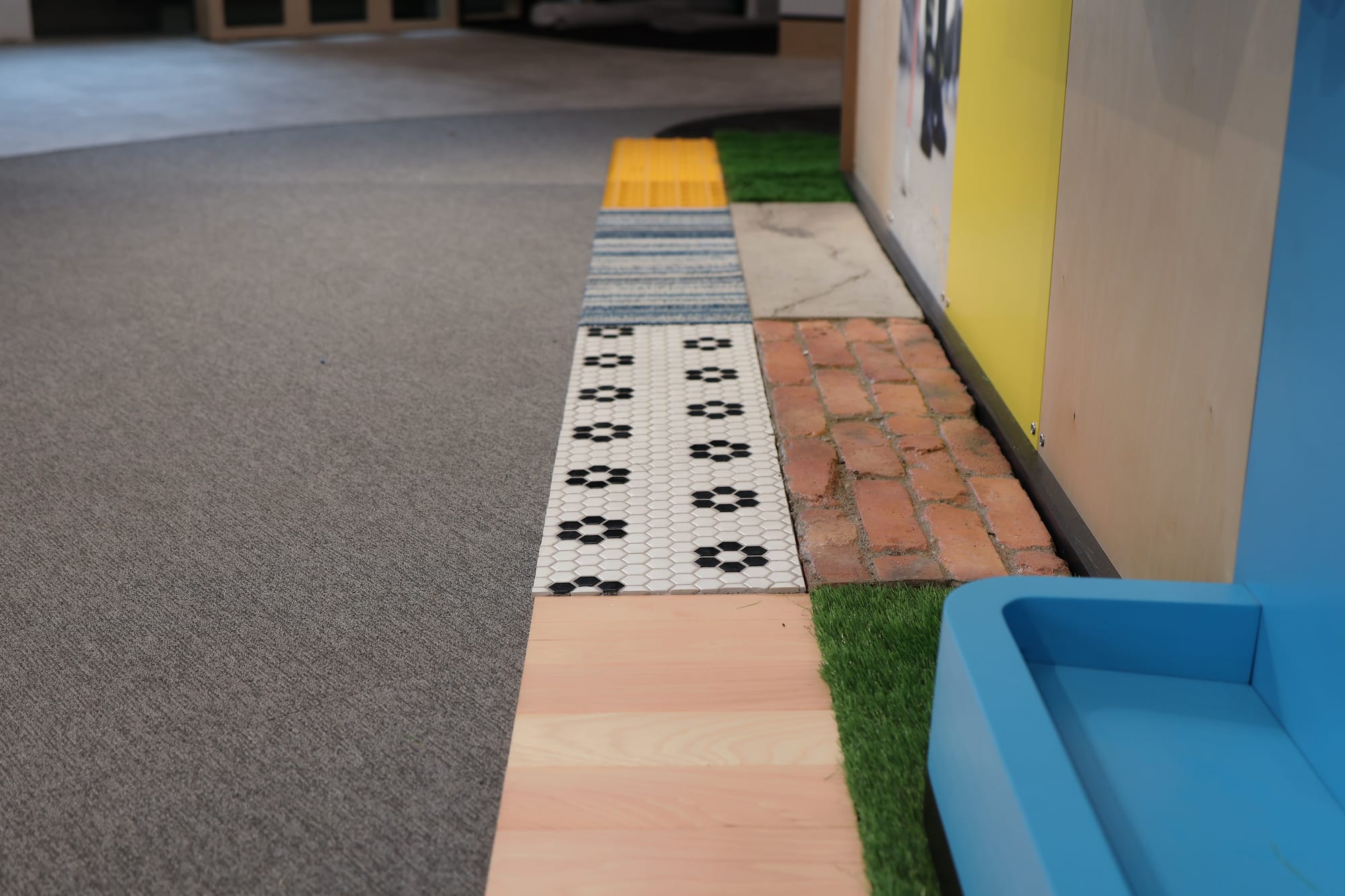
The floor is part of the design. Hard surfaces are travel paths between exhibits. Carpet means you've entered an exhibit. A cane user who finds a vertical strip on the floor knows they've reached a content panel. Every panel follows the same layout: printed text, matching braille, and, always to the right, a raised QR code. The codes are water-jet carved so a blind visitor can find them by touch. Scanning one opens a web page with text-to-speech and audio descriptions of every graphic on the panel.
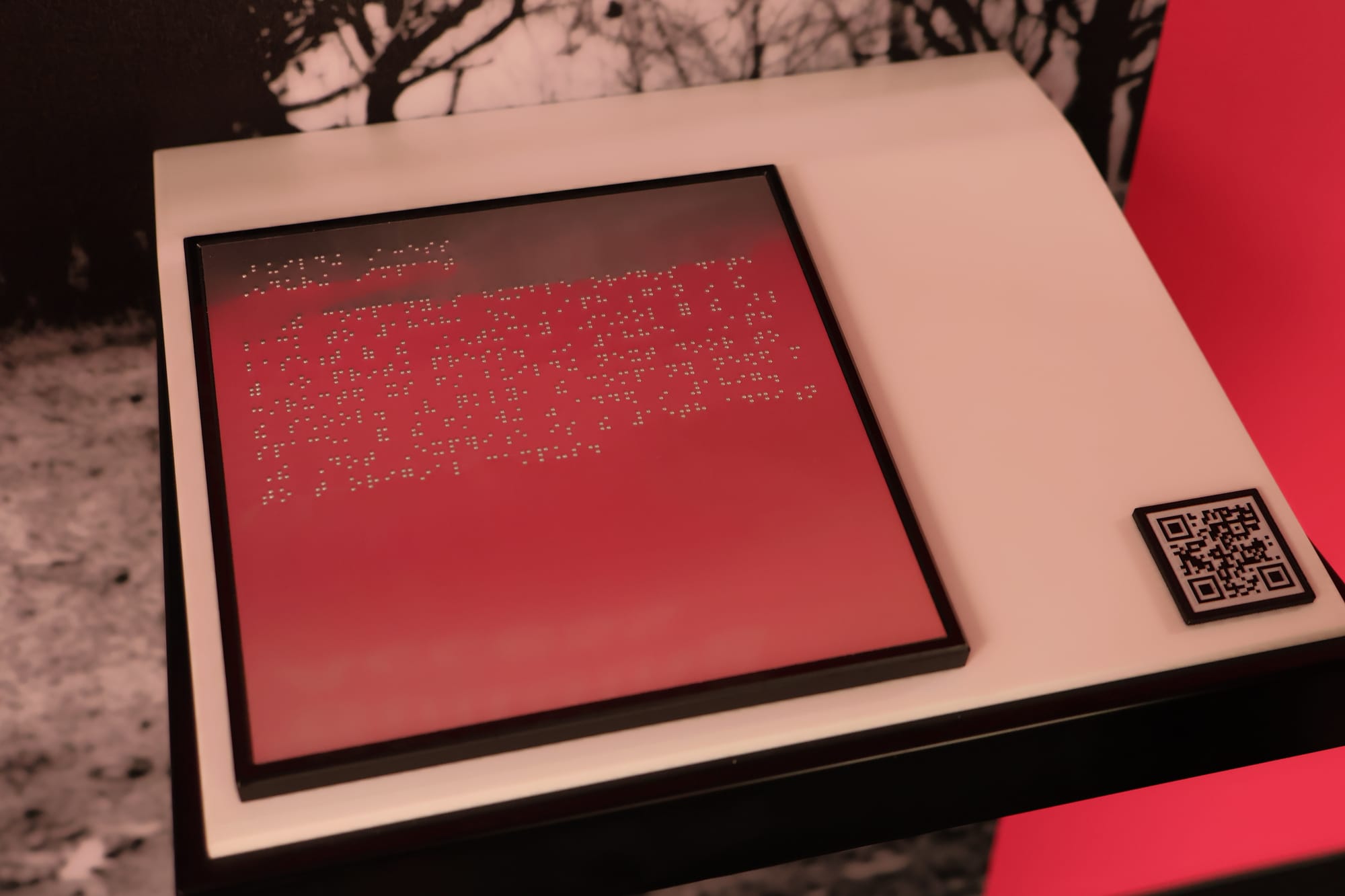
"We've created so many things that allow you to predict," Haas said.
Every written word has a braille equivalent, which Haas said forced "an art of restraint," since only so much braille fits on a panel. APH produced all of the braille in-house. Images come with visual descriptions. Every video has on-screen American Sign Language, captions and audio description running at the same time. Every exhibit is designed so a wheelchair user can roll straight up to it from the front. Side approaches are acceptable under the Americans with Disabilities Act, but Haas said the team rejected them because they single people out.
"We've made everything front approach," she said, "so that you're not, again, othering those people."
The building also has a reset room, a quiet sensory space for visitors who need to decompress, with sensory bags available for autistic and neurodivergent guests.
Wood said the design leads to a commitment that has made her nervous more than once: the main galleries won't offer guided tours.
"The whole idea is that the museum is a place where everybody, whatever your preferred way of accessing the world can explore on their own," she said.
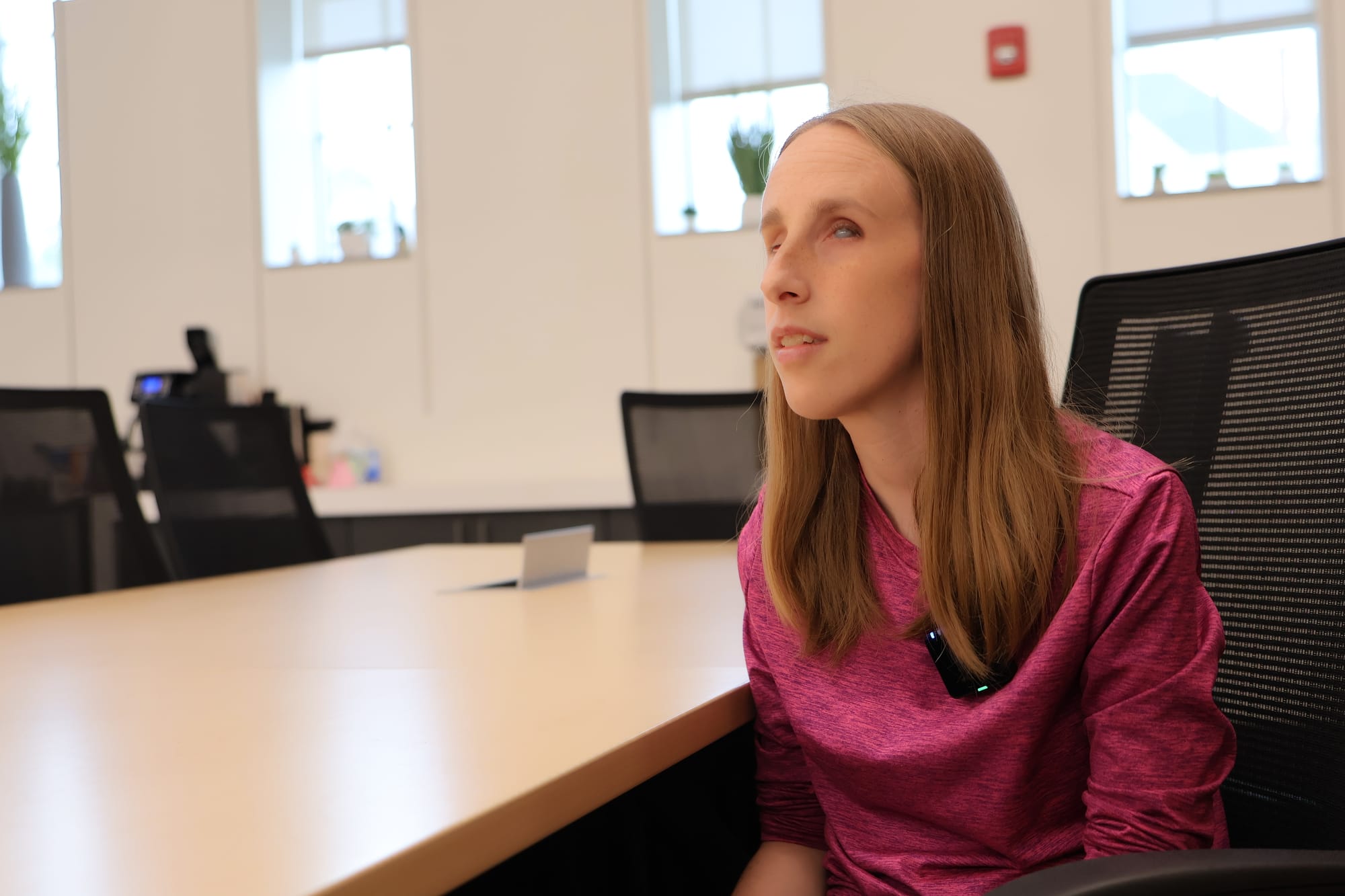
Many of those design choices came from a group of Louisville residents with a wide range of disabilities: the inclusive prototyping team.
Danielle Burton is one of them. She is deafblind and now works as APH's communications accessibility editor, though she didn't start there. A friend who worked at APH volunteered her name for prototyping. She was still job hunting at the time, and APH hired her about two months later for a role unrelated to the museum.
Burton described a group covering the full range of disability: people blind from birth and people who lost their sight later, people with some usable vision and people with none, deafblind members, wheelchair users and walkers, deaf and hard-of-hearing members, and ASL users. They reviewed nearly everything, from the flooring and audio to the buttons in the media pods and the texture of the touchable replicas.
Haas said the prototypers went through about four designs for the enclosed video pods before settling on one with enough sound isolation.
Asked whether the group ever looked at an idea and said it simply didn't work, Burton laughed. "All the time," she said. "None of us were shy."
Sometimes, she said, the group rejected what is considered best practice. Instead of settling for "this will do, this will be plenty," they pushed for the best solution to each problem.
"All of us at one point have at least said once, 'No, I cannot stand this. This isn't going to work,'" she said.
Haas offered one example. The team once considered a street-crossing simulation where sighted visitors would try navigating a road with a cane. The blind and low-vision cane users on the team found that idea frightening and off-message. What they wanted visitors to understand was how much information a cane provides. The exhibit now lets visitors use canes to feel how sound and vibration carry information about surfaces.
The prototypers didn't take the job lightly. Burton said some nights she would wake up at 3 a.m. wondering- was that the right decision today? Did we forget about someone's needs?
What made it work, she said, was the range of people on the team. "I think the key to having a good prototyping team is having that diversity."
Darrick Wood praised Burton's ability to think beyond her own experience. He said she can evaluate a feature she would never use herself, like cochlear implant compatibility or text-to-speech in Japanese, and understand how it needs to work. "Very few people are able to jump outside of their own lived experience," Wood said.
Burton credits her community. She works with other deafblind people and has friends with other disabilities, and they ask each other questions constantly.
I asked Burton what she hopes disabled visitors take away. Her answer was about the experience of the visit more than any exhibit.
"As someone who's deafblind, I hope that they were able to go through The Dot Experience on their own terms," she said. At most museums, she explained, "you have to call ahead. You have to ask if there's an audio tour. Sometimes there is. Sometimes there is not."
Here, she said, anyone with any disability should be able to go through the whole museum independently.
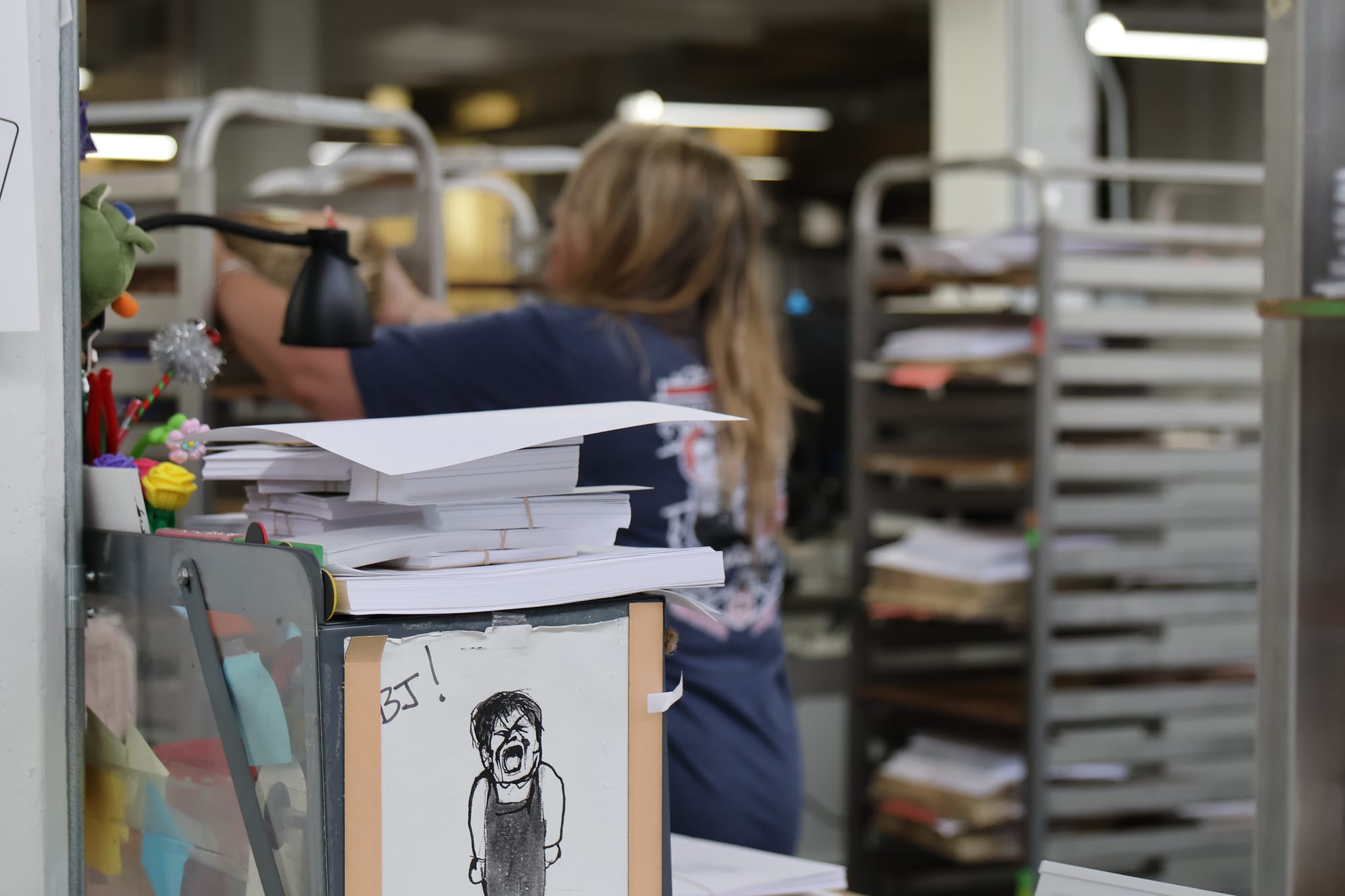
The Dot Experience and APH building have two main parts: a reimagined factory tour and upstairs galleries. They are ticketed separately, and visitors can do both or just one.
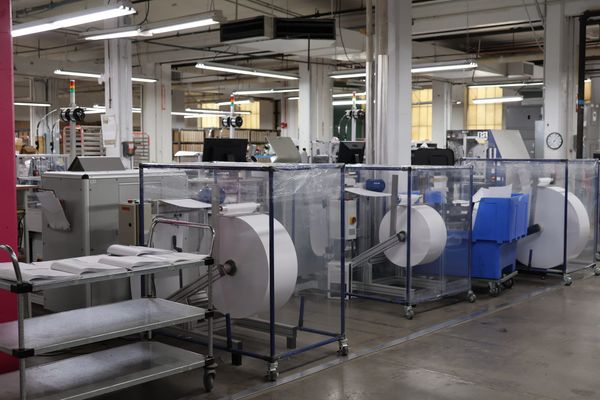
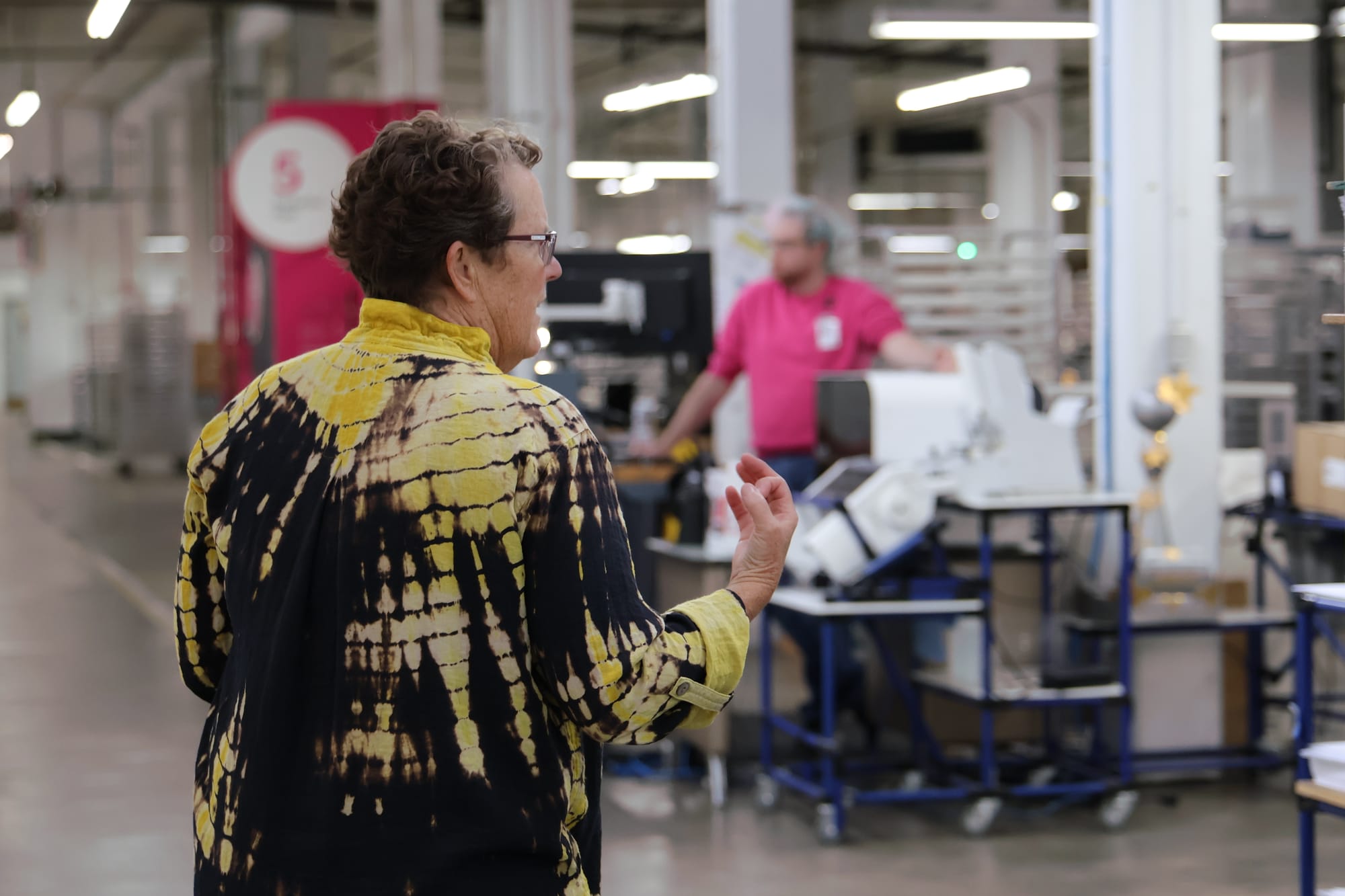
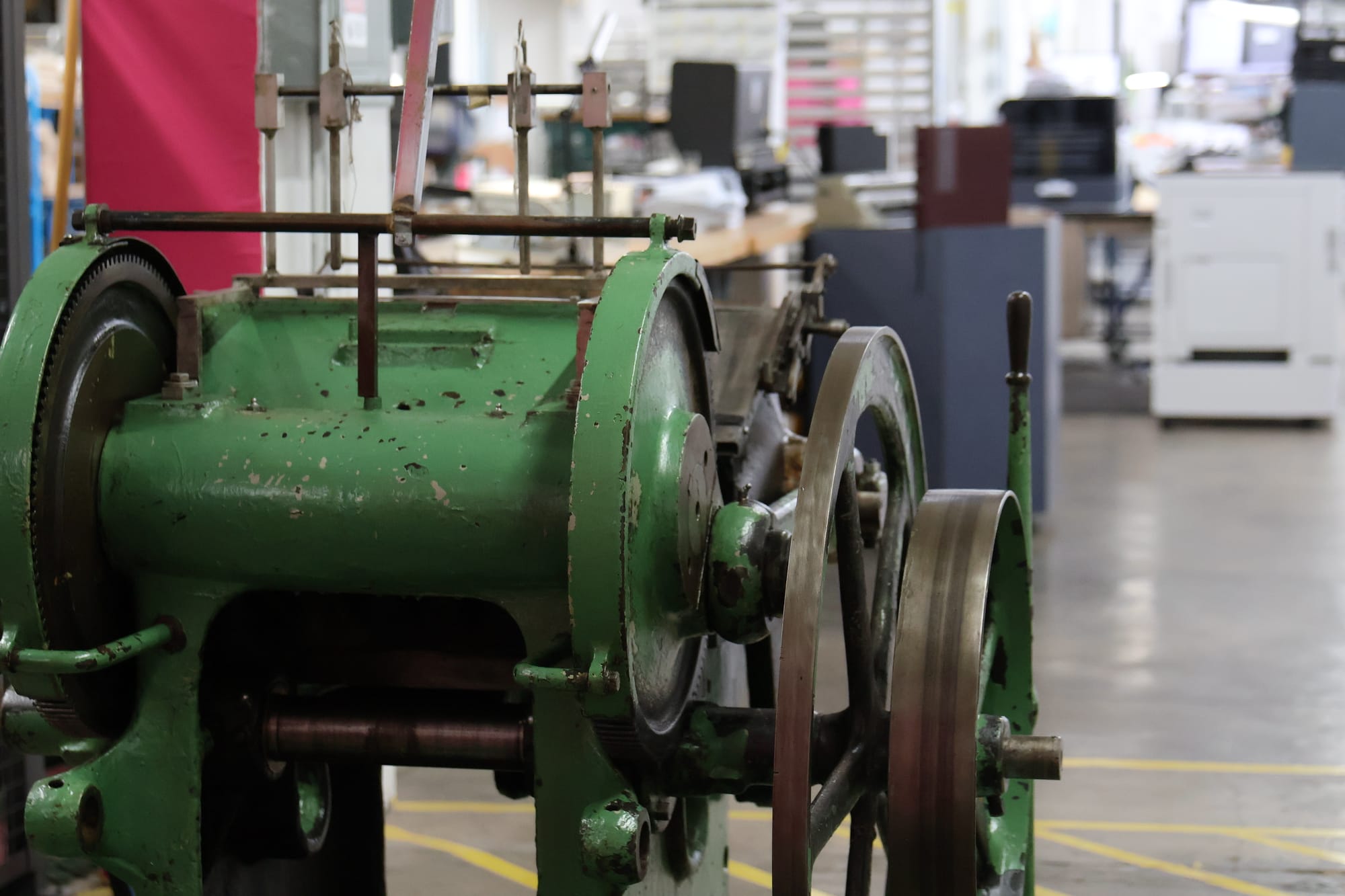
APH's old museum offered factory tours, but its hours were limited and inconsistent. The Dot Experience will be open every day from 10 a.m. to 5 p.m. The new tour has eight stops, marked by raspberry-colored stations and black-and-white archival photos, and runs through APH's working production floor, where staff produce braille, tactile graphics and accessible tests.
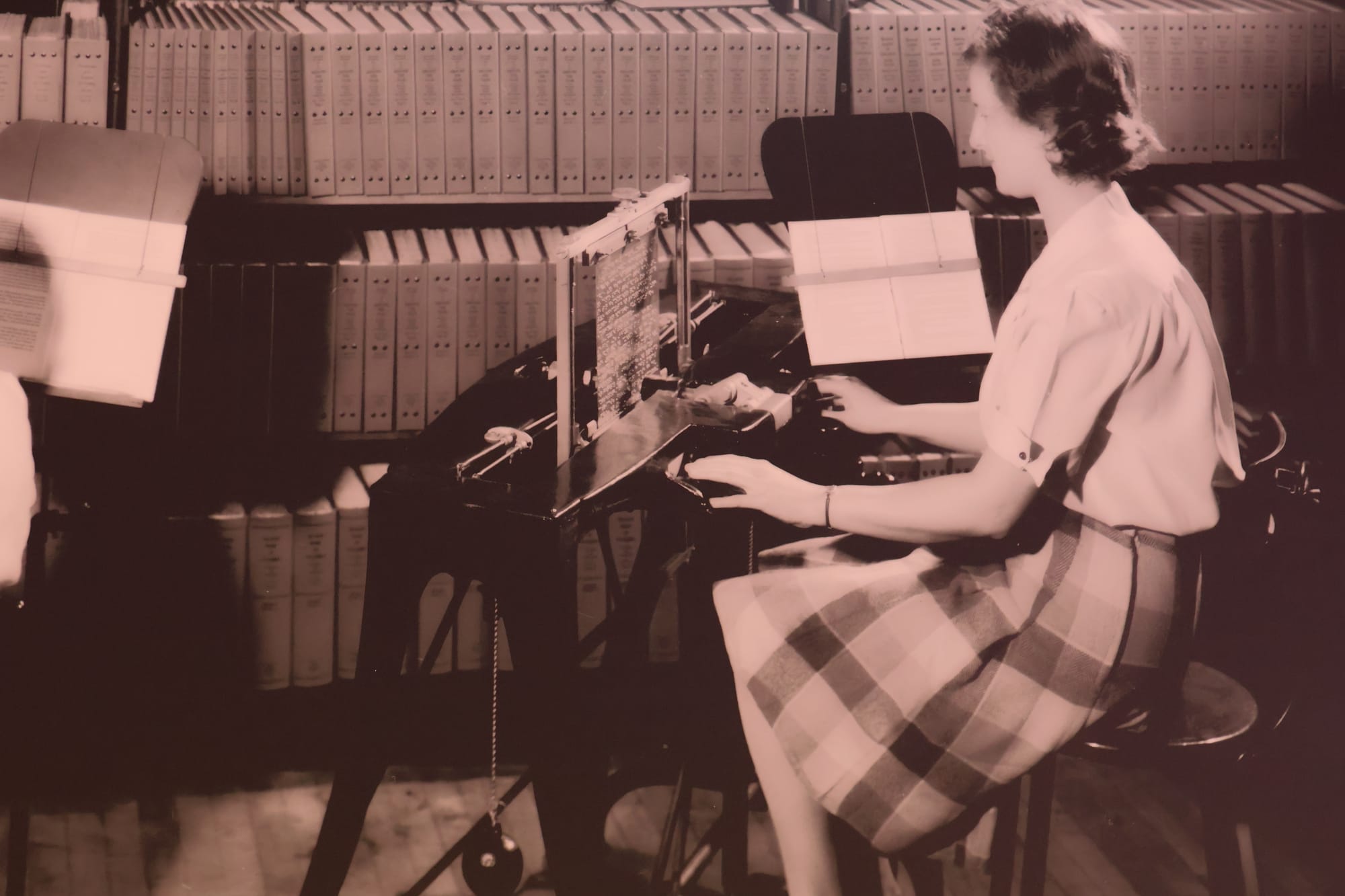
Haas said even the staff's comfort was considered. One transcription booth now has a window facing the tour route. A blind employee can't see visitors passing by, so staff assigned to that booth know ahead of time that they'll be observed. Historic braille-embossing machines are being restored for display. Wood described one from the 1930s, based on a design from around 1911, that was built to print ink books and modified by APH to produce braille.
The main galleries open with an audio piece of about three minutes, with captions and ASL on three screens. Haas said about 14 blind and low-vision voices describe their own experiences: what they perceive, what they don't, and the simple point that blind people are individuals like everyone else.
The museum tells its stories through what it calls a "cast," people whose lives shape the exhibits. It includes athletes, chefs, entrepreneurs, artists, accessibility experts and more, alongside historical figures such as Helen Keller and Louis Braille.
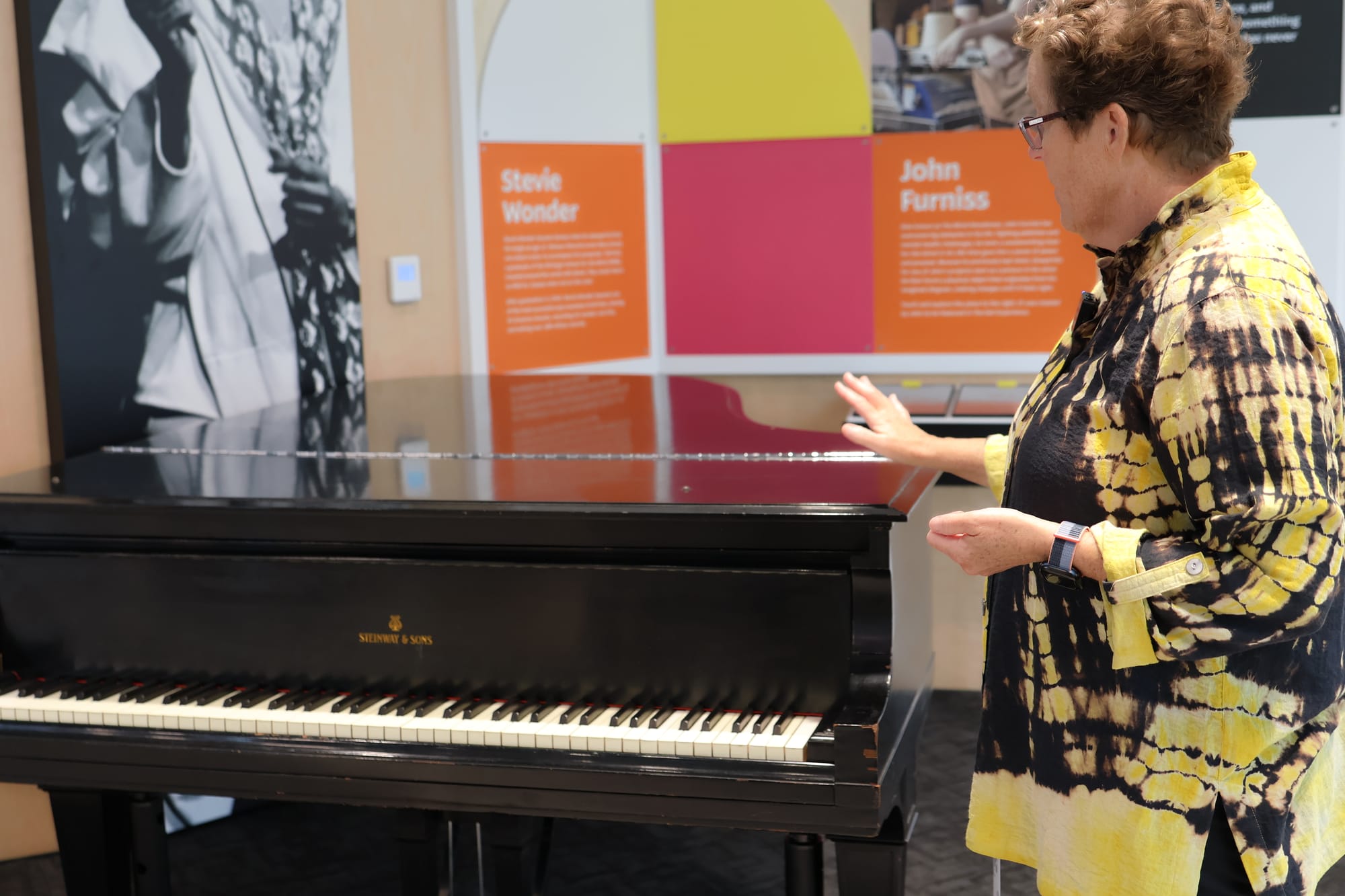
Visitors will find a chess set sent by Italian tenor Andrea Bocelli, with a few original pieces in a case, replicas beside them, and a playable set. They'll also find a 1922 Steinway Model A grand piano that Stevie Wonder played in the 1960s while attending the Michigan State School for the Blind.
Haas said the Keller gallery is meant to show more than the girl at the water pump. It includes Keller's childhood handwriting, her college years, her travels, and a collection of gifts she received from around the world, each paired with a tactile replica. There is a water pump, which doesn't pump water, and a sculpted hand finger-spelling W-A-T-E-R, the word that opened language to her, so visitors can feel what the letters feel like in a palm. Visitors can stand beside her desk and explore her original documents, images, and personal objects.
Later galleries cover magnification and low-vision technology, digital braille and talking books, and inclusive design at home: kitchens, laundry, personal care, gaming and reading. The tour ends with four personas introduced at the start: change makers, barrier breakers, access warriors and dream believers. Visitors pick one and receive a tactile token with a raised QR code on the back, which links to ideas for making their own communities more inclusive.
APH's promotional materials say the museum aims to be the most inclusive in the world, and the museum's website calls it the first inclusive attraction in the world to make every exhibit, image, and artifact accessible to everyone. That's a big claim, and staff were careful when I asked about it. One APH staffer said the precise wording is that the museum was designed to be the world's most inclusive.
But the team behind it believes it, and says they don't want to hold the title for long.
"We don't want to hold that scepter very long. We want this to be the new industry standard, so that all boats rise together," Darrick Wood said. He looks forward to the day another museum reaches out to say it has gone a step further. "What that means is everybody is improving."
The claim comes at a time when many museums still treat accessibility as an add-on. While many museums now offer "touch tours" for blind visitors, these typically offer access to only a tiny fraction of a museum's collections and occur only occasionally.
I asked whether that ambition adds pressure.
"Yes," Wood said. But he pointed to APH's history of taking tools that already existed and adapting them for blind people. "It's terrifying, but it's a terror that I think everybody here understands is exciting, because that's how things move forward."
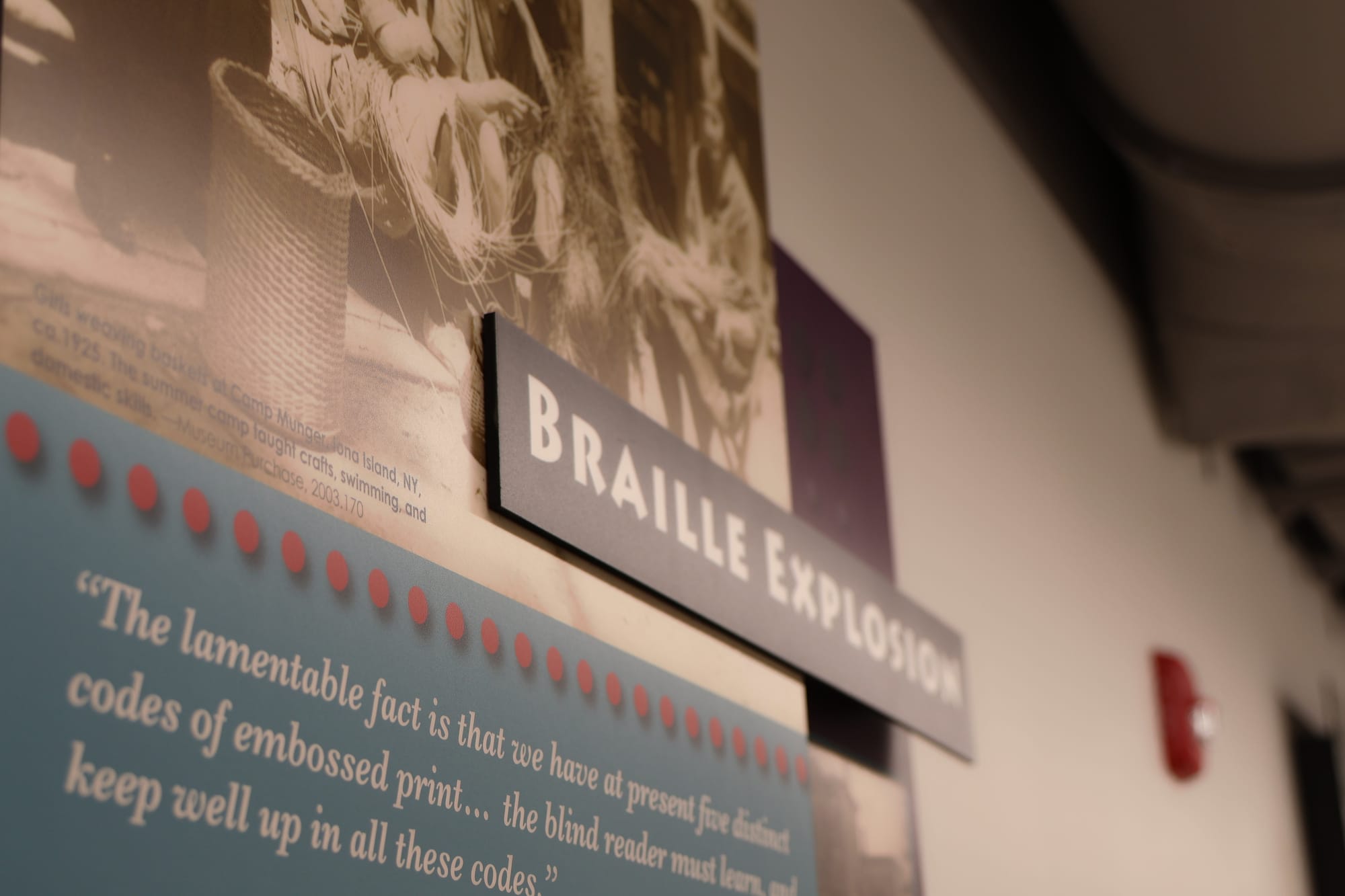
Near the end of the walkthrough, Haas showed me a sign from APH's old museum. It had a lot of text and no braille.
"Not a lick of braille here," she said. "And you think, how does anyone who's blind know any of this?"
This is the American Printing House for the Blind. It has spent 168 years producing braille for students across the country, and it runs the world's largest nonprofit operation making accessible learning materials. Its own museum still hung signs that blind visitors couldn't read.
If APH overlooked something so basic, it's worth asking how many other places do too?
Haas said that's the point of The Dot Experience. Inclusion rarely fails because people mean to shut others out. It fails because nobody thought about it.
"The concept is, how do we all just keep inclusion in our mind, in our daily life, all the time," Haas said, "and not think about the things that people can't do, but reframe it: How do we change the world so people can do things?"
Inside the galleries, visitors will meet blind parents, blind NASA employees, blind cooks and blind machinists. "All things are possible," Haas said, "and we all have a responsibility to make sure that's the case."
The old sign shows how easy that responsibility is to miss, even for APH.
The Dot Experience opens Friday, Oct. 30, at 1839 Frankfort Ave. It will be open daily from 10 a.m. to 5 p.m. Tickets can be purchased in person at the museum.
Like what you see? Learn more about Shay Informed here! This is honest journalism with compassion and clarity.