From nurses on horseback to maternity deserts: The state of being a mother in Kentucky

– 14 min read


Kentucky once sent midwives on horseback to reach mothers where they lived. A century later, the state ranks near the bottom on nearly every measure of maternal and infant health, labor and delivery units are closing, and Medicaid cuts loom. Still- midwives, doctors, and a group of determined moms are trying to build something new.
I'm Shay McAlister, and this is Shay Informed: an independent, ad-free platform dedicated to honest journalism with compassion and clarity.
This story is a 'Shay Original', which is available to paid subscribers only. You can become a member for $4.99/month and gain access to all of my work, including full interviews, behind-the-scenes content, and my weekly podcast.
Want to listen instead of read? This week's episode of One More Question with Shay McAlister goes inside the story. Access is at the bottom of this page!
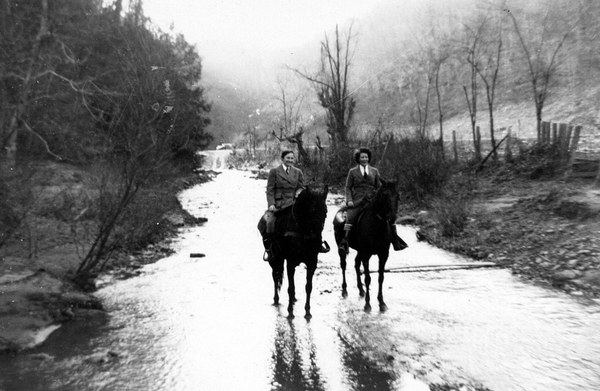
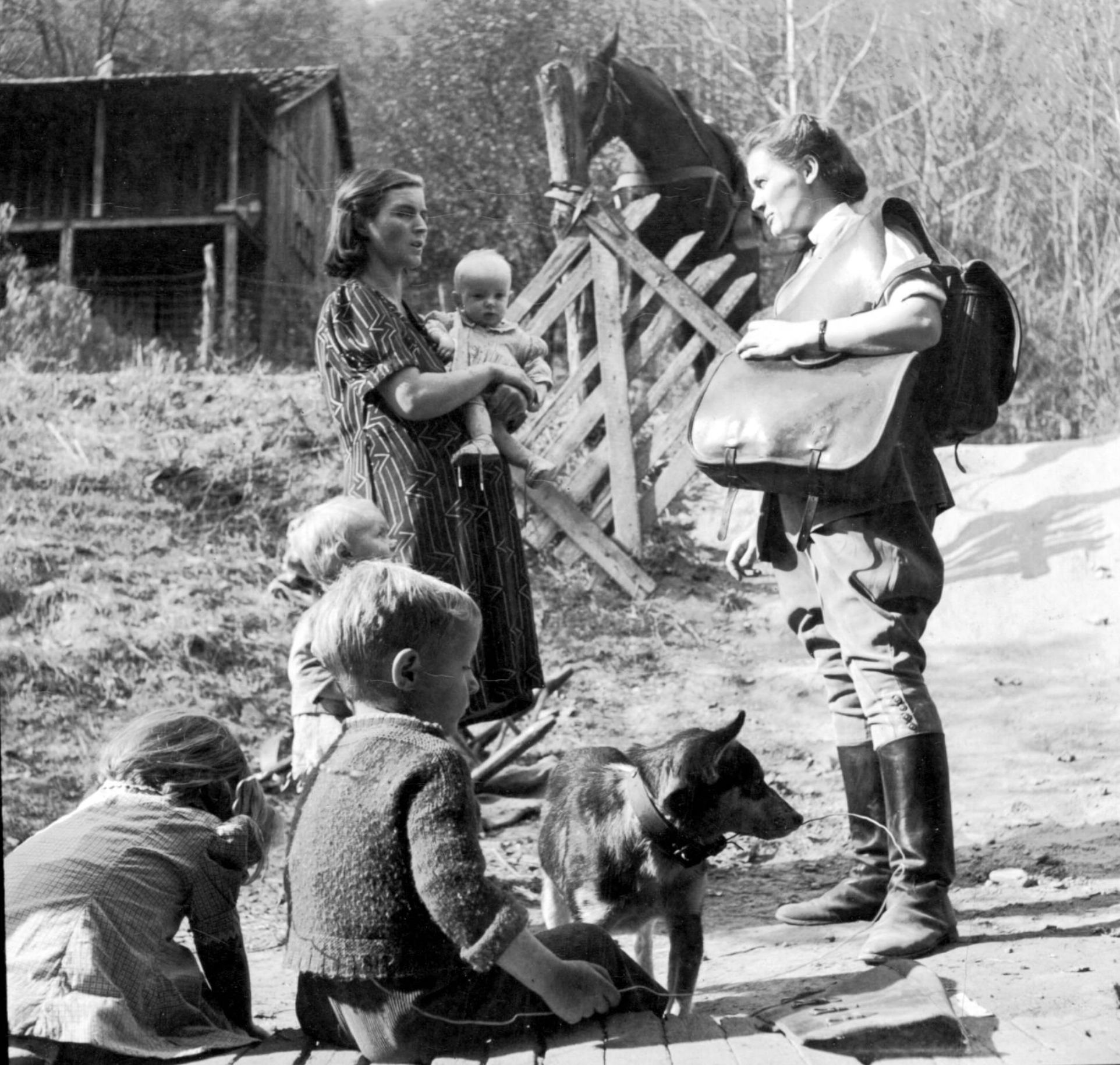
A century ago, if you were about to give birth in the mountains of Eastern Kentucky, help might have come on horseback.
In 1925, Mary Breckinridge founded the Frontier Nursing Service in Leslie County. Qualified nurse-midwives were so scarce in the United States that the service had to either send American nurses to Great Britain for training or recruit British midwives outright. Those women rode from home to home through hollers and creek beds no car could manage, their saddlebags packed with everything they needed for a birth. Local children were told the babies arrived in those saddlebags, a story still passed down in Leslie County today.
When World War II pulled the British nurses home, the service opened its own graduate school of midwifery, enrolling its first class in November 1939. Today it's Frontier Nursing University in Versailles.
"The birthplace of nurse-midwifery is very much credited to being here in Kentucky," said Mary Kathryn DeLodder, who leads the Kentucky Birth Coalition.
The idea behind those horseback rides was simple: bring care to mothers, wherever they are.
So where does a pregnant woman in Kentucky stand today?
By one measure, near the bottom of the class. The 2025 March of Dimes Report Card ranked Kentucky as one of the worst states in the country for maternal and infant health. How did the state that sent midwives into the most remote corners of the commonwealth become a place where one in six women of childbearing age lives in a maternity care desert? And as hospitals close labor units and federal Medicaid cuts approach, who is stepping in to fill the gaps?
Over the past several weeks, I've searched for the answers- talking with an advocate who's spent more than a decade fighting in Frankfort, a midwife trying to open the state's first birth center in 40 years, a nurse-midwife who watched a Louisville birthing center die weeks before opening, and a family doctor who has delivered Kentucky babies for four decades and just had to start over.
For many Kentucky women, the problem isn't just the quality of care. It's getting to it at all.
According to the state's own rural health plan, nearly one in six Kentucky women of childbearing age live in maternity care deserts, a rate more than four times the national average. This year that map got even bigger.