The Commonwealth's case for keeping Joey Lawson behind bars
– 9 min read


A 97-page brief walks through jury selection, joint-trial concerns, and the evidence prosecutors say still holds up on appeal.
"I'm Shay McAlister, and this is Shay Informed: an independent, ad-free platform dedicated to honest journalism with compassion and clarity.
This story is a 'Shay Original', which is available to paid subscribers only. You can become a member for $4.99/month and gain access to all of my work, including full interviews, behind-the-scenes content, and my weekly podcast.
The Kentucky Attorney General's office has a message for Joey Lawson: the trial was fair, the evidence was enough, and the conviction should stand.
That's the gist of a 97-page brief Attorney General Russell Coleman's office filed Thursday with the Kentucky Supreme Court, answering the appeal Lawson brought this spring after being convicted last year in the Crystal Rogers case. It's a long, dense document, but it's also the fullest official response we've seen yet to the arguments his attorneys have been making since before he was even sentenced- and it's worth walking through in full, because it touches nearly every corner of that ten-day trial.
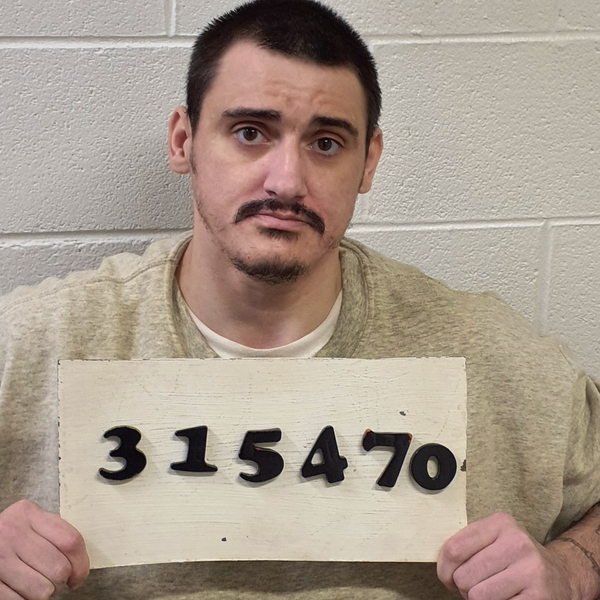
Lawson was convicted last summer, after being tried alongside Brooks Houck, of conspiracy to commit murder and tampering with physical evidence connected to Crystal Rogers's July 2015 disappearance. He was sentenced to 25 years. His trial-level motion for a new trial, which I covered last July, raised a handful of these issues in broad strokes. His formal appellate brief, filed in April with the Kentucky Supreme Court, expanded that into an 88-page, eight-point argument for why his conviction should be thrown out.
Now the Commonwealth has answered, point by point.
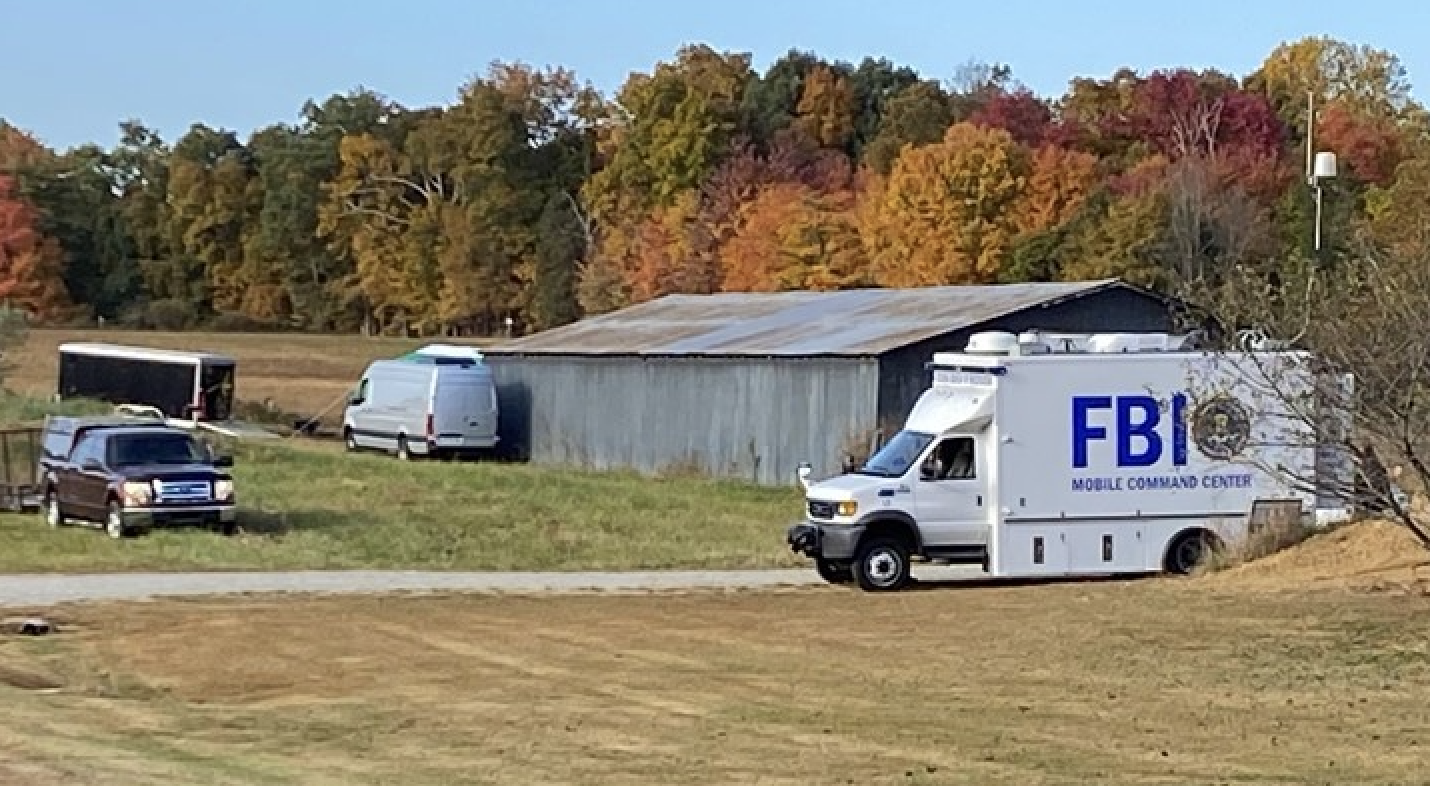
This is the heart of Lawson's appeal, and it's where the Commonwealth spends the most ink in response- nearly ten pages.
Lawson's team argues, as I noted back in April, that the trial evidence was overwhelmingly about Brooks Houck and his family, not about Joey. Interestingly, the Commonwealth doesn't really fight that framing. "He's right," the brief says flatly, when it comes to Lawson's claim that "the majority of the evidence related to Brooks or the Houck family." Prosecutors even acknowledge Lawson's own language for it- what his brief calls the "Houck Family Conspiracy."
But conceding that point doesn't mean conceding the case. The Commonwealth's argument is that conspiracy law was built for exactly this kind of situation: Lawson didn't need to be the one who killed Crystal, or even to have been present when it happened. He only needed to have agreed, in some form, that it would happen- and for any conspirator, not necessarily him, to have taken some act to further that plan.
To back that up, prosecutors return to testimony you can hear right now in my ten-episode podcast.
Charlie Girdley's account of Joey saying he'd "bury [Crystal's car] with a skidsteer and nobody'd ever find it," and that "he'd shave her head and pull her teeth, and the hogs would do the rest."
 Shay McAlister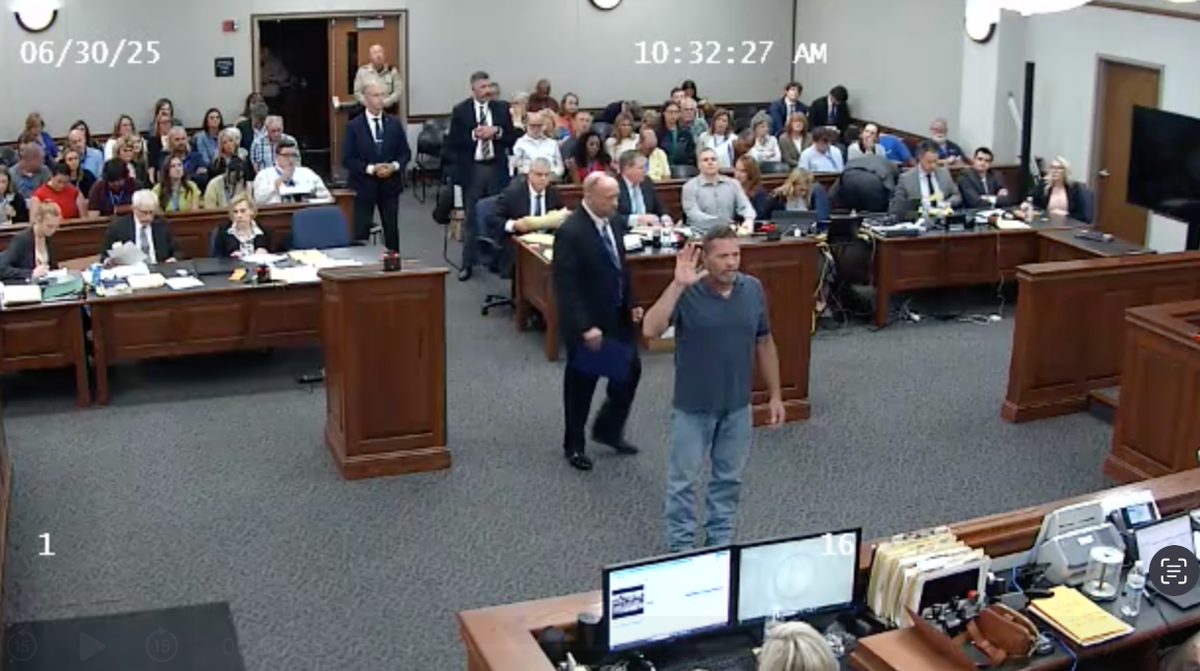
Rebecca Greer's testimony that when she confronted Joey about $50,000 he and his father, Steve, had allegedly collected for "moving a car," he confirmed it- telling her, "Yeah, but if you wanna know any details, you need to ask Steve."
Heather Snellen's testimony that she once overheard Joey and Steve discussing "moving a body at the Houck farm" with a skidsteer.
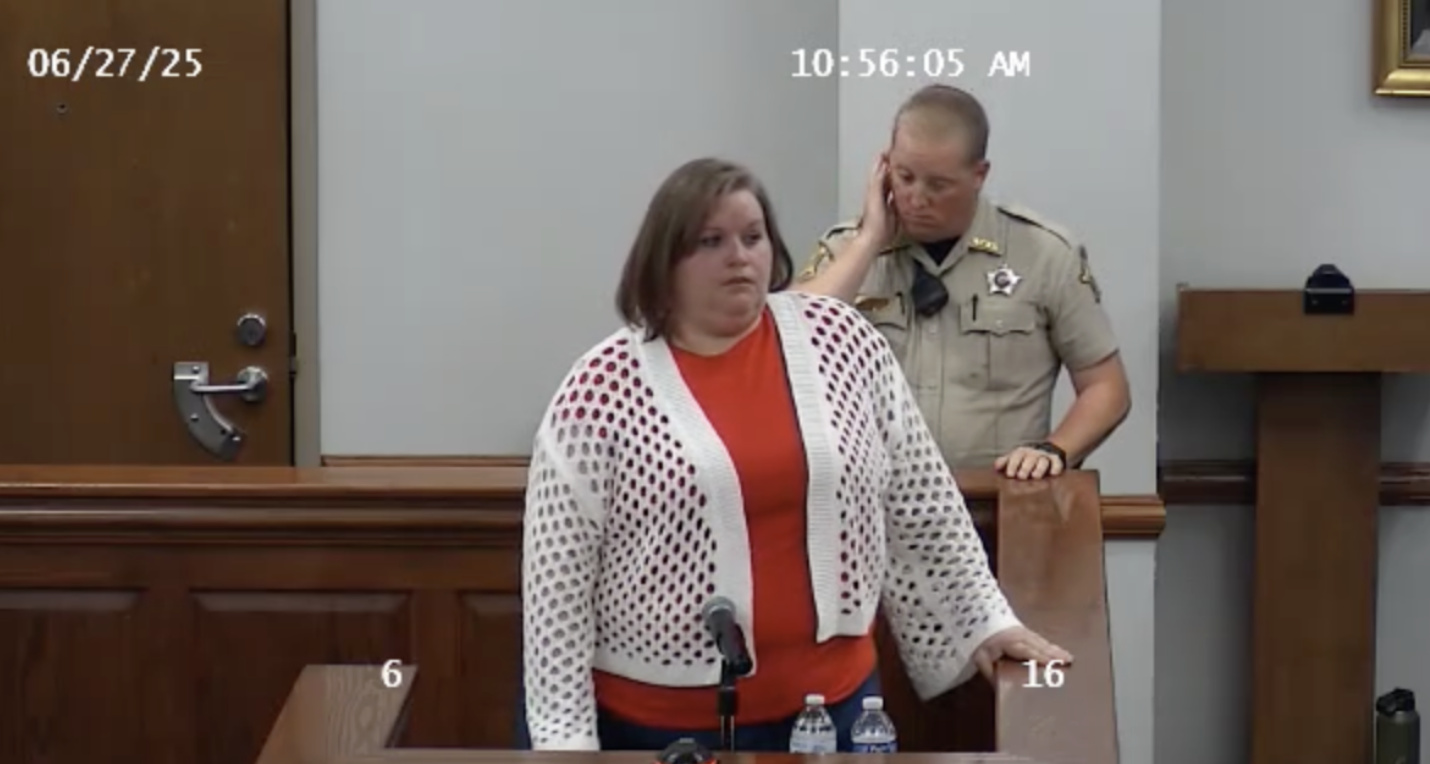
Joey's own grandmother, Barbara Coulter, telling the jury that in 2025, Joey told her "Stevie had killed Crystal."
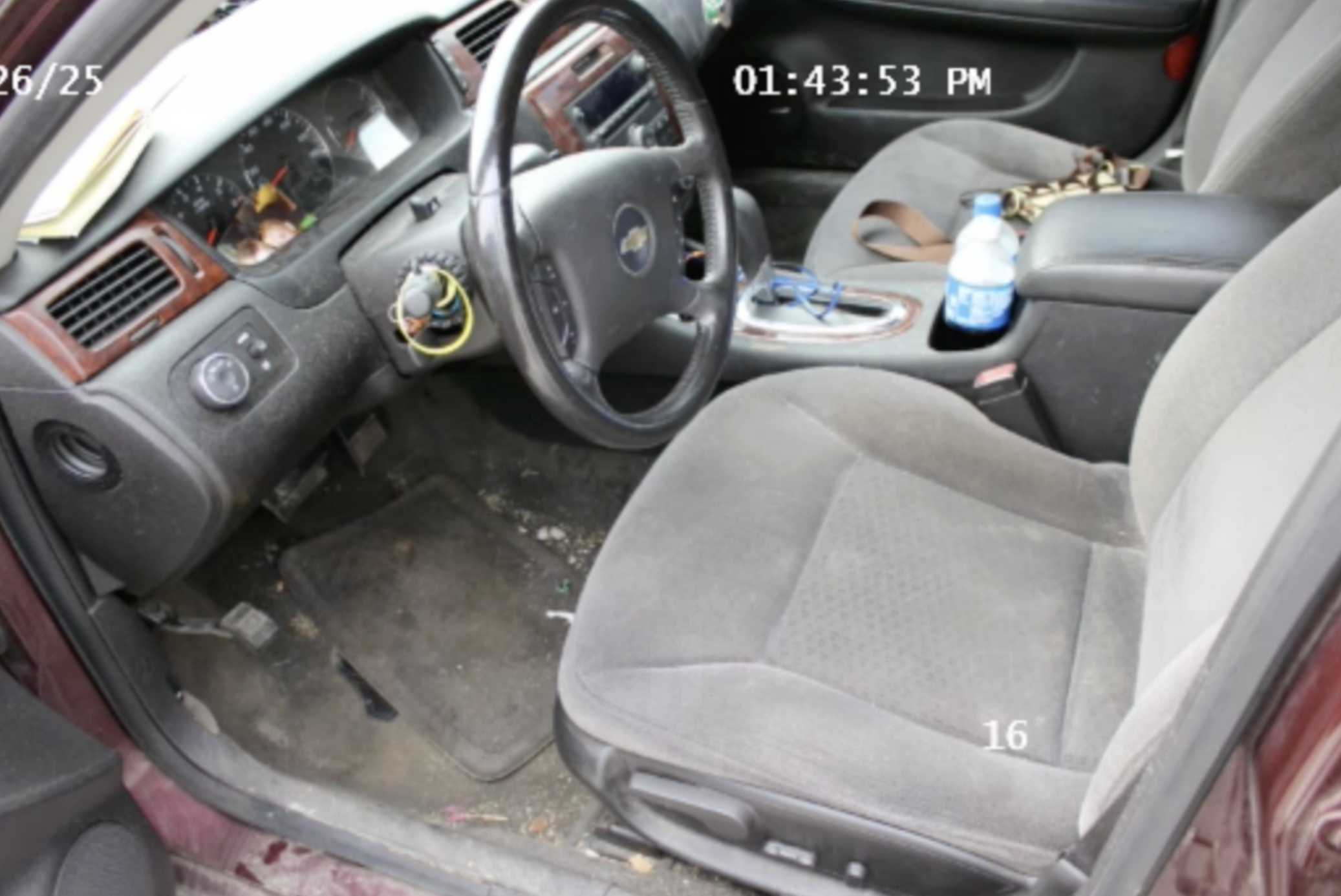
The Commonwealth also argues Kentucky law doesn't require a body to prove murder happened at all- citing a decades-old case holding that "the law does not subscribe to the rigid formula that the body must be found or seen after death"- and that a cadaver dog's alert on a white Buick tied to the Houck family, plus a hair with characteristics similar to Crystal's found in that car's trunk, add to the circumstantial case that she's dead.