Two men convicted in 2021 murders of Louisville father and 9-year-old daughter

– 13 min read


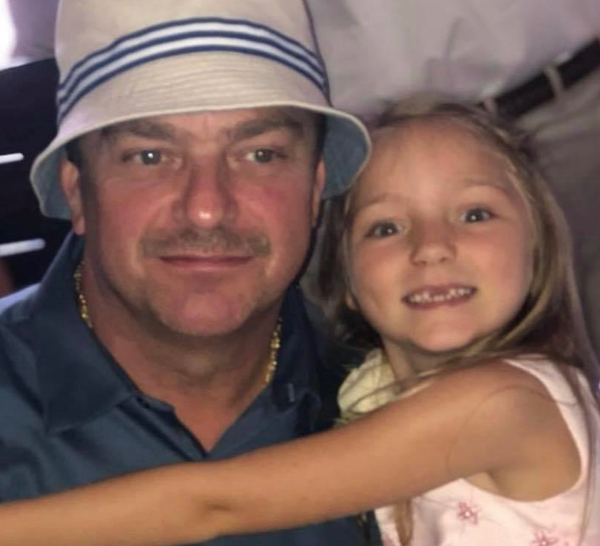
More than five years after Vernon and Kaylee Lee were killed in their home, a jury delivered life sentences. Their family and the prosecutor believe someone else sent the killers, and that person has never been charged.
I'm Shay McAlister, and this is Shay Informed: an independent, ad-free platform dedicated to honest journalism with compassion and clarity.
I believe some stories are too important to stay behind a paywall. That's why I'm making this piece free to read for everyone. Informed communities make better decisions and that can only happen when people have access to honest, thorough reporting.
Shay Informed is 100% reader-funded. No ads. No corporate backing. Just journalism that answers to you. If you'd like to help keep this work going, please consider subscribing.
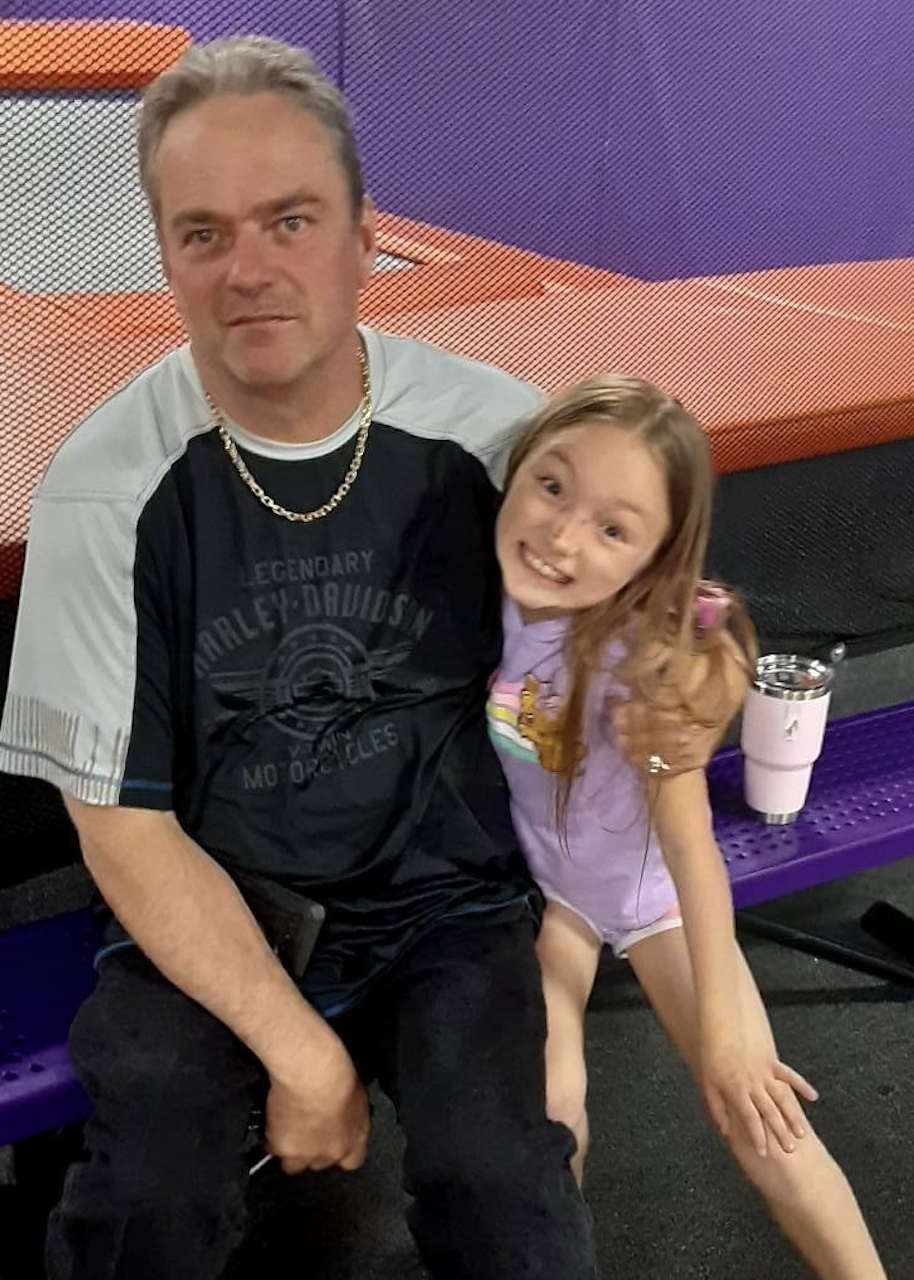
More than five years after 52-year-old Vernon Lee and his 9-year-old daughter, Kaylee, were shot and killed inside their Jefferson County home, a jury has convicted the two men charged in their deaths.
Antonio Sanderson and Antonia Brown were each found guilty of two counts of murder and first-degree robbery after a two-week trial that wrapped up earlier this month. The jury recommended life without the possibility of parole for Sanderson, who will be formally sentenced on January 6. Brown chose to be sentenced right away, and he received life with the possibility of parole.
For Vernon's children, it's the most justice the system could give them. But they will tell you, and so will the prosecutor, that it isn't the whole story.
"There's still more work to be done," Vernon's daughter Amanda Lee told me.
This trial got almost no media attention while it was happening. Amanda reached out to me because she wanted the community to know how this ended, and that it hasn't fully ended at all.
Too busy to read? Paid subscribers can listen to this story right now on this week's new episode of One More Question. Add the podcast to your library, wherever you listen! New episodes drop on Monday morning.
According to Louisville Metro Police, officers were called to Lyons Avenue in Valley Station on a report of a shooting. They found Vernon and Kaylee shot to death, and items appeared to be missing from the home.
Vernon's daughter, who goes by Angie, found them. She testified at trial that she hadn't heard from her dad or her little sister all day, got worried, and went over to the house with her mother on August 15.
A neighbor across the street told jurors her husband heard a gunshot the night before. The home sits close to the Knob Creek gun range, so gunfire wasn't unusual, and they didn't think anything of it. The next day, that neighbor heard Angie on the phone with 911, ran over to help give dispatchers the address, and went inside at the operator's direction to see if anything could be done. It was far too late.
Vernon's son Daniel got the call at work from his stepmom. "Hey, you need to come to the house now. Your dad is dead," is how he remembers it. He didn't learn until he was on his way that Kaylee had been killed too.
Then came hours outside the crime scene tape.
"All we can tell you is they're both deceased," Daniel recalled officers telling the family. It was two or three hours, he said, before they learned the two had been shot, and weeks before they learned how.
Vernon Lee had 10 children, and his kids say he was involved in every one of their lives.
"Our dad started early and never stopped," Amanda said. "He loved being a dad."
The three youngest, Kaylee, Lucas and Harley, lived with him, and he was their full-time provider. Lucas and Harley were toddlers when he was killed. Daniel has raised Lucas ever since.
"He's very well aware that we both had the same dad," Daniel said. "But the way that his life has been handed to us, he now is brothers with his nephew."
Vernon was an entrepreneur. He ran a tire shop and flipped houses, and he gave Daniel one of his first jobs. The two had been buying properties together, building something Vernon hoped would last for generations. Daniel has kept that work going.
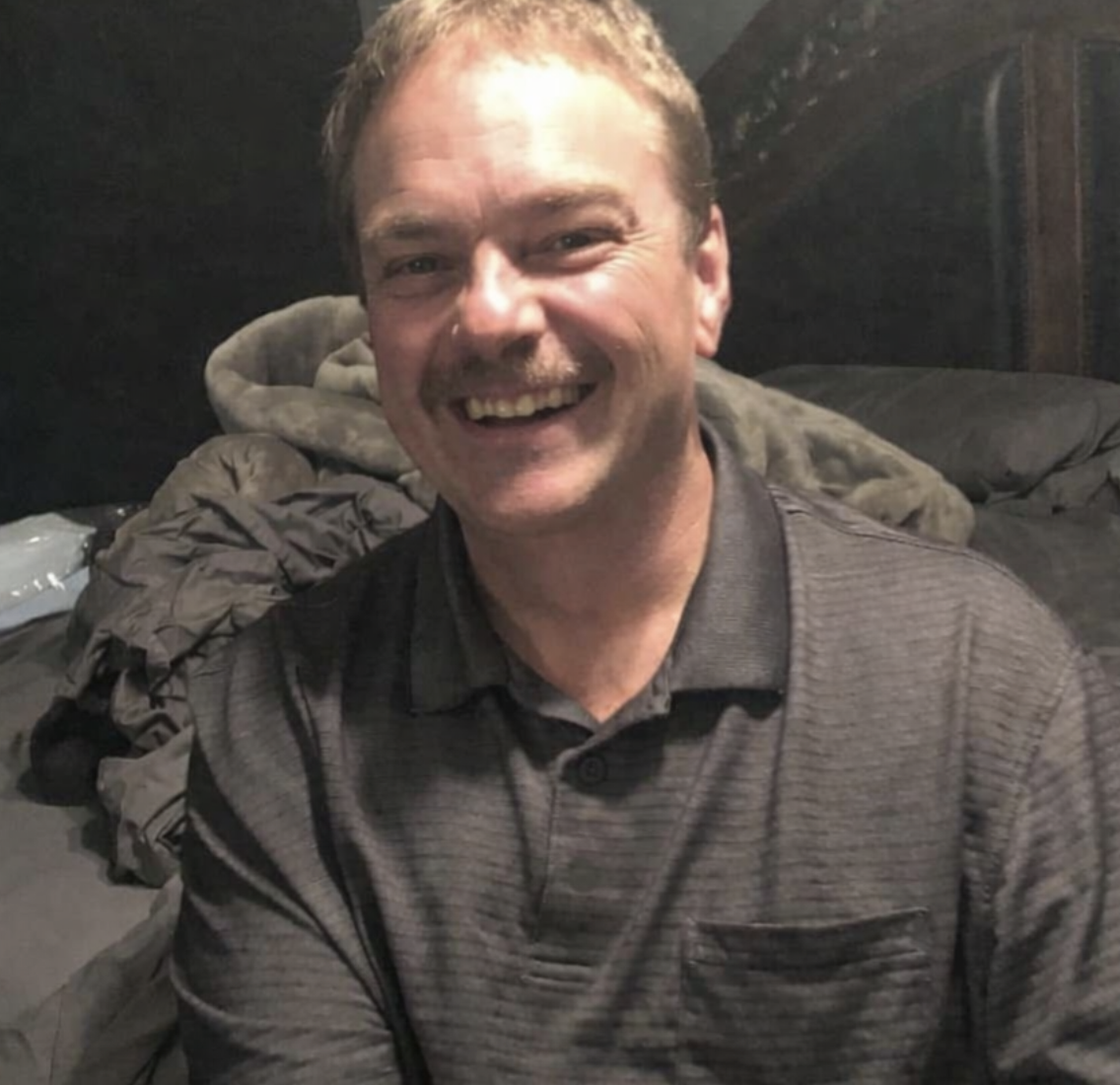
"I didn't want to just let it all go and crash and burn," Daniel said, "or just delete his history."
Amanda said her dad had a past, but that he turned his life around and poured himself into his family. He gave to the WHAS Crusade for Children, and when the letters came telling him about the kids his donations helped, he hung them up instead of tossing them in the mail pile.
"He was a sentimental man with a huge heart," she said. "The type of person you want in your community."
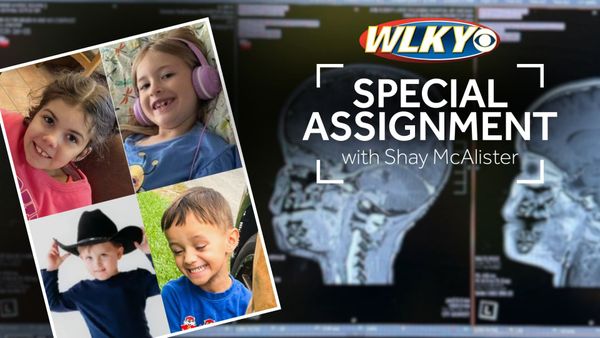
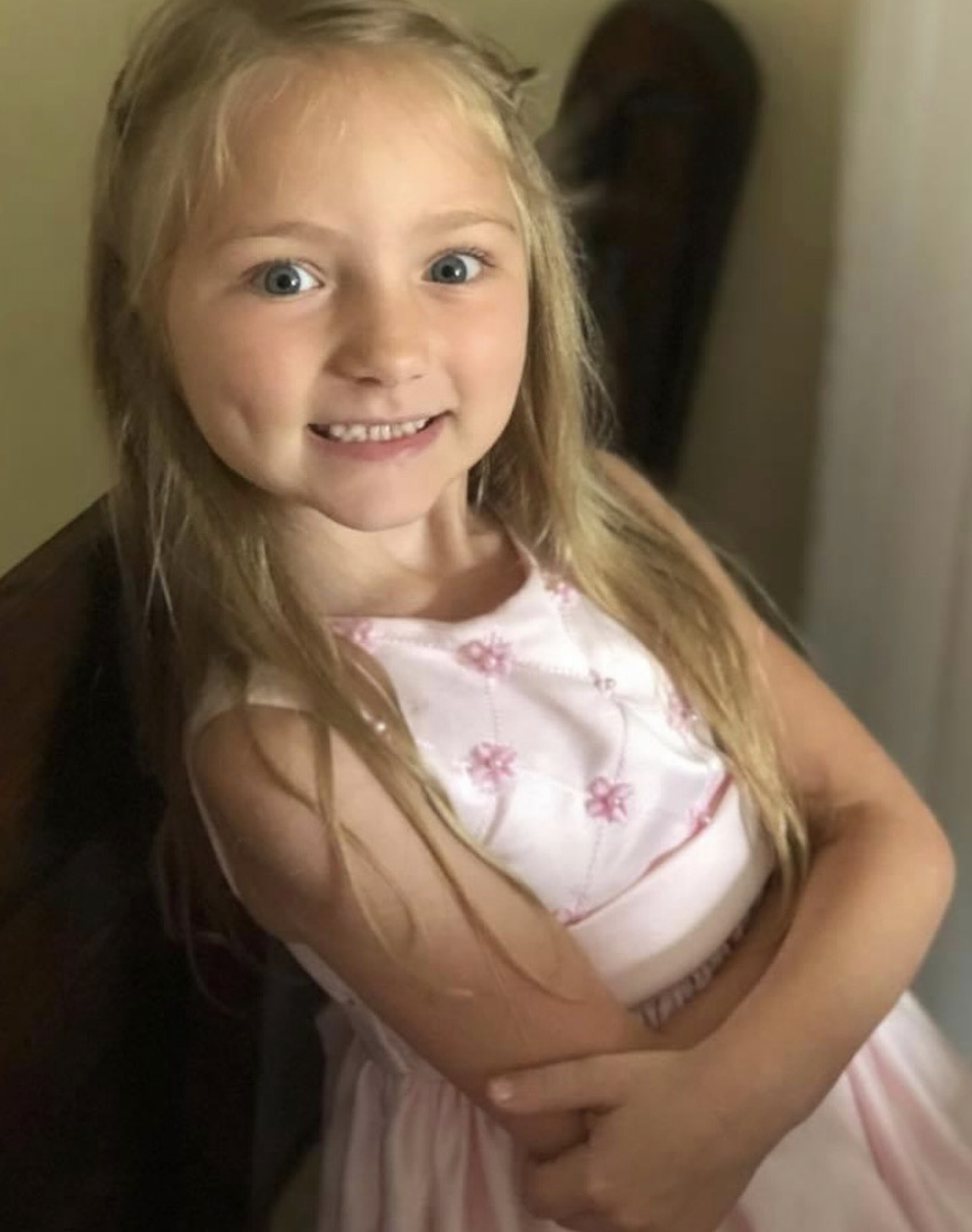
Kaylee was the one who brought everyone together. She was born in poor health and spent time in the NICU, and Amanda remembers her dad going to the hospital every day to feed her, change her and hold her.
By the time she was 9, she was a daddy's girl with a big personality. She was always laughing and loved being a big sister to the little ones.
"She was the glue to our family," Daniel said. "It's weird that a 9-year-old girl made our family stronger."
"She fought to be here on this earth," Amanda said. "And it was taken from her."
For seven months, the family had no idea who killed Vernon and Kaylee, or why.
"We were scared to death all those months," Amanda said. "Was this somebody that we knew? Somebody who knew who we were?"
Amanda was living in Florida at the time. She moved home to be closer to her family, and she remembers wondering whether it was even safe to come back. Her siblings took extra precautions to protect themselves.
Behind the scenes, LMPD detectives were building the case almost entirely through technology.
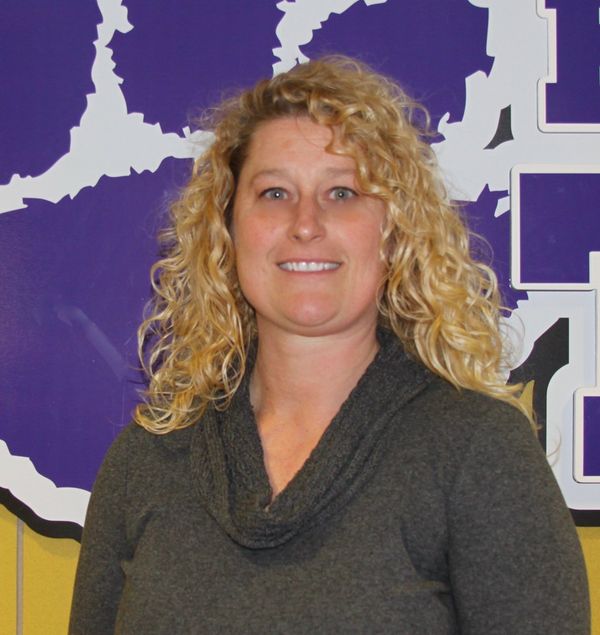
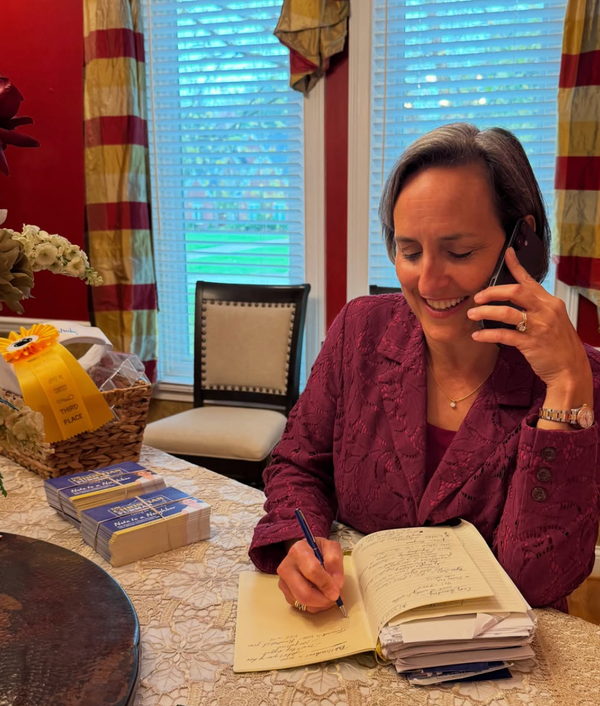
Elizabeth Jones Brown, the prosecutor who tried the case for the Jefferson County Commonwealth's Attorney's Office, said the first break came from a geofence warrant. With a search warrant, Google could tell investigators which devices using its services had been inside an imaginary boundary around a property during a set window.
"One of those devices was the victim's, and then the other was one of the defendants. So that's how the lead detective started his path to figuring out what exactly was going on," she explained.
One was Vernon's. The other belonged to Antonia Brown.
From there, the lead detective followed Brown's phone records to a number Brown called repeatedly around the time of the murders. That number wasn't in Antonio Sanderson's name. It took search warrant after search warrant, linking it to emails, a Cash App username, a Gmail account with photos of Sanderson stored in the cloud, and even a pizza order to an address tied to him.
"This case was solved primarily through technology," the prosecutor said.
Police arrested the two men about seven months after the murders, one here in Louisville and one in Arizona. Brown admitted to police that he and Sanderson went to Lyons Avenue to rob Vernon.
The family's first reaction was relief that this wouldn't become a cold case. The second was confusion. Nobody in the family, and none of Vernon's friends, recognized either man.
"We had to research them with public records to even find out: are they from Louisville?" Amanda remembered.
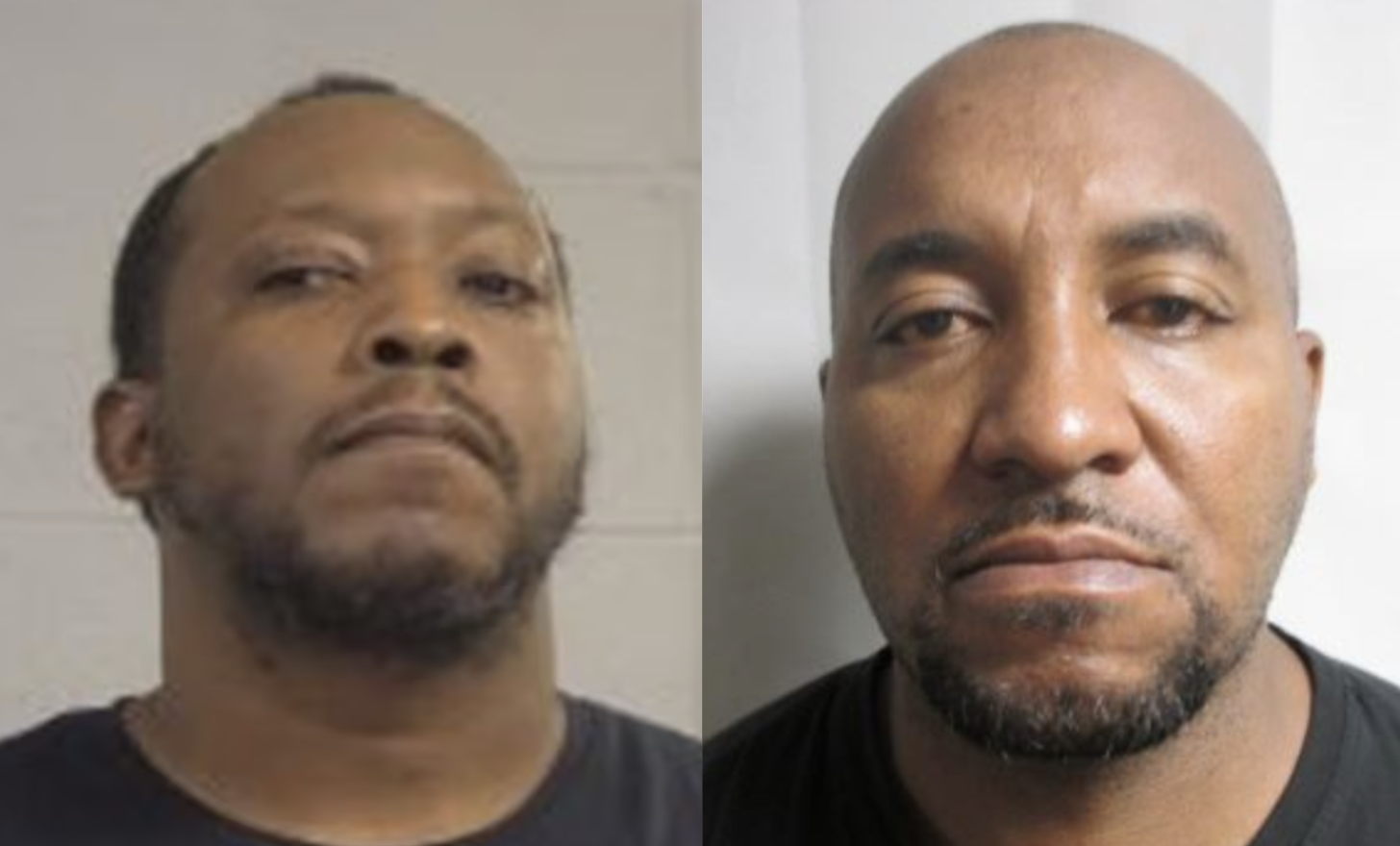
The case took more than four years to get from arrest to a jury.
Along the way, the family said, there was talk of a plea deal. Daniel said the family was open to one if it led to charges against others they believe were involved. But he said what Sanderson wanted in exchange would have meant no prison time at all.
Jones Brown said she wasn't willing to trade lesser punishment for the men who were inside that house. "Whoever put a gun six inches from Kaylee's face and shot it was one of these two, not the other guys," she said.
The trial finally started in April, but the court couldn't seat enough jurors and it had to be scrapped. With multiple attorneys involved, it took until November to find a new date. The family had already taken time off work and braced themselves once.
"That was devastating," Amanda said. "But I feel like it kind of also prepared us more for this trial, knowing anything can happen."
One of the things jurors heard was Antonia Brown's own statement to police.
In it, Brown admitted he was there. He said Sanderson, his cousin, called him to help with a robbery. He said the two had driven by Vernon's house several times in the days before, scoping it out and waiting until Vernon was home. And he insisted he never signed up for a murder, telling police he was surprised when the first shot went off.
The family doesn't buy that.
The family believes Vernon cooperated. Jones Brown said there was no damage to the front door, and that Vernon likely got a phone call from an associate right before the men arrived. The safe was kept in a storage pod outside the house, and the family said neither the pod's lock nor the safe was forced. Grainy surveillance video showed the side door to the home opening at least once during the time the men were inside, likely a trip out to the pod.
"These are all things that my dad willingly did to prevent them from causing any physical harm," Daniel said.
The safe was emptied. So were Vernon's pockets. His gold jewelry, which he collected, and family heirlooms meant to be passed down were all gone. Daniel said his father's hands had been bound behind his back.
"They took everything and then killed them," Amanda said. "Why kill our sister? She was nine years old."
There was one piece of Brown's statement the jury never heard: his account that Sanderson was the shooter. Under a legal rule known as the Bruton rule, a defendant's statement can't be used against a co-defendant who has no chance to cross-examine him, and Brown didn't testify. So every mention of Sanderson had to be cut out. Jurors could hear that Brown admitted being with someone else, but not who.
That led to the most nerve-racking moment of the trial. When a detective on the stand answered yes to whether Brown had told police who did it, Sanderson's defense asked for a mistrial. With the jury out of the room, Jones Brown argued that another detective had answered a similar question earlier without any objection. The judge let the trial continue.
"We were all really biting our nails," Amanda said, "wondering, are we going to have to go through this again?"
The jury deliberated about three hours. Brown's verdict was read first: guilty, with a recommended sentence of life with the possibility of parole.
Amanda said her heart was racing. If Brown got life with parole, would Sanderson get the same, or less? Then came Sanderson's: guilty, with a recommendation of life without parole.
"It felt like everything was worth it," Amanda said. "Five-plus years, and we finally got the most justice we could out of this process."
Jones Brown called it the right outcome. She said Brown reacted strongly when asked whether he was the shooter, and had a hard time looking at the photo of Kaylee as police found her. His attorney argued that showed he wasn't the one who pulled the trigger.
"I could also see that cutting both ways," she said. "But I feel like the jury probably thought he wasn't the shooter, and that's why he got a life sentence instead of life without parole. I think the jury was very thoughtful about it."
The family credits Jones Brown, the detectives, and a victim advocate for getting them here. Daniel said the prosecutor was as frustrated as they were every time the case stalled, and never held Vernon's past against him.
"She cared," Amanda said. "It felt like as much as we cared."
Jones Brown said the feeling went both ways. She told the family at the end that the way all of them stuck together, showing up every single day, said a lot about their dad.
"I'm sure that Kaylee would have grown up to be equally as wonderful as her siblings," she told me. "That's obviously a huge loss for our community."
Everyone involved in this case agrees on one thing: Antonio Sanderson and Antonia Brown didn't pick Vernon Lee's house on their own.
The two men were strangers to Vernon and his family. In his statement, Brown told police they met beforehand with people he didn't know, who told them where to go, who to rob and when.
"We do believe there were other people involved in this," Jones Brown said. "We've never had enough information to charge them."
She said that theory was one detectives were already working with, and Brown's statement confirmed it. Police showed Brown photos of people they suspected, but he said he never got a good look at their faces and couldn't say whether they were the ones who sent him.
The family believes they know who set it up: someone Vernon considered a friend, who knew his routines and what he kept in that safe. Amanda remembers that person at her dad's Fourth of July party in 2021, Vernon's favorite holiday, just over a month before the murders.
"So a little over a month after him coming to our family Fourth of July, he was, I guess, making plans for this to happen," Amanda said.
The family says evidence at trial traced a chain of connections from that person, through a second man, to Sanderson. Neither has been charged in this case.
"To hear that in trial and know that they could link these guys to this, and that they are the link between these men and my dad, that was extremely disheartening," Amanda said. "Because they're not being held accountable at all."
Jones Brown also doubts this was a 'robbery gone wrong'.
"The rumor was that it was a hit," she said. "I feel like if they were just down there to take stuff, they could have done that when Vernon wasn't home. Instead, they specifically waited for him to be home."
She acknowledged how hard it is to know people connected to the crime are free. She noted that one of the men connected to the case was later prosecuted federally on drug charges, and information about the Lees' case was allowed in at that sentencing.
"Hopefully the family takes a little bit of comfort in that," she said.
The case is not closed. According to the family, the lead homicide detective confirmed on the stand that it would be reopened if new information comes forward, and Jones Brown said the same.
"If other evidence comes to light, yes, we will pursue that," she said.
Vernon's children are grateful, and they're exhausted. Five years of hearings, a scrapped trial, and two weeks in a courtroom have taken a toll. But they wanted the community to hear two things.
First, who Vernon and Kaylee were, and that they didn't deserve any of this.
Second, that this case isn't finished.
"The door isn't closed on this," Daniel said. "There are other parties that had doings in this. If anyone had any information, they could always come forward with it, and that could potentially lead to more convictions."
Amanda hopes the verdict makes that easier.
"Hopefully anyone who has information can now feel comfortable sharing that information," she said, now that at least one of the men will likely never get out of prison.
Antonio Sanderson is scheduled to be formally sentenced January 6.
If you know anything about the murders of Vernon and Kaylee Lee, you can call LMPD's anonymous tip line at 502-574-LMPD (5673).
Like what you see? Learn more about Shay Informed here! This is honest journalism with compassion and clarity.