Yes, you really can die from a broken heart- here's what a Louisville cardiologist wants you to know

– 4 min read



With Valentine's Day right around the corner, love is in the air for a lot of people. But for those dealing with heartbreak, grief, or overwhelming stress? Not so much.
"I'm Shay McAlister, and this is Shay Informed: an independent, ad-free platform dedicated to honest journalism with compassion and clarity.
Are you new here? Sign up for the free weekly newsletter or subscribe to support our mission and access behind-the-scenes content, podcasts, and in-depth stories reserved for paid subscribers.
Here's something most people don't realize: "broken heart syndrome" is a real, diagnosable medical condition- and in rare cases, it can actually kill you.
"In very rare cases, it can be life-threatening, so you can actually die from a broken heart," said Dr. Mrin Shetty, a cardiologist at UofL Health- Heart Hospital and Director of the Women's Heart Program.
It's not just a figure of speech. And it's not something Dr. Shetty sees once in a blue moon- she says she encounters it regularly.
"Usually when I'm on service, I will see at least one or two cases every week, so it's not something that's uncommon," she said.
The medical name is stress-induced cardiomyopathy, or Takotsubo cardiomyopathy. The name actually comes from the Japanese word for octopus trap- because of what happens to the heart during an episode.
"It's a phenomenon where the heart suddenly weakens because of exposure to sudden stress. That may be emotional or physical," Dr. Shetty explained. "When we look at the heart at that time, it actually looks like it's ballooning out."
When someone is diagnosed, part of their heart stops pumping the way it should, while the rest continues to function normally or even contracts more forcefully to compensate.
One of the scariest things about broken heart syndrome is that there's no way to tell it apart from a heart attack on your own.
"Crushing chest pain, shortness of breath, feeling like your heart is racing, or you feel weak, like you might pass out because your blood pressure may drop," Dr. Shetty said. "All of these things could be stress cardiomyopathy or a heart attack."
That's why she says doctors have to rule out a heart attack first- by checking for blockages in the blood vessels that supply the heart - before looking for other causes.
And her message is clear: don't try to tough it out.
"All of these things are your heart telling you that something is going on. We don't want you to ignore it- call 911."
Here's a detail that might surprise you: 90% of people who come in with broken heart syndrome are post-menopausal women.
"There's something about the hormone shifts that lead to this kind of event," Dr. Shetty said.
Other risk factors include anxiety, depression, and a susceptibility to migraines.
While losing a loved one or going through a breakup are common triggers, broken heart syndrome doesn't only strike during sad moments. Sometimes, it's the opposite.
"The holidays can be emotionally loaded, but we don't have data to support those trends," Dr. Shetty said when asked whether Valentine's Day might cause a spike in cases. "What we do know is that it's acute stress stages, like losing a loved one or a breakup. Sometimes it could be a happy stress. There was a case of a woman who won the lottery, and that's when she experienced it. We called it happy heart syndrome."
The timing is usually immediate- right after the emotional trigger hits.
"It usually happens right after you hear the news, so it's that small window when there's that surge in hormones or adrenaline," she said. "But the risk declines as time spaces out."
Treatment is usually straightforward- medication like beta blockers- and Dr. Shetty says most patients see a full recovery in a few weeks to months.
But she wants people to take a bigger lesson from all of this.
"I think people need to know that the mind-body axis is a real thing," she said. "We need to emphasize stress reduction and start prioritizing it more. Stress reduction and maintaining a healthy lifestyle overall."
Broken heart syndrome is a powerful reminder that our emotional health and our physical health are deeply connected. Whether it's a breakup, the loss of a loved one, or even an unexpected windfall, extreme stress can have real, physical consequences for your heart.
If you're experiencing chest pain, shortness of breath, or other heart-related symptoms during a time of extreme stress- don't brush it off. Call 911.
Your heart is worth protecting in every sense of the word.
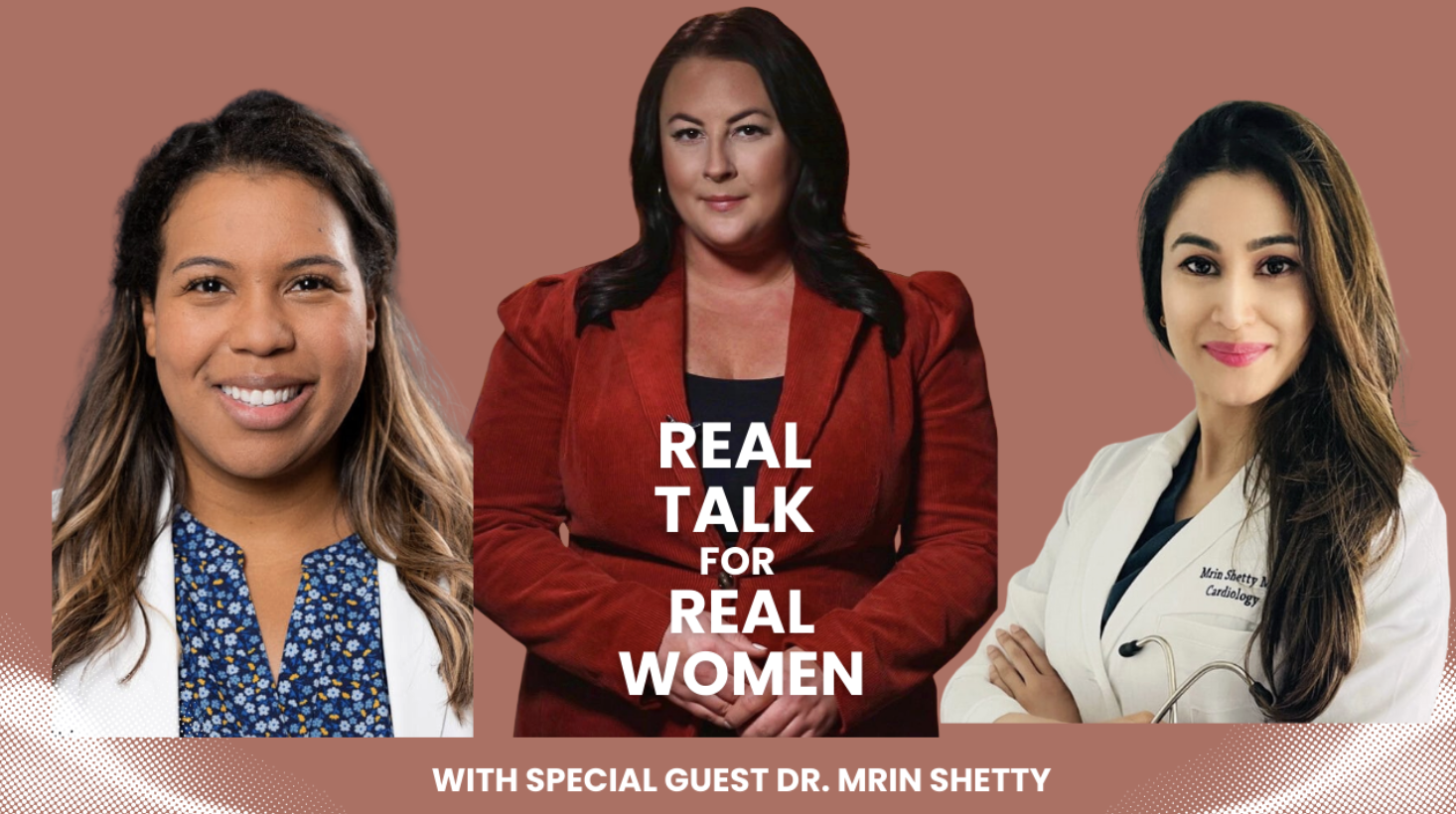
PS- Dr. Shetty is our special guest on this month's episode of 'Real Talk for Real Women'. In this episode of Real Talk for Real Women, Dr. T and I sit down with Dr. Shetty to talk about why heart disease is the #1 killer of women, what's being missed- and what could save your life.
Like what you see? Learn more about Shay Informed here! This is honest journalism with compassion and clarity.