Bar owners launch counter-petition as battle over Bardstown Road's future intensifies

– 6 min read


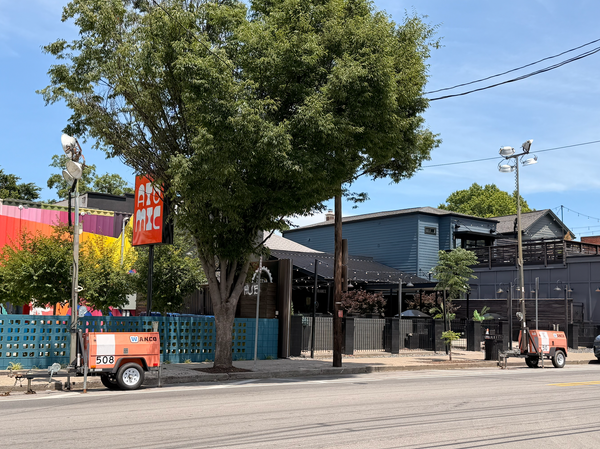
More than 20 Highlands businesses could be forced to close if a "moist" vote passes. Now, bar and restaurant owners are fighting back.
"I'm Shay McAlister, and this is Shay Informed: an independent, ad-free platform dedicated to honest journalism with compassion and clarity.
Are you new here? Sign up for the free weekly newsletter or subscribe to support our mission and access behind-the-scenes content, podcasts, and in-depth stories reserved for paid subscribers.
Bar and restaurant owners along Bardstown Road are pushing back against a petition that could dramatically reshape- or, they say, devastate- the Highlands' entertainment corridor.
Residents in three Highlands precincts- L170, L171, and L173- filed paperwork on June 26 initiating a process that could lead to a vote on making the area "moist," a designation that would limit alcohol sales primarily to restaurants meeting strict food revenue requirements. The Louisville Hospitality Association, which represents more than 50 bars and restaurants across Louisville, says the consequences would be catastrophic- and largely misunderstood by the people pushing for it.
"This is the nuclear option," said Sean Vandevander, co-founder and spokesperson for the Louisville Hospitality Association. "You're going to wipe out the entire neighborhood."
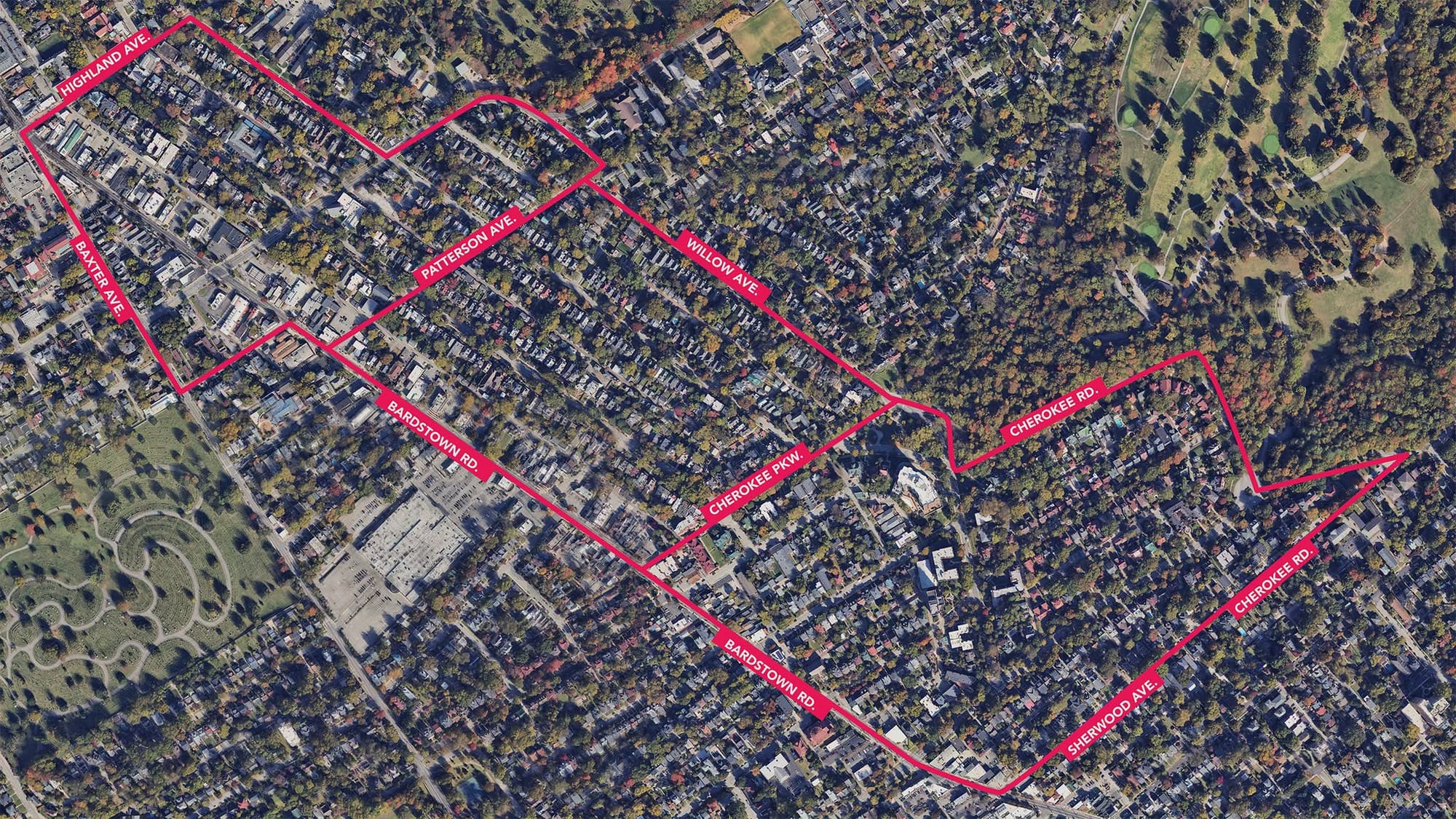
Under a moist designation, alcohol sales would be limited primarily to restaurants that seat at least 50 patrons and generate at least 70% of their revenue from food. Bar owners say the math is brutal.
The Louisville Hospitality Association estimates that 24 to 26 businesses along Bardstown Road would be forced to close or relocate under the moist designation, arguing that the vast majority of establishments on the corridor- bars, bourbon bars, and cocktail-forward restaurants- would be unable to meet the 70% food revenue threshold. Neat Bourbon Bar's owner, circulating the opposition petition, contends that only a handful of restaurants in the entire city currently qualify, citing places like Jeff Ruby's.
"A solution to crime is not a solution if it doesn't solve the problem- especially if it creates even more problems," he wrote in a public statement accompanying the petition.
 Shay McAlister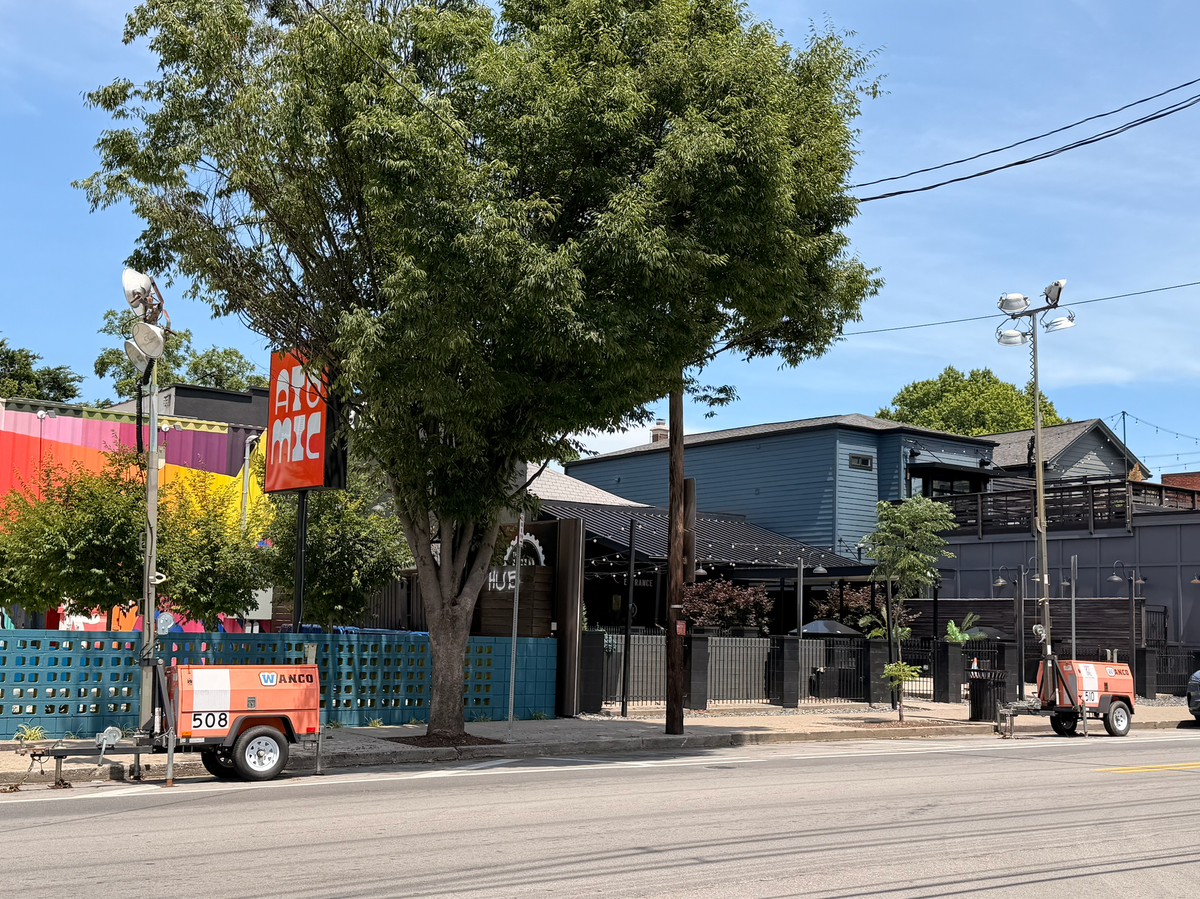
Vandevander says most people don't realize what the moist designation was actually created to do. The statute behind it- KRS 242- was originally designed to move Kentucky counties from completely dry to moist, as a first step toward becoming fully wet. It was never intended to restrict alcohol sales in an area that has operated as a thriving entertainment corridor for decades.
"This is reversing decades and decades of law here in Jefferson County," Vandevander said.
The opposition isn't just arguing about their own survival. They're making a broader economic case about what losing the bar and restaurant industry would do to the Highlands as a whole.
The Neat Bourbon Bar owner laid out a cascade of potential consequences: commercial vacancies rising, residential property values falling, and the neighborhood becoming less desirable overall. He also raised the specter of the Mid City Mall redevelopment- a major project anchored by a planned Publix- potentially stalling or stopping altogether if investors decide the neighborhood's trajectory is too uncertain.
"If I were the developer or Publix, I would be delaying the project until this issue is resolved," he wrote.
He also pointed to his own business as a case study in why the 70% food rule is unworkable for many establishments. Around 80% of Neat Bourbon Bar's customers are tourists. The bar has no kitchen and no space to build one. Every day, customers ask where to eat nearby and end up at places like Jack Fry's. Take the bars away, he argues, and those diners follow. "Take the bars away, and they will choose a different neighborhood for both food and drinks. The passage of the moist vote would shut down Jack Fry's and Neat Bourbon Bar."
Beyond the businesses themselves, Vandevander says the human cost would be substantial. The LHA estimates around 500 jobs tied to the affected establishments — single parents working second shifts, college students paying down debt, career hospitality workers with decades of experience.
Both petitions are rooted in the same frustrating reality: nothing tried so far has fully worked.
Five shootings have occurred along the Bardstown Road corridor over the last year, all after 2:00 a.m. on weekend nights. The Cherokee Triangle Association detailed the pattern in a letter to members last week, noting the incidents follow a string of violent weekends that have left neighbors frustrated and frightened.
The city has deployed significant resources in response- LMPD's 5th Division and Summer Task Force, the Jefferson County Sheriff's Office, Jefferson County Corrections, ABC enforcement, mounted patrol, temporary lighting, and more. The cumulative enforcement numbers since May 4th stand at more than 200 citations and over 100 arrests.
And still, District 8 Councilman Ben Reno-Weber has acknowledged it isn't enough. "Many people causing problems don't seem deterred, which suggests this is bigger than local enforcement alone can address," he said.
Bar owners have made a consistent argument throughout: the crowds driving the late-night chaos aren't their customers. Multiple business owners- including the owners of The Hub and the Highlands Taproom- said publicly that the people gathering on Bardstown Road late on weekend nights are primarily teenagers who aren't patronizing any establishment. Restricting liquor licenses, they argue, does nothing to address that.
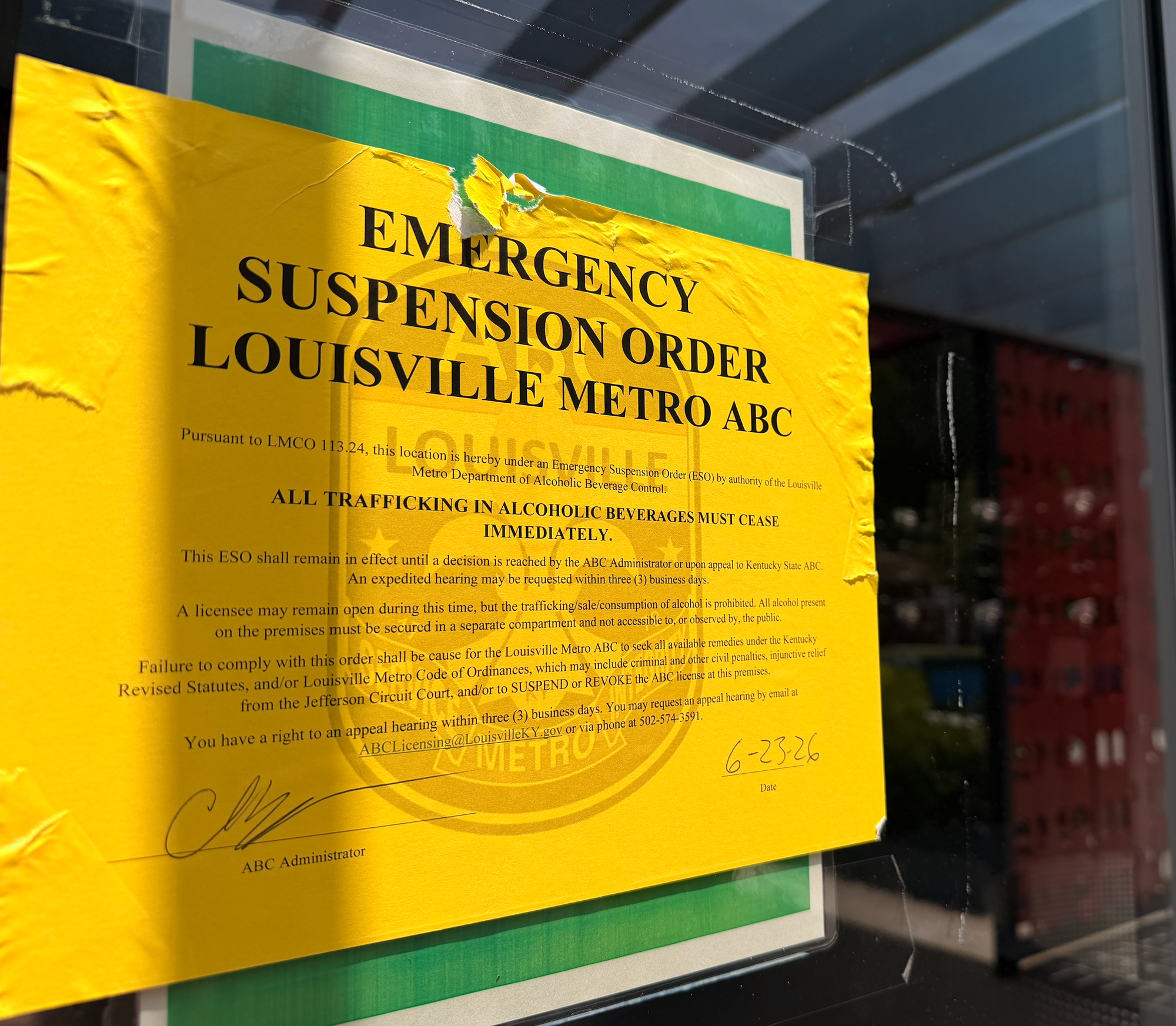
That tension reached a boiling point last month when Atomic bar owner Dustin Hensley, whose bar was hit with an emergency license suspension after the June shootings, publicly accused city officials of pressuring him to change his music to attract a whiter clientele- a charge that added a sharp racial dimension to an already complicated debate.
Vandevander says the LHA has repeatedly pushed for a stronger curfew as a more targeted solution. Louisville currently has a 1 a.m. curfew, but the LHA has asked for a 10 p.m. curfew for minors. "We keep hearing they can't enforce it," he said. "But there's already a 1 a.m. curfew they can't enforce. If 30% of the problem is teens, let's take care of that 30% and see what happens."
He was also careful to draw a clear distinction between his frustration with the petition and his view of law enforcement's role. "LMPD and ABC have gone above and beyond," he said. "They are putting their lives on the line every night to protect this neighborhood. They are not at fault here."
The clock is ticking on both fronts. Those pushing for the moist designation have until August 11 to gather enough signatures in precincts L170, L171, and L173 to force a vote. Bar owners are working to build their own opposition signature count before that deadline.
What's clear is that both sides agree on one thing: the status quo isn't working. How to fix it- and who bears the cost of fixing it- is where the battle lines are drawn.
Editor's note: A previous version of this article included an unverified claim that only approximately five restaurants in Louisville currently meet the 70% food sales threshold required under a moist designation. That figure originated with sources who oppose the petition and has not been independently verified.