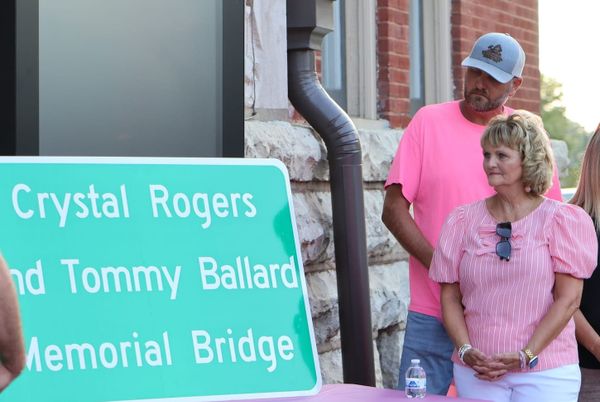
"It's going to be tricky": Louisville needs to be ready for I-65 closure- right now

– 6 min read


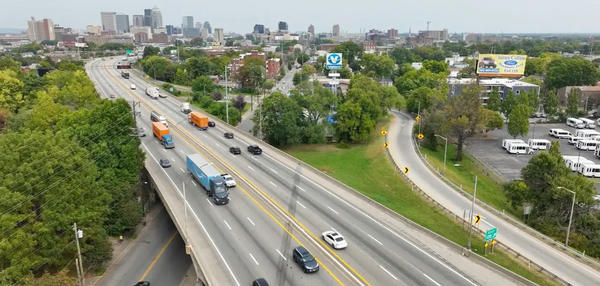
Five miles of Louisville's busiest interstate will be shut down for two months. If you don't have a plan, you need one.
"I'm Shay McAlister, and this is Shay Informed: an independent, ad-free platform dedicated to honest journalism with compassion and clarity.
Are you new here? Sign up for the free weekly newsletter or subscribe to support our mission and access behind-the-scenes content, podcasts, and in-depth stories reserved for paid subscribers.
Less than a week. That's all the time Louisville drivers have left before one of the biggest infrastructure disruptions this city has seen in years becomes reality.
I spent some time on Tuesday chatting with the team behind the I-65 Central Corridor Project to talk through what's coming. The short version: if you drive in Louisville, this affects you. Period.
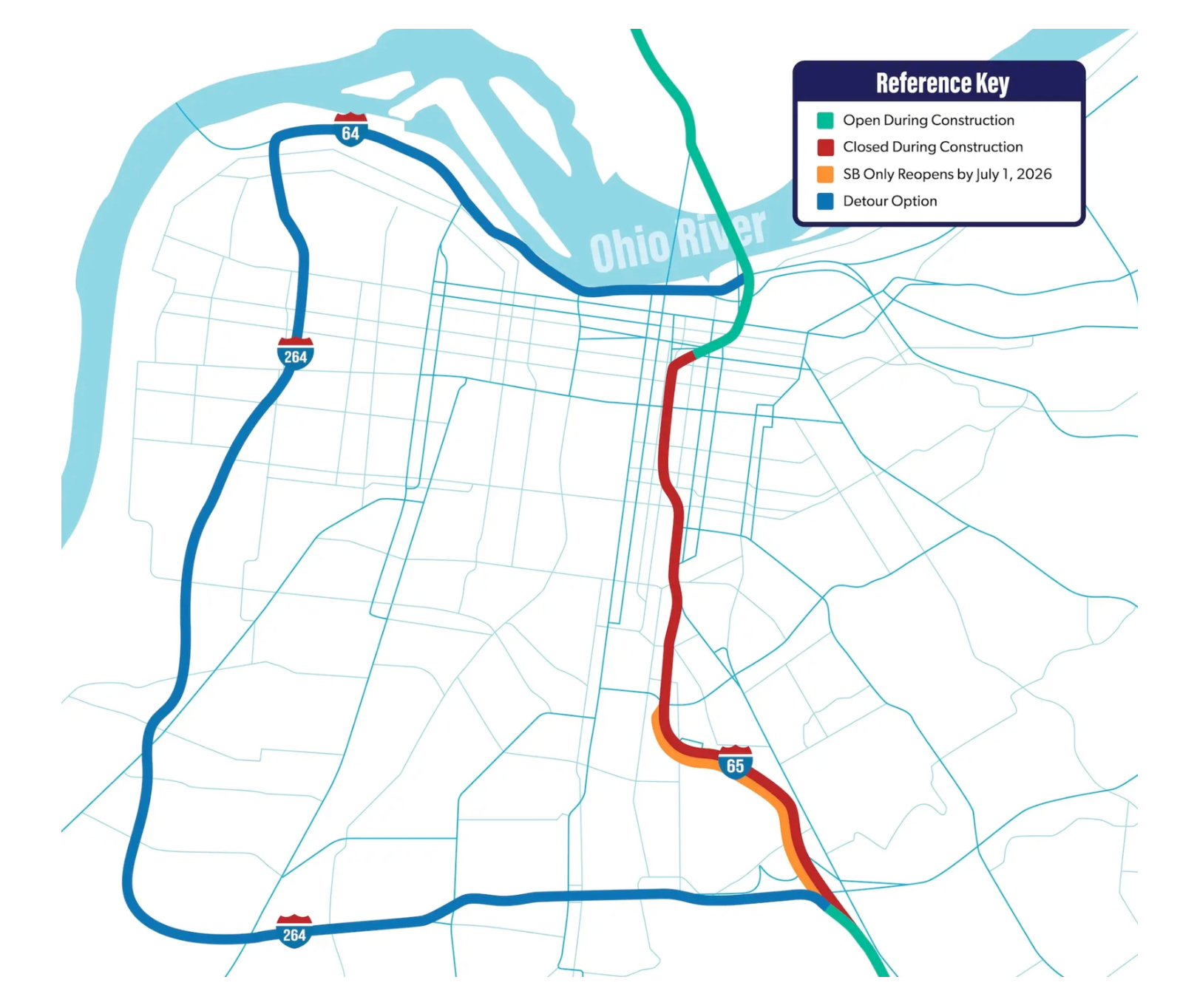
The closure itself is five miles of I-65, from the Watterson Expressway down to downtown Louisville, starting Monday, June 1st. But Mindy Peterson- the spokesperson for the project- wants every Louisville driver to understand what that actually means.
"This message is equally as important for drivers who do not take I-65," she told me. "This closure is going to impact commutes throughout Louisville."
The reason? Volume. Peterson says 125,000 drivers rely on this stretch of I-65 every single day. Come June 1st, every single one of them will be looking for another way.
"We have 125,000 drivers who are looking for other routes," she said. "Some of that is through traffic- people originating outside of Louisville and heading outside of Louisville- and the signed detour is designed to swing them to the west, to I-264, the Georgia Davis Powers Expressway, and keep them out of the construction zone and off local roads and surface streets."
For the rest- the people with actual Louisville destinations- it gets more complicated. Peterson was candid about the fact that there is no magic answer.
"Everybody is starting at a different spot," she said. "Whether that's your home, your work, the kids' soccer game, and everybody is going to a different spot, and they're going to have a lot of different routes available."
Her advice? Plan something. Try it. Adjust.
"It's going to take some adjusting," she said. "You might try something one day and find out that did not work well, and you try something else the next day. And just keep in mind- a solution that didn't work on day one, two, or three doesn't mean it's not a good solution. That means it did not work in the height of the opening days of the closure, when we are all in the thick of it all."
When I asked Mindy what her single best piece of advice was for drivers, she didn't hesitate.
"Mapping apps will be your best friend during this closure," she said. "No matter which one you use- the Kentucky Transportation Cabinet has a partnership with Waze, but that doesn't mean Waze is the only one- all of the mapping apps will have the closure information, associated restrictions, and real-time traffic data."
She was also honest that even the best-laid alternate routes aren't going to be smooth sailing every day.
"We can't believe that all of those alternate routes are going to be flowing freely and smoothly all the time," she said. "Something is going to happen. Life is going to happen. Those mapping apps will provide the most up-to-date, real-time information for you and your commute."
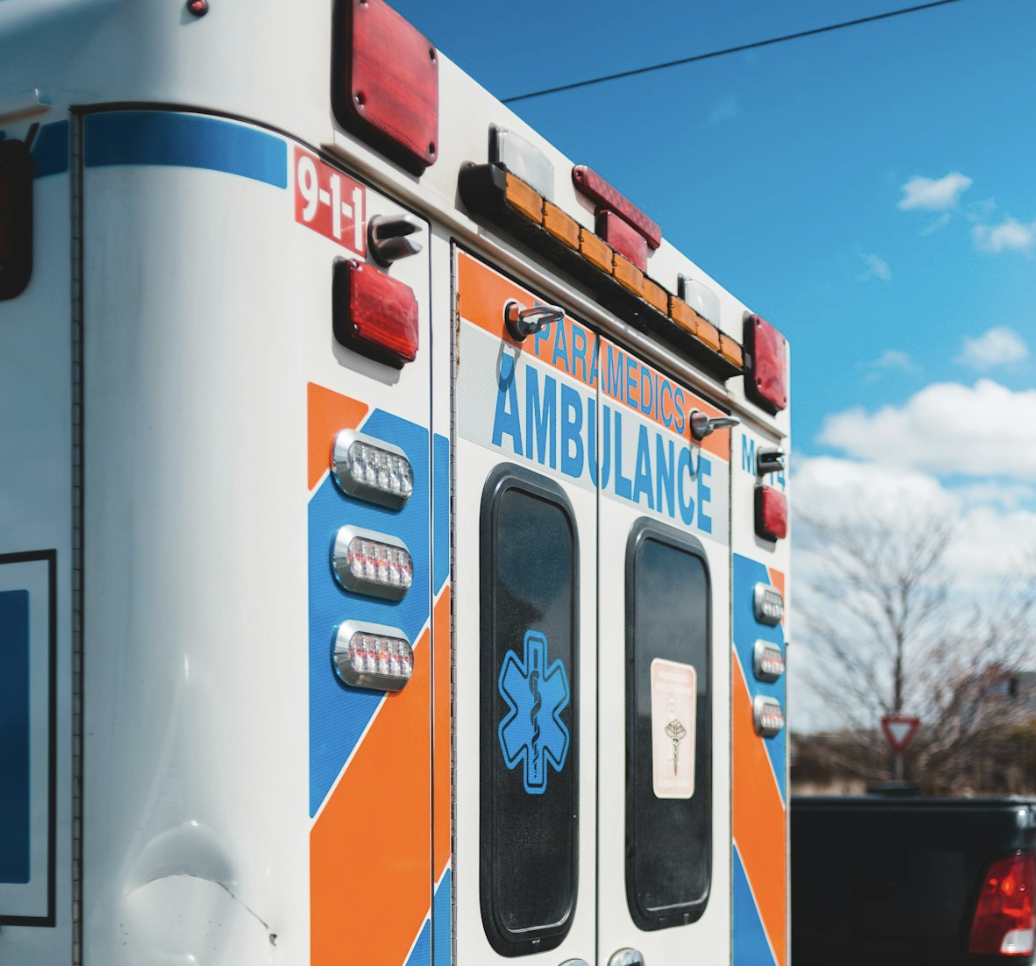
This was the part of our conversation that I think people aren't thinking about enough. When I asked about coordination with police, fire, and ambulance services- the people for whom every second counts- Peterson said that planning has been extensive and ongoing.
"There has been a lot of coordination, and it's continuing coordination," she said. "We have to make sure that emergency responders have confidence in reaching the downtown hospitals. That's vitally important. We need to make sure that people who are going to appointments, or to the downtown hospitals, have confidence whether they're in an ambulance or transporting themselves, that they know they can get there."
She also pointed to incident management as a key piece of the plan. When there's a crash on an alternate route, and there will be, the goal is to clear it as fast as possible to keep traffic from compounding. The contractor has steps in place to help make that happen.
The two-month timeline is the question I hear most from readers, so I pushed on it. Is August 1st a real reopening date, or is that the optimistic version?
Peterson was confident- and had the receipts to back it up.
"That should be when we have traffic on I-65 again," she said. "I have a lot of confidence in that date."
Her reasoning: the prep work is already done. The substructures, which is everything below the bridge deck, are more than 95% complete. New piers, new abutments, and new support systems are already in place. And in three laydown yards across the city, pre-assembled concrete deck panels are already waiting to be set.
"We have the crew in place. We have the supplies in place," she said. "A lot of those supplies have been pre-assembled and are ready to go as soon as possible."
When I mentioned seeing large cranes on the highway this past weekend, she confirmed exactly what they're for- lifting beams into place, each one weighing roughly 50,000 pounds, one at a time.
The goal during the two-month closure isn't to fully finish the bridges. It's to get enough of each new deck in place to safely reopen I-65 to two lanes of traffic in each direction. Work will continue alongside traffic after that.
Mindy Peterson is optimistic about where this project lands. But she was candid with me about the opening days.
"The drivers who have prepared are going to be driving alongside some of the drivers who are going to be surprised," she said, "and that is going to be a tricky situation."
She said there will be eyes- from the project team, from partners, from emergency responders- watching traffic patterns closely from the start, looking for trends and information that can help ease the adjustment.
"I do believe the opening days are going to be tricky. They are going to be challenging," she said. "But I think everything will settle down in a matter of days. Even come Monday, June 8th, I think it's going to be better than what it was on June 1st."
When I asked Mindy what a better I-65 actually means for Louisville when all of this is done, she put it simply.
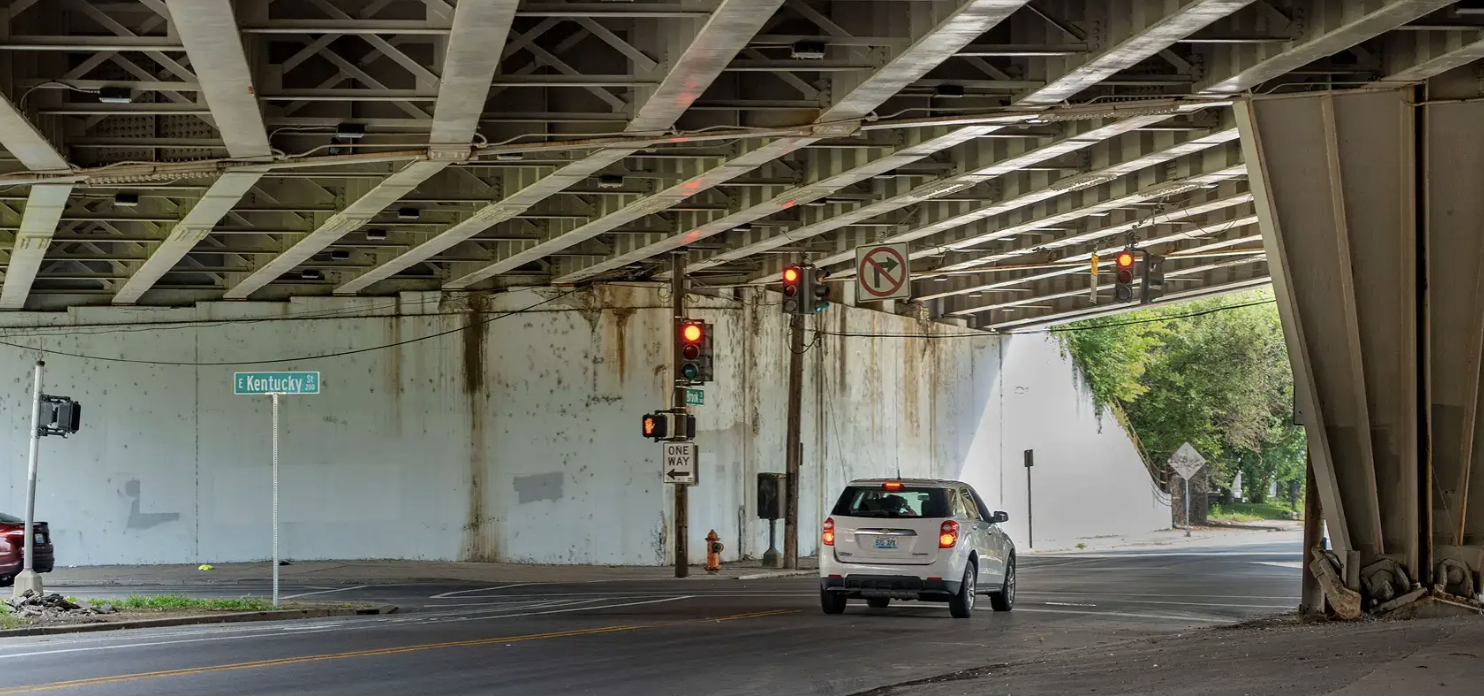
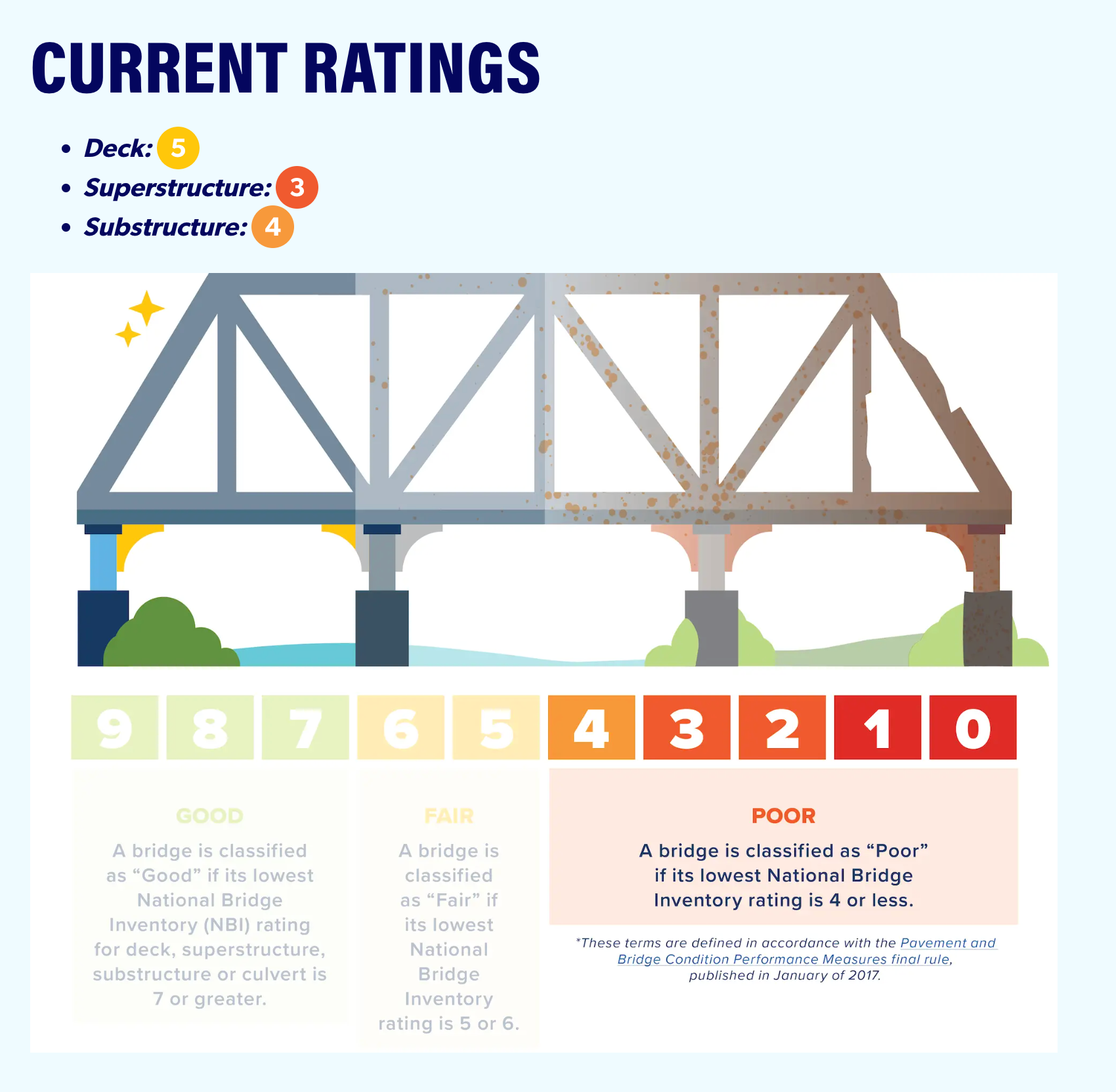
"It's very easy to take for granted what we have and use each and every day," she said. "But we have heard and seen the terrifying stories when bridges fail. These three bridges have served our community very, very well- but they've done so since the late 1950s. A bridge will reach the end of its service life, and these three bridges are at the end of their service life."
The new bridges will carry a 75-year service life. And this closure- as painful as it's going to be- saves more than a year of additional restrictions and delays that would have come with a slower, phased approach.
"It doesn't make it easy," she said. "It's going to be hard for people to keep that in mind come June 1st. But the work has to happen. We need to be able to rely on the roads and bridges that we use every day."
It's just gotta be done. And now, it's almost here.
For detour maps, ramp closure information, key destination guides, and text and email alerts, head to the project website.
Like what you see? Learn more about Shay Informed here! This is honest journalism with compassion and clarity.