Families speak out as fight to save Lee Specialty Clinic grows: 'People are going to die'
– 7 min read


A retired couple. A sister turned activist. And a rally in Frankfort that's growing by the hour.
"I'm Shay McAlister, and this is Shay Informed: an independent, ad-free platform dedicated to honest journalism with compassion and clarity.
Are you new here? Sign up for the free weekly newsletter or subscribe to support our mission and access behind-the-scenes content, podcasts, and in-depth stories reserved for paid subscribers.
When I first reported on the funding cuts threatening to gut Lee Specialty Clinic last week, I ended with an invitation: if you or a loved one is a patient, I want to hear from you.
You answered. Here is what I've learned.
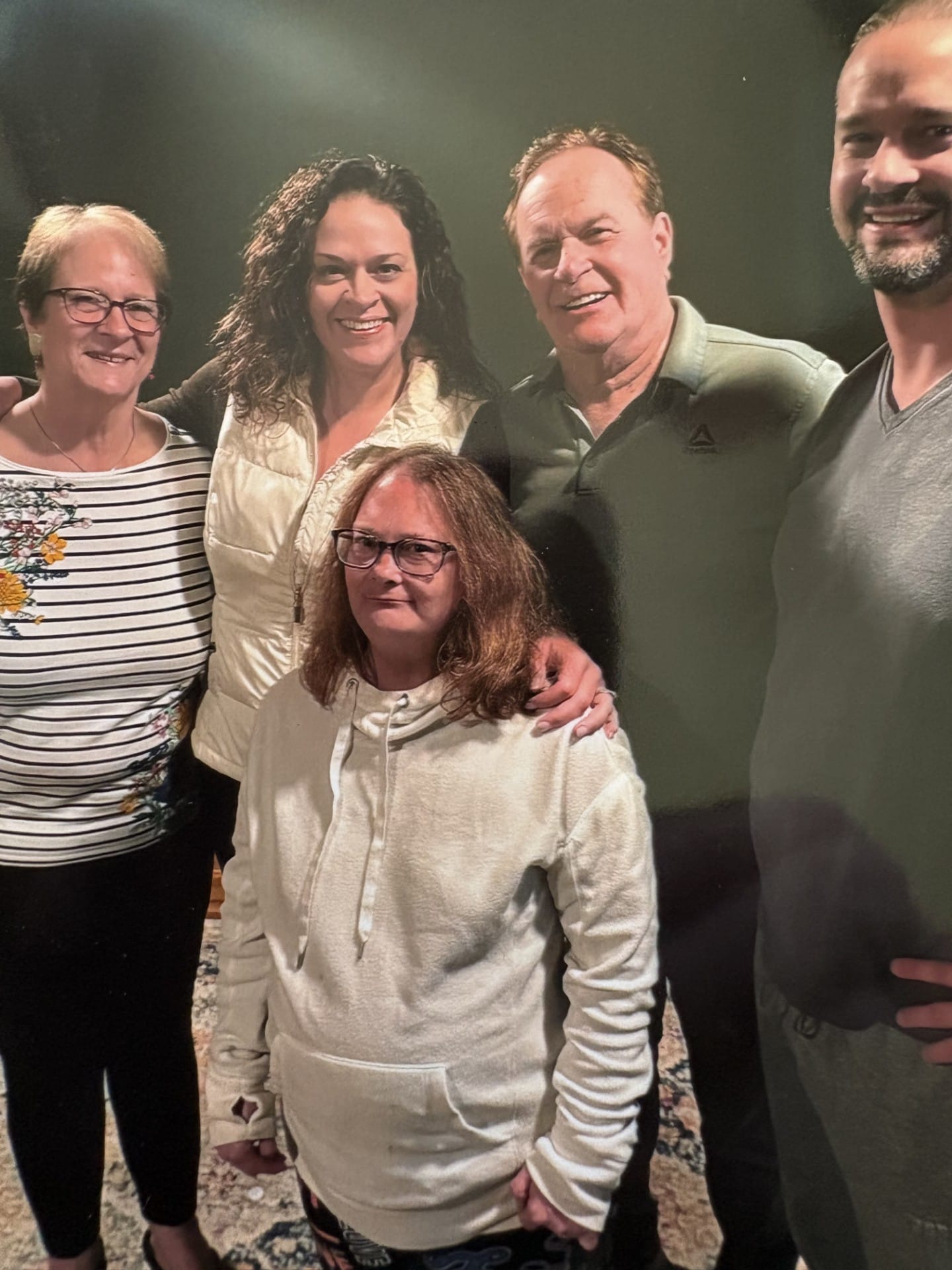
Susan and Jim Cecil have been navigating the healthcare system with their daughter Gini for more than five decades.
Gini is 54 years old and has Dubowitz syndrome- a rare condition that went undiagnosed until she was four, and unrecognized for insurance purposes until her 20s, when doctors placed her under the autism umbrella, and more services became available. She now lives in a group home with a caregiver, and her parents- who are approaching 80- have spent years doing the painstaking, exhausting work of figuring out what comes next for her.
What they found at Lee Specialty Clinic was, in their words, a godsend.
"She now feels safe in that place," Jim told me. "From the time she hits the door to check in, it's a lot different."
Before Lee, finding a primary care doctor willing to keep Gini as a patient was a challenge. Keeping her there was even harder. Her diabetes complicated things- and when she wasn't compliant with treatment recommendations, her doctor ran out of patience.
"He finally just threw up his hands and said, 'Do not bring her back here,'" Susan recalled. "We didn't know what to do."
That kind of rejection isn't unusual for families in the IDD (Intellectual and Developmental Disabilities) community. Before they found Lee, Susan and Jim once took Gini to the University of Louisville emergency room when she needed psychiatric services- the only option they'd been given.
She was kept for about five hours. "We were told to come and get her," Susan said. "Even they could not handle her."
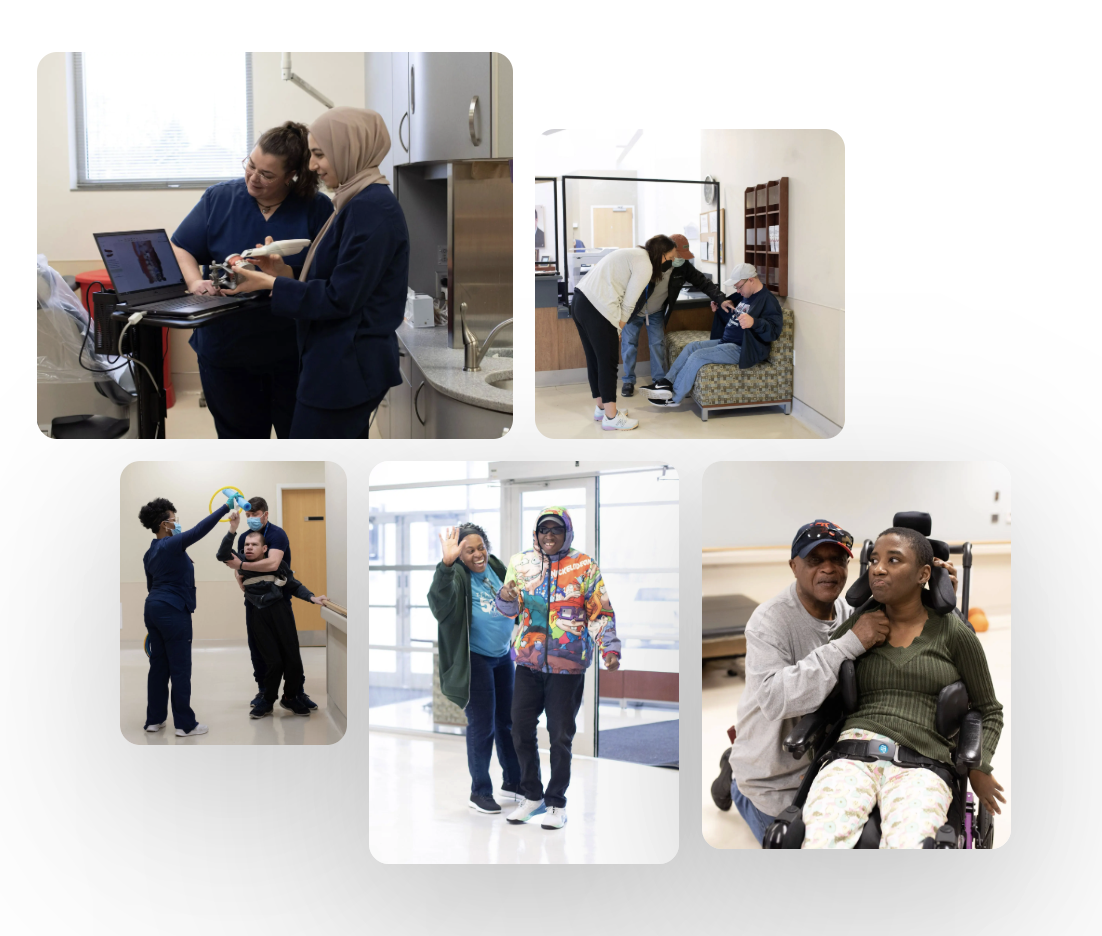
At Lee, Gini sees a primary care doctor, a psychiatrist, an endocrinologist for her diabetes, a dentist, an eye doctor, and an audiologist- all in one place, all delivered by staff trained specifically to work with her. Her caregiver handles about half the appointments. The Cecils handle the rest.
"It makes life so much more cohesive for her, and for us," Jim said.
When I asked what he'd say to decision makers, Jim didn't reach for emotion- he went straight to dollars and cents.
"These people are still going to need services, and more of them are going to get sicker. They're not going to go to wellness checks, they're not going to go get their teeth checked, they're not going to go get their eyes checked. The list goes on and on," he said. "There is no way that this is not going to cost them more money than they're saving. It just seems impossible. I don't know if they don't understand that, or if they just don't know anyone who has a disabled person in their home."
Susan added something that stuck with me. "There's just a lot of things with the adult population of this problem that have not been addressed," she said. And Lee, she believes, is one of the few places in this state even trying to address them.
The Cecils found out about the funding cuts through my Facebook post- not from the clinic. As of Monday morning, they still hadn't received any official communication.
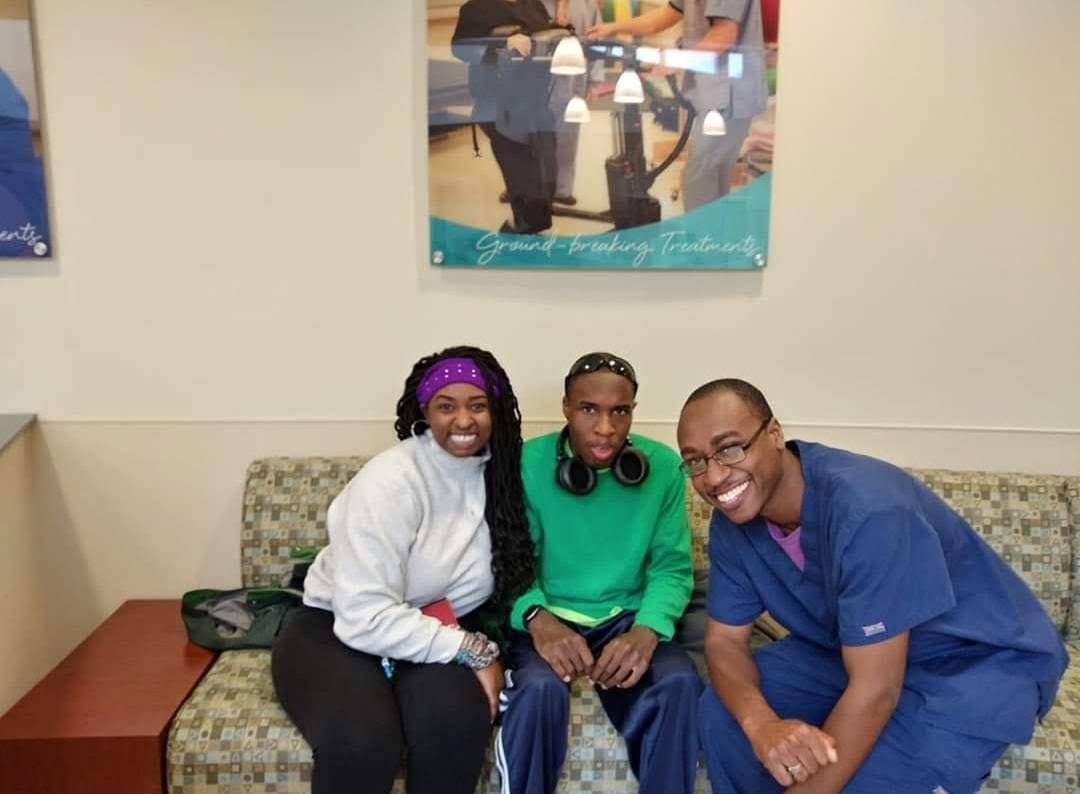
Tanaa Griffin didn't need a Facebook post to know something was wrong. She knew before most people did.
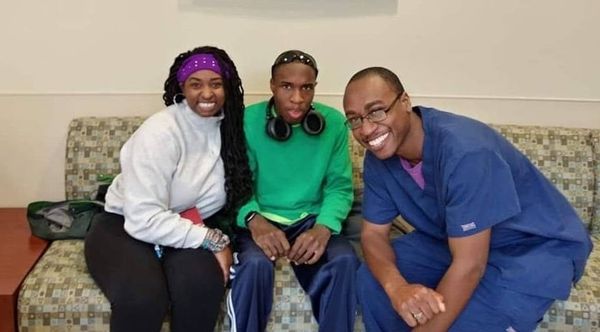
Griffin is the executive director of Flowers Blooming Events Incorporated, an organization that provides self-care events for adults with intellectual and developmental disabilities. She worked at Lee Specialty Clinic for about two and a half years. And her brother, Terrence Davis, has been a patient there since the clinic opened.
She's not just a family member or a former employee. She's become one of the central organizers of the growing push to save Lee- channeling something very personal into something very public.
"This is literally the only highly specialized medical, dental, and therapeutic care for individuals with IDD in the state of Kentucky," she told me. "There are really no equivalent alternative providers in our state."
Her brother has autism. She describes what the clinic offers him- and patients like him- as something a standard primary care office simply can't replicate.
"They have specialized equipment, restraint equipment to help those that have intense behavioral issues," she said. "They are able to work with them to calm them down so they can get their dental work done, so they can get the medical needs they need. A lot of your standard or regular healthcare facilities are going to have extreme difficulty meeting multiple clients with those needs."
But Griffin's vision for Lee has always extended beyond what it is today. She'd hoped it would expand- to more locations, to serve children, to grow into something the state could replicate rather than dismantle.
"My prayer was that this could be in multiple areas of Kentucky," she told me. "I was hoping for this to expand even further for children, because children with IDD would greatly benefit from this model."
Instead, she's fighting to keep the doors open at all.
She also made a point to mention if the clinic's outpatient side collapses, the impact won't just fall on its current patients. It will ripple outward.
"We're talking about UofL, Baptist, and Norton getting flooded with a lot of families that need complex and specialized care," she said. "That's going to overwhelm the healthcare system in Kentucky on a different level that no one has seen before."
As I reported last week, the Beshear administration has confirmed the cuts- a $4.5 million total reduction driven by the General Assembly's budget, which trimmed the Department for Behavioral Health, Developmental, and Intellectual Disabilities by 4% in FY27 and 7% in FY28. The outpatient clinic is set to operate on roughly $720,000 next fiscal year- down from approximately $7 million. Discharge notices for more than 1,000 patients started going out last Thursday night.
The administration has pointed the finger at the legislature. Legislative Republicans have said the governor has the flexibility to protect essential services. And a one-time transition allocation has been promised to extend the timeline, though how much money and how much time remain unspecified.
What I keep coming back to is this: there is a two-year wait list to get into this clinic. A dental program with more than 200 people waiting. Families driving from every corner of Kentucky, some staying overnight just to make a morning appointment. And not a single alternative provider in the state is equipped to absorb them. How is the importance of this agency lost in the bureaucratic red tape of Frankfort?
 Shay McAlister
I spoke with three clinic employees who agreed to share what they know. All three were emotional but clear-eyed about why they were talking to me.
"If our clinic closes, I'll be fine, but my patients won't be," one said.
According to staff, entire departments are being eliminated- dental, physical therapy, occupational therapy, speech, and the crisis center that serves patients in psychiatric emergencies. One employee, a 10-year veteran of the clinic, told me she fears as few as eight staff members could be left.
"You can't operate with eight people to run a dental clinic, a medical primary care, and a psychiatry," she said. "You need a team."
What frustrated them most: nobody would tell them why. Staff said the explanation they received was vague- the cuts were attributed to Medicaid and Medicare funding, and decisions made "from the top."
"We need to know where to start, and we're not getting any information whatsoever," one staff member told me. She wants to fight back. She wants to ask for the funding to be returned. She doesn't know where to start.
If you want to do something about it, here's where to show up.
A rally is being organized for Wednesday, June 24th at 1 p.m. at the Kentucky State Capitol in Frankfort.
Advocates are gathering to attend the Medical Oversight Advisory Board (MOAB) meeting and make their voices heard on Medicaid reimbursement cuts and their impact on specialty providers like Lee Clinic. Families, caregivers, self-advocates, and providers are all encouraged to come. Public comment matters- especially at a meeting like this one.
TaNaa Griffin is one of the people helping make this happen. The Cecils are thinking about going. And from what I can tell, more people are finding out about it every hour.
You can learn more about the rally here.
Like what you see? Learn more about Shay Informed here! This is honest journalism with compassion and clarity.