Fear, facts, and a family waiting: Making sense of Kentucky's organ donation fight
– 12 min read


One family's years-long wait for a donor heart offers a clearer picture than the headlines- and raises hard questions about how this story has been told.
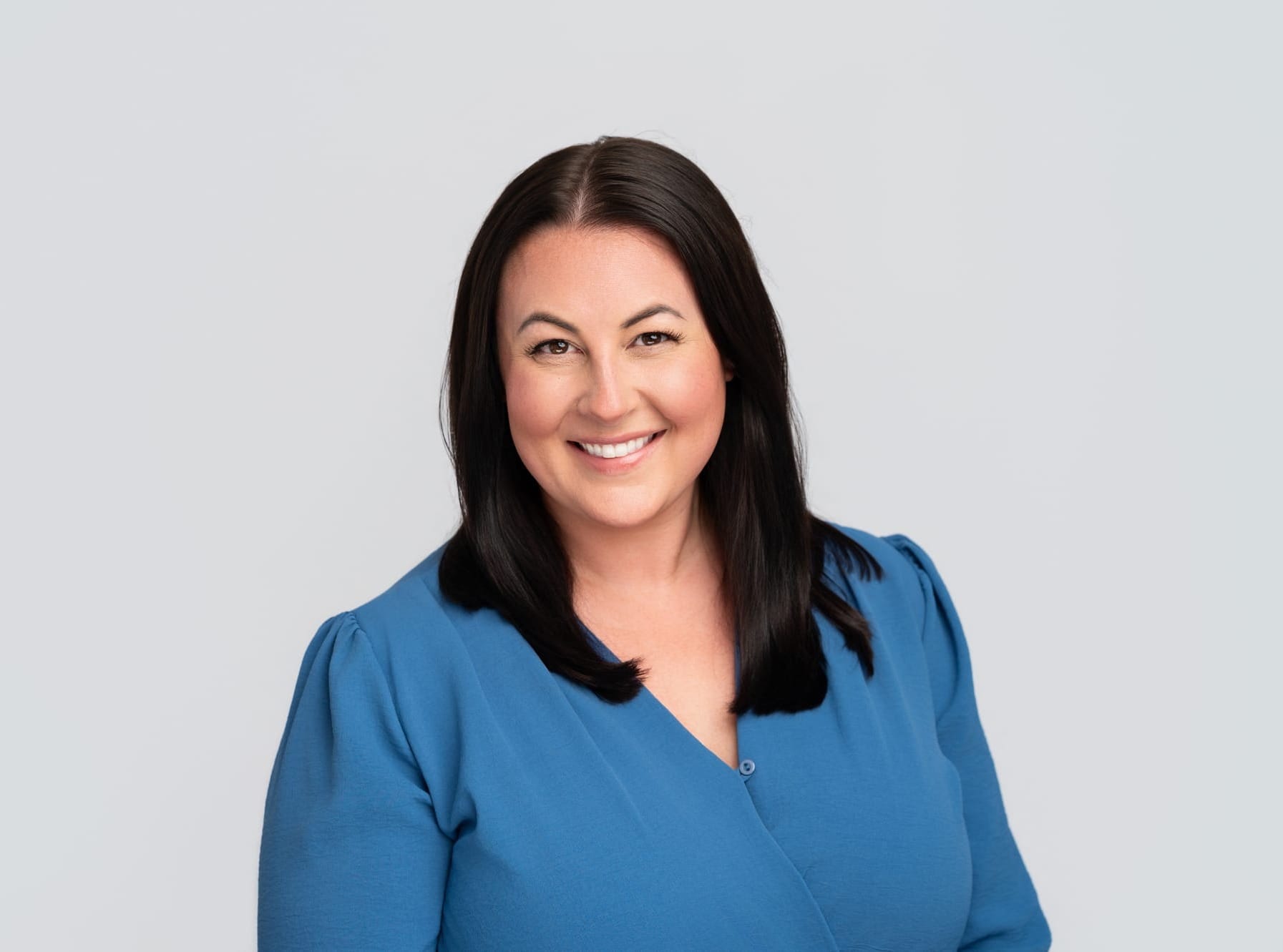
I'm Shay McAlister, and this is Shay Informed: an independent, ad-free platform dedicated to honest journalism with compassion and clarity.
I believe some stories are too important to stay behind a paywall. That's why I'm making this piece free to read for everyone. Informed communities make better decisions, and that can only happen when people have access to honest, thorough reporting.
Shay Informed is 100% reader-funded. No ads. No corporate backing. Just journalism that answers to you. If you'd like to help keep this work going, please consider subscribing.
Somewhere in Kentucky, or maybe two states over, there's a family that doesn't know it yet, but they may be about to make a decision that saves seven-year-old Henry Jones' life.
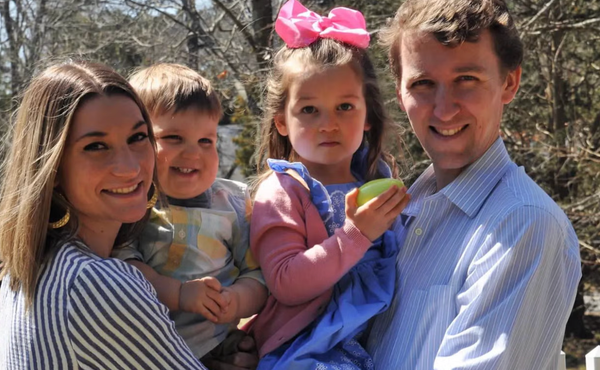
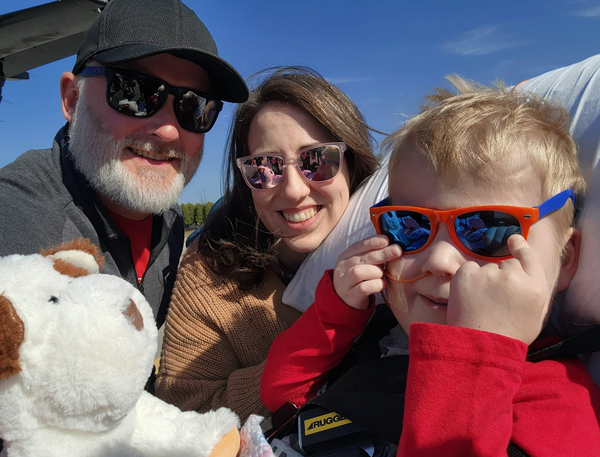
Henry has been inpatient at Norton Children's Hospital since July 26, 2025- more than a year now- waiting for a donor heart. He was born with hypoplastic left heart syndrome, a condition where half his heart never developed, and he'd already been through three open-heart surgeries before he could talk in full sentences. He's been on the transplant list since he was four. Some months, his name comes up two or three times. Other times, the family hears nothing for weeks. Twice this July alone, he came up on a match list- and twice, someone else got the heart.
"It's a weird mix of excitement and anxiety," his mom, Laura Jones, told me. "There are a lot of unknowns. It's scary, but we know it's the next step, and it could mean so many more years of life for him."
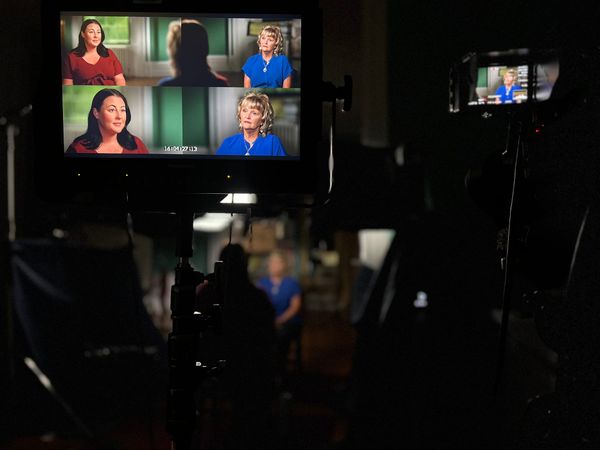
I've spent the last several weeks talking with people across this story- policy experts, advocates, a Kentucky nonprofit that spends its days trying to explain how organ donation actually works. That's what brought me to Maurice and Laura Jones. A family. A real-life example of what is at stake.
But before I tell you their story, I want to take you back to the podium- to the moment this all became public, and the moment that, I'd argue, set the tone for everything that's followed.
On August 5th, Health and Human Services Secretary Robert F. Kennedy Jr. stood in front of cameras in Lexington and announced the decertification of Network for Hope- Kentucky's organ procurement organization. He talked about trust, about the 103,000 Americans waiting for transplants, about the more than 49,000 lives saved last year by donors and the professionals who honor their gift. And then he told a story- about a man named T.J. Hoover, who Kennedy said showed signs of awareness while on the operating table, "about to have his organs removed," before physicians refused to proceed. Kennedy called Network for Hope "a bad apple."
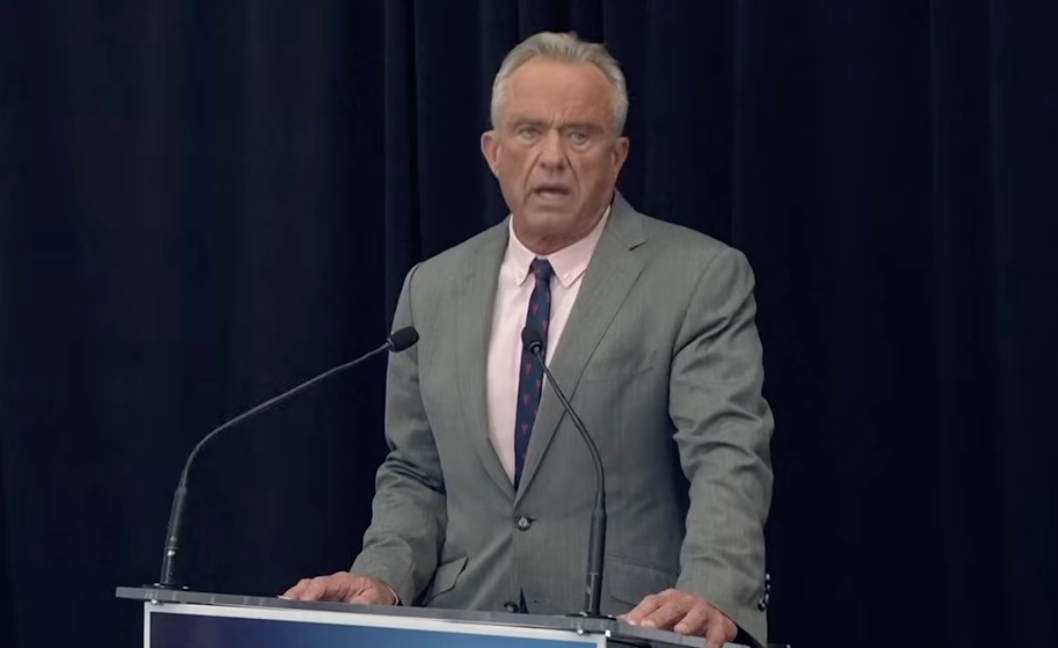
The press conference provided a devastating image. It's also, according to multiple people involved in organ donation, not what actually happened.
Paid subscribers can LISTEN to this story right now on this week's new episode of One More Question. Instructions at the bottom of the article!
Shelley Snyder is executive director of Donate Life Kentucky Trust- the nonprofit that registers donors and educates the public about organ donation. She's also a donor family member. Her father died suddenly when she was 17, and his organs went on to help two people see again and, as she put it, help people "walk and play basketball." Something her father loved.
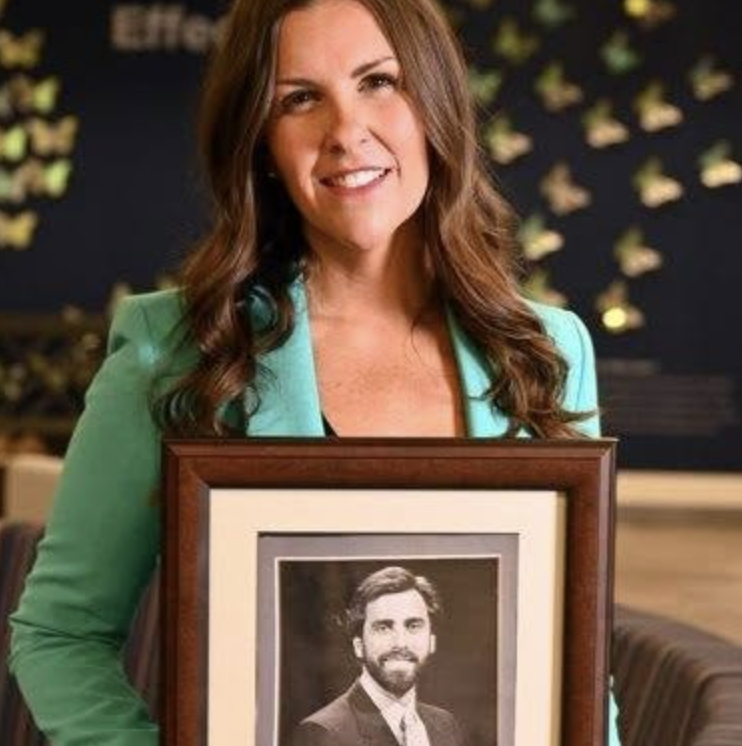
When HHS announced Network for Hope's decertification, one detail in the federal government's own findings jumped out: in some cases the organ donation process began before a patient had died. Read on its own, that line sounds damning. Snyder told me it's also- without more context- deeply misleading about what "the process starting" actually means.
"The organ donation process starts with a phone call," she told me. Not a scalpel. Not an operating room. By law, when someone dies in a hospital in a way that could make them a donor candidate, the hospital is required to call the OPO. In Kentucky, that means calling Network for Hope. That call is the beginning of the process HRSA is referencing. From there comes a phone evaluation, medical chart review, conversations with the family, lab work, and coordination with transplant surgeons- all of it happening before anyone is anywhere near surgery.
Snyder walked me through the two legal pathways that organ donation happens, because she believes this is where the federal government's framing- and a lot of the public fear that's followed it- goes wrong.
Brain death donation happens after a patient has already been legally declared dead, with a ventilator keeping oxygen and blood moving to their organs. Only after death is declared, and only if the family consents or the person was already registered, does the OPO evaluate which organs might be viable.
Donation after cardiac death (DCD) is the pathway at the center of the dispute, and the one Snyder believes is being badly misrepresented. DCD comes into play only after a family- working with their own doctors, not the OPO- has already made the decision to withdraw life support because there's no meaningful recovery ahead. It's only at that point that the OPO is contacted to talk through whether donation might be possible once the heart actually stops on its own. The patient, Snyder emphasized, is still legally alive when that conversation happens. The ventilator is removed in the operating room, and if the heart doesn't stop within a set window, the patient is returned to their room- not made a donor.
"So the person is technically living, but their family has made the decision to withdraw the ventilator," she said. "That's when the OPO is able to talk to the family about- when the heart stops- organ donation may be possible."
Her argument isn't that nothing went wrong at Network for Hope. It's that describing a legally routine, tightly regulated conversation as "the organ donation process starting on a still-living patient"- without explaining any of the above- turns something normal into something that sounds like malpractice. She was careful to say she isn't a regulator and hasn't seen the underlying case files HRSA and CMS reviewed, so she can't speak to what happened in any specific one of the 351 cases. But she said the public framing itself, stripped of that context, misrepresents how the process actually works for the vast majority of families who go through it.
With that context in hand, let's get back to Maurice and Laura- and what this last month has actually looked like for them.
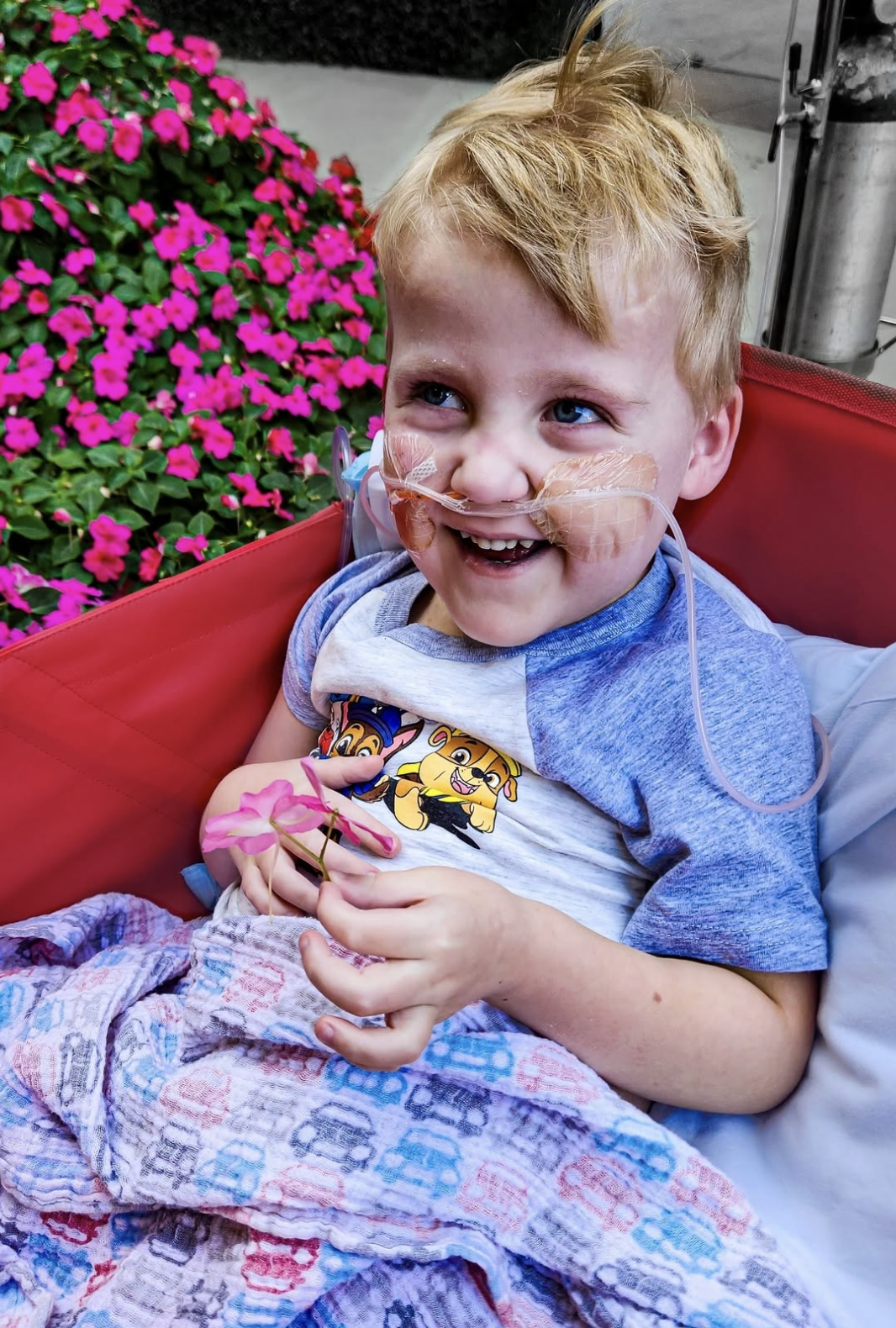
Laura told me the news of Network for Hope's federal decertification landed like a gut punch. Her first thought: that everything Henry has survived might not matter if the system meant to eventually save him buckled.
"If he doesn't get this heart, then he is not going to survive," she said.
What scares her isn't the decertification process itself. It's what she's watched happen in the comments sections underneath the news coverage.
"There are already so few donors, and especially in the pediatric world, even less donors," she said. "I think the biggest fear is that it's going to cause people who would have been donors- people who would have been willing to give that gift of life- it's going to scare them, and they're going to say no. And then we have less opportunities to save Henry and the other ones who are waiting."
Maurice put it more bluntly. When the decertification news first broke, before they understood how the system actually works, "we were mad, we were scared", he told me. It was only after Laura started digging- researching, calling their heart failure team, talking to Norton's surgeons directly- that the fear started to ease.
"The further along that we've come from that, and the more we've learned, the less fear we have," he said. "I think that's just the human reaction- any jerk reaction to the unknown is fear."
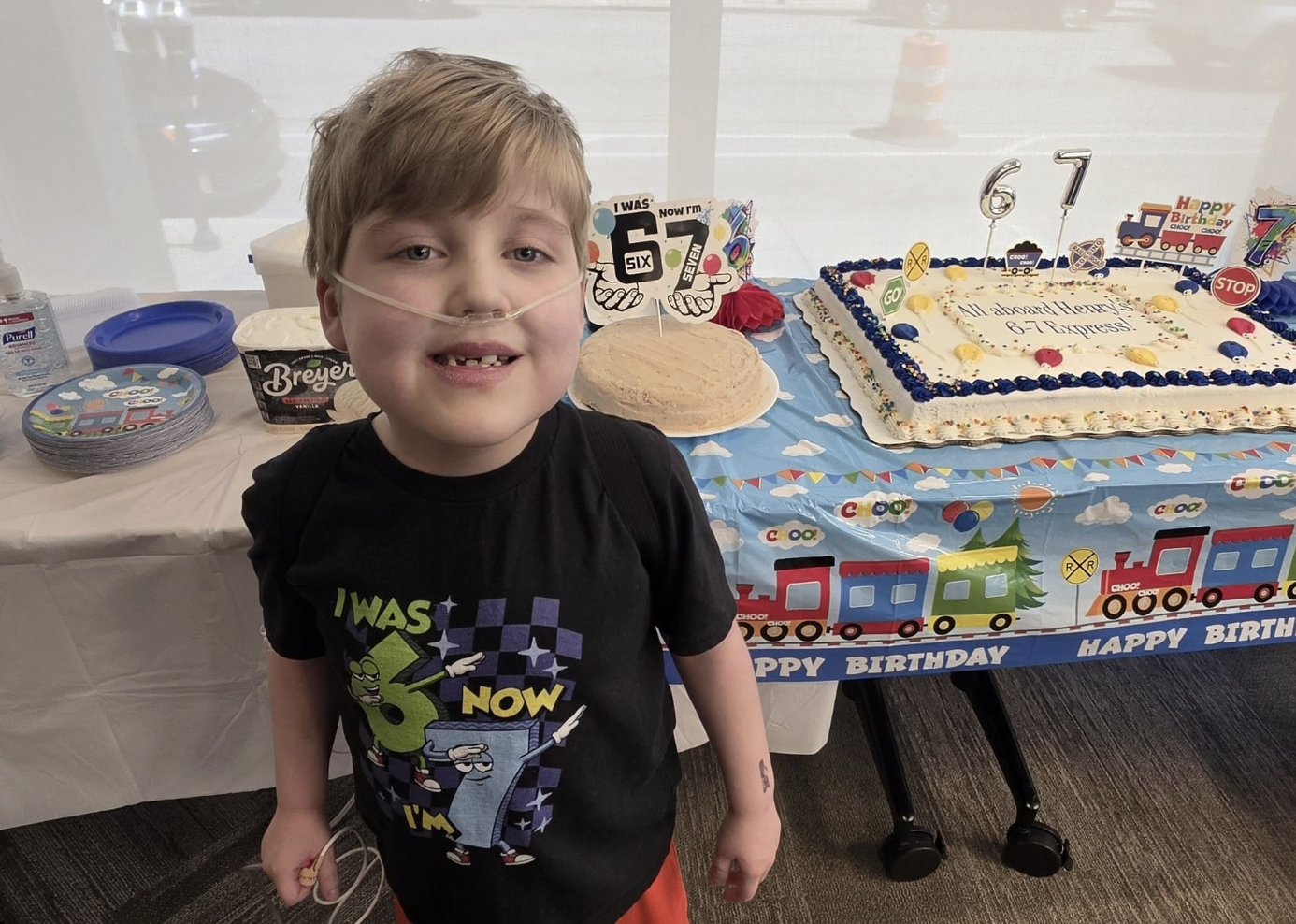
Talking to the Jones family, I realized how much of the public conversation is happening without some very basic facts about how organ matching actually works- facts that took Laura and Maurice months, and a front-row seat, to learn themselves.
Maurice walked me through it. Most people, himself included before Henry was listed, picture a straight, ranked line- kids waiting their turn from top to bottom. It's not that. When a donor organ becomes available, a list is generated fresh, ranked by a combination of factors: distance (a donor heart can't be out of a body more than about four hours before transplant), time on the list, blood type, and antibody compatibility- how likely a recipient's body is to accept the new organ without rejecting it. Whoever gets the call has roughly a 30-minute window to decide whether to take it, at any hour of the day or night.
Henry has come up on match lists more than once this year and been passed over- not because something went wrong, but because someone else was a closer match, or because the medical team determined the specific organ wasn't the right fit for him. His parents specifically asked their team to tell them every time this happens, even though it means absorbing disappointment regularly.
"We need that hope," Laura said. "There's still a chance out there that he is coming up, that he is being talked about, that there are matches in existence."
They also asked hospital staff directly about the kind of scenario that circulates in the darker corners of social media: could someone become a donor who wasn't really gone? A surgeon walked them through the layered, repeated testing hospitals use to confirm brain death before donation is ever discussed, and how those protocols are nearly identical across hospitals regardless of which OPO is involved.
"I think even us, it unsettled us a little bit to think, could that happen?" Laura said. "Talking to that doctor really reassured us that there are so many checks and balances, and that when it does come time, it truly will be a gift."
I asked Laura and Maurice directly what their care team has told them about the practical impact of decertification. Their answer lined up with what I've heard from every other source in this story: nothing changes yet, and the hospital isn't waiting around to find out what happens next.
"The teams told us that they're operating as normal," Maurice said, "and they do have other organizations that do the same thing that they're starting to transition to work with." A surgeon reportedly told them the appeal process alone could take anywhere from six months to two years, and that Norton's is working in parallel with other OPOs as either a backup option or a full transition path- not waiting on the outcome of an appeal to have a plan.
That tracks with what Snyder told me. Network for Hope continues to operate exactly as it has through the appeal process. If the decertification does ultimately take effect on November 3, CMS has already indicated another OPO- likely based out of state- would be assigned to take over Kentucky's donation service area. There is no lapse where dying patients aren't evaluated for donation, and no lapse where transplant candidates like Henry stop being eligible to receive.
There's a national policy fight tangled up in this story that many people have never heard of- it's called "The CMS Final Rule". OPOs are regulated by the federal government. Centers for Medicare and Medicaid Services (CMS) takes the lead on certification and tracking performance.
In 2020, CMS announced a new policy as part of an executive order from President Donald Trump. When announced, the administration said it was created to help "the almost 109,000 people in the United States currently on the wait list for a lifesaving organ transplant, which far exceeds the number of transplantable organs available."
The press release said the goal was to support higher donation rates, help shorten transplant waiting lists, and increase safety.
Tenaya Wallace has worked in organ donation policy for more than two decades, including a decade at OneLegacy, the OPO serving Los Angeles. She told me the CMS Final Rule is, in her view, the real backdrop to what's happening in Kentucky.
"The CMS final rule created all of these crazy unintended consequences," she explained. "OPOs felt that they had to recover every organ from every donor."
She said the rule uses a flawed measurement to rank OPOs into performance tiers by comparing donors against all deaths in a region, rather than deaths where donation was medically possible. Wallace said the metrics can make some OPOs look like they're underperforming for reasons that have nothing to do with how well they're actually run.
"I understand that Secretary Kennedy honestly believes that he's doing the right thing, and he's trying to protect patients, but I believe he has been led astray," Wallace said.
The Network For Hope desertification announcement specifically pointed to the following findings after a review of 351 cases between 2021 and 2024:
I asked Wallace if she believes these cases were a result of pressure from the CMS Final Rule, or true failures. She said she couldn't answer that because she hasn't seen the cases. "I understand that these numbers sound very concerning, but I can't say what they mean because there's no transparency about what they mean. What are these numbers? Where are the cases?" she said.
What she, Shelley Snyder, and the Jones family all seem to agree on, even from very different vantage points, is this: they believe the public conversation happening right now is being flattened into fear.
"There's so much misinformation, and there are so many people that scream one way or the other," Maurice said, "you really have to look into it yourself, and not just fall into one camp or the other."
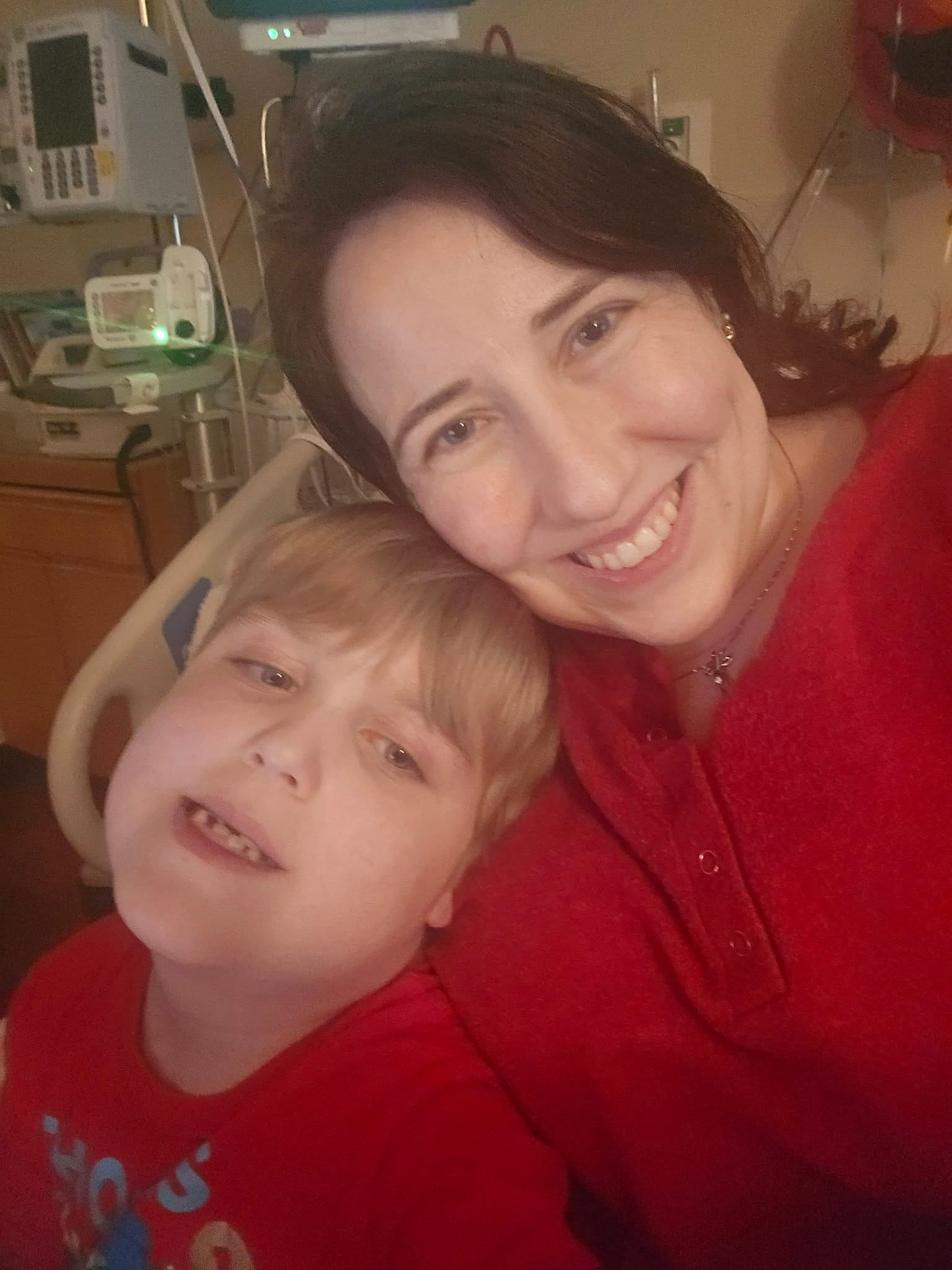
I asked Laura what she'd say directly to someone who has pulled their name off the donor registry, or is thinking about it, because of what they've read this month.
"Do your own research. Talk to your medical doctors, your own team, and maybe reach out to these organizations that are for the donors, like Donate Life, and get the facts from them," she said. "If people would just take a pause, take a breath, and really think about it before pulling their name- that's all that we would ask."
While they are asking families to think about their situation, their son, these parents are constantly thinking about the other family. The one that will one day lose someone so that Henry can live.
"We know that in order for Henry to live, they are going to suffer an unimaginable loss," Maurice said. "Knowing that everything is being done correctly and by the book, and that they are not losing their loved one unnecessarily- I think it will also ease our conscience in receiving that gift of life for Henry."
Until that call comes, Henry stays at Norton Children's, playing trains with his favorite nurse, showing off his scars, riding a bike around the cardiac intensive care unit. His parents split their time between his hospital room and home in Salem, Indiana, where his ten-year-old sister Hattie is doing her best to keep things normal.
"We've made it this far," Maurice said. "And we're not stopping now. The best is yet to come."
If you'd like to learn more about the process for donation, Donate Life has a short video explaining the steps between signing up to become a donor and the the steps taken to find a match.
I have asked both Network for Hope and Center for Medicare and Medicaid Services for interviews and additional information. If you have specific questions for either, please send them my way!
Like what you see? Learn more about Shay Informed here! This is honest journalism with compassion and clarity.